Key takeaways
- One night crew covers a fixed number of floor hours, and whatever it drops lands on the morning shift.
- Floor robots work best as a backstop on repeatable routes in mapped, stable zones.
- Human checks still handle spills, judgment calls, the handoff to the morning team, and final sign-off.
- Industry counts show cleaning robots growing, but vendor payback claims need proof from your own floor.
Can floor robots cover what a short night crew drops?
Partly, and the limit matters most. A floor robot can take the repeatable passes a short night crew tends to skip, such as main aisles and corridors that run the same way every night. It cannot judge a spill, decide what a stain needs, or sign off that a floor is ready for the morning.
The backstop idea works because it splits the work into two groups. Machines take the scheduled passes. People keep the calls that depend on eyes, hands and context. The sections below explain where that line falls and what the published figures do and do not prove.
How does a short crew fall behind on a large floor?
A night crew works from a finite list, and every aisle, lobby and corridor draws from the same hours. When someone calls out, tasks get dropped in a fairly predictable order. Entries and high-traffic lanes get done first, while back aisles, loading edges and seldom-visited corners slip to the next night.
The morning shift then inherits drips, grit and debris, and it spends its first hours on catch-up work before the first delivery or guest arrives. The cost is not only labor. It is the hours a day team loses to recovery when it should be running its assigned tasks.
What do the industry numbers say about floor robots?
According to IFR, professional cleaning was the third-largest service robot segment in its World Robotics 2025 report, which covers 2024. Unit sales rose 34 percent to more than 25,000, and most of those robots did floor cleaning. IFR's newer 2026 service robot report, which covers 2025, shows total professional service robot sales up 24 percent to almost 250,000 units, with cleaning again ranking third. A 2025 unit figure for cleaning robots specifically was not found in the material reviewed.
Read those figures with care. IFR's service robot numbers come from a sample of 294 suppliers and should not be projected to the whole industry. The growth is real within that sample, but it shows the category expanding, not what any single floor will need.
On the demand side, a vendor-commissioned review from Nassco, published in September 2026, found that about 32 percent of building service contractors plan to adopt robotic floor equipment within 12 months. Planned adoption has roughly doubled from 2025, and 44.6 percent expect labor challenges to increase. Treat it as a signal of direction rather than a precise forecast.
Where do floor robots work as a backstop?
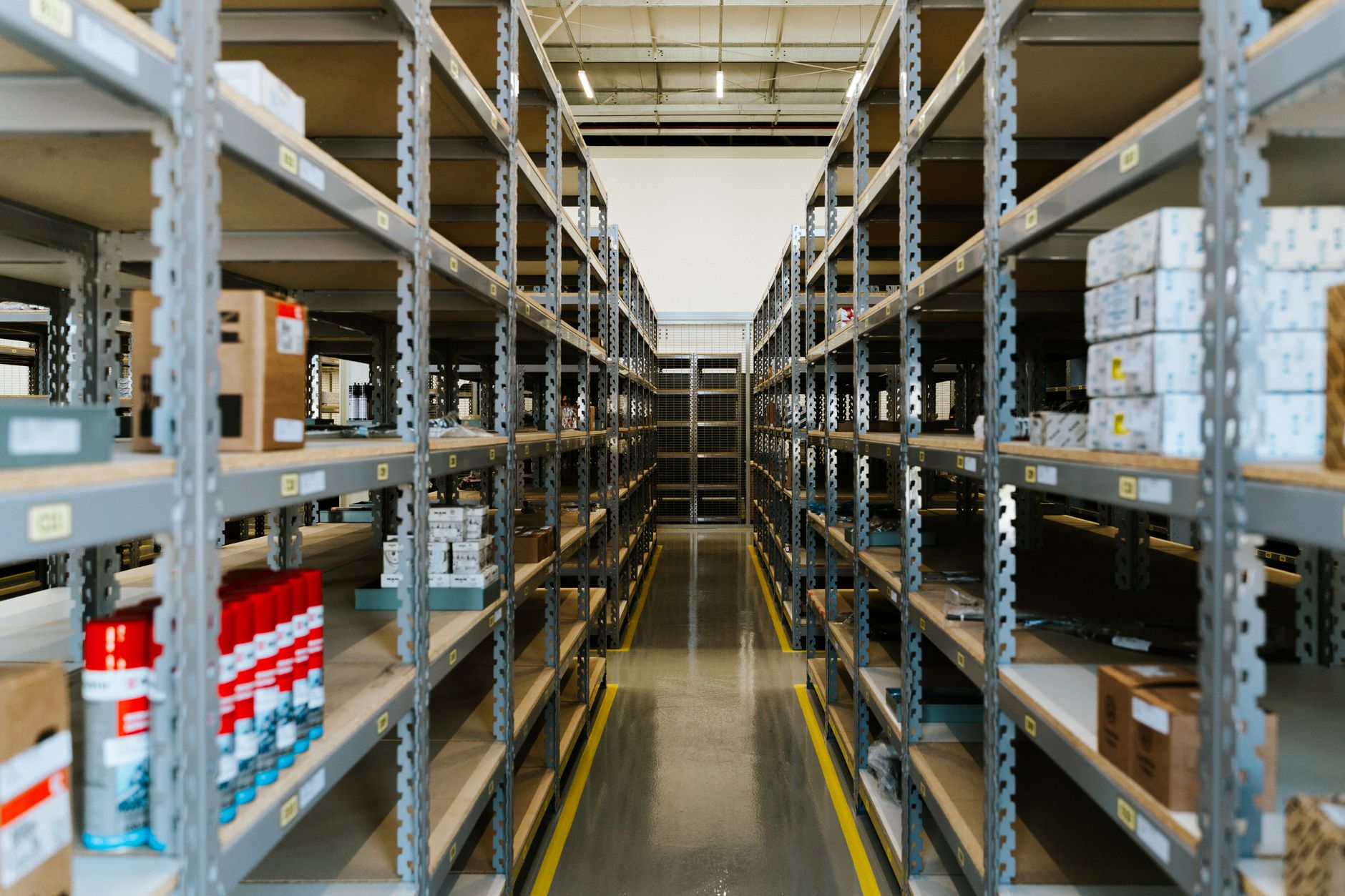
The strongest fits share three traits. The route repeats, the layout holds still between shifts, and the zone is one the crew would otherwise skip or rush. Those conditions point to a short list of places.
- Main aisles and corridors that run the same path every night, where a scheduled pass replaces a hurried one
- Open retail or lobby floors with a stable layout, so the map does not change between shifts
- Small, high-traffic spaces, the category Tennant targeted when it introduced its X2 ROVR SCRUB in May 2026, according to its press release
- Zones the crew already falls behind on, where the first pass is the one that keeps getting dropped
Where do human checks still matter?
Spills and wet patches need a person to assess them and decide the response, including whether the area needs signage, a second pass or a supervisor's call. Debris outside the mapped route, broken glass, and any residue that looks unusual also belong to a human eye, because a route log records what ran, not what was missed.
Human checks also cover the handoff. A night lead still reads the robot's run log, notes what was skipped, and writes it down for the morning team. Nassco's framing fits here: the most effective facilities treat automation as labor support, not labor replacement.
Finally, someone signs off before guests or customers arrive. A robot can report that a route ran. It cannot see that a corner looks wrong, and the sign-off is where that difference gets caught.
Do vendor payback claims hold up on your floor?
Not without measured numbers from your own site. Some vendor-side figures circulate widely. Marketintelo says a typical scrubber reduces labor requirements by 60 to 70 percent while operating 16 to 20 hours a day, with payback in 2 to 3 years. Those are unverified vendor claims, and they should be checked against your shift data before anyone relies on them.
Nassco cautions against promising that a scrubber recovers its cost within 24 months, which is a sensible brake on any pitch with a short payback promise. Market size is a separate question. Intel Market Research estimates the autonomous robotic floor scrubber market at USD 978.3 million in 2026, rising to USD 2,187.5 million by 2034, a 10.5 percent CAGR. It also notes upfront acquisition cost as a barrier. A growing market does not prove that your floor will pay back.
How does a backstop plan get set up?
Service Robot Co. is a full-service commercial robot integrator for US businesses. We are OEM-neutral, so the robot is chosen for the floor rather than pulled from one manufacturer's catalog. A site assessment maps the zones, and the fixed lease quote follows that assessment on a three-year lease.
After that, we deploy, integrate and train the crew, and service runs through a nationwide US engineer network. One vendor covers the full lifecycle, which matters when a night-shift unit needs attention at an hour when the morning team has not yet arrived.
Build the backstop in stages. Start with one zone, run one measured week, and extend to the next zone only if the log supports it.
Frequently asked questions
Want a robot working for you?
Tell us the job and the site. We will recommend the robot, quote the lease, and keep it serviced.
Sources
- IFR World Robotics 2025 Service Robots press release
- Australian Manufacturing summary of IFR 2026 service robot report
- Webull news item on Nassco 2026 janitorial efficiency review
- Nassco 2026 janitorial efficiency insights
- Marketintelo autonomous floor scrubbers market report
- Intel Market Research autonomous robotic floor scrubber market
- Tennant X2 ROVR SCRUB press release, May 2026