
Key takeaways
- Frost delays protect fairways from traffic on frozen leaf tissue; robots are wheeled equipment and should wait on the same call.
- Superintendents test shade, low spots, and north-facing holes before clearing any mower, autonomous or ride-on.
- Pro shop scripts should tie robot starts to the morning frost decision so members do not read machines as open-fairway permission.
- Spring and fall frost windows differ; pass frequency should drop when growth slows even if robots are idle at dawn.
- Service Robot Co. maps frost buffers and charger placement during site assessment before buy or lease financing.
When should fairway robots wait out a frost delay?
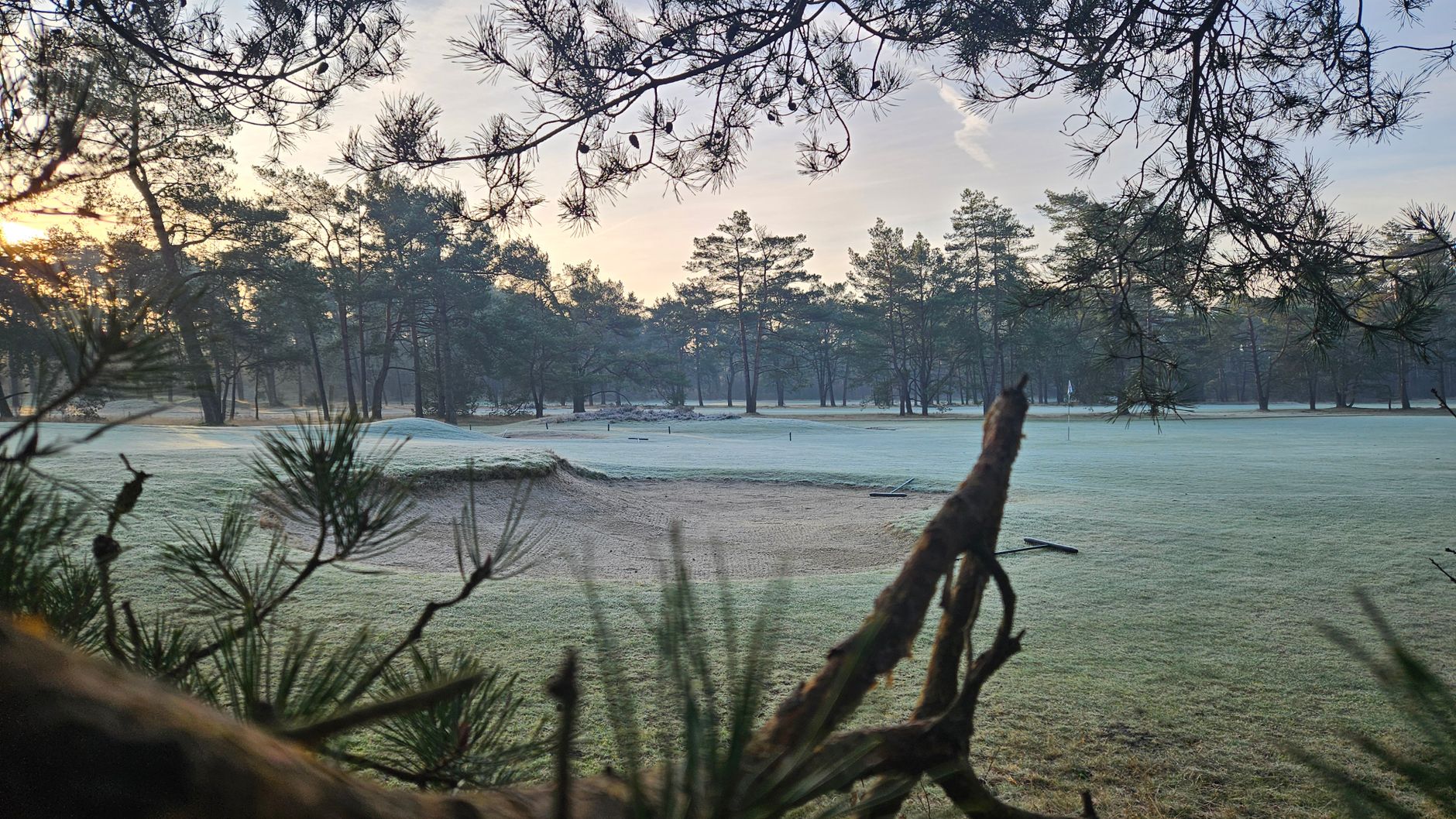
Fairway robots should stay parked until the superintendent clears wheeled equipment for the day. Frost forms when turf leaf tissue freezes and traffic can crush cells even if the surface looks firm from the cart path. According to USGA Green Section frost research, concentrated morning traffic on frozen fairways shows up as thinning weeks later on the first warm-up holes members play.
Autonomous units are not member carts, but they still carry weight on narrow tires. If your policy holds ride-on fairway mowers until the agronomy team walks test areas, hold robots to the same clock. Dispatching early to win quiet hours can undercut the frost call golfers already heard at the turn.
Quiet pre-dawn passes are valuable for labor, yet they cannot override turf safety. Map chargers on pavement near the shop so units idle inside until radio or software release matches human approval.
What does frost do to fairway turf under equipment traffic?
Frost is not ice on the canopy alone. Leaf blades freeze, and tire shear breaks cell walls before the plant can recover. USGA materials note that damage may stay invisible until spring green-up, which is why experienced crews treat frost like a full-course hold even when only shaded strips look white.
Warm-season fairways in the transition zone can frost on clear, calm nights while afternoons still feel mild. Cool-season mixes frost more often in late fall and early spring. Either way, the risk is traffic timing, not grass brand.
Robots programmed for daily strips do not sense frost on their own. They need a human gate tied to the same thermometer readings, shade patterns, and moisture probes your staff already uses before the first mower rolls.

How do superintendents make the morning all-clear call?
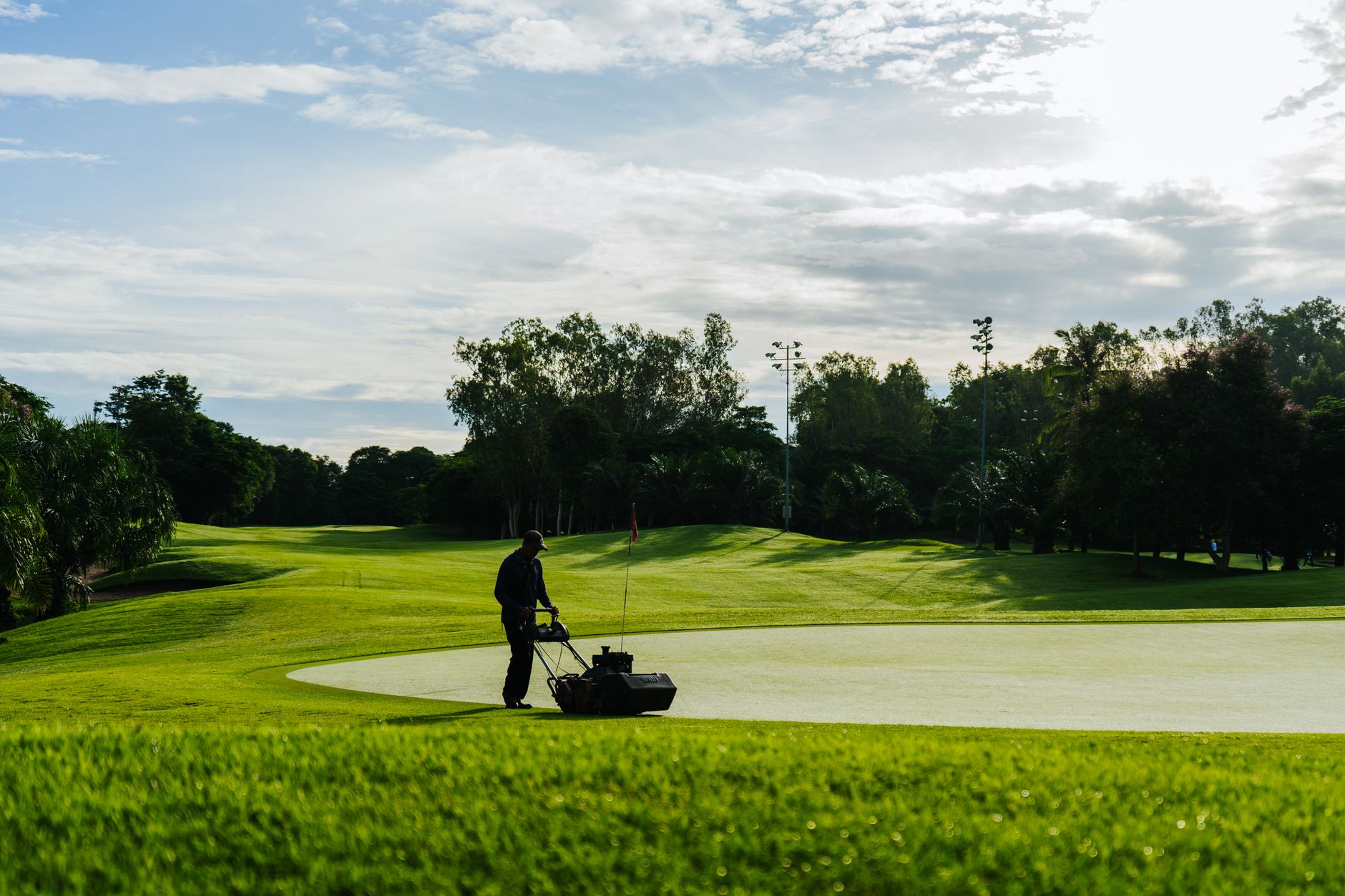
Most shops start with shade lines and low pockets that hold cold air. A quick walk on the worst hole, often a north-facing par three or a valley floor, sets the tone for the whole property. Golf Course Industry has profiled crews that delay carts until after 8 a.m. on frost mornings even when the parking lot feels warm.
Wind, cloud cover, and irrigation timing all shift the release. A night water cycle that finishes late can leave surface moisture that freezes harder than a dry canopy. Superintendents stack those observations before they text the pro shop.
Document the call. When autonomous platforms log aborted passes, note frost as the reason code so analytics do not treat the day as a mechanical failure.
- Walk the coldest hole before any fairway equipment moves.
- Compare path frost to fairway frost; paths may clear earlier without permission to send mowers.
- Sync irrigation finish times with expected overnight lows.
- Record release time for member communication and robot dispatch.
Should autonomous mowers follow the same rules as ride-on fairway units?
Yes. Policy parity keeps robots from becoming a loophole when carts are path only or frost delayed. If ride-ons wait, robots wait. If only rough strips are open after a partial thaw, shrink polygons to match.
Software schedules should include frost blackouts that are easy for assistants to toggle from a phone. Hard-coded weekly timers fight real weather.
Training matters. The staff member watching the unit must know frost overrides beat any optimized route. RoboCare support can help adjust maps after you log a few frost-week patterns.
How should the pro shop explain robot sightings during frost weeks?
Members already ask whether frost delay lifts at 9 or 10. Add one line to the morning email: robots will not enter fairways until the superintendent clears equipment. That prevents a pre-dawn robot on a path from reading as open turf.
Golf Course Industry writers describe daily pro shop questions about 90-degree cart rules after frost. Give staff the same script for robots: paths only for members until the frost call changes.
Transparency beats mystery. If a pass aborts because shade held frost on hole seven, say so. Members forgive maintenance technology faster when it follows the rules they already know.
What changes from early spring to late fall frost patterns?
Spring frost often follows thaw cycles that also delay aerification and first-cut height decisions. Hold robots until growth targets are set, not just until ice melts once.
Fall brings dormancy programs on warm-season fairways where carts move to paths for weeks. Reduce autonomous frequency to match growth charts even if mornings are clear.
Overseeded rough and approaches may frost differently than main fairways. Keep robots on agreed fairway polygons only; greens and tees stay with the crew in every season.
Where does integration help with frost-aware scheduling?
Frost planning touches agronomy, pro shop messaging, and mapping software at once. Service Robot Co. stays vendor neutral, selects fairway-capable autonomous mowers, and bundles buy or lease financing with deployment and RoboCare service.
Request a free site assessment that documents frost-prone holes, charger placement on pavement, and how morning release will be communicated before the first autonomous loop.
Pilot one fairway loop through a known frost month before scaling fleet-wide. Robots extend fairway hours once human judgment says equipment may return, not a minute earlier.


