
Key takeaways
- Hold fairway robots until frost clears and turf firms underfoot.
- Low spots and shade stay soft longer than open fairways.
- Starters and maintenance share one frost delay script.
- Log actual release times beside map hold changes.
- Service Robot Co. documents frost holds in deployment playbooks.
Why do frost delays stop fairway robots?
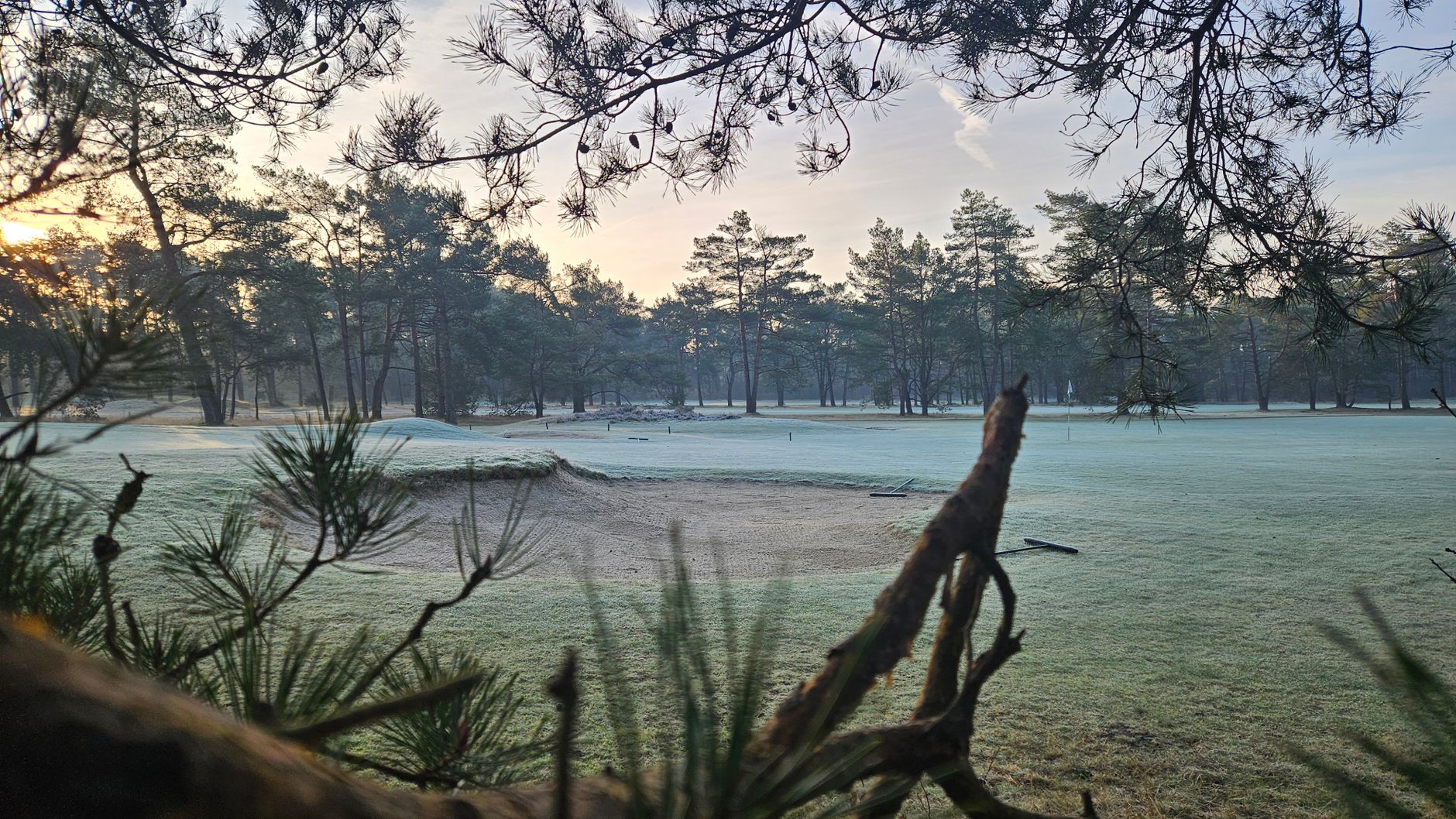
Frost locks moisture in leaf tissue and makes fairways look firm while crowns stay brittle. Robot tires and decks concentrate weight on narrow paths, so torn turf shows up as long strips after the frost melts.
Autonomous units start on schedule unless holds block them. A dawn loop through frosted fairways can do more damage in one pass than a week of normal wear.
Human triplex operators often feel softness and skip panels. Robots follow the map unless you pause loops hole by hole or nine by nine.
Frost delay is not only a player rule. It is an agronomic gate for any heavy equipment, including fairway robots.
Document torn strips with photos when they happen. The images help your team defend hold discipline to members who wanted earlier mowing.
Which fairway panels stay on hold longest?
North slopes, tree shade, and bottoms that collect cold air frost last and thaw last. Hold those holes even when open sun panels look ready.
Approaches beside ponds and low swales need a separate walk because robots cross them on every loop.
Par threes in frost pockets may need holds when the rest of the nine is clear. Map holds by hole, not by a single course-wide timer.
Compare soil temperature probes if you have them. A few degrees difference between holes explains why one robot loop can run while the next hole stays paused.
What foot checks prove turf is firm enough?
Walk the robot corridor, not just the cart path. Press heel lightly on overlap strips where tires track repeatedly.
If grass pulls or water squeezes underfoot, keep holds. If footsteps leave clean impressions without shearing, note time and hole number.
Repeat checks on holes that thaw first. Sun can open the front nine while the back nine stays white in shade.
Carry a thermometer gun if your program already uses one for disease monitoring. Surface readings support hold calls when crews disagree by feel.
When can dawn fairway loops resume?
Release holds when frost is gone on the robot path, soil feels firm, and no ice glaze remains on collars robots turn across.
Run a supervised slow loop on the first hole cleared before enabling the full schedule. Stop if tires slip or turf smears.
Log release time on the maintenance board. Patterns help you predict whether robot starts should shift later on calm frost mornings.
If a test pass smears turf, re-hold the hole and note weather. One smear is cheaper than repairing a full fairway strip before lunch.
How do shade lines and wind affect thaw order?
Tree lines on eastern holes may stay frosted after open fairways thaw. Holds should follow shade, not clock time alone.
Wind can dry surfaces quickly but leave crowns cold. A fairway that looks dry may still shear until internal frost releases.
Mark chronic frost holes on the deployment map as optional late-start zones so operators do not need a daily debate.
Winter tree work that opens shade can change frost patterns year to year. Revisit hold zones after major pruning.
What should the pro shop tell members during robot frost holds?
Members understand frost delay for play. Fewer realize fairway mowing waits for the same firmness tests.
Brief the shop when holds push visible mowing past mid-morning. Stripes arriving late are normal on frost days, not a broken robot.
If only part of the course is held, explain two-tone fairways without blaming automation. Turf protection is the reason.
Tournament days with early photo crews still need frost rules. Photography schedules do not override turf firmness tests.
How does an integrator document frost holds?
Service Robot Co. adds frost hold templates to your fairway playbook: who walks turf, who releases maps, and when to call RoboCare if a unit slips on ice.
OEM-neutral selection and financing stay in one project so frost mornings do not become vendor finger-pointing.
Regional engineers in every state we cover can review telemetry after slip events and adjust turn speeds on chronic shade holes.
Annual playbook reviews should align frost holds with your written cart-path policy so players hear one consistent message.


