Key takeaways
- Floor robots suit wide hard surface lanes in the pro shop, grill room and lobby corridor.
- Spike marked carpet, entry mat grit and bag drop puddles still need a person.
- Run the robot in the gaps between tee time waves, not through peak member traffic.
- We found no public golf clubhouse floor scrubber case, so pilot one zone before committing.
- IFR cleaning robot growth figures show direction, not your clubhouse's own demand.
Can a floor robot handle a clubhouse after the morning rush?
Partly. A floor robot can take the wide, hard surface lanes of a golf clubhouse between tee time waves: the pro shop aisle, the grill room tile, and the lobby corridor that leads toward the locker wing. It is a poor fit for spike marks on carpet edges, puddles from wet golf bags, and the grit a shoe carries across an entry mat.
We found no public case of an autonomous floor scrubber running inside a golf clubhouse. The golf robot results we could verify are about outdoor mowing. This piece therefore reasons from indoor deployments in other venues, and it says so wherever the evidence stops.
What does the morning rush leave on the floor?
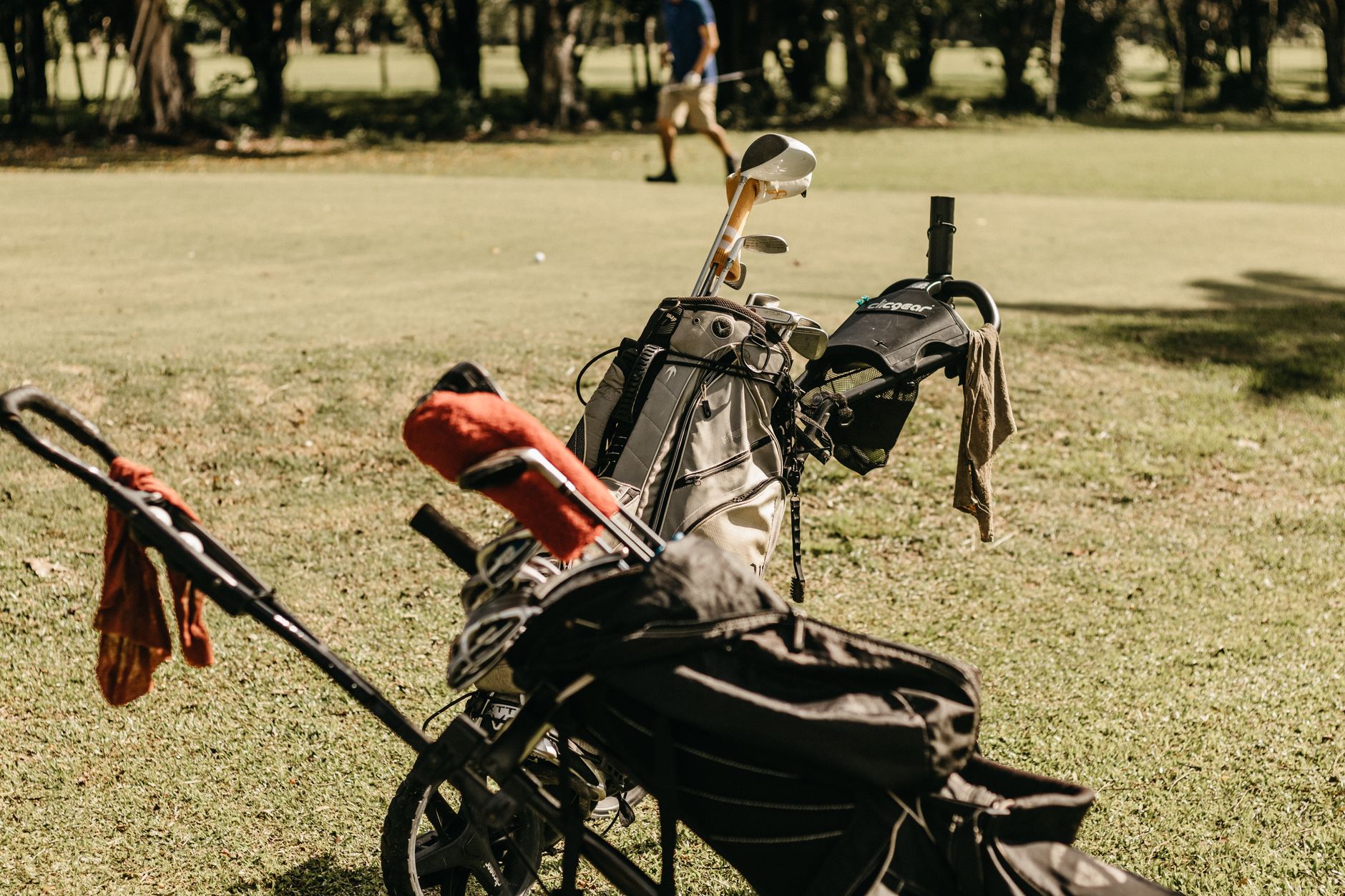
Three residues dominate. Shoe spikes leave small indentations and scuffs on hard floors and work grit into carpet pile. Wet golf bags leave dragged water lines and standing puddles near the bag drop. Turf and sand gather at the pro shop entrance and the entry mat, where every step carries more in.
Each residue needs a different tool. A robot scrubber handles the film of water and fine grit across open hard floor. Carpet edges and spike marked runners call for a brush pass or a hand crew, and those are the zones where a robot will leave a visible result behind.
Which clubhouse zones suit a floor robot?
Look for open, repeatable lanes with hard surfaces and few surprises. Those conditions let a mapped robot run the same route day after day without improvising.
- Pro shop main aisle, once fixtures and bag displays sit in fixed positions so the route stays clear.
- Grill room and bar tile, after chairs are stacked and tables are pushed to the walls.
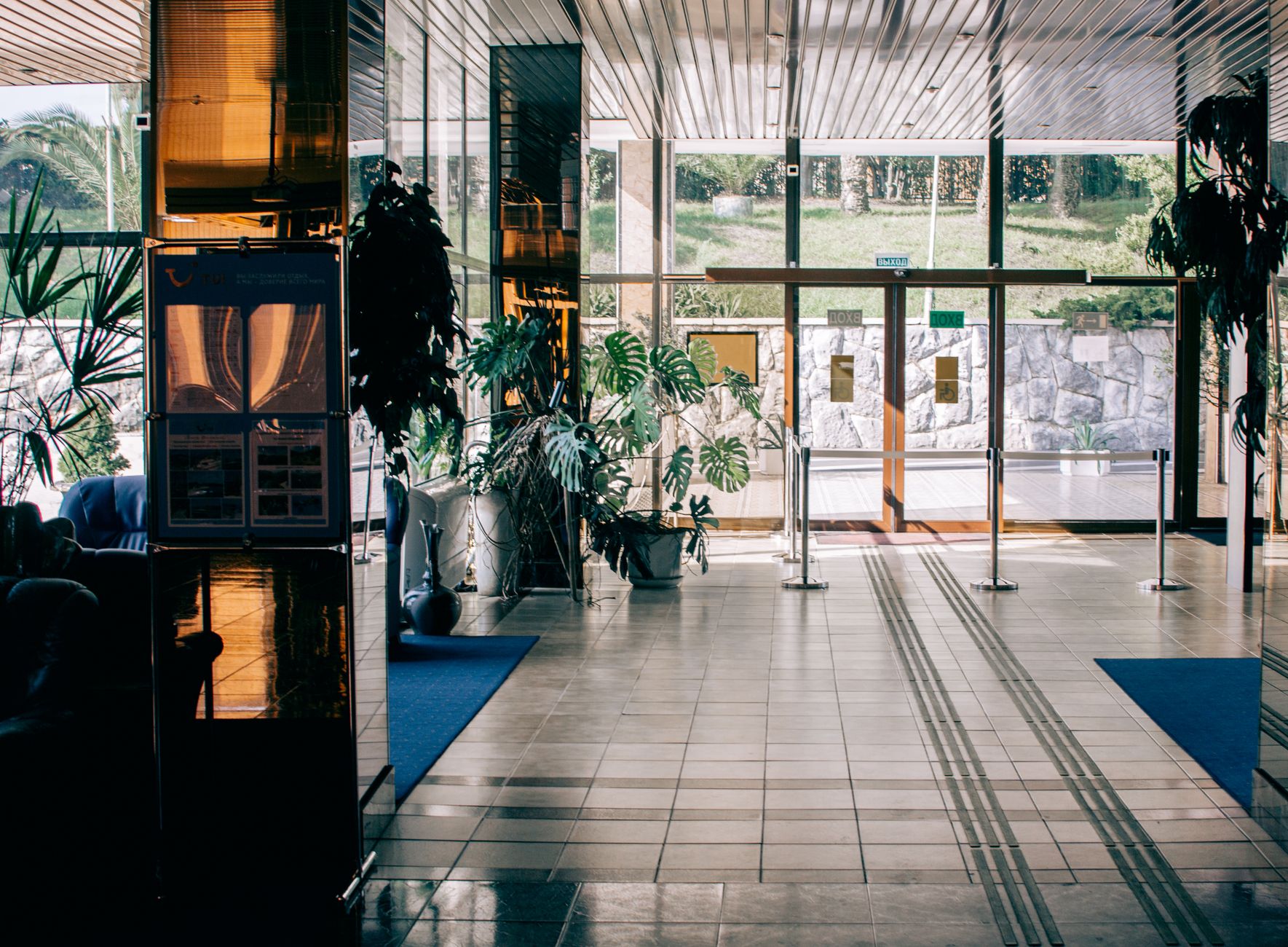
- Lobby to locker wing corridor, where traffic lanes repeat and a robot can pass on a fixed schedule.
Which zones still need a person?
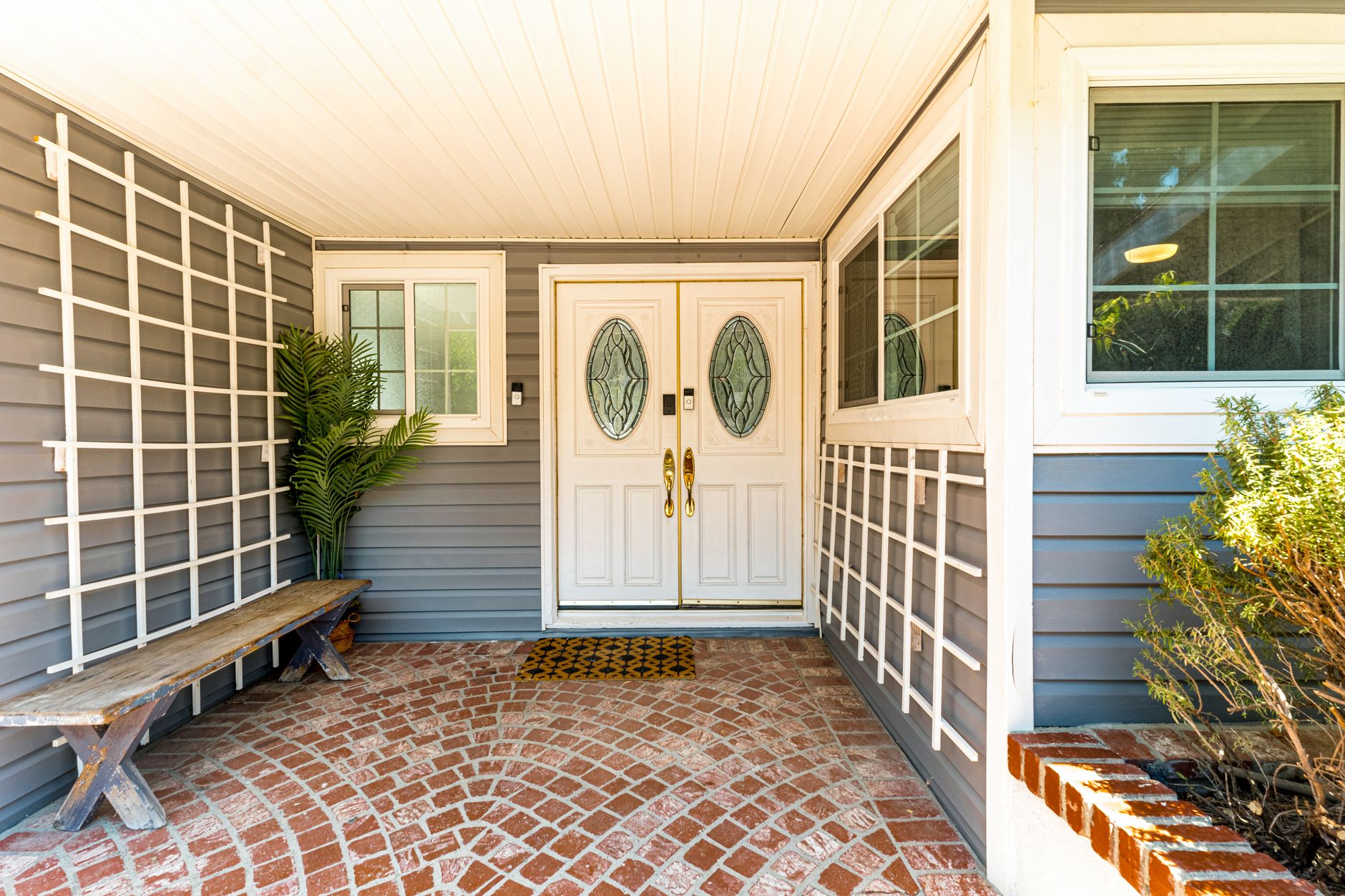
Some floors fail the robot test for reasons that have nothing to do with the machine. The fix is usually a person, a mat or a wipe before the robot runs.
- Entry mat and threshold strip, where grit is wedged into the fiber and needs a beater bar or a hand pass.
- Carpet edges and spike marked runners, where embedded debris usually stays behind after a robot pass.
- Bag drop puddles, which a crew should wipe first so the robot route is not interrupted.
- Locker room and shower corridor, where wet tile and drains call for a person checking the surface after every run.
How should tee time waves set the robot schedule?
The useful window is the gap between waves, not the empty hour after close. A clubhouse rarely goes quiet in the morning, so the plan works better as two short runs than one long one.
Run once in the lull between early waves, and again after the last group tees off. Staff should watch the first few passes on any new route, because a member stepping into a path is what makes the robot slow or stop. Mark those pause points on the map before the first live run.
What evidence exists for golf and clubhouse robots?
Outdoor golf robotics has the strongest record so far, and it is mostly mowing. Carus Green Golf Club in the UK runs a fully automated fleet of Husqvarna mowers, according to a Husqvarna testimonial that is undated and vendor reported. Echo Robotics publishes a page on how golf clubs automate green space mowing. That is vendor marketing, so read it as the vendor's view.
Indoors, the public record is thin but useful. Sam's Club announced in October 2020 that it would deploy autonomous floor scrubbers in all of its US locations. Aramark and Pringle Robotics announced plans to run CC3 scrubbers in lobbies and meeting rooms at a Texas convention center, and we found no reported results. McLaren reports a Phantas floor robot covering guest corridors, the lobby, back of house and meeting rooms at Elysium Noosa Resort in Australia, without performance figures.
A UBC facilities page is the most practical of these. It says the scrubber learns routine cleaning patterns from custodial staff, while staff still fill the water tanks, manage battery charging and keep the reservoirs clean. That division of labor is the one most clubhouse crews will recognize.
How big is the professional cleaning robot market?
Professional cleaning robots rank as a major category in IFR's count. According to IFR's World Robotics 2025 release, which covers 2024 data, cleaning robots ranked third among professional service robot categories, grew 34% to more than 25,000 units, and floor cleaning was the main application.
IFR's World Robotics 2026 coverage, based on 2025 data, reports that total professional service robot sales rose 24% to almost 250,000 units, with professional cleaning again ranked third. We did not find a 2025 cleaning unit count. IFR also says its 2026 service robot figures come from a sample of 238 suppliers and are not projected to the whole industry, and it advises against comparing figures across different World Robotics reports. Read these as direction, not as a forecast of your clubhouse's demand.
How would a clubhouse floor be scoped?
Service Robot Co. starts with a site assessment and mapping walk. For a clubhouse, that means marking the hard floor lanes that can run unattended, flagging spike marked carpet and the drain heavy locker area for manual care, and timing the route around member traffic. We are an OEM neutral robot integrator, so we choose the unit by the task across manufacturers rather than from one catalog.
We then deploy and integrate the robot, train the staff who will oversee it, and provide go live support. Service runs through a nationwide US engineer network, with on site dispatch, so one partner covers the whole lifecycle. A clubhouse pilot can begin as a commercial cleaning robot leasing arrangement with one leased unit on the hard floor zones only. Service Robot Co. leases robots on a 3 year lease, with one fixed payment quoted after a site assessment.
Frequently asked questions
Want a robot working for you?
Tell us the job and the site. We will recommend the robot, quote the lease, and keep it serviced.
Sources
- IFR press release: service robots see global growth boom
- IFR: global sales of professional service robots surge 24 percent
- TechCrunch: Sam's Club will deploy autonomous floor scrubbing robots in all of its U.S. locations
- McLaren Hospitality: Elysium Noosa Phantas project
- UBC Building Operations: robot scrubber page
- Nasdaq press release: Aramark and Pringle Robotics autonomous floor cleaning deployment
- Husqvarna: Carus Green Golf Club becomes fully automated with fleet of Husqvarna mowers
- Echo Robotics: how golf clubs automate their mowing