
Key takeaways
- Hold fairway robots until greens mowers exit adjacent collars.
- Map green-buffer zones where robots must slow or stop short.
- Stagger dawn loops so mowing windows do not cross on the same hole.
- Log mower clear times with hold releases for starters.
- Service Robot Co. sets green buffers during fairway deployment.
Why do greens mowers conflict with fairway robots?
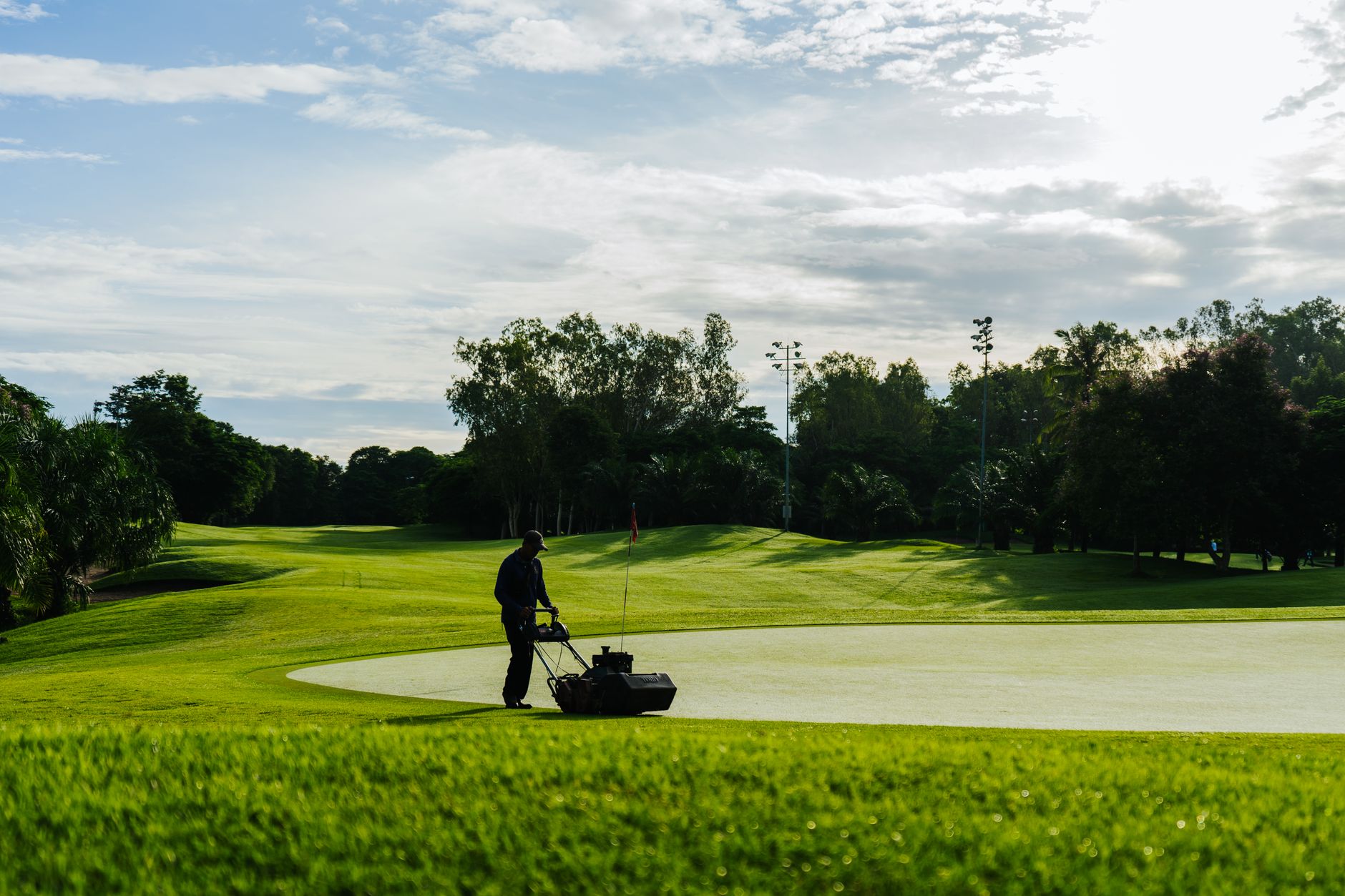
Greens mowers cut tight around cups while fairway robots turn on approaches and collars. Both teams want the same quiet morning window before tee traffic builds.
A fairway unit turning beside a green does not know a triplex is on the collar. Without holds, decks cross fresh mower tracks and compress turf crews just finished.
Double-cut greens days widen the conflict because mowers stay on surfaces longer. Robots on fixed schedules need explicit pauses, not hope that crews finish early.
The issue is coordination, not technology. Maps are precise; morning choreography is not unless you write it down.
Members rarely see mowers and robots at once, but they see tire scuffs on collars when teams overlap. Holds prevent cosmetic damage that takes days to heal.
Which holes need green-buffer holds first?
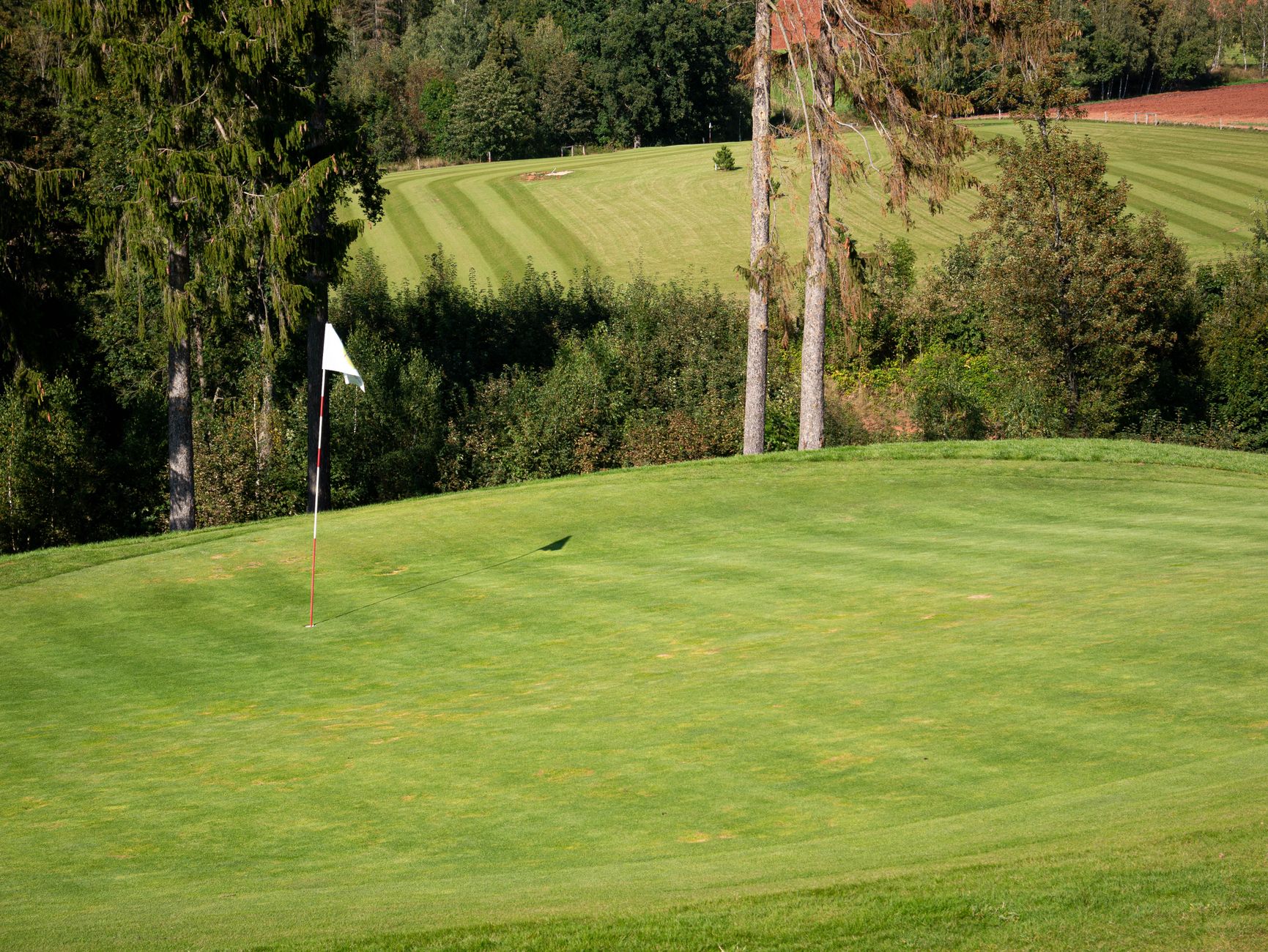
Prioritize par threes and dogleg greens where fairway robots turn nearest to the putting surface.
Holes with narrow approaches force robots closer to collars than wide links-style landings.
List chronic conflict holes on the deployment map as always-on buffer zones during greens mowing days.
Compare stop logs from last season. Holes with repeated emergency slowdowns belong on the buffer list even if they look wide on paper.
How should mower and robot windows stagger?
Run greens mowing on one nine while fairway robots loop the other, then swap when mowers radio clear.
When all greens mow first, hold every fairway robot until the last mower exits the nine you need open for play.
Post the stagger plan on the shop board with names, not just times. Substitutes should read the same script.
When weather compresses the morning, resist skipping holds to save minutes. One overlap costs more crew time than a delayed robot start.
What green-buffer distances keep decks off collars?
Buffers should stop robot centers short of collar lines by the distance your superintendent approves, often several feet beyond visible collar.
Slow-speed fences inside buffers reduce scuff when operators must run close to approaches.
Revisit buffers after green renovations that change collar shape or approach grade.
Photograph buffer lines after renovation stakeout so software edits match what the superintendent expects on the ground.
When can fairway loops resume after greens mowing?
Release holds when mowers are off the green and collar, footprints are brushed, and no equipment blocks robot entry lines.
Wet collars from irrigation or dew extend holds even after mowers leave. Walk the robot path before release.
Run a supervised test turn on the first cleared hole before enabling the full dawn schedule.
If test turns smear wet collars, extend holds on neighboring holes that share the same irrigation cycle.
How do pin placements change robot turns?
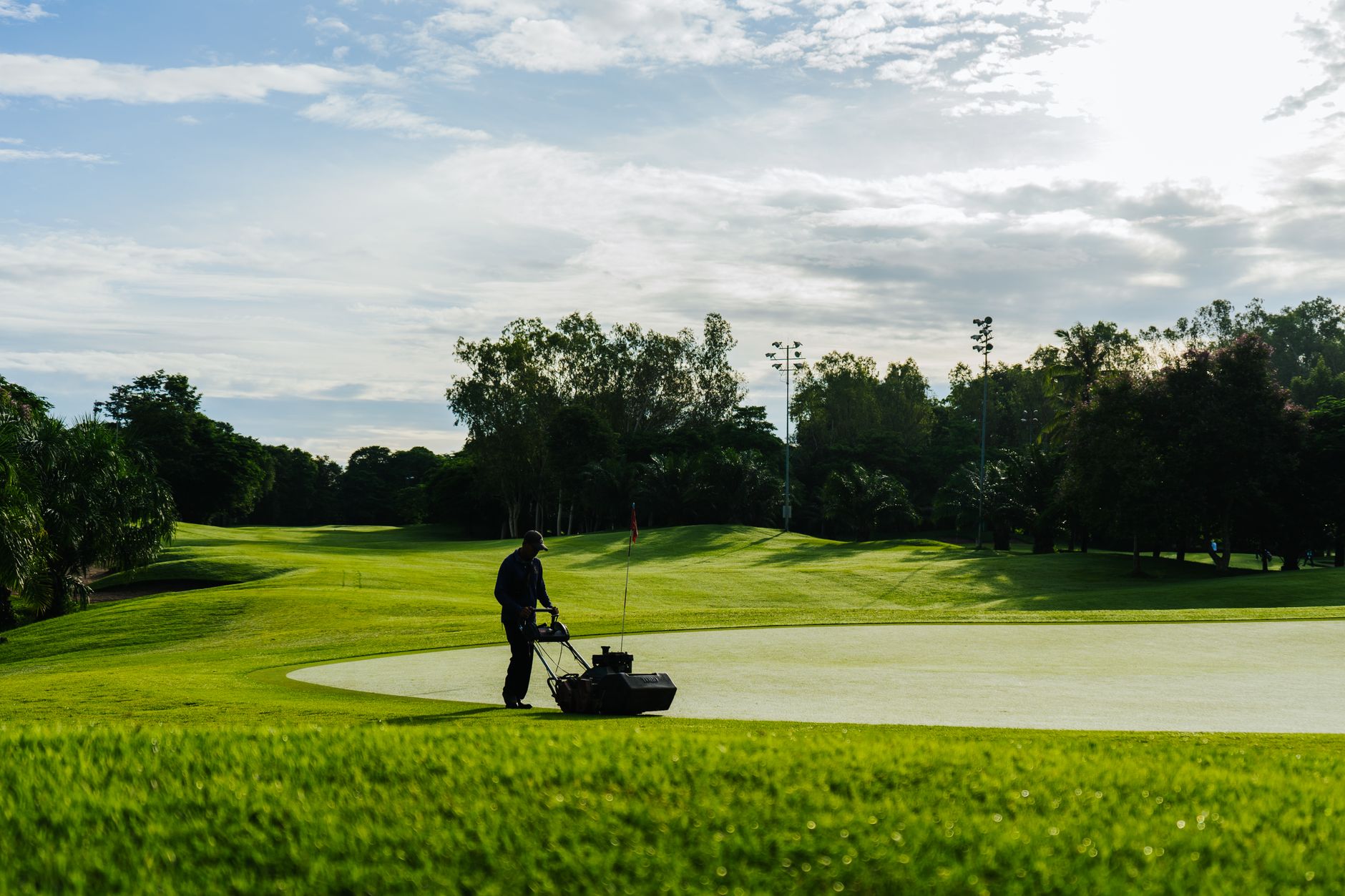
Back pins with mowers on greens may keep crews near robot arcs longer. Hold those holes until mowing completes.
Tournament pin sheets should trigger the same holds as daily mowing when setup crews work collars early.
Document pin-day exceptions so contractors running robots do not assume a normal Tuesday map.
Major setups that move cups twice in one morning need a second hold release, not an automatic all-clear after the first pass.
What should starters know about green-buffer holds?
Starters need hole numbers where fairway stripes may arrive late because robots waited for greens mowers.
Explain pace impact on the first few holes only when holds are nine-specific. The back nine may look finished while the front is still paused.
Cart rules near wet collars should match what maintenance posts for mowers, not a separate message.
League mornings need the hold list on the starter sheet, not only the maintenance shop, so pace captains understand delayed stripes.
How does an integrator set green-buffer holds?
Service Robot Co. walks collars with your team and programs buffer geofences before the first season of fairway automation.
Playbooks tie greens mowing calendars to named holds and release approvers. Financing and OEM-neutral fleet work stay in one project.
RoboCare regional engineers in every state we cover adjust buffers after scuff events without rewriting the whole course map.
Annual reviews should align green-buffer holds with your written greens mowing standard so new assistants inherit one playbook.


