Key takeaways
- Greens, tees, collars and bunker faces stay with the crew.
- Fairways and much of the rough suit a scheduled autonomous mower.
- A Golfdom beta summary describes the machine as supplemental fairway help.
- USGA material keeps greens and bunkers in hand work, though its notes are observational.
- Write the split down for staff and members before the first run.
Who keeps which turf, in short
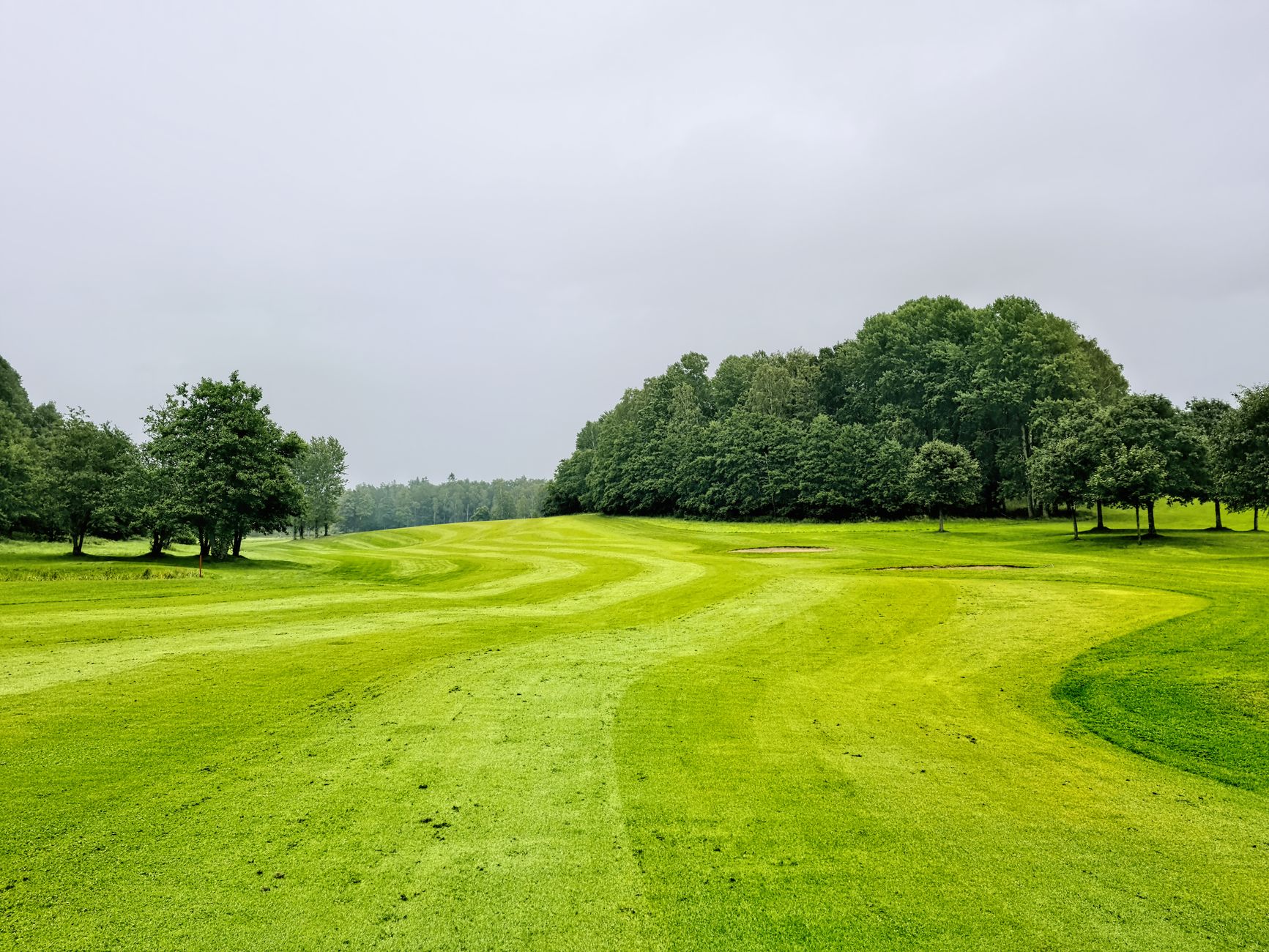
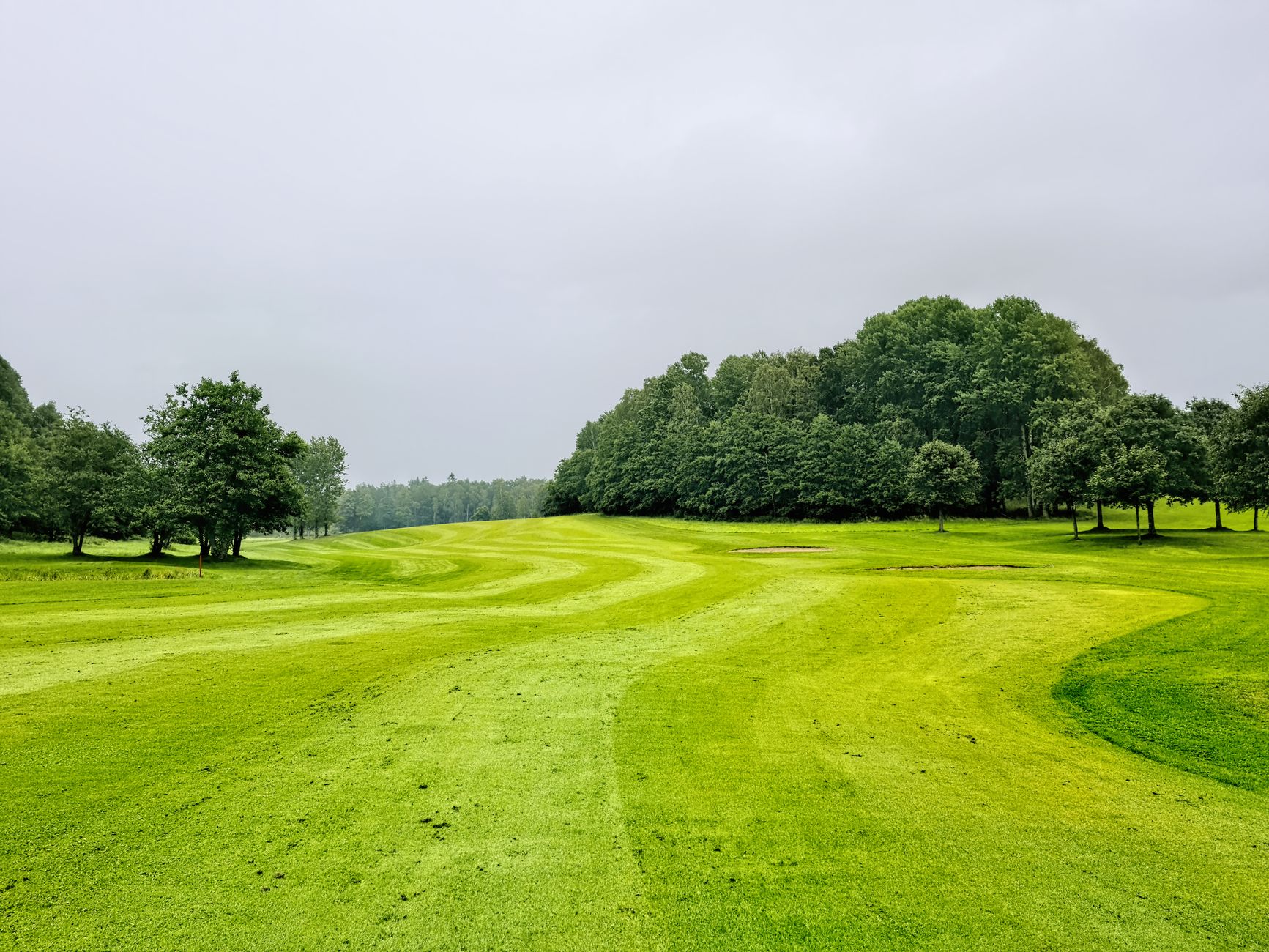
Greens, tees, collars and bunker faces stay with the crew. Fairways and much of the rough can run on an autonomous mower's schedule, and the crew's hours move toward the close, detailed work that decides how a hole plays and how it looks to members.
The clearest field view we found comes from a beta site. A Golfdom digital edition dated November and December 2025 describes a superintendent who used the autonomous mower as supplemental help on fairways, not as a replacement for the crew. We read only a summary of that article, so check the original before quoting it.
The split is a management choice rather than a written rule. We found no USGA rule that names which turf must stay hand-mowed.
What the autonomous mower can run on its own
According to the same beta summary, the unit has a seat and can be driven manually. It cannot move itself across streets or through residential areas, and it stays within the mapped fairway pattern. When something needs attention, it sends a text alert to the supervisor.
Toro says its autonomous fairway mower was designed with an operator seat and steering wheel for manual operation when needed. That is the vendor's description. Toro has also rolled out an autonomous mower fleet with Reesink, though the sources we checked did not confirm a unit count, so we leave that figure out.
Why greens stay with hand crews
USGA Green Section Record material from 2016 describes robotic greens mowers as freeing staff for ball-mark repair and hole changes, and as possibly reducing rolling. Those are observational claims from users, not controlled findings, so read them as field impressions.
Older USGA Green Section material is more direct on the walk mower question. It says walk mowing has consistently shown the best playing conditions and healthiest turf for greens. That guidance predates widespread robotic use, so it is still the baseline your crew should measure against.
Collars, tees and bunkers still need hands and eyes
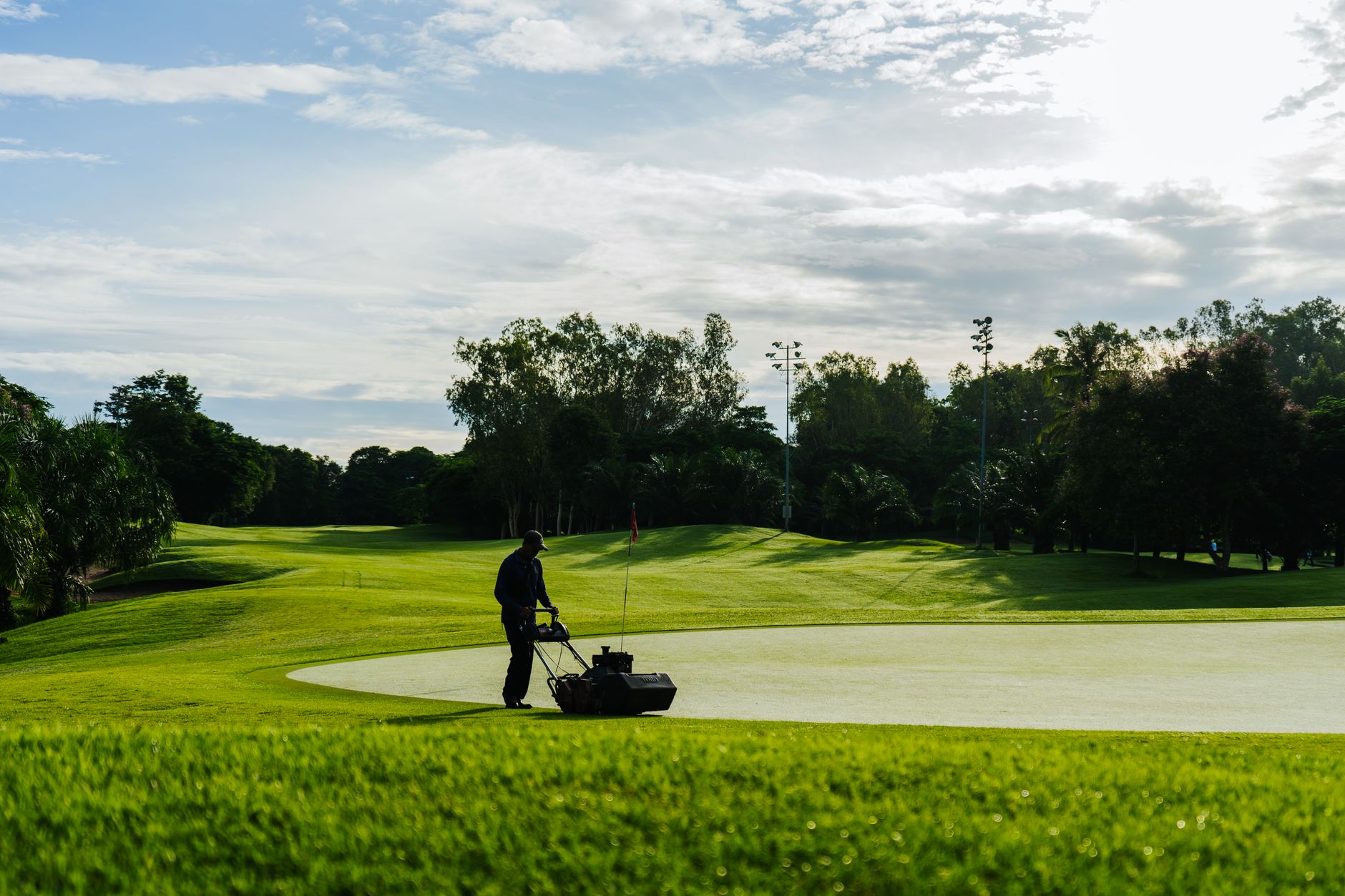
Collars get the closest reading. Observational USGA notes say robotic mowers reduce the risk of scalping collars, and that turning radius can be adjusted to limit damage to green surrounds. Even so, the edges, transitions and wet spots around a green are where a crew lead should walk the pass rather than trust the map.
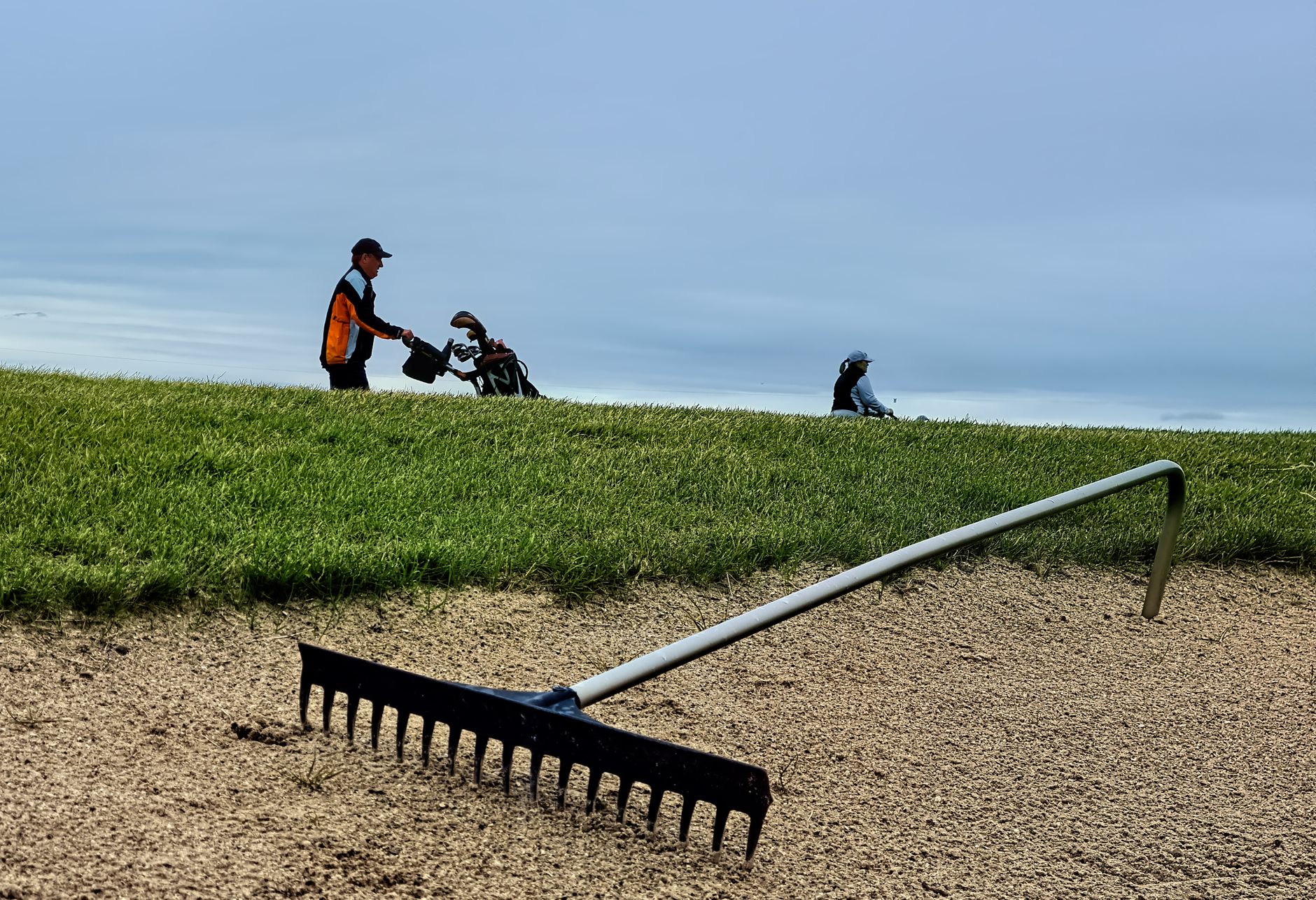
Bunkers are the clearest case. A 2017 USGA case study found that at one club, severe bunker slopes still required frequent hand raking. Tee and detail work follows the same logic: the job is the finish, and finishing still reads as crew work.
Fairways and rough where schedules pay off
Fairways are the work the machine was built for, and they are where a fixed schedule pays off. According to Golf Business News, autonomous mowers helped The Belfry keep conditions through rain-affected Husqvarna British Masters play. That coverage is trade and vendor reporting, and it gave no turf-quality figures, so it shows how the mowers were used during a difficult event rather than measured results.
Husqvarna also brought autonomous mowing to the 2026 U.S. Senior Women's Open, according to its own press release. Event exposure helps members see the machines at work, but it is manufacturer messaging, and the release does not measure turf outcomes.
How to explain the split to your crew
Tell the crew which passes belong to them before the machine runs its first fairway. Name greens, tees, collars and bunker faces as hand work, and keep the same people on them each week. Staff who see their role written down are less likely to read the mower as a threat.
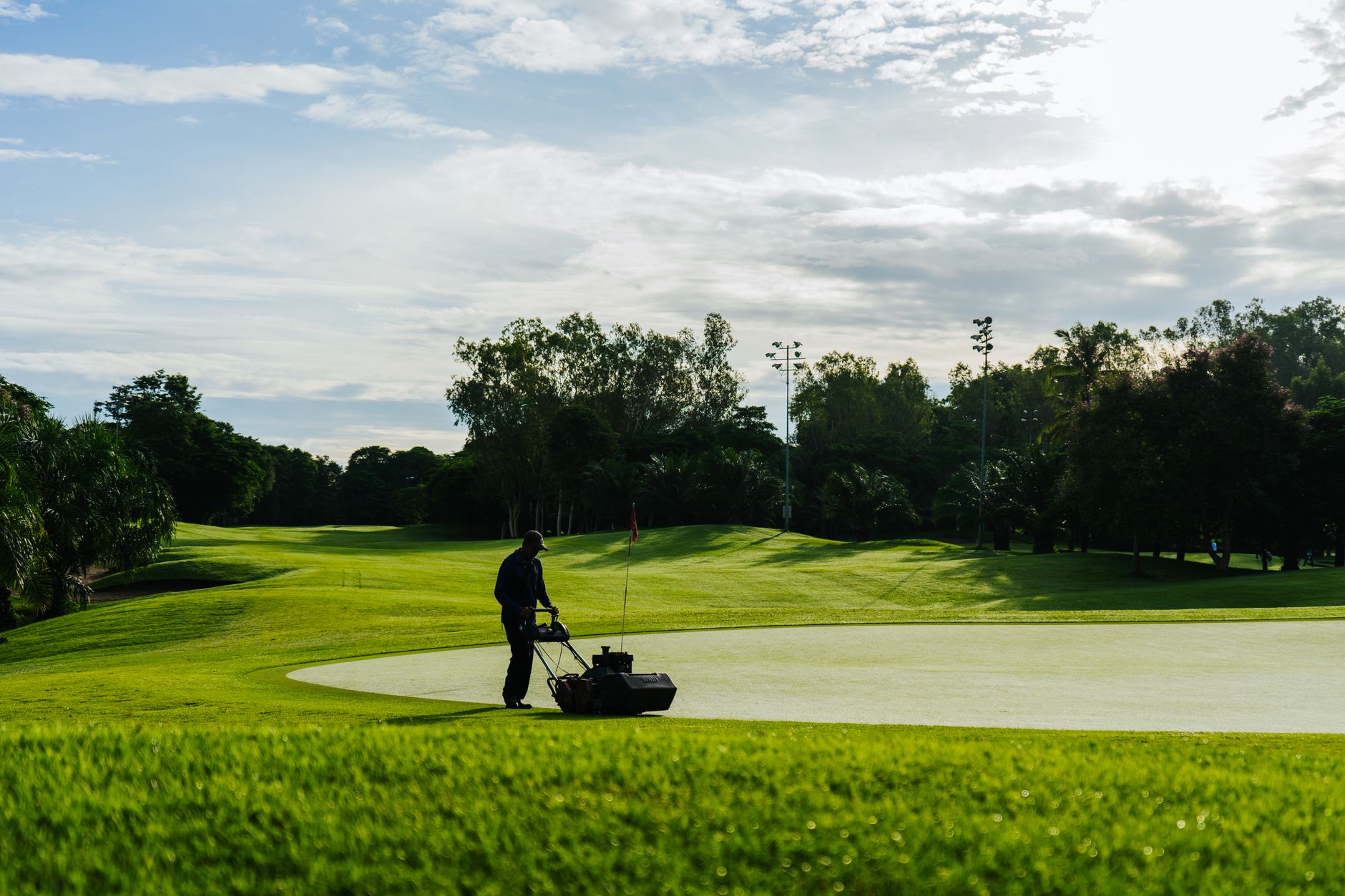
Give the supervisor role a clear job: read the text alerts, check the mapped fairway edge at the start of each run, and log what the mower left behind. That turns a machine that runs on a schedule into work someone is accountable for.
How to explain the split to members
Members notice stripes and edges before they notice a machine. Lead with what stays hand-done, because greens and bunkers are where members judge the course most closely. Then explain the fairway schedule in plain terms: passes run at set times, and a person checks the result.
Be direct about the limits. The mower does not work near streets or through residential areas, and it does not replace the crew's detail passes. Members tend to trust a plan that names what it cannot do.
Where a lease fits your crew plan
Service Robot Co. leases robots for US businesses through financing, then deploys, integrates, trains and services them under RoboCare, our service plan, backed by regional service engineers in every state we service. We select robots across manufacturers, so the machine that fits your course is chosen on its merits, not from one catalog.
A customer's robot lease is quoted after a site assessment, and the result is one fixed robot lease payment on a three-year lease. The same team handles setup and service across that term. Start with the zones you can map cleanly, and keep the greens crew where it is.
What to verify before you trust the split
Check three things before you commit hours to a plan. First, confirm the issue date and content of the beta report, since we could read only a summary of the Golfdom edition. Second, treat vendor claims as vendor claims, including Toro's manual-driving design and Husqvarna's event messaging.
Third, ask for your own run logs. The sources here give no verified unit counts or turf-quality figures, so the case for your course has to come from your own mapped fairways, your alerts and your crew's hours.
Frequently asked questions
Want a robot working for you?
Tell us the job and the site. We will recommend the robot, quote the lease, and keep it serviced.
Sources
- Golfdom digital edition, November and December 2025 (beta-site summary)
- Golf Business News: Toro rolls out autonomous mower fleet with Reesink
- Golf Course Industry: A look into Toro's Autonomous Fairway Mower
- Golf Business News: Autonomous mowers help The Belfry maintain conditions during rain-affected Husqvarna British Masters
- USGA Green Section Record: Working remote (2016)
- USGA: Maximizing productivity with robotic mowers (2017 case study)
- Husqvarna press room: autonomous mowing at the 2026 U.S. Senior Women's Open