Key takeaways
- Treat any single acres-per-day figure as a vendor claim until your own lawns confirm it.
- The 12-acres-per-day figure for PANDAG G1 is vendor-reported, and the 3 to 6 acre low end could not be confirmed on a spec sheet.
- Two or three representative lawns, logged for turf, slopes, obstacles and run time, are enough to test a claim.
- Divide measured area by active run time, then size the bid to your slowest logged lawn.
- Keep edging, trimming and cleanup in the crew plan, because a mower rate does not remove them.
What the 3-to-12 acres figure actually supports
A CES 2026 roundup described RTK-based mowers rated for 3 to 12 acres per day across golf courses, sports fields and enterprise sites. Read that range as a headline, not a specification. As of November 2026, the notes we could check did not show it as one product's rating, and the sources disagree on the low end.
The 12-acres-per-day figure has the most support. A gadget guide lists PANDAG's G1 at 12 acres per day with RTK and 4WD for golf, municipal and commercial sites, with pricing listed as TBD for 2026. Ope-plus reports the same CES figure with a 48-inch cutting width and notes that it is the company's claim.
The 3 to 6 acre figure is attributed to Segway Navimow's Terranox in a landscaping trade piece, but other snippets conflict on it. We did not confirm it against a Navimow spec sheet, so we would not quote it in a bid. Navimow describes Terranox as its enterprise line, with remote fleet control for landscaping companies and country clubs.
Why per-charge and per-day numbers get mixed up
PANDAG's 2025 releases used different units. A June 2025 release listed up to 15 acres per charge across 8, 12 or 16 kWh battery options. An August 2025 Australian release listed up to 25 acres on one charge, with slopes up to 78 percent. Those look like per-charge figures for earlier configurations, not daily ratings.
The CES-era claims add slope and signal figures. A U.S. EQUIP EXPO 2026 announcement carried by Thailand Business News repeats the 12-acre figure and adds slopes of up to 38 degrees. PANDAG also says its LiDAR version keeps working where RTK signal is intermittent, such as under tree cover or among solar panels. Those are vendor statements, and each one is a place where a client lawn can differ from a brochure.
Picking two or three representative lawns
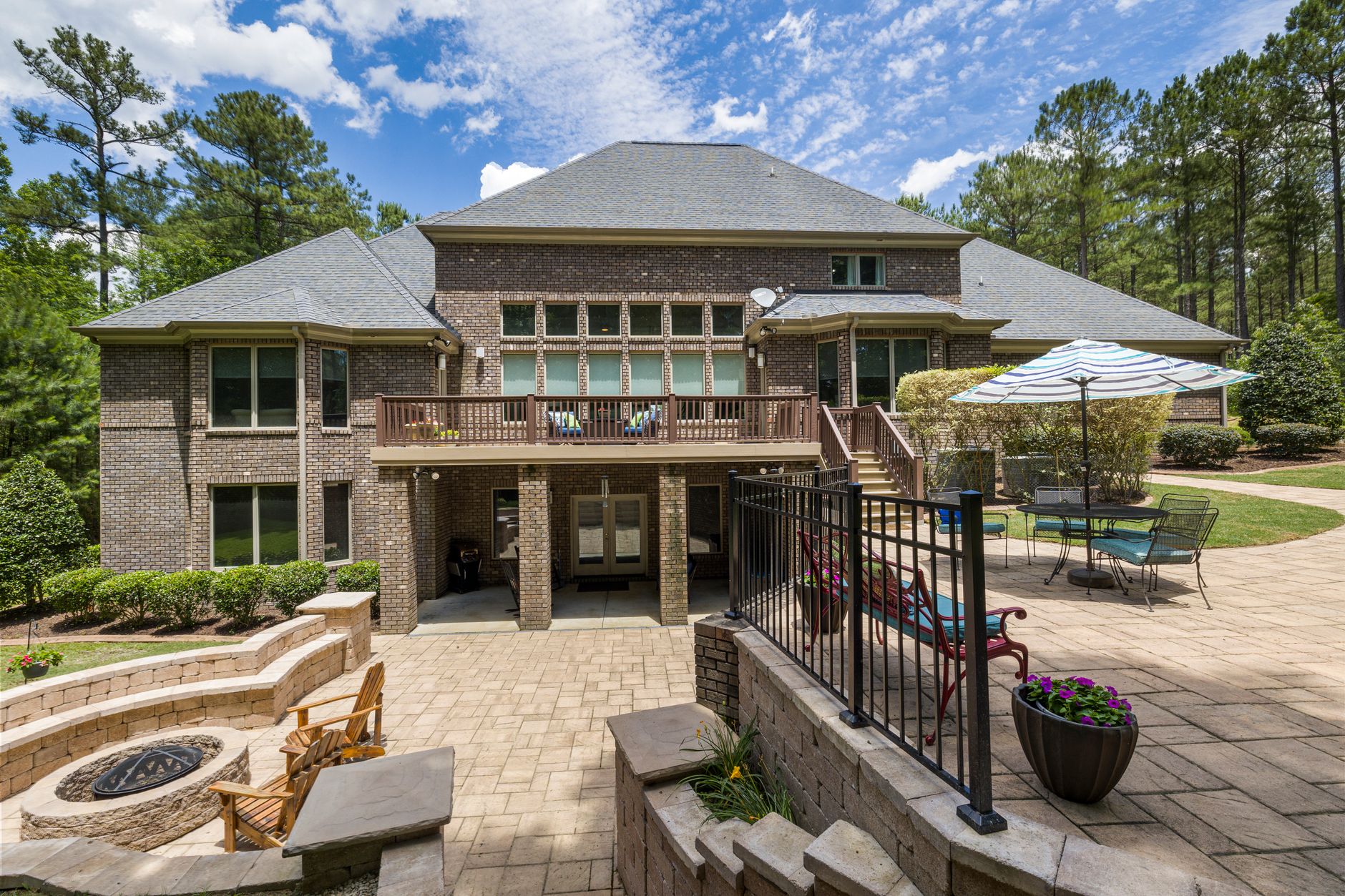
Choose lawns that show the spread of your book, not the best site you have. One large open turf area, one lawn with real grade and one with beds, trees or fixtures usually covers the range. Two or three lawns is enough when they differ from each other, and a fourth similar lawn adds time without adding information.
Record these for each test lawn before the first run:
- Total mowable turf area, from a site plan or a measured walk
- Open turf compared with area blocked by beds, trees, walls or fixtures
- Slope range, measured where the grade changes
- Obstacle count and the spacing between them
- Tree canopy or structures that could weaken satellite signal
- Run time for each session, with every pause and charging stop logged
What to record during each test run

Run the mower the way a normal working day would run it, not on a calm morning with a fresh battery. Log start and stop times, the reason for every stop, and any path that needed a manual move. Note the weather and the state of the turf, since wet grass changes traction and cut time.
Ask the vendor which configuration and battery option the daily figure assumes, then write the answer on the log. The notes did not show whether a daily figure assumes a specific configuration or a working day, so the test has to answer that for your own lawns.
Turning logged runs into an acres-per-day number
Divide the mowed area by the active run time to get a rate for each lawn. Then scale that rate to the hours your crew actually schedules the mower, after subtracting the logged stops and charging time. Keep each lawn separate so the slow route does not hide inside an average.
Size the bid to the slowest lawn in the route, not the best one. A route with heavy grade or dense obstacles should be quoted from its own log, even when the open lawns beat the launch figure. The number you can trust is the one that holds on your worst logged lawn, and on a mixed property it may sit well below the headline.
Where the bid changes, and where crews still work
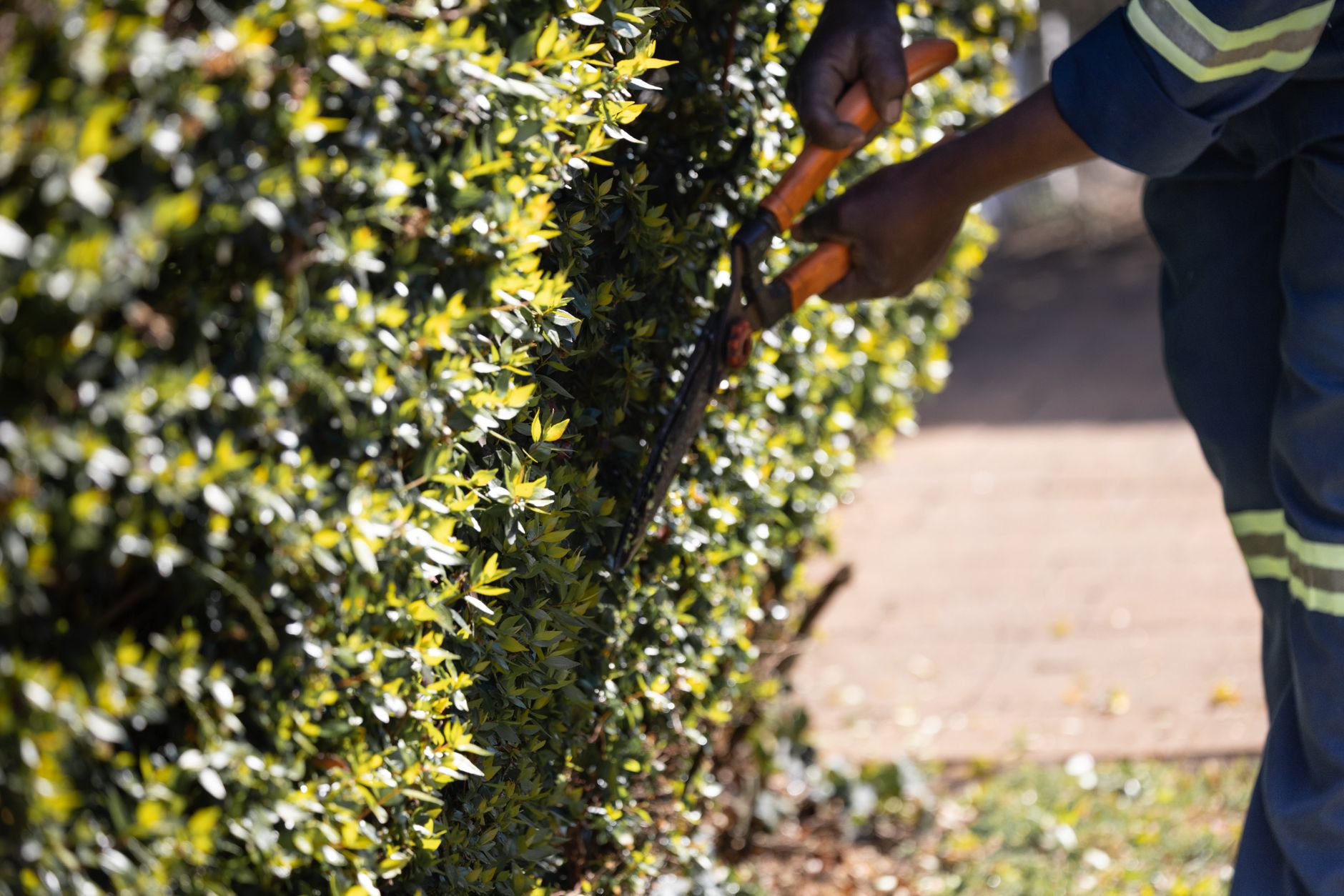
A verified mower rate changes the arithmetic of a route. It does not remove the trimming, edging, bed work and cleanup that clients judge after every visit. Keep those hours in the crew plan, and let the robot take the open turf the log supports.
Service Robot Co. is OEM-neutral, so we match the robot to the lawn rather than to one brand. We offer commercial robot leasing on a 3-year lease, with one fixed payment quoted after a site assessment, and each unit is serviced under RoboCare by regional service engineers in the states we service. The site assessment is the natural place to record the test lawns described above.
What to ask a vendor before you trust a figure
Ask for the conditions behind the number: slope, obstacle density, signal environment and the working day it assumes. Ask whether the figure is per charge or per day, and for which battery option. Ask what happens when the mower stops on a lawn you did not test, because a rate is only as useful as the service behind it.
Frequently asked questions
Want a robot working for you?
Tell us the job and the site. We will recommend the robot, quote the lease, and keep it serviced.
Sources
- The Gadgeteer: The Best Robotic Mowers of CES 2026
- Ope-Plus: PANDAG shows G1 autonomous commercial mower with LiDAR at CES 2026
- Landscape and Amenity: Segway Navimow expands robotic mower lineup
- Thailand Business News: PANDAG G1 headline spec at U.S. EQUIP EXPO 2026
- Finanzen.net: PANDAG to showcase G1 commercial autonomous mower with LiDAR at CES 2026
- Newsfile Corp: PANDAG June 2025 release
- AAP: PANDAG August 2025 Australian release
- TechRadar: Segway Navimow at CES 2026