Key takeaways
- Robot passes cover broad fairway acreage on a repeatable line, while collars, fringes and transitions still need a trained eye.
- The USGA says robotic mowers virtually eliminate the chance of scalping collars, which protects the edge without finishing it.
- Operators still fix ball marks, move holes, rake greenside bunkers and blow debris off greens.
- Labor is the binding constraint: a 2022 GCSAA survey found 63 percent rated the labor market bad or very bad.
- Precision claims from manufacturers are reported, not independently measured, so test them on your own turf.
Short answer: robots take the acreage, crews take the edges
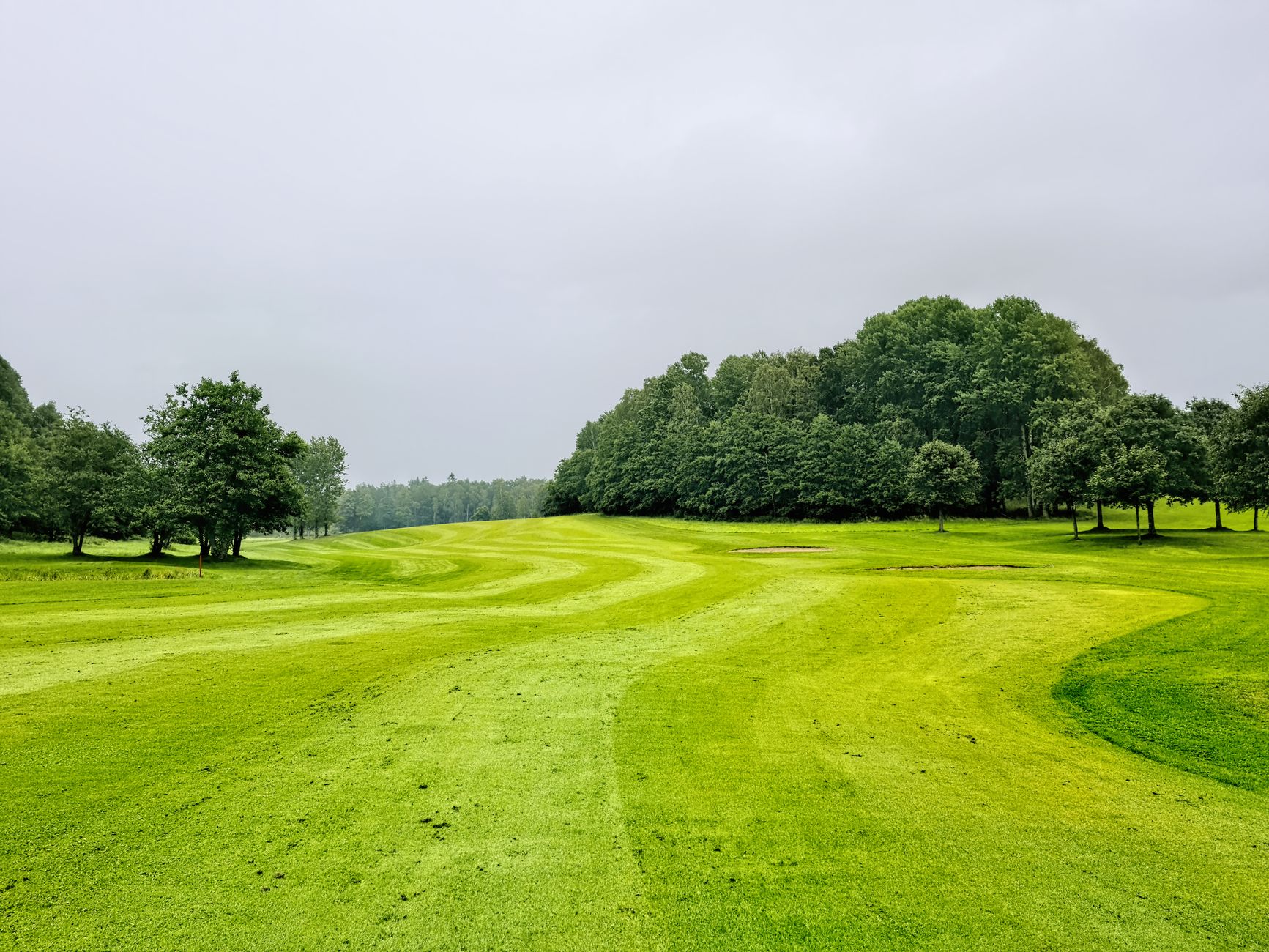
Autonomous mowers handle the broad passes on fairways and open turf, where a repeatable line matters more than a trained eye. Practice green fringes, collars and the transitions around them still belong to experienced staff, because the look of an edge is judged by a person standing on it.
Treat the robot pass as the first step of the day, not a replacement for detail work. Keep hand trimming on the crew calendar with named people, so it does not become whatever time is left after the mower finishes.
What a robot pass handles well, and where it stops
According to the USGA, robotic mowers virtually eliminate the chance of scalping collars, and turning radius can be adjusted to reduce turf damage on green surrounds. That protects the collar from damage. It does not finish the fringe, and nothing in the sources reviewed shows a club that dropped hand trimming there.
Golf Monthly reports that GPS guided systems can hold fairway edges, semi rough transitions and architectural lines to within a few centimeters. Those are vendor supported claims, reported here rather than measured independently, so run your own edge checks before you write them into a crew plan.
Husqvarna states that robotic mowers reduce manual labor and let crews focus on other tasks. As of November 2026, that is a manufacturer claim with no hours figure attached, so it describes the goal rather than a measured result.
What still needs hands on the course
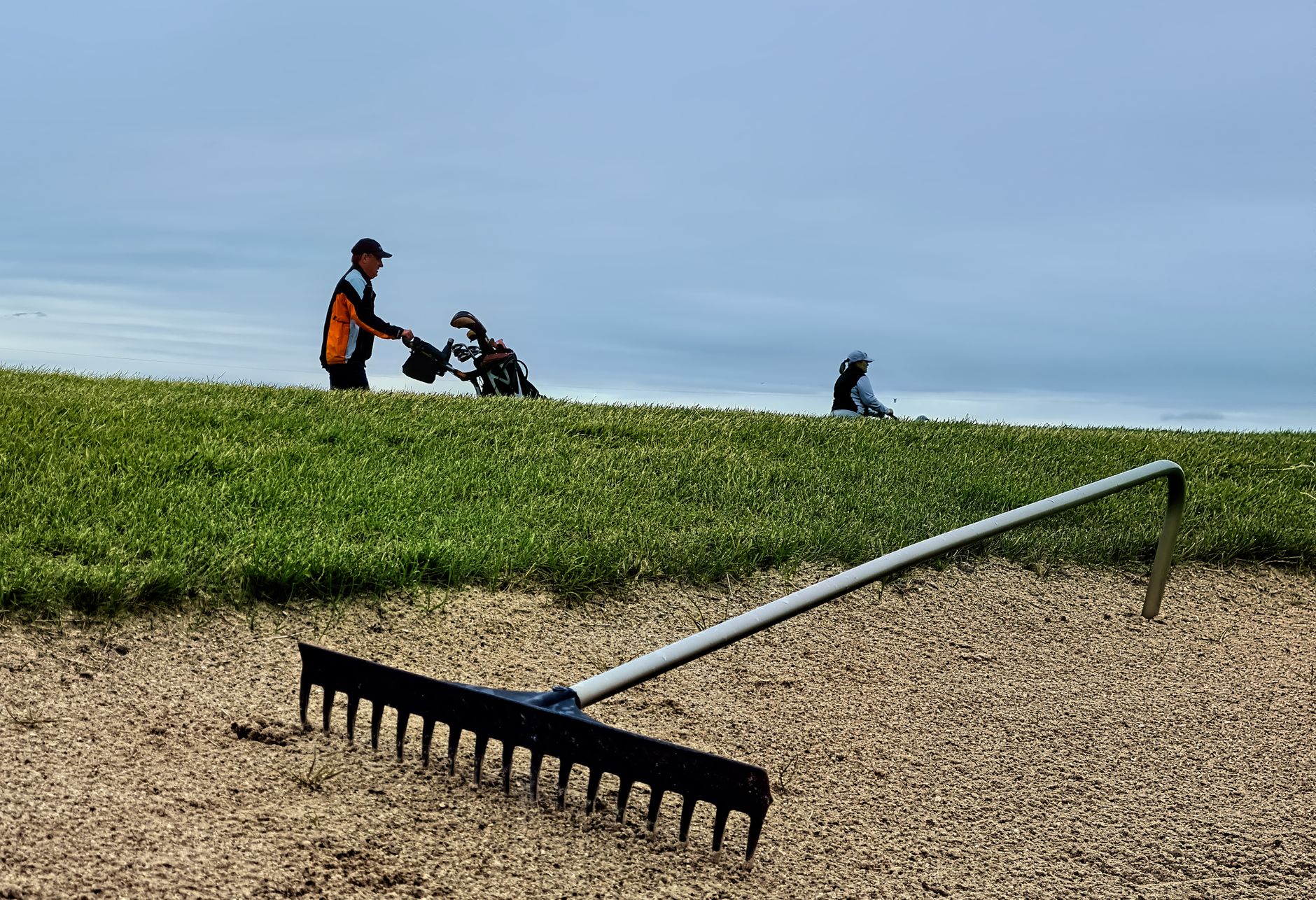
At The Presidio in San Francisco, a worker hand raked greenside bunkers while a robot cut a green. According to GolfAdvisor, the club's manager credited the mowers with freeing staff to finish an in house bunker renovation. The pattern is useful: the robot takes the repetitive pass so a person takes the work that needs judgment.
The USGA names the work that still falls to operators on a managed course, and none of it is solved by an autonomous pass:
- Fixing ball marks
- Moving hole locations
- Hand raking greenside bunkers
- Blowing debris off greens
Why crew hours are the real constraint
A 2022 GCSAA labor survey found 63 percent of respondents rated the labor market bad or very bad, the same share as in 2019. The share was 19 percent in 2012 and 45 percent in 2016. We did not find a 2025 GCSAA labor figure, so the 2022 result is the most recent verified point in this piece.
According to a USGA Green Section article citing the 2024 GCSAA Maintenance Budget Survey, average labor expenditures rose 17 percent from 2022 to 2024. The same article reports 'lack of qualified/skilled labor' as the top concern in a Green Section survey.
GCSAA surveys describe general maintenance staff and equipment operators as the hardest positions to fill and keep, according to GCMonline. Detail work is exactly where that gap bites, because the person who knows how a collar should look is often the one pulled to another task.
A sequence for detail work after robot passes
Work the sequence in this order on every robot day. It keeps experienced staff on the edges, gives the robot pass a check before anyone trims, and leaves the cleanup for last so nobody sweeps twice.
- Check the finished pass for missed strips and stalled zones before anyone walks the surround.
- Walk the green surround with the crew lead and mark collars, fringes and transitions that need hand work.
- Hand trim fringes and collars, working from the green outward so the cut stays clean.
- Rake greenside bunkers and clear debris off greens before the next play window.
- Log what was trimmed and what the robot missed, so next week's route reflects the real turf.
- Sweep clippings from walks, cart paths and hard surfaces last.
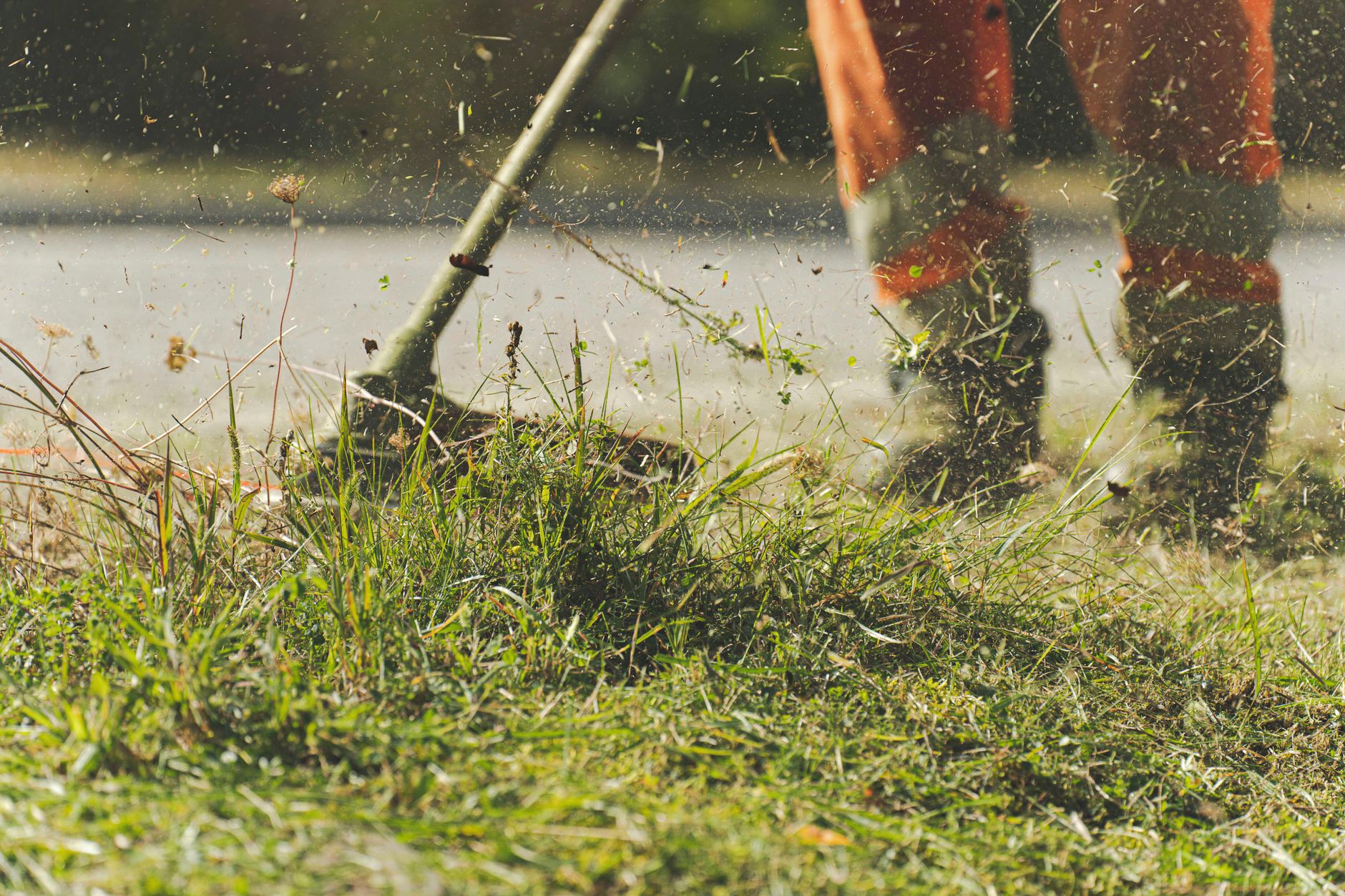
Keep experienced staff on the high skill work
Put the most experienced staff on the fringe and collar work, and let a less experienced operator supervise the robot pass and keep the run logs. That protects the judgment the robot cannot copy and gives newer staff a daily view of how an edge is read.
Wallenried Golf Club in Switzerland has run nine robotic mowers since July 2023, according to Belrobotics, a vendor report we did not independently check for staffing. The number is less useful than the crew question behind it: who does the detail work while the mowers are running.
How Service Robot Co. fits the fairway and green crew plan
Service Robot Co. is an OEM neutral integrator for US businesses. We pick the right robots across manufacturers, lease them through financing on a 3 year term with one fixed lease payment quoted after a site assessment, then deploy, integrate, train and service every unit under RoboCare.
For a golf property, that means one partner handles the mower setup, go live support and maintenance calls, so the superintendent is not chasing separate vendors while the detail crew waits. The lease covers the robots and their service. It does not replace the people who trim the fringe.
Frequently asked questions
Want a robot working for you?
Tell us the job and the site. We will recommend the robot, quote the lease, and keep it serviced.
Sources
- Golf Course Trades: superintendents and maintenance labor shortage
- GCMonline: golf course labor
- USGA Green Section Record: Investing in staff is critical for success
- USGA West Region: Four for the price of one
- Golf Monthly: How robot mowers are transforming golf courses
- GolfAdvisor: Robotic greens mower at The Presidio
- Belrobotics blog
- Husqvarna: Fairway mowers for golf courses