Key takeaways
- The FY2026 supplemental H-2B total is reported at 64,716, but reports conflict, so confirm it with USCIS.
- The petition date, not the arrival date, sets the real seasonal deadline.
- Estimates of landscaping's share of H-2B use range from over 31.3 percent to about 40 percent, depending on the source.
- Build the base crew on hires you control, and put seasonal arrivals behind a dated decision point.
- A robot mower lease can hold routine mowing hours steady when a seasonal seat stays empty.
What changed in the H-2B supply for 2026
H-2B is the temporary seasonal worker program that many landscape firms rely on for spring and summer crews. The statutory cap is 66,000 visas a year. According to SHRM, DHS and DOL made 64,716 supplemental H-2B visas available for fiscal year 2026, roughly doubling the statutory number, and 46,226 of those were reserved for returning workers.
The Federal Register temporary final rule sets the supplemental cap at up to 64,716. As Envoy Global summarizes it, the first tranche covers 18,490 visas limited to workers who held H-2B status in fiscal years 2023, 2024 or 2025. Petitioners must also keep attestation documentation for three years, so your paperwork needs to be as careful as your recruiting.
Why the headline number can mislead a planner
A published total is not the same as visas in your hands. Bloomberg Law reported that DOL would release 35,000 supplemental visas and that the program was cut by half, a figure that conflicts with the 64,716 total. We could not settle that gap from an official page, so treat both numbers as unconfirmed until USCIS posts its own counts.
Several FY2026 supplemental windows also appear closed as of November 2026. A crew plan built on last year's open window is a plan built on a door that may already be shut.
The filing clock sets your real deadline
Envoy Global reports that USCIS rejects new cap subject petitions received after March 10 for start dates from April 1 to September 30, 2026. A second supplemental allocation added 27,736 visas for April 2026 start dates, according to Staffing Industry reporting.
For a mowing firm, the date that matters is the petition date, not the day a worker lands. If the window closes before you file, the arrival you planned around never happens, and the crew gap shows up in the first week of mowing season.

How much of your crew should depend on one visa program?
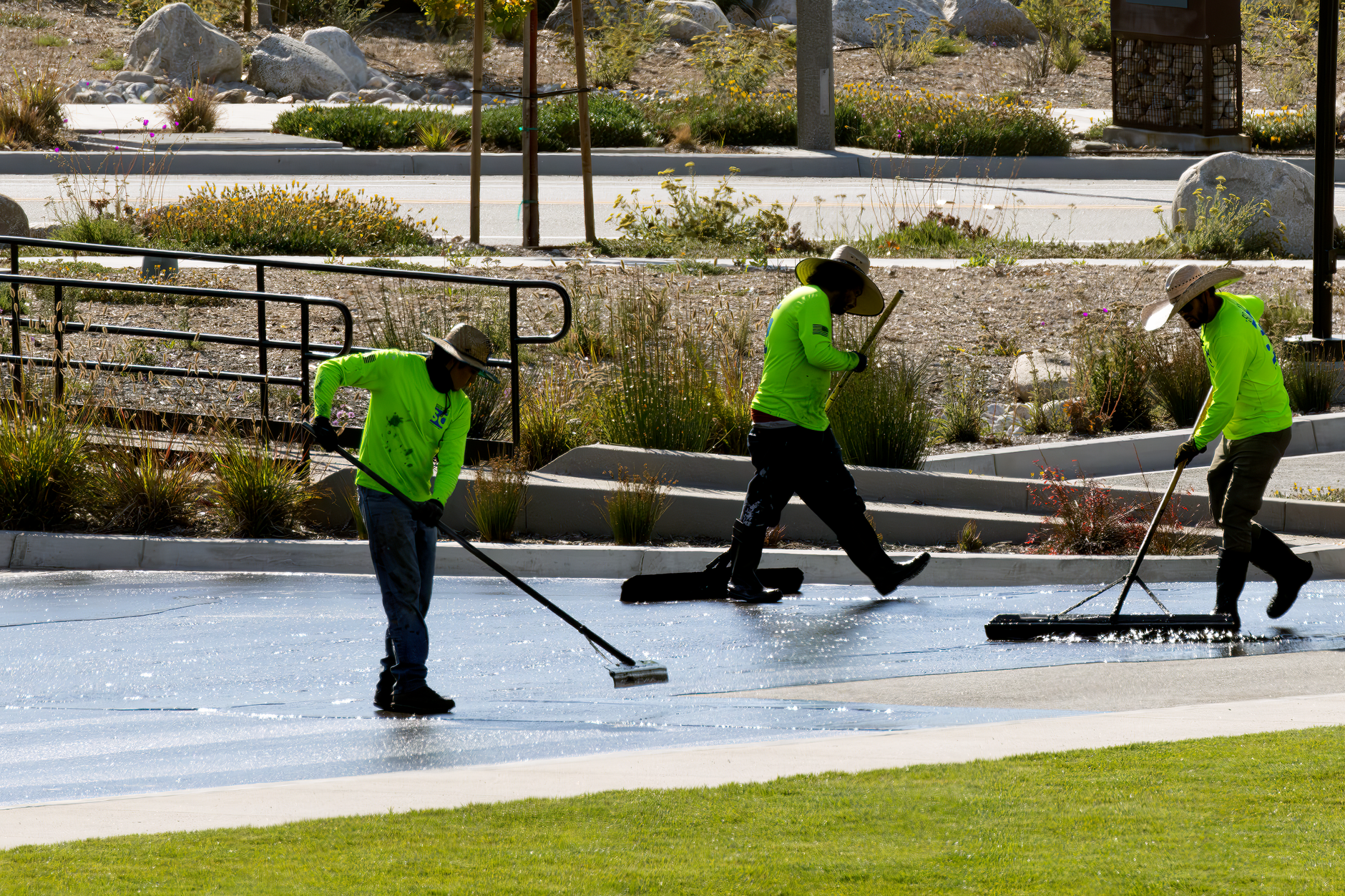
Industry shares differ by source. NALP's Andrew Bray, speaking on a Green Industry Pros podcast, puts landscape firms at about 40 percent of H-2B users, the largest industry share. The same episode advises treating H-2B above 40 percent of a workforce as a risk and building other channels, such as veterans groups and community colleges.
The American Immigration Council reports that landscaping services held the largest share of H-2B labor certifications, over 31.3 percent. It ties ongoing demand to retiring baby boomers and to low interest among young US born workers in physically intensive seasonal jobs. Those are industry-wide numbers. Your own share of seasonal hours is the figure that should drive the decision, and one season of logs is enough to find it.
Planning capacity without assuming arrivals on time
Treat a seasonal arrival as a probability, not a calendar entry. Build the spring plan on the crew you can count on in February, then add flex capacity behind a dated decision point, so the choice is made before the first contract slips.
- Set a go or no go date for the seasonal group, and write a fallback crew assignment for each route before that date arrives.
- Rank contracts by client visibility and mowing deadline, then protect the top tier with year round staff.
- Pull last season's hours by route, so the shortfall is measured in hours instead of estimated from memory.
Where robot mowing fits the plan
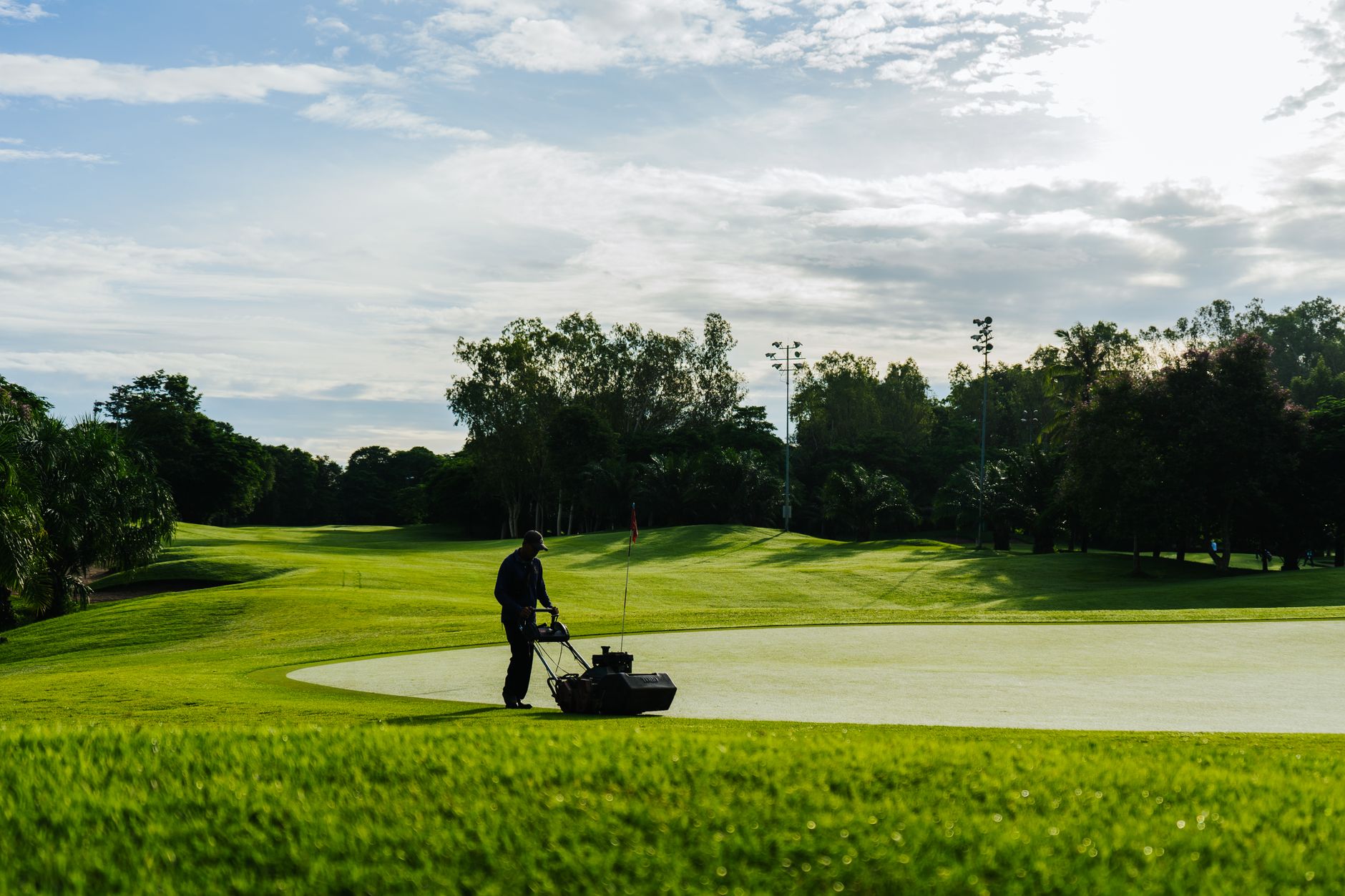
A robot mower is one way to hold mowing hours steady when a seasonal seat stays empty. It handles repetitive passes on open turf on its own schedule, which leaves the crew members you do have free for trimming, edging and the detail work that still needs hands.
Service Robot Co. is an OEM neutral commercial robot integrator for US businesses. We choose robots across manufacturers, lease them through financing on a 3 year lease, and quote one fixed lease payment after a site assessment. We then deploy, integrate, train and service every unit under RoboCare, our service plan, backed by regional service engineers in each state we serve.
Start small. A lease on one unit, on a site your crew already knows well, gives you measured hours before you change any contract. That record is what an owner or a board will ask for, and it is far easier to build in March than in the middle of a missed spring.
Checking the numbers before you commit
Confirm the FY2026 supplemental position on the USCIS H-2B page, and check the FY2027 cap on its own, because this review did not verify it. Pair those facts with your own route hours and your own count of returning workers before you decide how much of the season can depend on arrivals.
Verify every count you cite in a bid or a board memo. Figures taken from a headline may not survive a second look, and a wrong total in front of a client costs more than a slower start.
Frequently asked questions
Want a robot working for you?
Tell us the job and the site. We will recommend the robot, quote the lease, and keep it serviced.
Sources
- SHRM: Trump doubles number of H-2B visas for 2026
- Federal Register temporary final rule, FY2026 supplemental H-2B visas
- Envoy Global: DHS and DOL announce up to 64,716 supplemental H-2B visas for FY 2026
- Envoy Global: Cap reached for first allocation of returning worker H-2B visas for FY 2026
- Staffing Industry: Cap reached for second round of supplemental H-2Bs
- Bloomberg Law: Trump slashes supplemental seasonal H-2B work visas by half
- Green Industry Pros podcast with NALP's Andrew Bray
- American Immigration Council: H-2B Workers in the United States