Key takeaways
- Yes, faster and higher-payload cobots are moving some mid-sized packaging lines from marginal ROI to workable ROI.
- The strongest fit is the gray zone between hand packing and fully fenced automation, especially light palletizing, case handling, and repetitive end of line moves.
- Labor pressure is still real: BLS counted 379,060 packaging and filling machine operators in May 2025, and PMMI says 95% of surveyed CPG companies struggle to hire skilled operators and technicians.
- The economics improve most when one cell can absorb repetitive lifts, protect throughput during hiring gaps, and avoid a larger fenced capital project.
- Integration discipline still decides the outcome: line rate, infeed consistency, guarding strategy, tooling, and service coverage matter more than the robot spec sheet alone.
Are faster cobots really changing the economics for mid-sized packaging lines?
Yes, in a narrower but meaningful slice of packaging. Faster, higher-payload collaborative robots are starting to make sense on mid-sized lines that used to reject cobot cells as too slow for real throughput, especially in end of line automation where cartons, trays, pouches, bundles, and light cases move in steady patterns.
The shift is not that cobots suddenly replace every fenced cell. It is that the performance gap has narrowed enough to change the buy decision for manufacturers stuck between manual labor and conventional automation. If your line has moderate speed, frequent labor gaps, and repetitive lifts that do not justify a large custom system, the math is improving.
The best current evidence is concrete. On April 22, 2026, a major robotics manufacturer launched a new collaborative family with payloads from 7 kilograms to 30 kilograms and a stated top speed of 5.8 meters per second, while also saying the collaborative robot market is expected to grow about 20 percent annually through 2028. That is exactly the kind of spec jump that matters on packaging floors, because payload and cycle time are what used to kill many cobot business cases first.
Why were so many mid-sized plants stuck in the middle before?
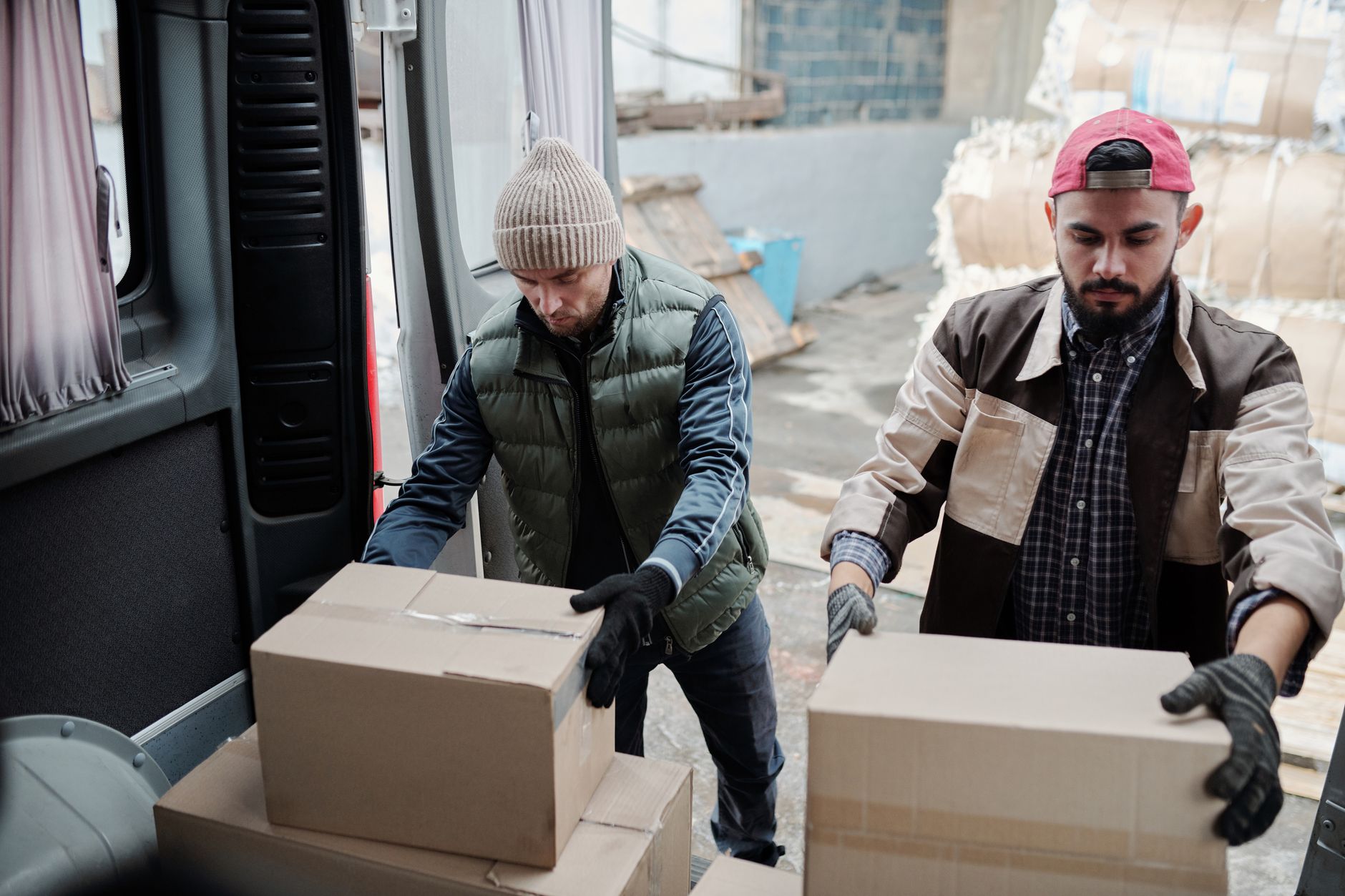
Mid-sized manufacturers have long faced an awkward choice. Manual packing is flexible, but hard to staff consistently. Traditional fenced automation can deliver high throughput, but the project size, floor-space demands, and integration burden often feel oversized for a regional food, beverage, consumer goods, or contract packaging operation.
That middle band is wider than many people admit. PMMI reported in December 2025 that 95 percent of surveyed consumer packaged goods companies were struggling to hire skilled operators and technicians, and nearly 60 percent expected hiring issues to become somewhat or more demanding. A line that runs short one operator does not just lose labor efficiency. It can lose schedule confidence, changeover discipline, and shipment reliability.
BLS data adds another layer. The agency counted 379,060 packaging and filling machine operators and tenders in May 2025, with a mean hourly wage of $21.44. Those are not abstract labor numbers. They sit directly inside packaging economics when managers compare manual staffing, overtime, temp labor, and a collaborative robot arm rental or robot leasing for business structure that spreads cost across operating months instead of one large capital event.
What changed in the performance envelope?
For years, the objection was simple. Cobots were easy to deploy, but many were too light and too slow for packaging jobs that needed brisk picks, carton presentation, or sustained palletizing. The newest class is different because it pushes both payload and motion hard enough to serve more industrial packaging work without jumping all the way to a full fenced architecture.
That matters because packaging does not reward only peak speed. It rewards useful speed. A cobot that can handle heavier end effectors, longer reach, or multi-pick tooling can remove a handoff, reduce awkward operator touches, and keep pace with the surrounding conveyor logic. In many mid-sized plants, that is enough to tip the economics.
Broader adoption data supports the direction of travel. A3 reported that North American companies ordered 1,637 collaborative robots in the first quarter of 2026, up 55.6 percent year over year, and that cobots represented 18.1 percent of all robot units ordered in the quarter. IFR has also said cobots reached 10.5 percent of industrial robots installed worldwide in 2023. The category is still not the whole market, but it is no longer a niche curiosity either.
Where does the new math work best on a packaging line?
The payoff is strongest where packaging work is repetitive, ergonomic, and modestly variable. Think case packing, tray loading, machine tending around packaging equipment, light palletizing, and simple pick and place transfers between conveyor zones. In these jobs, higher payload and quicker motion directly widen the feasible throughput band.
It is weaker where the line is extremely fast, products are unstable, upstream presentation is messy, or the task needs a long uninterrupted duty cycle with almost no tolerance for pause or recovery. In those situations, the real bottleneck is often not the arm. It is infeed discipline, part orientation, gripper design, or the need for a more rigid cell architecture.
The practical screening questions are straightforward.
- Can the task be fed consistently enough that the robot is not waiting on bad presentation?
- Is the product mix narrow enough that tooling and recipes stay manageable?
- Does the payload include the gripper, not just the package?
- Will the cell remove a recurring labor constraint, not merely automate a task that was already well covered?
- Can the cobot keep line pace during normal operation and recover cleanly after stops, jams, and changeovers?
How do packaging economics actually improve?
The new economics are less about headline speed and more about project right-sizing. A mid-sized plant may not need a giant custom install. It may need one packaging cell that protects throughput on second shift, reduces awkward lifts, and keeps a line from depending on scarce operators for the most repetitive touches.
Packaging equipment demand itself shows why managers are choosy. PMMI said the U.S. packaging machinery market reached 11.3 billion dollars in sales in 2024, but forecast only 2.2 percent growth for 2025. In a market like that, buyers tend to favor targeted automation that fixes a stubborn constraint instead of broad plantwide bets.
There is also a human-factors angle. BLS found that 71.1 percent of packaging and filling machine operators and tenders worked at a consistent and generally fast pace, and that workload was controlled by machinery, equipment, or software for 61.2 percent of them. When a task is already machine-paced and repetitive, a faster cobot can fit naturally. It is not replacing craft work. It is taking over the strain-heavy repeat work that manual crews struggle to staff and sustain.
What should a mid-sized manufacturer watch before saying yes?
The risk is not buying too early. The risk is buying off the brochure. A faster cobot still needs disciplined cell design. If you ignore carton variability, slip sheets, conveyor gaps, stack pattern logic, label orientation, or pallet quality, the extra payload on paper will not rescue the project on the floor.
Safety architecture matters too. Collaborative does not mean consequence-free. Some packaging jobs remain better served by a more conventional cell once actual line speed, reach, pinch points, or tooling mass are evaluated. That is why the real decision is application-first, not marketing-first.
This is also where financing shape can influence adoption. Some manufacturers prefer lease rental or sale options, cobot rental for manufacturing, palletizing robot rental, monthly payment programs, or no upfront capital structures because they let the cell prove itself against production targets before a broader rollout. The funding format does not create ROI, but it can make a good project easier to approve.
What does this mean for Service Robot Co. customers?
For a company like Service Robot Co., this trend favors an OEM-neutral, application-led approach. Mid-sized packaging operations do not need a lecture about robots in general. They need someone to decide if a collaborative cell is finally fast enough for their real line, then finance, deploy, integrate, train, and service it without handing the plant off to five different vendors.
That is where a vendor neutral robot integrator earns its keep. Service Robot Co. can evaluate if the right answer is a collaborative robot arm rental, a purchased workcell, or a larger end of line automation design, then support robot deployment and integration through one nationwide service network. For buyers who want one partner, one number, and maintenance included, that whole-lifecycle model matters as much as the arm itself.
The larger point is simple. Faster, higher-payload cobots are not rewriting packaging economics everywhere. They are redrawing the boundary in a meaningful band of mid-sized work. Plants that were too busy for old cobots and too small for a full fenced project should take another look now.