Key takeaways
- Elevator calls and door control, more than navigation, usually decide where a hospital delivery route stalls.
- Legacy elevator controls can fail while the robot itself works, so the controller is the first thing to check.
- Pickup and drop handoffs add waiting that a floor map never shows.
- Verify trip counts from logs, and treat vendor milestones as claims until you see the underlying data.
- Map elevators, doors and handoffs before a pilot so the first weeks go to tuning, not discovery.
Where do hospital delivery robot routes break down?
Most hospital delivery robots do not stall because they cannot find their way down a corridor. They stall at three kinds of point: elevator calls and boarding, automatic or legacy doors, and the moments when a staff member has to load, unload or unlock something. A route that looks clean on a floor plan can lose minutes at each of these points, and those losses add up across a shift.
The practical answer for a facility team is to map those points before any robot arrives. Know which elevators the robot can actually call, which doors it can open or wait behind, and where people must touch the process. That inventory shows whether a pilot is feasible and where the first weeks will go.
How does a robot get into an elevator?
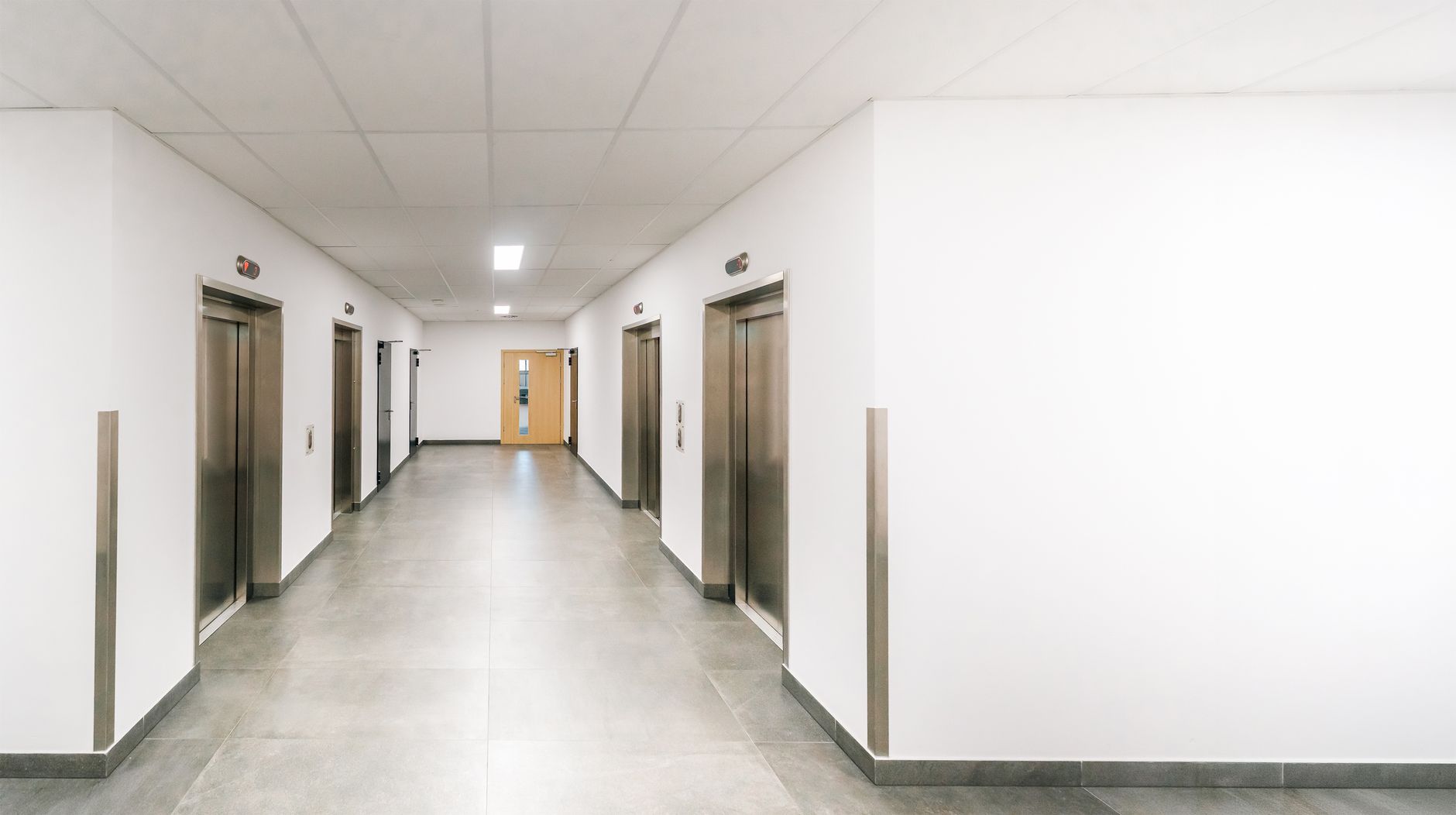
A delivery robot does not ride an elevator the way a passenger does. A Korean hospital field study described a medication robot that used a communication module on the elevator control panel to call the car and board it. The study logged elevator state, door status and robot commands, and it examined elevator operating rate and how that rate affects delivery success, delay and user experience. Feasibility under heavy congestion was still uncertain.
Patent filings in this field describe the same idea from the design side: a robot taking over building elevator control by communicating with the elevator's onboard electronics. A patent describes a design, not field performance, so read it as a statement of what the integration must do, not a promise of how it will behave in your building.
Vendor reporting shows the scale of this work across a fleet. Diligent Robotics, maker of the Moxi robot, said in a November 14, 2024 announcement that Moxi had passed more than 100,000 autonomous elevator rides across US health systems. That is the company's own figure, checked in November 2026, so it describes what the vendor logged, not how any single elevator performs.
Why do automatic doors and legacy controls stop a route?
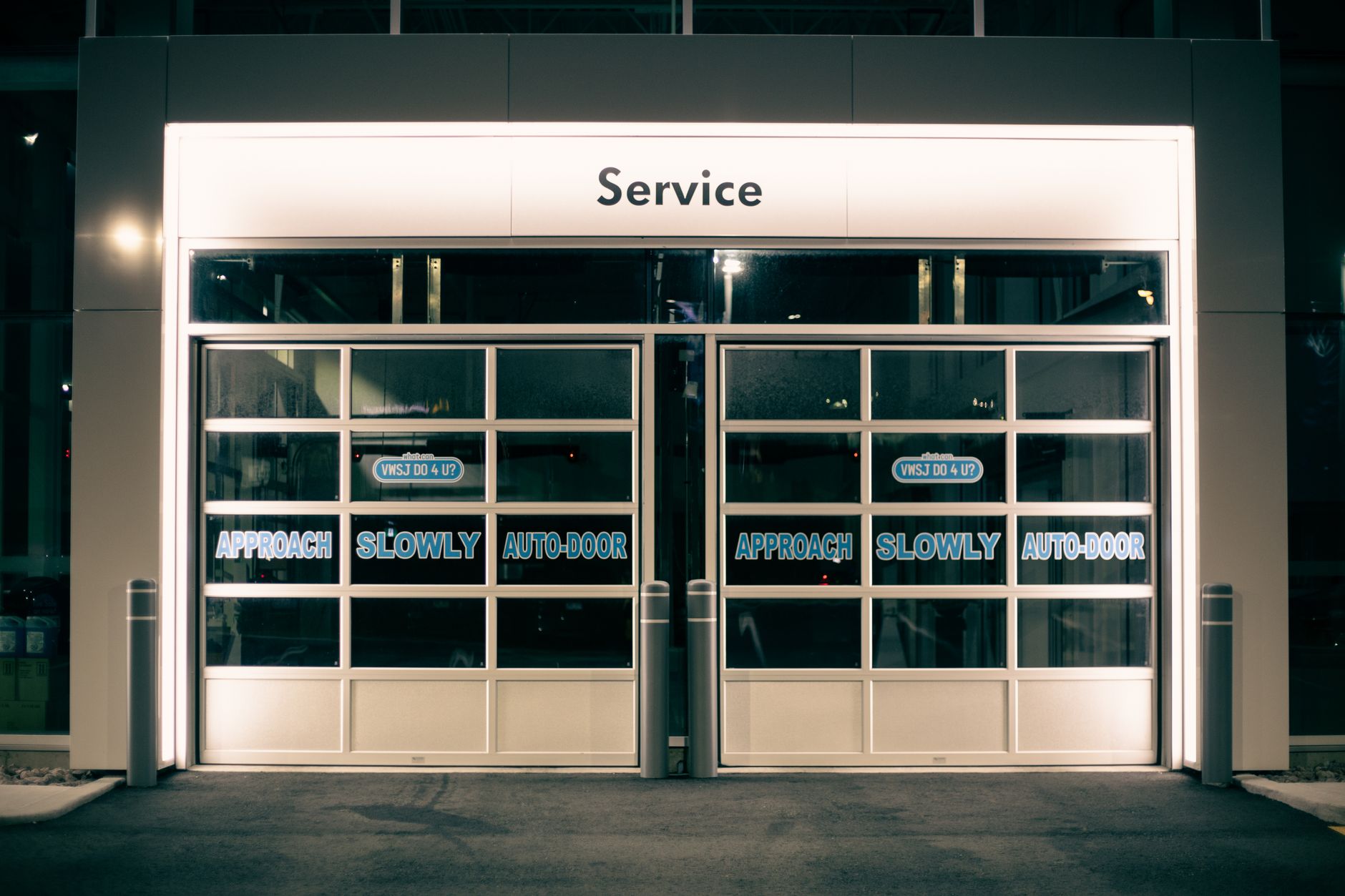
Doors are a separate integration problem. One patent describes a robot closing the circuit of an automatic door push button by wireless link to the door relay, a method it compares to a garage door opener. Another describes a dedicated interface that lets the robot operate the door's existing switch. Both are design approaches, and the right one depends on what your doors already have.
Legacy elevator controls are where field teams get surprised. A Fluke case study describes intermittent failures in which the elevator opened but the robot would not board, or the robot reached the floor without the doors opening. The robot was operating correctly. The faults sat in the elevator controls and were fixed by a service technician. Ask who answers that call before the pilot starts, not after the first stall.
Safety requirements add another layer. A vendor page on elevator integration describes hardwired emergency stops and reversing when doors close as requirements. The same page calls elevator integration the largest deployment barrier, but its statistics could not be verified, so they stay out of this article.
What do the Rochester Moxi figures actually show?
Rochester Regional Health is a common reference point, and it is easy to find a trip count that sounds finished. We searched for an August 2026 milestone of 100,000 hospital trips at Rochester General and Unity and found no published source for it. This article does not use that figure.
The verifiable Rochester material is older local reporting, dated about 2023. A pharmacy leader said the robots move medications, lab specimens and patient belongings, and that they were not there to replace jobs. The estimated workload was over about 200 hours a week. That is an estimate from a rollout period, not a trip log.
The 100,000 figure we did find belongs to Diligent Robotics and counts elevator rides across US health systems, reported in November 2024. Delivery trips and elevator rides are different units, so a headline count cannot be compared with a trip log until you know what was counted. Ask for timestamped logs with failure reasons instead of a single total.
Where do staff handoffs slow the route down?
Handoffs are the least visible stall. A robot may reach the right floor and still wait because a nurse has to unlock a medication cabinet, a runner has to find a specimen bag, or a pharmacy technician has to load the compartment. Those minutes never appear on a route diagram, but they show up as delivery delay, which the Korean study examined alongside elevator operating rate.
Each handoff needs an owner and a time window. Who loads, who receives, and how long the robot waits before it leaves without the item decide whether a route holds. Write these down before go live, because the first staff members to meet the robot will otherwise improvise.

What should a mapping checklist cover before a pilot?
A pre pilot survey should produce a list of points, each with a name, a condition and a responsible person. Walk the building at the hours the robot will work, not only mid morning, because elevator waits and door traffic change across a shift.
- Elevators: make and controller type, whether the vendor can reach the call and car interface, and who holds the service contract.
- Doors: which are automatic, which use push buttons or sensors, and each one's relay or switch and whether the robot can reach it.
- Handoffs: each pickup and drop, the staff role, the hours staffed, and where the robot waits.
- Peak loads: the elevator bank and corridor times when waits grow, measured at shift start and shift end.
- Closed zones: isolation, pediatrics, ICU and other areas where a door must stay shut or a robot must not enter.
- Dead spots: lift lobbies, stairwells and floor transitions where wireless coverage or sensor readings drop.
- Setup labor: the hours needed to survey each floor. Toyota's Potaro team, as of November 2026, reported on-site setup labor as a major obstacle and now generates maps from architectural blueprints.
- Fault owner: who responds when an elevator or door stops the robot, and how fast.
How does Service Robot Co. fit into this work?
Service Robot Co. is an OEM neutral integrator. We pick the right robot across manufacturers, lease it to you through financing on a three year lease, deploy and integrate it, train staff, and service it through our nationwide US engineer network. Elevator and door checks belong in the site assessment, since that is where the list above turns into a decision.
After the site assessment we quote one fixed lease amount, so the cost of the elevator and door work is set before you commit. One vendor covering the whole lifecycle also means one accountable contact when an elevator controller misbehaves, rather than several vendors pointing at each other.
What should the first pilot weeks measure?
Track each stall by point, not by robot. Log the elevator call, the boarding attempt, the door state, the handoff wait and the fault owner. A route log that names the stall point turns a vague complaint about slowness into a fix you can schedule.
Set go or no go criteria at the start. Agree on which points must clear before the robot runs unsupervised, and which can stay on a staff escort. That keeps the pilot honest about the blockers it found rather than hiding them behind good demonstration days.
Frequently asked questions
Want a robot working for you?
Tell us the job and the site. We will recommend the robot, quote the lease, and keep it serviced.
Sources
- Diligent Robotics: Q4 milestone of over 100,000 autonomous elevator rides
- The Robot Report: Moxi reaches 100k autonomous hospital elevator rides
- GV Health News: Rochester hospitals' Moxi robots
- Korean hospital medication robot elevator field study
- Fluke case study on elevator control faults
- US patent 9679270, delivery robot door and elevator control
- Toyota Frontier Research: Potaro setup and mapping
- Elevator integration for delivery robots (vendor page)