Key takeaways
- HosRob is scheduled to run from May 2026 to April 2029, so no results have been published yet.
- Its real value is method: several buildings tested over three years, not one pilot in one wing.
- The project page is the only verified source so far, so outcome claims should wait for the consortium.
- Operators should ask about handoffs, elevator stops, recovery time and software changes before trusting any headline.
- Start with a site assessment and one leased unit, then measure your own floors before committing further.
Has HosRob reported results yet?
No. HosRob is a CELTIC Next project scheduled to run from May 2026 to April 2029. The project page, checked in November 2026, still lists the project as being in its setup phase and publishes no findings. Any claim about what the robots achieved would be a guess, so this article does not offer one.
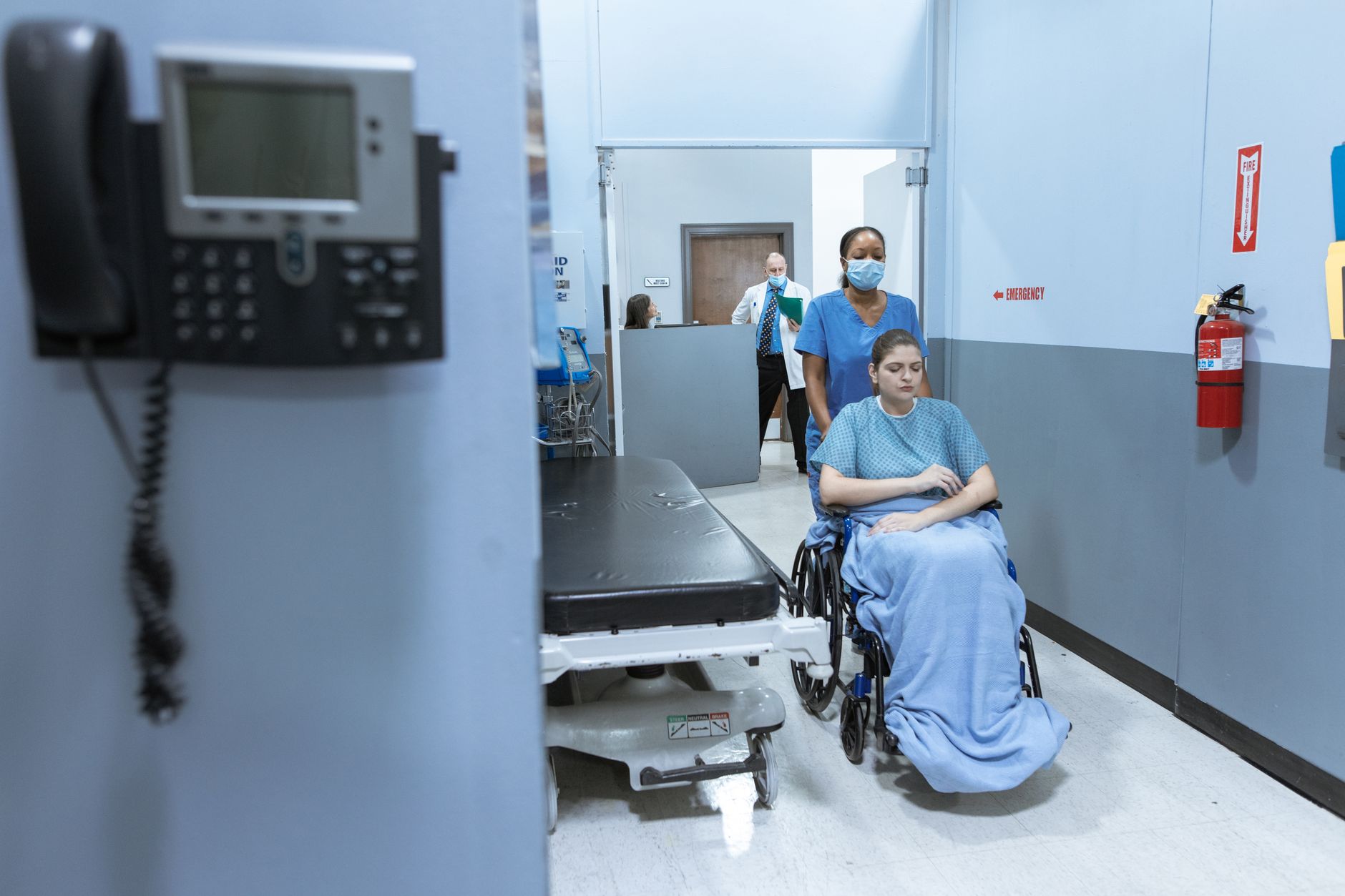
What the page does provide is a clear design. The aim is an autonomous robotic system that delivers medicine and instruments through hospital buildings, using AI, machine learning and autonomous mobile robots that must move through complex layouts. The budget is 661.9 K€ and the effort is 20.3 person years. For operators, the lasting value is the method: several buildings, several years, and one shared test plan.
Who is behind the project?
Vilnius Gediminas Technical University in Lithuania coordinates the work. The page also names National University Zaporizhzhia Polytechnic in Ukraine as a consortium member, and it describes six partners from Lithuania, Poland and Ukraine.
Cross border teams can bring different hospital access, engineering habits and data formats. That makes a shared measurement plan matter as much as the robot itself, because a partner that logs trips differently from another will produce numbers that cannot be compared line by line.
Why does a multistore design beat a single pilot?
A single pilot answers a narrow question: can this robot run in this building, with these corridors, these elevators and this crew? The answer may be yes and still tell you little about the next wing, the next campus or the next hospital in the same network.
A multistore study pulls that variation into the open. Floor plans differ. Elevator banks differ in speed and call logic. Door hardware, badge readers and staff handoff points also change from one building to the next. A route that works in one building can fail in another for reasons that have nothing to do with the robot's navigation.
Time adds a second dimension. Three years covers staff turnover, seasonal shifts in patient flow, software updates and the slow wear that never shows up in a six week trial. A pilot can show that a robot works. A multiyear study can show whether it keeps working once the building, the people and the software have all changed.
Which questions should operators bring to the results?
When findings arrive, read them against your own floor plan and staffing model. These questions are worth asking first.
- Does route completion hold across buildings with different layouts, or does it drop where a floor plan changes?
- How many staff handoffs remain per delivery, and who performs each one?
- Which elevator and door interactions cause stops, and how long does each stop last?
- Does delivery reliability survive the software updates made during the three years?
- When a robot cannot finish a trip, what happens to the medicine or instrument, and who recovers it?
- Do the reported staff hours returned match what nurses and porters actually experience on the unit?
What should a US health system measure in its own test?
Start with the delivery itself: order to arrival time, failed or abandoned trips, and the number of times a person must step in. Then measure the work around it, including how long a nurse waits for a robot, whether a unit keeps a backup route, and how fast a stranded robot is recovered.
Keep an exception log that records every event, including the dull ones. Routine door stalls and brief elevator holds often predict the expensive failures that come later. Trip logs that record start, stop, door and elevator events tell a clearer story than a summary that reports only successful deliveries.
How do you read a multiyear study without overreaching?
Treat the project description as the only verified source for now. No independent news coverage or progress report beyond the project page was found, so claims about progress or results should wait until the consortium publishes its own data.
Be careful about transfer. European hospitals can differ from US systems in building codes, staffing models and funding structures. A lesson about layout variation or handoff design travels well. A specific success rate or time saving does not travel without local measurement.
Where should a US hospital start?
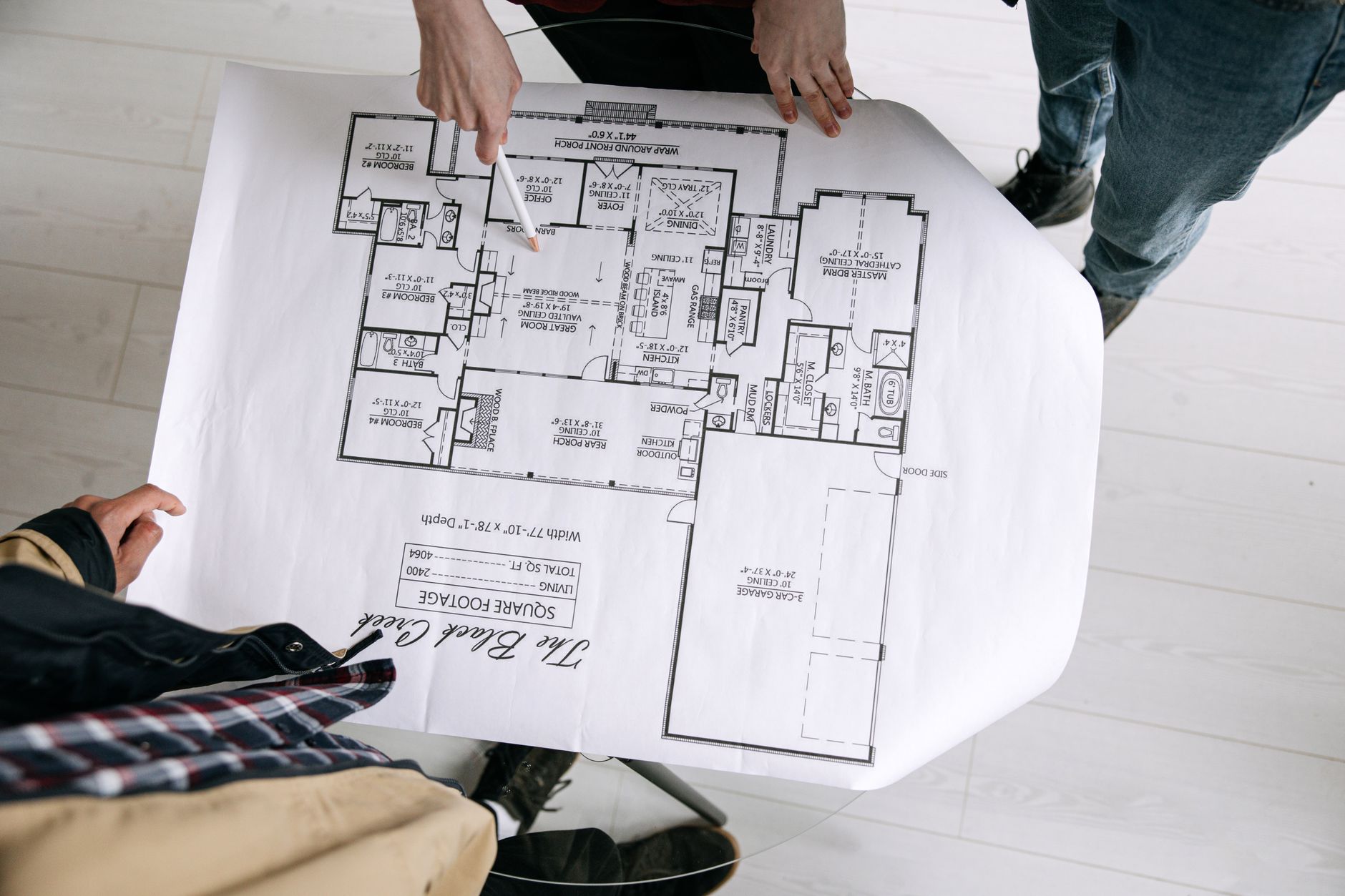
Begin with a site assessment on one unit, not a hospital wide tender. Map corridors, elevators, doors and charging locations, then decide which robot types fit the routes. Service Robot Co. works this way as a full service commercial robot integrator. We choose robots across manufacturers rather than from one catalog, then finance, deploy, integrate, train and service every unit through a nationwide network of US engineers.
Our offer is a lease. A customer gets a robot on a three year lease with one fixed lease payment quoted after a site assessment. That structure suits a hospital delivery robot lease meant to answer specific questions first. One leased unit tied to a written measurement plan gives your hospital its own evidence, which no external study can supply for you.
Frequently asked questions
Want a robot working for you?
Tell us the job and the site. We will recommend the robot, quote the lease, and keep it serviced.
Sources
Service Robot Co. is not affiliated with, sponsored by, or endorsed by the companies mentioned in this article.