Key takeaways
- Osaka Police Hospital's March 16 to 18, 2026 run showed a robot could operate inside a working hospital for three days, not that it can run every shift.
- The outcome comes from Earthtrek Robotics' own announcement, and no public figures on trips, uptime or staff feedback have been released.
- A short demo can answer route and workflow questions, but it cannot settle uptime or staff acceptance over weeks.
- Write go or no go criteria before the first run, and log stops, staff interventions and handoffs against them.
- Start with one unit on the floors that carry real traffic, and let the scope come from a site assessment.
What did Osaka Police Hospital actually test?
Earthtrek Robotics ran its autonomous transport robot at Osaka Police Hospital from March 16 to 18, 2026. The hospital had announced the trial on March 11, and Earthtrek announced the run on April 3, about two weeks after the last day. The work sat under the Osaka Chamber of Commerce and Industry's Demonstration Experiment Support Project, which the company describes as a precursor to a future full scale demonstration.
The robot ran on the second floor of the Surgical Medical Center and on the eighth floor. It used a three door design so one trip could serve several departments. According to the English announcement summary, the stated aims were environmental adaptability and operational safety in a complex hospital, along with finding the challenges that stand in the way of task shifting and operational efficiency.
What a three day run proves
A short run proves that a robot can be brought into a working hospital, set up on two floors, and driven through a real building for three days. Earthtrek says the trial confirmed effectiveness and identified challenges. Those are useful findings, and they are the reason a demo exists.
It also shows that a site can host a trial at all. Getting a hospital to agree on floors, hallways, named contacts and tolerance for disruption is real groundwork, and the announcement dates show that groundwork was in place five days before the first run.
What it does not prove
No public report we found gives trip counts, uptime, route completion rates, incident records or staff feedback. The results are the company's own assessment, released about two weeks after the run. That is not a reason to dismiss them, but it means the outcome is a claim, not a measured result.
A Japanese language report summary we saw only in part said route setup and standby locations were among the issues identified. We did not review the full article, so treat that point as preliminary. If it holds, it matters more than the headline, because where a robot waits and how it is routed decide whether it stays out of the way of nurses and patients.
Why routes are the first thing a demo cannot settle
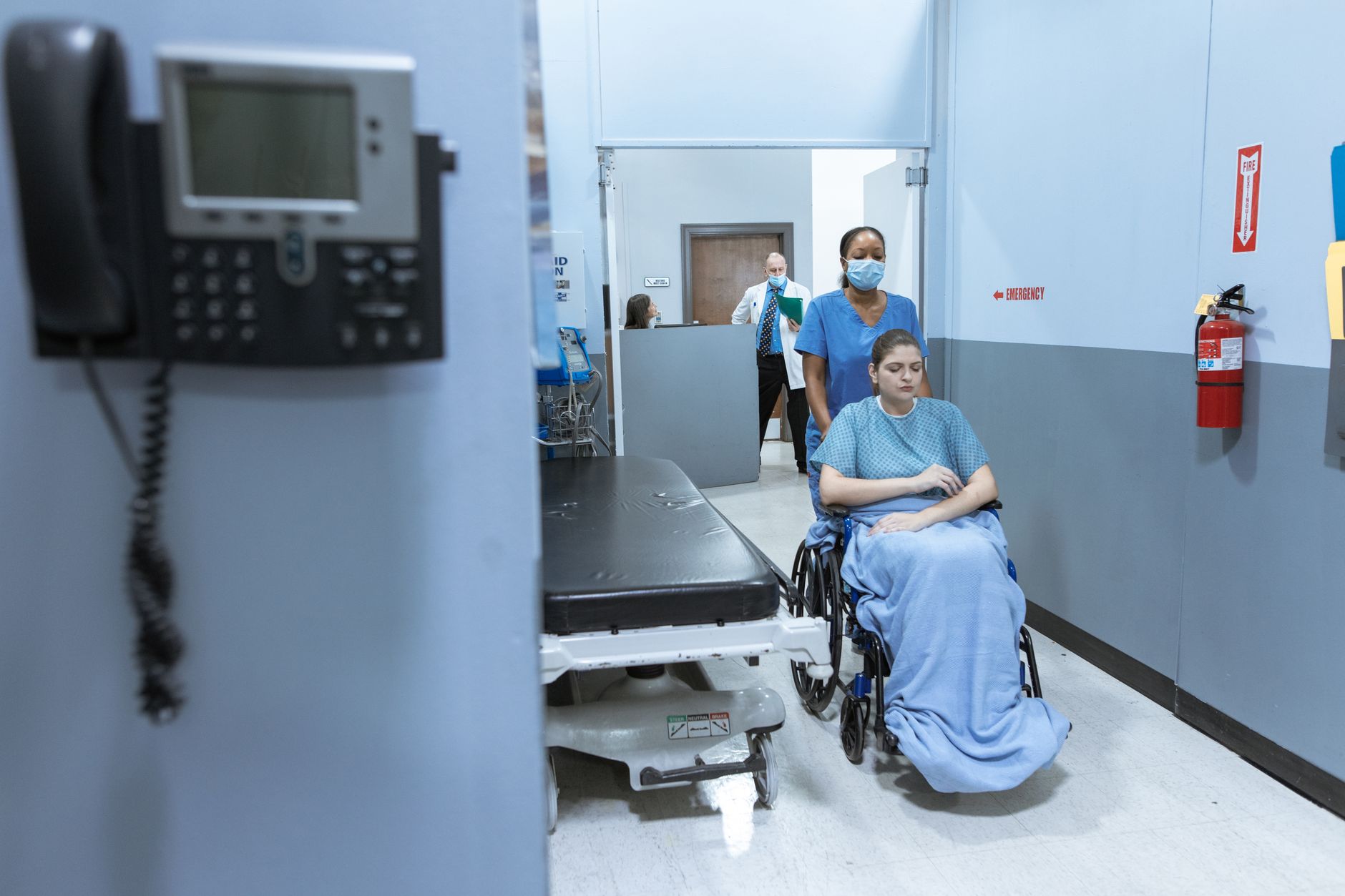
A hospital route crosses elevators, automatic doors, nurse stations and corridors that change by the hour. A three day run on a chosen set of paths shows that those paths work under observed conditions. It does not show what happens when a gurney blocks the corridor, an elevator is held for a patient transfer, or a door is propped open.
Standby locations deserve the same scrutiny. A robot parked at a busy junction can become an obstacle. The demo team sees the spots it chose, while the real building will test every alternative a staff member finds.
Does staff acceptance show up in three days?

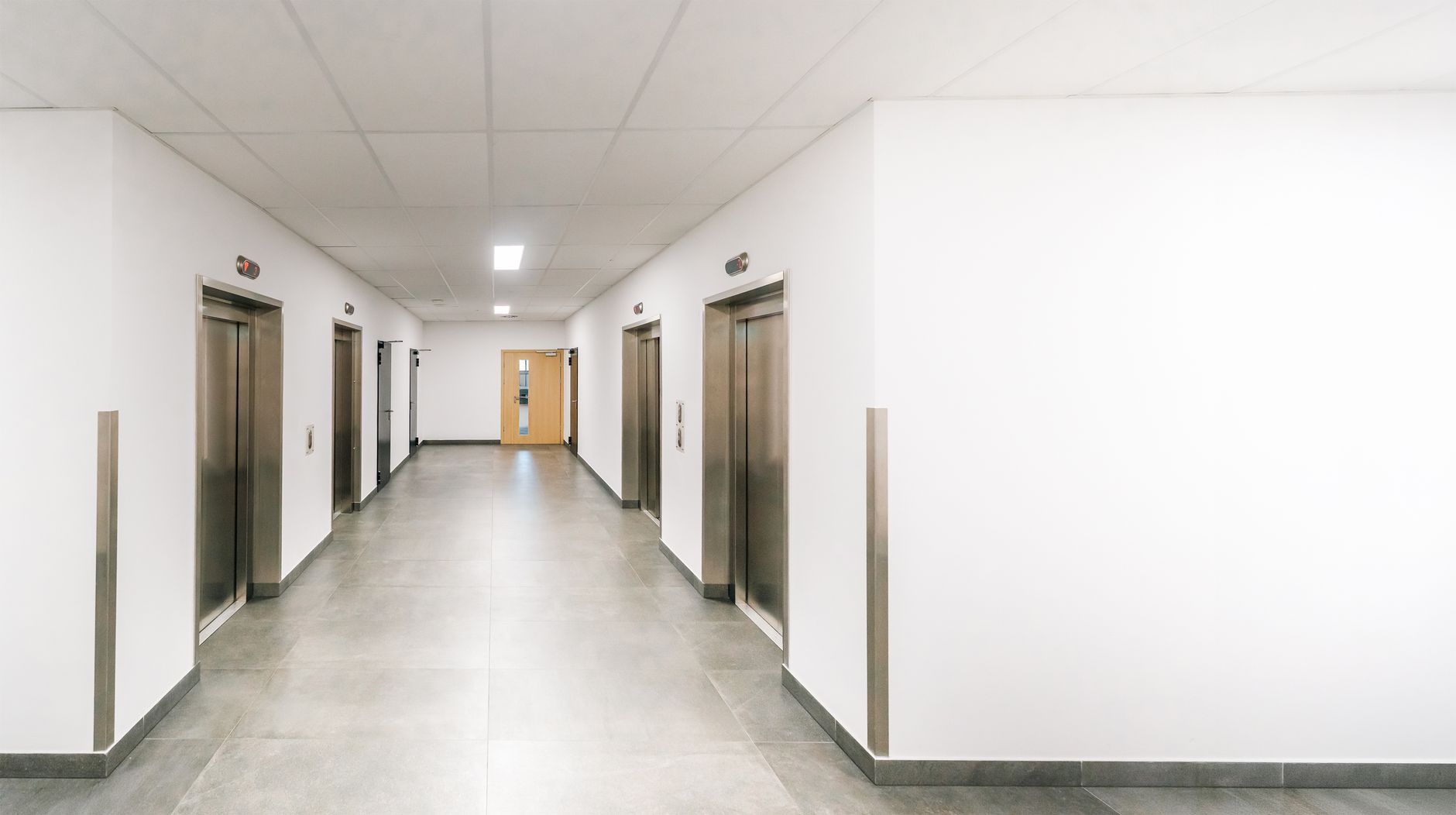
Acceptance builds or fades over weeks. Early curiosity can hide friction, and a team that treats the robot as a visitor will not report the small annoyances that decide whether it is kept. Nurses, porters and environmental services staff need to know what happens at each handoff, who loads the robot, and who answers when it stops.
A useful pilot records staff interventions per trip, whether anyone waits for the robot, and whether staff trust the arrival notice. Osaka's public summary does not say whether any of this was measured, so the demo cannot yet serve as evidence of acceptance.
Why uptime needs a longer clock
Uptime is the share of scheduled work a robot actually completes, and it depends on charging, faults, connection drops and recovery after a stop. Three days can catch a few of those events. It rarely covers a weekend roster, a full shift change, a software update or a power interruption, which is why those belong in the next phase.
Fault response matters as much as fault rate. A stopped robot in a corridor is a staffing problem until someone fixes it. At Service Robot Co., we lease commercial robots on a three year lease with one fixed lease payment quoted after a site assessment, and we service every unit through a nationwide US engineer network, so the uptime plan is part of the lease conversation from the start.
How a US hospital should scope its own demo
Scope the demo around the work you want the robot to do, not around a vendor's favorite route. Write the plan before the robot arrives, and share it with nursing, facilities, pharmacy and security so every department knows what will be measured.
- Choose two or three routes that carry real traffic, including one elevator run and one that crosses a shift change.
- Set go or no go thresholds for completed trips, staff interventions per trip and time to recover from a stop, agreed in writing before day one.
- Log every stop, door call, elevator wait and handoff, then reconcile the log against staff walking hours on the same routes.
- Name a standby location for each route and test what happens when the robot must wait there.
- Run long enough to cover a weekend, a shift change, a charging cycle and any scheduled software update, and state the run length in advance.
What counts as a go or no go answer
A go decision means the criteria passed under conditions that resemble the planned deployment, and the next phase is bounded. A no go is a valid result. So is an open answer, where a criterion could not be measured. Treat unknowns as open items with owners and dates, not as passes.
Osaka's demo ended with a company statement that challenges were identified, and a larger demonstration is described as the next step. A US hospital should expect the same mix of findings and gaps, and should decide before the first run what counts as enough evidence to move forward. Start with one leased unit, and expand only when the written criteria hold.
Frequently asked questions
Want a robot working for you?
Tell us the job and the site. We will recommend the robot, quote the lease, and keep it serviced.
Sources
Service Robot Co. is not affiliated with, sponsored by, or endorsed by the companies mentioned in this article.