Key takeaways
- Rochester Regional Health reported on August 21, 2026 that its Moxi robots passed 100,000 hospital trips across two hospitals.
- The 50,000-plus staff hours figure is the health system's estimate, as reported by local press, not an audited saving.
- Trips, deliveries and staff hours measure different things and should never be added together.
- Diligent's company figures use cumulative, annual and single-site bases, so each number needs its label.
- A facility can test the claim on one route by timing hand runs and robot runs on the same shift.
What Rochester Regional Health reported
On August 21, 2026, Rochester Regional Health reported that its Moxi robots, made by Diligent Robotics, had passed 100,000 hospital trips across Rochester General and Unity Hospitals. The headline is a count of trips. It is not a count of minutes, and it is not a count of anything a patient would notice directly.
The health system also estimates that the robots have freed more than 50,000 staff hours. That is the health system's estimate as reported by local press, so read it as an estimate of released time. It is not an audited saving.
The scale is real. Six figures of trips across two busy campuses means the robots have handled routine runs day after day over a sustained period. What the milestone leaves open is how much of each run's time became useful bedside work, and that is the question a facility team should carry into its own planning.
How to read a trip count
A trip is one run from a starting point to a destination. It shows that a robot is working steadily, much as an uptime log does. It says little about the minutes each run saved for a nurse, a technician or a unit clerk.
Diligent Robotics uses different units. As of November 2026, its AWS case study reported more than 1.3 million deliveries across 25 U.S. hospitals, and more than 600,000 staff hours returned to patient care, which the page describes as equivalent to 150 full-time employees. That page is vendor-reported and undated, so treat it as the company's claim.
Trips, deliveries and staff hours are three separate measures. Adding them together, or setting one site's trip count against another company's hours, produces a number that means nothing.
Where the 50,000-hour estimate comes from
The 50,000-hour figure belongs to the health system. Local press carried it alongside the trip milestone. The reporting available for this article does not lay out the full method, so a careful reader has to ask the right questions.
Which units were counted? What was measured before and after? Was the released time moved to bedside work, or absorbed into a busier shift? Freed time only has value when someone uses it. A robot can take away a walk, but the nurse still charts, hands off and responds, and that is where hours either show up or disappear.
What Diligent's company figures add, and where they stop
Diligent's website and case studies report results at different scales. One vendor case study for Mary Washington Healthcare reports more than 14,300 hours returned to nurses and clinical teams. That is a single hospital's figure, reported by the vendor, and it is not a network total.
The company materials reviewed for this article mix cumulative totals, annual figures and single-site results, with different dates. They do not reconcile with each other or with the Rochester estimate. Label every figure with its base and date, and state the base whenever a number moves into a budget or board deck.
What changes the hours on a real floor
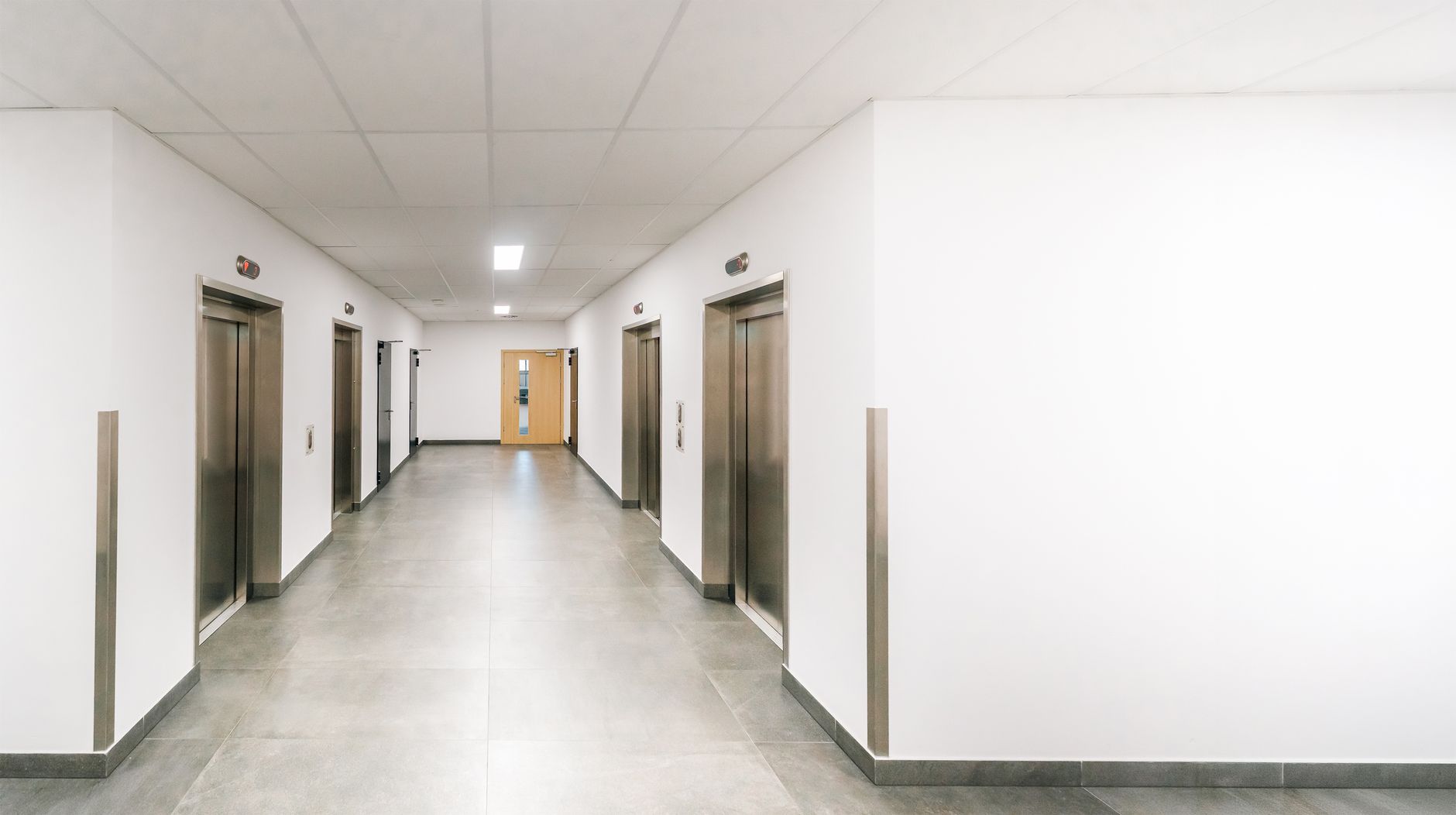
A delivery robot's saved time depends on the route. A straight run on one floor leaves little room for delay. A corridor with elevator stops, badge doors and a receiving desk at the far end adds waiting at each point, and a robot idling at a closed door saves nobody any minutes.
Five factors decide how much of a run's time comes back. Each one can be measured, and each one can be planned for before a robot is quoted.
- Elevator waits at shift change, when the car is full and the robot has to share it
- Secured doors that need a badge or a staff member, and the time each one adds to a run
- Receiving handoffs where no one is at the destination to take the item
- Charging location and downtime, which decide whether the robot is free at peak hours
- Missed-run logs left blank, so the trip count hides failed runs
What to measure at your own site
Start with a baseline. Pick one route, one shift and one type of run. Time how long staff take to make that run by hand, door to door, and how long the item waits for pickup. Keep the route and shift length the same once the robot is running, so the two periods can be compared.
Trip counts and robot logs will show uptime, errors and missed runs. Walking time and handoff waits need a stopwatch, a clipboard or a short timed sample across several shifts. Report the time staff recover, not only the number of runs the robot completed.
Where a lease fits into the plan
Service Robot Co. is a full-service commercial robot integrator. We are OEM-neutral, so we match robots to the work, then lease, deploy, integrate, train and service every unit through a nationwide US engineer network. One vendor covers the lifecycle, from the first route survey to the last service call.
We lease robots only, through financing on a 3-year lease, with one fixed robot lease payment quoted after a site assessment. That assessment maps routes, elevators, doors and handoff points, so the trip count and hours you measure match the floor you actually run.

Frequently asked questions
Want a robot working for you?
Tell us the job and the site. We will recommend the robot, quote the lease, and keep it serviced.
Sources
Service Robot Co. is not affiliated with, sponsored by, or endorsed by the companies mentioned in this article.