Key takeaways
- Every minute a ballroom sits between events is capacity the house cannot sell again that day.
- A floor robot can take the scrub between sessions, but a crew still moves tables, chairs, linens and A/V.
- Venue changeover schedules show that layout changes and quick turns carry real labor charges.
- Estimate lost turn time from your own event calendar before you commit to any equipment.
- Treat coverage specs as vendor claims until a site test confirms them on your floor.
Why does a slow reset cost a ballroom money?
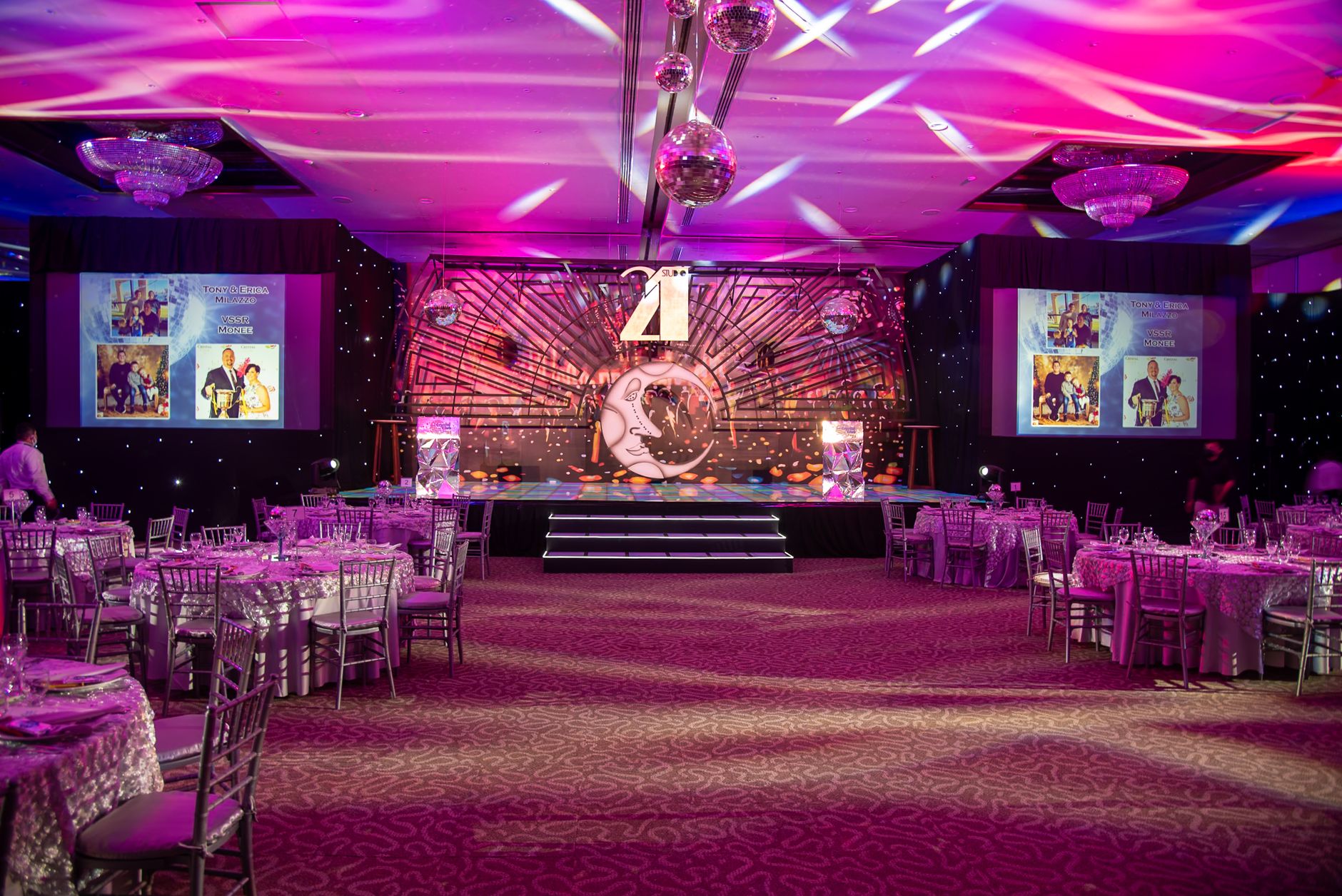
A ballroom earns when a group is inside it, not when it waits for a crew. Every minute between one checkout and the next arrival is capacity the house cannot sell again that day. A reset that runs long also pushes the next start, which squeezes staff who are already committed to the following session.
Venues put this cost in writing. Denver's convention center publishes a 2026 flat rate changeover document that lists a flat rate of $3,000 for the Mile High Ballroom, and warns that extra labor may apply to quick turns as set by Event Management, according to that document. Austin Convention Center charges reset fees when a room changes after its original set. Moving from rounds for 100 to theater for 200 adds charges for 100 extra chairs plus labor, according to its labor services policy. Catered functions are exempt.
What does a turnover window actually hold?
A changeover is more than a broom pass. It covers stripping tables and linens, clearing trash and spills, reseating chairs for the next layout, checking audio and visual equipment, and walking the floor before guests return. Each step can run long, and the slow ones are usually the layout changes.
Benchmarks are thin. A workplace management glossary from Vantage Space says meeting rooms commonly take 5 to 20 minutes to turn, depending on cleaning and A/V setup. That is a general office figure, not a hotel one, and no independent hotel ballroom labor study turned up in this review. A venue should measure its own rooms before trusting any benchmark, including this one.

Which parts of a reset can a floor robot run?
The floor is the part of a reset a robot can take over. RobotLAB, a robot seller, says autonomous scrubbers suit large hard floor areas such as ballrooms and conference centers, and that these spaces are often empty overnight. That is a vendor claim, but it describes the right kind of job: a long, open, hard floor sitting idle in the schedule.
Coverage figures also come from manufacturers. OrionStar lists its CleaniBot C5 at about 1,980 square meters per hour of coverage, with an onboard tank, automatic docking that needs no plumbing, and noise under 68 dB(A) for overnight use, as of November 2026. Those are vendor reported specs. A site test should confirm them on your actual floor material, your doorways and your aisles. OrionStar also describes a banquet hall method in which an operator drives the room perimeter once while the machine plans the interior path, which is worth checking against your own layout.
Ride on units follow a different pattern. RobotLAB describes Tennant's T7AMR as using teach and repeat, where an operator drives a route once and the machine repeats it. Tennant's own product page was not reviewed here, so treat that as RobotLAB's description, checked November 2026. A tradeoff applies to any unit: a scrubber that runs quietly at night may still be unwelcome during a daytime turn, so the timing rule matters as much as the machine.
Where must a crew still reset the room?
A floor robot does not move a table. The crew still handles the work that decides the next layout, and the robot runs only once the room is clear. The order matters: strip, clear, scrub, set. Tasks that stay with people include these:
- Moving round tables and chairs into the next layout
- Stripping and dressing linens, skirting and centerpieces
- Setting risers, stage platforms and A/V stands
- Clearing spills, trash and dropped items a robot should not route around
- Final check before the next group enters
How do you estimate lost turnover time from your calendar?

Start with the event calendar for one ballroom over a four week period. List the gaps between consecutive events in that room. For each gap, record the planned changeover time and the time the room was actually free. That second figure usually sits on a banquet or event board, not in accounting.
Then compare the two. Any gap beyond your target turn time is lost room time. Add the overage across all changeovers in the period, convert those hours to staff cost at your own labor rate, and you have a figure built from your data rather than from a brochure.
Here is an illustrative case with invented numbers. Suppose a room turns 20 times in four weeks and each reset runs 10 minutes past target. That is 200 minutes of room time, a little over three hours, before any overtime is counted. Then separate the gaps caused by the floor from those caused by setup. Only the floor share is a candidate for a robot.
Where does a floor robot fit in a ballroom plan?
Service Robot Co. is an OEM neutral integrator, so the robot choice follows the room rather than one catalog. We lease robots through financing on a three year lease, with one fixed lease payment quoted after a site assessment. Every unit is serviced under RoboCare by regional service engineers, so one team handles the lease, deployment and repairs.
A sensible first step is a pilot in one ballroom. Log turn times before and after, record which tasks the crew still performed, and check the floor after each overnight run. One room will show whether the scrub is the bottleneck, which is a far better question than whether the machine looks impressive.
What does the wider service robot market show?
According to the International Federation of Robotics, global professional service robot shipments rose 24 percent to almost 250,000 units in 2025. Professional cleaning ranked third among service robot applications, with floor cleaning as its primary use, and hospitality ranked second.
IFR's figures come from a supplier survey of 238 companies. The data is not projected to represent the whole industry, and figures should not be compared across reports because the sample changes. Use the trend as context, then let your own calendar set the case.
Frequently asked questions
Want a robot working for you?
Tell us the job and the site. We will recommend the robot, quote the lease, and keep it serviced.
Sources
- International Federation of Robotics, global professional service robot sales
- Denver Convention Center flat rate changeover explanation 2026
- Austin Convention Center labor services
- Vantage Space glossary, turnover time
- RobotLAB, robots for high traffic hotels
- OrionStar CleaniBot C5 specifications
- OrionStar banquet hall scrubber
- RobotLAB, commercial cleaning robot solutions for large hotel spaces