Key takeaways
- Drive-up zones are an outdoor job, and indoor hotel robot claims do not prove outdoor performance.
- Run outdoor passes in arrival troughs, inside fixed clock-based windows, not in continuous loops.
- Wet paving, cracks, standing water and sun glare are the sensor limits to test first.
- The valet team should hold pause authority and no-go zones must be marked on the robot's map.
- Treat any valet-lane robot as a pilot until your own stop logs show it works on your surface.
Can a robot keep a valet lane clean without blocking guests?
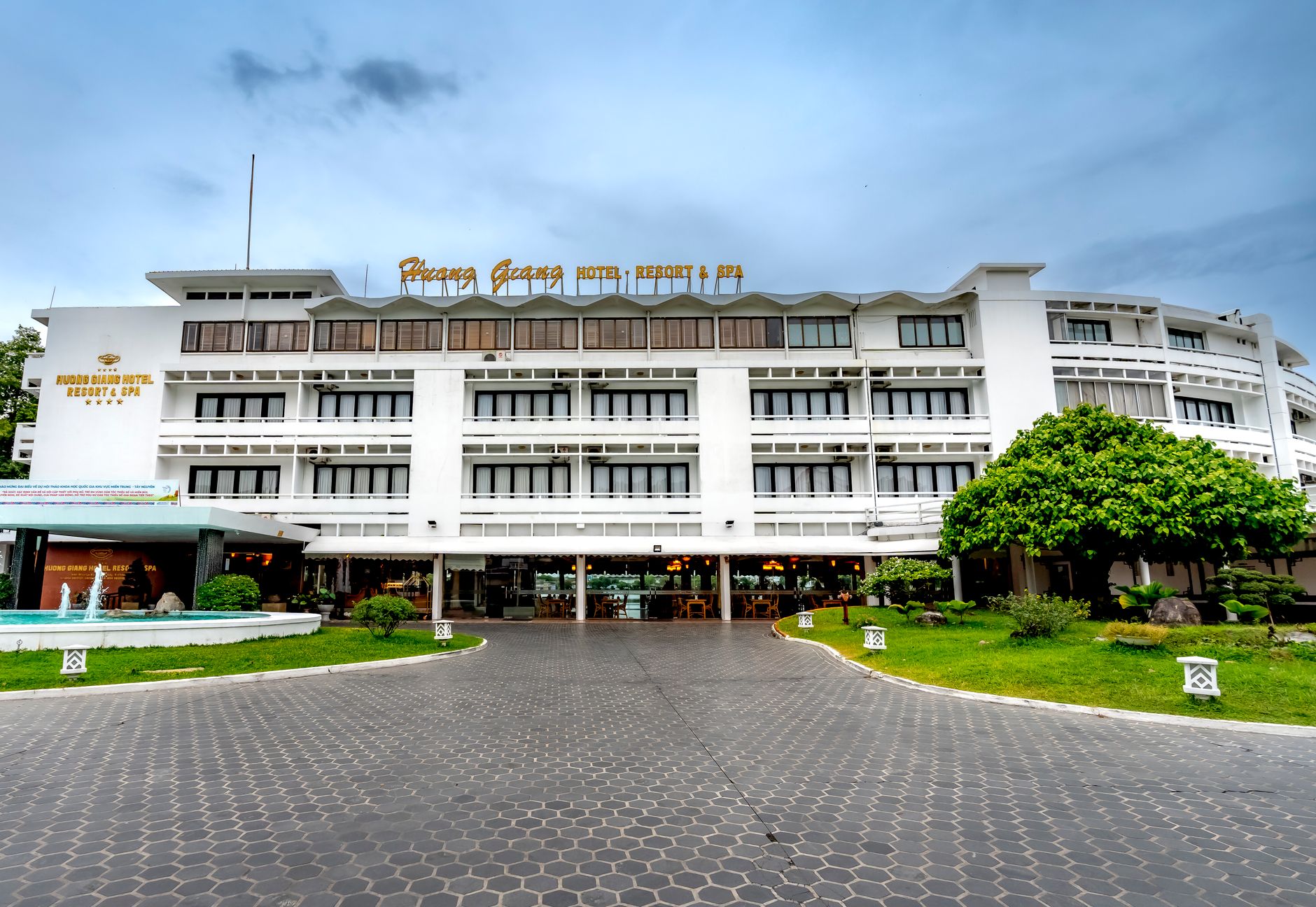
Yes, a hotel can keep its valet lane, drop-off curb and porte-cochère clean with a robot, but only if the robot works in short, planned windows that stay clear of arriving cars and the valet stand. The job happens outdoors, and that changes nearly everything: wet paving, cracks, sun glare and a steady stream of vehicles moving at walking pace and faster.
The public record is thinner than vendor marketing suggests. Hotel floor robot guides describe indoor navigation, but we did not find a published valet-lane or drive-up deployment record. Outdoor claims come from consumer vacuum makers, a 2020 Singapore challenge statement and research papers whose dates and sources we could not confirm. A sensible hotel treats the first outdoor run as a pilot, not a finished decision.
The sections below cover why drive-up zones differ from lobby floors, how to time routes, where sensors struggle on wet or uneven paving, how sunlight affects sensing, how the valet team fits in, and what a pilot should measure.
Why drive-up zones are not lobby floors
A porte-cochère or valet lane collects grit, leaves, tire residue, de-icing salt where it applies and the odd puddle that never fully drains. It is also a zone where people step out of cars without looking, and where a robot's path crosses a curb cut every few meters.
RobotLAB's hotel cleaning guides describe autonomous floor robots that combine LiDAR, cameras and depth sensors to navigate hotel layouts, and that use anti-drop sensors in hallways. As of November 2026, those are vendor claims about indoor hotel areas. They are a useful starting point for mapping, but they do not show that the same unit will handle a sloped drive-up apron.
How should route timing work around arrivals?
Timing matters more than speed. Valet lanes peak around check-in, check-out, airport transfers and event start times, and a robot that enters the lane during a surge creates a stop for every car queued behind it. Schedule the outdoor pass for the troughs, and give each zone a fixed window rather than a continuous loop.
Route shape matters too. A long straight lane suits a single pass, while a curved porte-cochère needs turn-in points that do not trap the robot against a planter, a column or a parked vehicle. Build the route on the map with those turns marked, then test it at the hour the lane is quietest, not the hour that is easiest to staff.
Where do sensors struggle on wet or uneven paving?

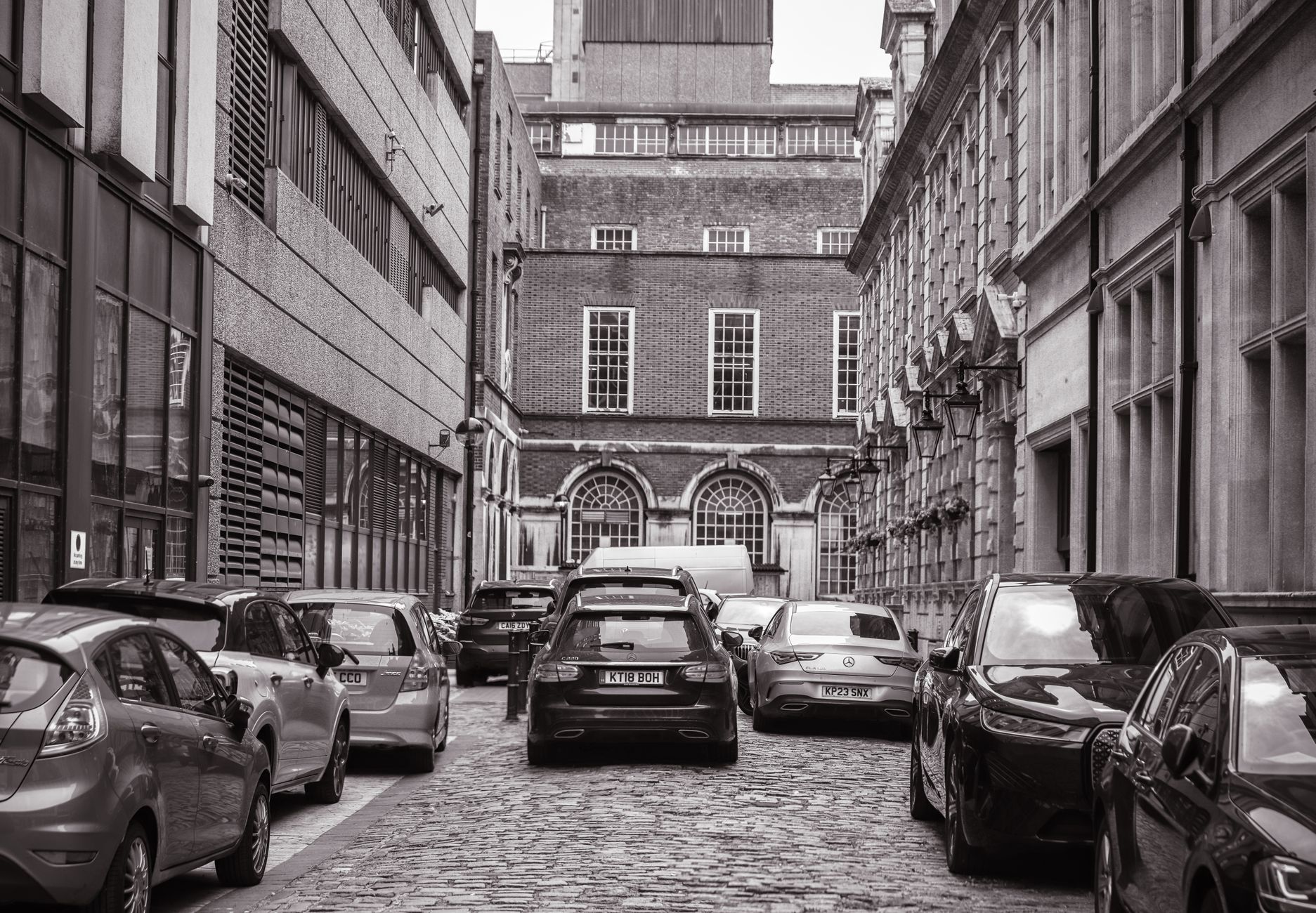
A pavement-sweeping study describes cracks, potholes, rutting and manhole covers as sources of vibration on the road surface. It reports that these can degrade sensor accuracy, raise power use, accelerate motor wear and increase tipping risk. We could not confirm the study's date or a public link, so treat its findings as directional, not as a specification for your apron.
Consumer guidance points the same way. Ecovacs advises against using its robot vacuums on wet surfaces. A Singapore conservancy-cleaning challenge statement from 2020 lists, as a limitation of existing sweepers, that they cannot clear leaves once they are wet after rain. Neither is a drive-up spec, but both show that water and debris change the job.
Uneven paving also changes the speed a robot should run at. Research-stage work describes a LiDAR system that classifies surface type and estimates slope, then adjusts speed, brush height and brush speed in real time. That behavior is what a drive-up apron needs, but it is not a product claim, so ask any vendor whether it is in the unit you would actually run.
What do sunlight and LiDAR really do outdoors?
The sources disagree, and the disagreement is useful. Ecovacs says bright sunlight can interfere with cameras, infrared and LiDAR, causing missed areas, false stops or navigation loops. A research paper argues that LiDAR emits its own near-infrared light, producing dense 3D point clouds that stay accurate regardless of ambient lighting.
The honest reading is that sensor type, mounting and test conditions all matter. A hotel should test the robot on its own drive-up at its own sunniest hours, and log false stops and missed patches, instead of trusting either a consumer guide or a general claim about lighting.
How does the valet team fit into the plan?
The valet team owns the lane. A robot is a guest in that space, and the cleanest deployments give valets authority to pause a pass. Agree on a stop signal, a clear-the-lane protocol and a named person who decides when a stopped car or a crowd blocks the robot's path.
Mark the valet stand, the cone line, the curb cut and any taxi queue as no-go zones. A robot that waits politely behind a stopped car is doing its job. A robot that sits in a loading lane during a rainstorm is a guest complaint waiting to be written.
What should a pilot check before the first full run?
A short pilot answers more questions than a long spec sheet. Before the first run, the team should set up these checks:
- Mark the valet stand, cone line, curb cut and taxi queue as no-go zones on the map before any route is saved.
- Log every stop, and label it as a vehicle, a person, a surface condition or a sensor fault.
- Run one dry pass and one wet pass, then compare missed-area notes and stop counts between them.
- Confirm that valets can pause the robot from the stand within a time the team agrees on in advance.
- Walk the apron at dawn and in the evening, because sun angle and shade change what the sensors see.
Where does Service Robot Co. fit in a drive-up program?
Service Robot Co. is a full-service commercial robot integrator for US businesses. We are OEM-neutral, so we select the robot for the surface and the hours involved rather than for a brand. We then deploy, integrate, train and service each unit through a nationwide US engineer network, with one partner to call.
Hotels can lease a robot through financing on a 3-year lease, with one fixed payment quoted after a site assessment. That assessment is where the drive-up zone gets mapped, the no-go areas are set and the route timing is tested before a robot runs unattended.
What does the public record not yet show?
Our review found no hotel deployment record for valet lanes or porte-cochère sweeping. It also found no failure-rate or uptime data for wet or uneven outdoor conditions. Any plan should therefore be sized as a pilot, with its own stop logs, its own surface notes and its own agreed rules with the valet team.
Hotels that run that pilot well will know within a few weeks if a robot belongs at the curb. Some curbs will be better served by a day porter with a push broom.
Frequently asked questions
Want a robot working for you?
Tell us the job and the site. We will recommend the robot, quote the lease, and keep it serviced.
Sources
- RobotLAB: best commercial cleaning robots for high-traffic hotel areas
- RobotLAB: top autonomous floor cleaning robots for hotel use
- Ecovacs: outdoor robot vacuum for patio cleaning
- IPI Singapore: autonomous outdoor conservancy cleaning machine challenge statement
- Automation.com: Mobile Industrial Robots announces MiR Finance program (2019)
- Universal Robots: planned service offerings