Key takeaways
- A 24-robot rollout at O’Neill Logistics signals that 3PL automation is moving from pilot logic to network logic.
- For mixed-case fulfillment, the buying case hinges less on robot novelty and more on slotting volatility, travel reduction, and labor stability.
- A multi-site deployment matters because 3PLs live with changing customer mixes, seasonal peaks, and fast onboarding timelines.
- Buyers should evaluate automation by throughput resilience, integration burden, and expansion path, not by unit specs alone.
- An OEM-neutral integrator helps operators compare lease rental or sale paths, finance options, deployment risk, and long-term service under one roof.
What does this 24-robot deployment actually tell warehouse buyers?
It tells them the AMR buying case is maturing. On July 28, 2026, a robotics manufacturer announced that O’Neill Logistics would deploy 24 autonomous mobile robots across sites in Monroe, New Jersey, and Savannah, Georgia, with go-live planned for Q4 2026. This is not a novelty installation. It is a two-site, operationally serious commitment by a third-party logistics provider that lives on flexibility.
For buyers weighing mixed-case fulfillment automation, that matters more than the headline count alone. A 3PL cannot afford equipment that only works for one customer profile, one order shape, or one workflow season. If a 3PL is adding 24 robots across active distribution centers, the signal is plain. The operator believes mobile automation can survive real SKU churn, labor variability, and customer turnover without becoming a stranded asset.
That is the lens worth using here. The story is not that a warehouse bought robots. The story is that a 3PL, the kind of operator forced to absorb demand shifts faster than most private networks, is betting that mobile automation now belongs inside day-to-day fulfillment economics.
Why are 3PLs such an important signal for the rest of the market?
3PLs are usually the first to feel change in its sharpest form. They onboard new accounts, absorb volume spikes, manage retailer compliance rules, and juggle direct-to-consumer orders alongside wholesale and store replenishment. According to Extensiv’s 2025 Third-Party Logistics Warehouse Benchmark Report, surveyed 3PLs served an average of 3.6 industries, and just over 70 percent reported order-volume growth. That is exactly the sort of operating context that punishes rigid automation choices.
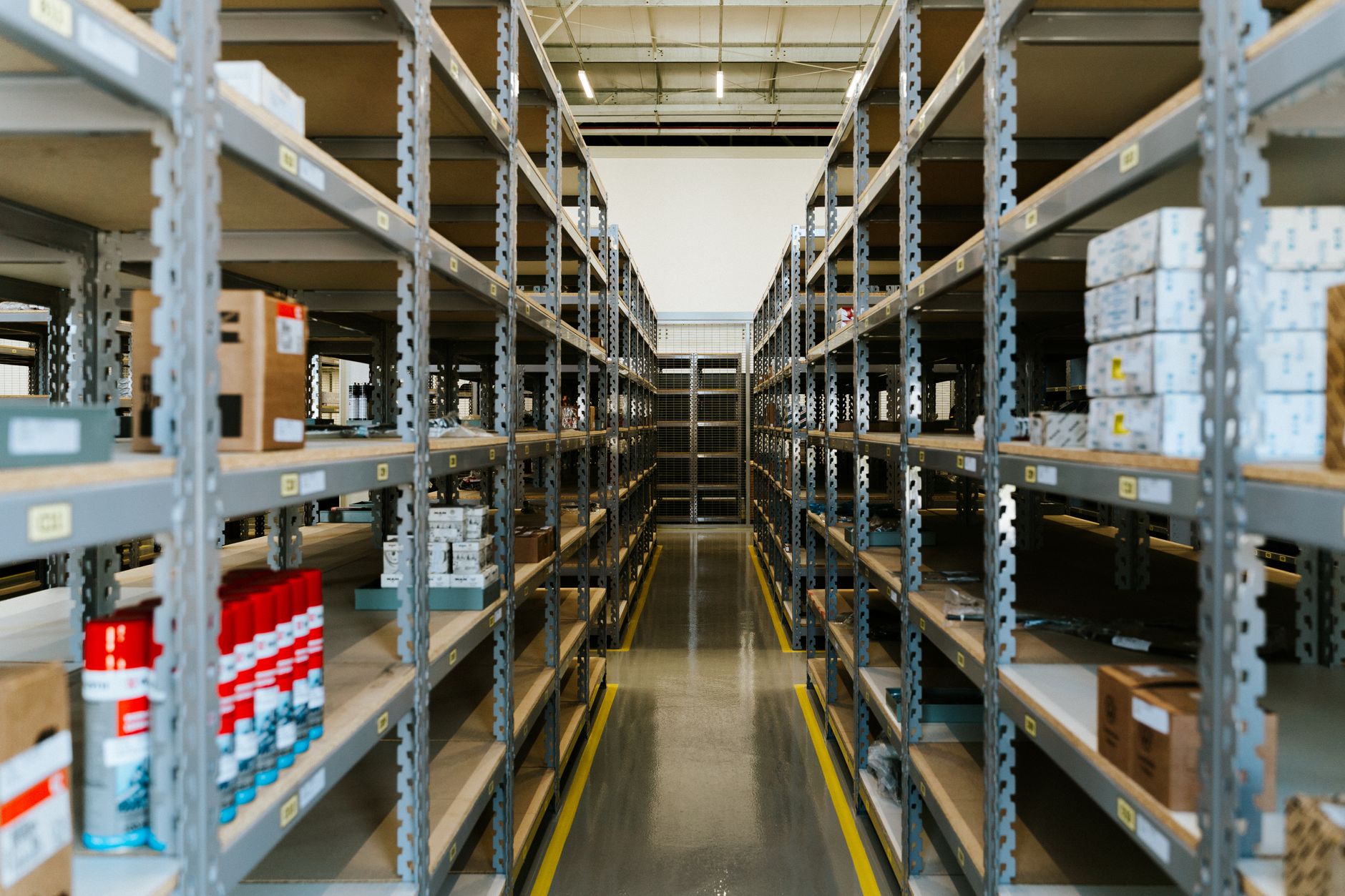
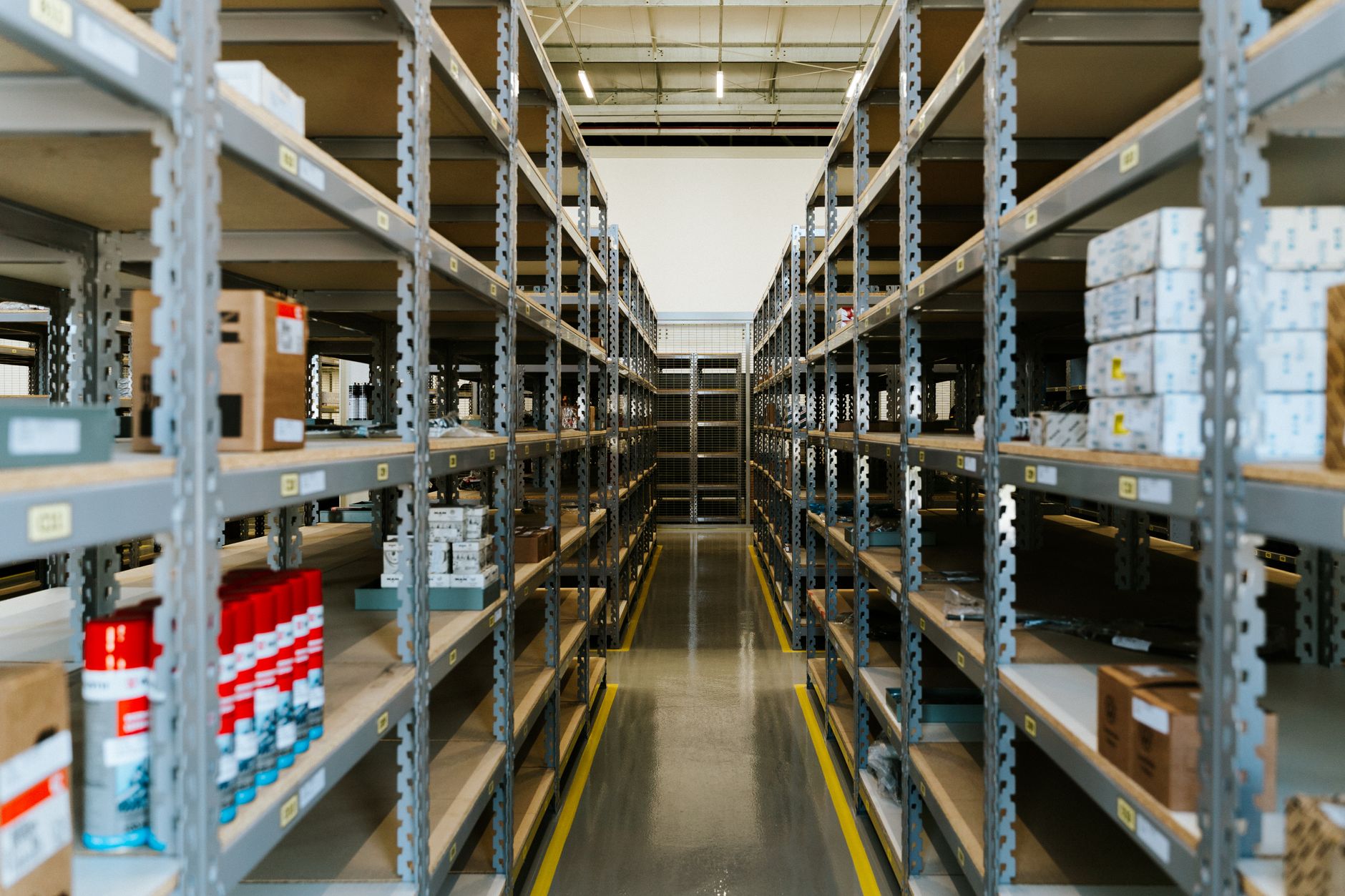
O’Neill Logistics is a useful example because its own site describes a network of roughly 2 million square feet, with Savannah alone operating a 1 million square foot facility launched in July 2023. Its published service mix includes omnichannel distribution, ecommerce fulfillment, retail consolidation, cross-docking, and value-added services. In other words, this is not a single-purpose flow path. It is a mixed operating environment where mobile robots have to earn their keep.
When automation works in that setting, buyers in consumer goods, retail distribution, food, and light manufacturing should pay attention. 3PL decisions often preview where the broader warehouse market is heading because those operators cannot hide a weak business case behind one stable product line.
Why does mixed-case fulfillment make the buying decision harder?
Mixed-case fulfillment is where the clean spreadsheet tends to break. Travel paths are less predictable, order profiles swing harder, and labor touches multiply. One hour may look like store replenishment with repeatable picks. The next may tilt toward smaller direct-to-consumer orders, exception handling, relabeling, or last-minute priority waves.
That volatility is why buyers should be skeptical of any automation pitch built around ideal conditions. The real question is how many non-value-added walking miles, empty return trips, and queue delays the robots can remove while maintaining human pick productivity and keeping supervisors in control of changing priorities.
This is also why the deployment count matters. Twenty-four robots spread across two distribution centers suggests a workflow designed around coordinated movement, not a showroom pilot. The buying case improves when robots are inserted at the level where congestion, replenishment lag, and associate travel become structural costs rather than occasional annoyances.
Where is the financial case getting stronger in 2026?
Labor pressure is still doing much of the heavy lifting. According to the U.S. Bureau of Labor Statistics, average hourly earnings in transportation and warehousing reached 31.07 dollars in June 2026. BLS also reported 298,000 job openings in transportation, warehousing, and utilities in May 2026. Even when openings cool from prior peaks, the category still runs with persistent staffing friction.
Industry observers are describing the same strain from the field side. SupplyChainBrain reported in May 2026 that 3PL warehouse operations are dealing with workforce attrition close to 50 percent per year, alongside a need to automate in days and weeks rather than months and years. That combination matters. High churn does not just raise wage cost. It erodes training yield, consistency, and supervisory time.
The investment backdrop is shifting too. According to the 2026 MHI Annual Industry Report coverage published by MHI Solutions, 56 percent of organizations plan to increase supply chain innovation spending, 52 percent expect to spend more than 1 million dollars, and 73 percent expect robotics and automation adoption within five years. That does not mean every facility should buy now. It does mean the burden of proof has moved. Buyers now need to explain why a repetitive transport process should remain manual, not why automation deserves a hearing.
What should operators actually evaluate before they buy?
Start with the workflow, not the machine. In mixed-case fulfillment, the strongest buying cases usually center on repeatable internal transport: moving totes, carts, picked orders, replenishment loads, or exception work between zones. If the robot is mainly removing low-value travel while people keep the judgment-heavy tasks, the economics are usually easier to defend.
Then test the network questions. Can the system expand from one building to another without a redesign? Can it absorb seasonal slotting changes, customer onboarding, and temporary layout workarounds? Can supervisors reprioritize work without waiting on outside engineering support? A 3PL deployment across Monroe and Savannah implies that these questions are becoming more answerable, and that is precisely why buyers should care.
Finally, be honest about integration and service. The cleanest robot payback model can still fail if wireless dead zones, charging placement, floor conditions, or weak go-live support drag down uptime. In practice, many operators do better with a phased deployment, clear site assessment mapping, and a robot deployment and integration partner who owns the ugly middle, not just the hardware drop.
Useful buyer criteria include:
Use travel hours removed, not robot speed, as the first productivity metric.
Model the operation under peak mix shifts, not average days only.
Check how many touches move between pick, pack, replenishment, and staging today.
Stress-test launch timing, training load, and exception handling before signing.
Plan expansion logic early if you expect an amr fleet deployment across multiple buildings.
- Use travel hours removed, not robot speed, as the first productivity metric.
- Model the operation under peak mix shifts, not average days only.
- Check how many touches move between pick, pack, replenishment, and staging today.
- Stress-test launch timing, training load, and exception handling before signing.
- Plan expansion logic early if you expect an amr fleet deployment across multiple buildings.
Buy, lease, or start with a monthly program?
This is where many warehouse teams make the wrong comparison. The real choice is rarely machine versus machine. It is balance-sheet posture versus operating certainty. If demand shape is changing fast, a warehouse robot rental, autonomous mobile robot rental, or robot leasing for business path can reduce commitment risk while the site proves throughput, labor, and service assumptions in live production.
For some operators, especially 3PLs and fast-growing distributors, monthly payment programs are not a workaround. They are the right structure. They preserve flexibility, keep capital available for racking, software, or customer onboarding, and reduce the fear of locking into the wrong fleet size too early. That is one reason searches around robot leasing vs buying, robot as a service, and no upfront capital keep rising in serious procurement conversations.
Service Robot Co. fits that reality well because the company is OEM-neutral and works as a full-service commercial robot integrator for U.S. businesses. That means one partner can compare lease rental or sale structures, finance the deployment, handle integration, train the team, and service every unit through a nationwide engineer network. For buyers trying to avoid a patchwork of vendors, that one partner one number model is often more valuable than shaving a few points off the equipment quote.
Why service capacity matters more than buyers expect
A 24-robot deployment is not just a procurement event. It is a service commitment. Multi-site fleets demand charging discipline, change management, spare-parts readiness, software updates, and fast field response when the warehouse cannot pause. Buyers who focus only on payload and navigation often miss the harder question: who keeps the fleet earning after the ribbon-cutting.
That is another reason this O’Neill Logistics news matters. A 3PL’s reputation rides on customer SLAs, not on being an automation lab. If the operator is moving ahead with a two-site fleet, it likely believes the support model is mature enough for production dependency. That should push buyers to examine on-site dispatch, remote triage, training refresh, and emergency response as core parts of the buying case, not add-ons.
Service Robot Co. is built around that full lifecycle view. For operators that want vendor neutral robot integrator support, turnkey robot deployment, go live support, maintenance included, and nationwide service without managing multiple counterparties, the integrator model can materially reduce rollout risk.
What is the bigger market lesson from Monroe and Savannah?
The bigger lesson is that AMR adoption in 3PL environments is moving up the decision stack. It is no longer just a labor-gap patch or a pilot for innovation optics. It is becoming a network design choice for operators that need to stay responsive as customer mixes shift. That is especially true in distribution center robot rental and phased deployment conversations, where the goal is often to protect service levels first and optimize deeper later.
Buyers should read this deployment as evidence that mixed-case fulfillment automation is increasingly being judged on adaptability. A fixed system may still win in a highly stable flow. But where customer profiles turn quickly, mobile automation gains a different kind of edge. It lets operators scale transport capacity, reduce walking, and expand by lane, process, or building instead of rewriting the whole warehouse.
That is why this announcement deserves more attention than its headline count. Twenty-four robots at a 3PL is not merely deployment news. It is a marker that the AMR buying case is being validated where variability is highest, and where bad automation decisions get exposed fastest.
Frequently asked questions
Sources
- Robotics manufacturer press release on O’Neill deployment
- O’Neill Logistics about page
- O’Neill Logistics distribution facilities page
- Extensiv 2025 3PL Warehouse Benchmark Report
- BLS Employment Situation June 2026
- BLS JOLTS May 2026
- SupplyChainBrain on 3PL warehouse automation
- MHI Solutions summary of the 2026 MHI Annual Industry Report
Service Robot Co. is not affiliated with, sponsored by, or endorsed by the companies mentioned in this article.