Key takeaways
- Start with one repeatable task, usually overnight floor care, not a property-wide robot wish list.
- Budget around labor pressure, service coverage, and uptime, not around the playbook of a mega-resort.
- For smaller properties, robot as a service, monthly payment programs, or equipment loans often preserve cash better than a large upfront purchase.
- Keep people in the plan. A robot budget still needs a property owner, training time, and a service response model.
What should a small casino hotel budget for first?
A smaller casino hotel should budget for robots in phases, beginning with the most repetitive task that runs every day, has clear hours, and does not depend on guest emotion. In most properties, that means commercial cleaning robot rental for overnight floor care before a room service robot, food runner robot, or amenity delivery robot. The reason is simple. The first phase has to create an operating habit and a measurable labor result, not just a flashy guest moment.
The budget should be built around three layers. First, the monthly operating line for the robot itself, whether that is robot as a service, robot leasing for business, or a purchase financed over time. Second, the site line items, such as mapping, charging, connectivity, and staff training. Third, the uptime line, meaning maintenance included, remote triage, on site dispatch, and a backup plan if the unit goes down on a Friday night.
Regional operators should also resist copying the capital posture of a Strip-scale property. According to the American Gaming Association, U.S. commercial gaming revenue reached more than 78.6 billion dollars in 2025 across 493 commercial casino locations in 27 states. That scale includes giant resort markets, but the same report notes the Las Vegas Strip remained the country’s largest market. A compact casino hotel should budget to match its own traffic pattern, staffing gap, and floor count, not the rhythm of a mega-property.
Which robot use cases usually earn the first dollars?
For a small casino hotel, the best first robot is usually the one that works when guests are present least and the labor market hurts most. That is why an autonomous floor scrubber rental or floor scrubber monthly lease often belongs at the front of the sequence. Casino hotels carry constant foot traffic, beverage traffic, and long operating hours, so overnight cleaning no operator has a clearer budget case than a broader guest service rollout.
The second phase is usually indoor delivery robots, but only after the property proves it can support one robot well. A hotel delivery robot rental can make sense for amenity delivery, late night room drops, and routine back of house runs between the front desk, storage, and food service touchpoints. In a compact property, the win is not novelty. It is protecting staff time during thin overnight coverage, especially when one supervisor is juggling guest requests, spills, and resets.
The usual sequence for a smaller property looks like this:
- Phase 1: One commercial robot rental for hard floor care in the highest square footage zone with predictable overnight access
- Phase 2: One room service robot or amenity delivery robot if elevator access, handoff rules, and guest communication are manageable
- Phase 3: A second cleaning unit or an expanded service robot rental footprint only after uptime, staffing, and reporting are stable
What labor assumptions belong in the budget model?
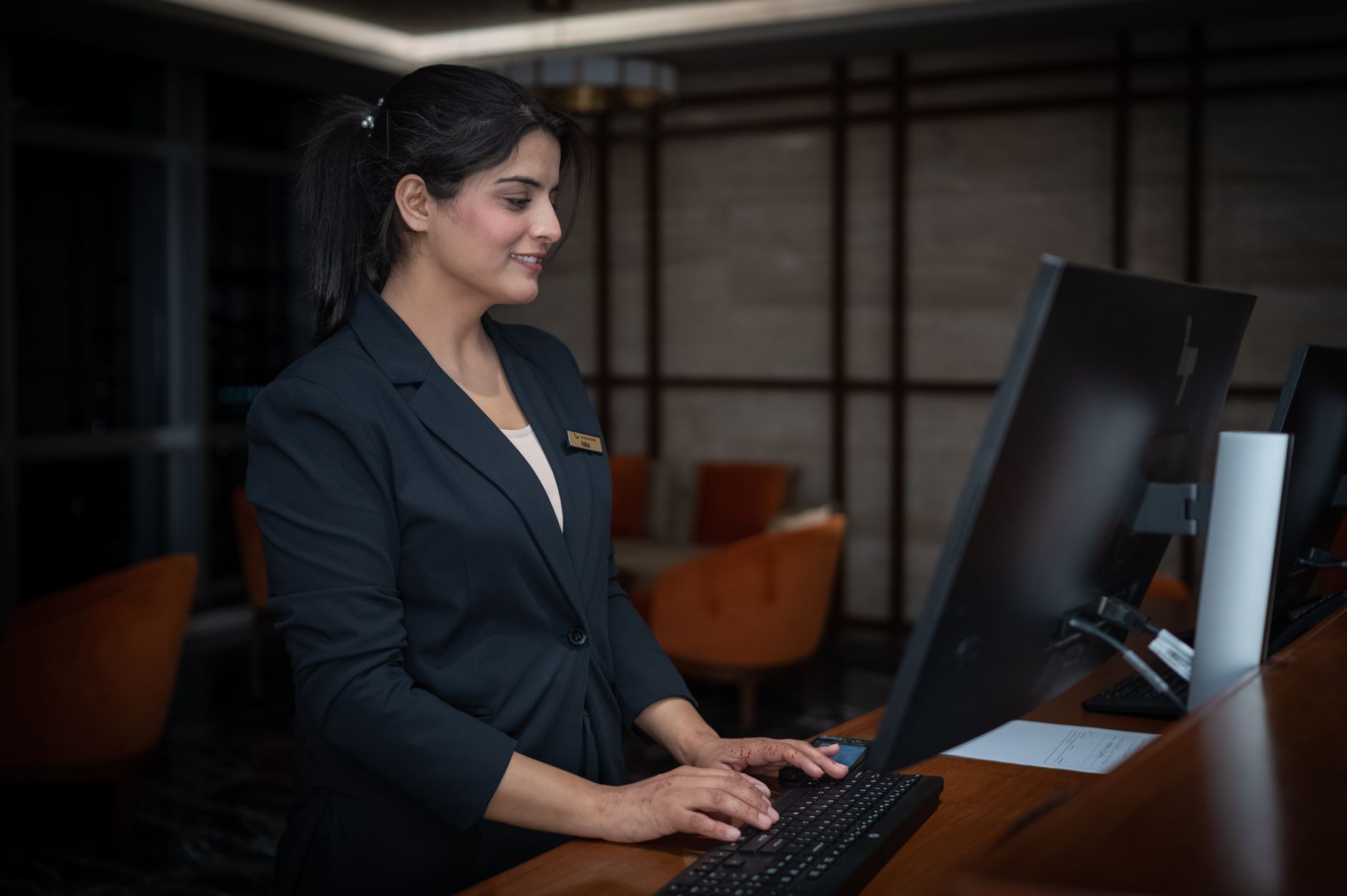
Use real wage and staffing data, then adjust for your property. The Bureau of Labor Statistics reports that in accommodation, the 2025 median annual wage was 34,900 dollars for maids and housekeeping cleaners, 34,990 dollars for hotel, motel, and resort desk clerks, and 45,640 dollars for first line supervisors of housekeeping and janitorial workers. Those figures are not a robot ROI by themselves, but they are a disciplined starting point for estimating the value of reclaimed hours.
The tighter pressure is not wage alone. It is churn and understaffing. The Bureau of Labor Statistics shows accommodation and food services had a 4.2 percent annual average quits rate in 2025. On top of that, an American Hotel and Lodging Association survey released March 17, 2026 found labor costs were a top financial pressure for 65 percent of hotel owners and operators, workforce shortages for 42 percent, and more than half said their properties were somewhat or severely understaffed.
For a small casino hotel, that means your budget model should value consistency. If a night shift autonomous scrubber covers the same route every night, or a service bot absorbs the same amenity trip every shift, the benefit is often less overtime, fewer interrupted supervisors, and fewer uncovered routines. Budget against the cost of unstable coverage, not just against one hourly wage line.
How should the rollout be phased over 12 to 24 months?
A smaller property should phase robots like any other 24 hour operating asset. Start narrow, learn fast, and expand only after the daily routine is boring. A pilot that touches one route, one shift, and one department is easier to budget, easier to measure, and much easier to rescue if the first workflow needs revision.
Months 1 through 3 should cover site assessment mapping, route definition, charger placement, staff training, and a clear go live metric. Months 4 through 9 are about steady use, service logs, and manager confidence. Months 10 through 24 are where you decide whether the property needs a second unit, a different application, or no expansion at all. Phased deployment no shutdown is the right discipline for compact gaming properties because every extra moving part shows up immediately in operations.
A practical budget worksheet for each phase should include lease rental or sale terms, service response expectations, training hours for the property team, cleaning chemical or accessory changes if relevant, and who owns daily checks. If those lines are missing, the budget is incomplete even if the monthly robot payment looks attractive.
Should a small casino hotel rent, lease, or buy?
There is no universal winner. The right financing path depends on cash position, accounting preferences, and how certain the property is about the use case. For many regional operators, robot as a service, robot rental monthly, or a lease purchase program is easier to defend because it keeps the project in an operating cadence and reduces the risk of owning the wrong unit too early.
Buying can make sense once the workflow is proven and the property wants a longer hold period. Financing is widely available through conventional lenders and SBA-backed structures. The U.S. Small Business Administration says its 7(a) program can support machinery and equipment purchases and installation, with a maximum loan amount of 5 million dollars. SBA also says its 504 program provides long term, fixed rate financing, allows up to 5.5 million dollars, and can be used for long term machinery and equipment with a useful remaining life of at least 10 years.
For a smaller casino hotel, the practical comparison is less about ideology and more about exposure. If the site is still learning traffic patterns, a casino service robot rental with maintenance included, remote triage, and emergency robot replacement usually carries less operational risk than a permanent asset decision. If the route is mature and the service model is trusted, buying or long term financing may become the cheaper path over time.
What changes in staffing, and what does not?
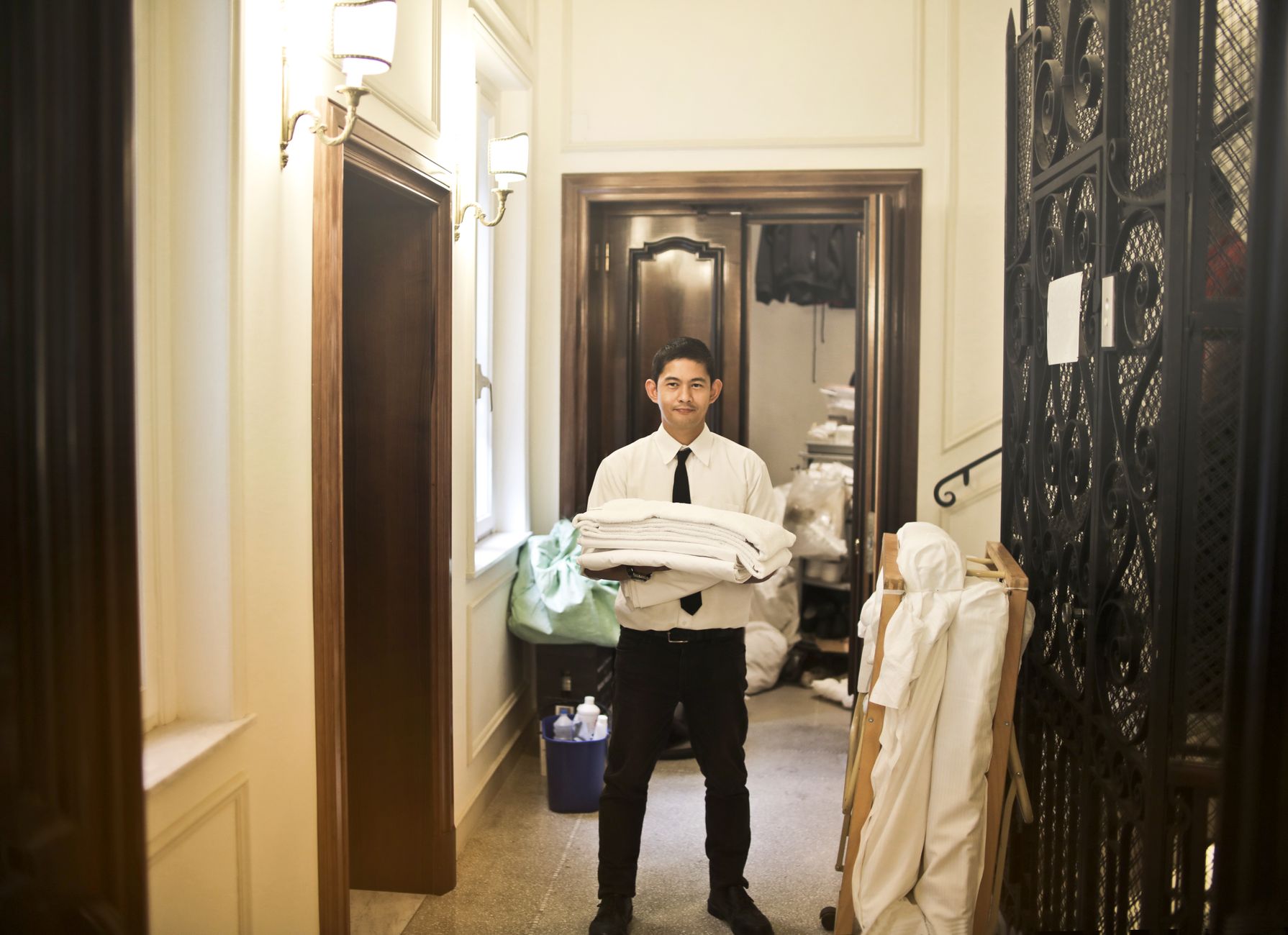
A sensible robot budget does not assume the machine replaces the entire role. It usually removes the dullest and most time boxed segment of the shift, then lets the team cover exceptions, guest contact, inspections, and resets with more consistency. In a casino hotel, that distinction matters. A floor robot can handle repetitive square footage, but it does not de escalate a guest complaint, inspect a restroom, or reset a beverage station.
The labor plan should therefore budget for one internal owner, usually a facilities, housekeeping, or operations lead, plus cross training for the shift that works around the robot most often. Keep the staffing model conservative in year one. Assume the property is buying reliability first and measurable labor relief second. If the robot produces both, expansion becomes much easier to justify to finance and operations.
Where Service Robot Co. fits in the budgeting process
This is the point where operator discipline matters more than brand loyalty. Service Robot Co. is an OEM neutral robot integrator for U.S. businesses, so a small casino hotel does not have to force its building into one manufacturer’s product line. The budgeting advantage is practical. You can spec the robot that fits your floor, traffic pattern, staffing reality, and financing preference, then keep one partner for finance, deployment, training, service, and lifecycle support.
For smaller gaming properties, that matters because the budget is usually less about fleet scale and more about risk control. A vendor neutral robot integrator can set up a robot pilot program, commercial robot demo, or free site assessment without pretending every property needs the same machine or the same contract shape. If the property wants commercial robot rental, month to month robot lease, or a longer lease purchase structure, the financial design can follow the facility sequence instead of dictating it.
The best small casino hotel robot budgets are not oversized, and they are not timid. They are specific. One workflow. One ownership model. One response plan. Then scale only when the first phase is stable.