Key takeaways
- Battery rooms can be robot-cleaned, but only with tight no-go zones and a written safety plan.
- Ventilation, corrosive residue, and ignition control matter more here than raw cleaning speed.
- Put docks, charging, and refill points outside the battery zone whenever possible.
- Humans still own spill response, charger checks, and any task near exposed electrical or electrolyte hazards.
- A good pilot starts on the travel lanes and dry perimeter first, then expands only after the room proves stable.
Can a robot clean a battery room safely?
Yes, but only if you treat the battery room as a controlled industrial space instead of just another warehouse floor. The safe use case is narrow and practical: an autonomous scrubber or vacuum handles routine dust and residue on travel lanes, around staging edges, and in the dry perimeter, while people keep ownership of charger inspections, spill response, and anything that crosses into live electrical or electrolyte risk.
That line matters. According to OSHA, battery charging installations must sit in designated areas, with ventilation for gassing fumes, fire protection, and facilities for flushing and neutralizing spilled electrolyte. In other words, a robot can support housekeeping, but it cannot be allowed to interfere with the safety controls that make the room legal and workable in the first place.
Why battery rooms punish ordinary cleaning routines
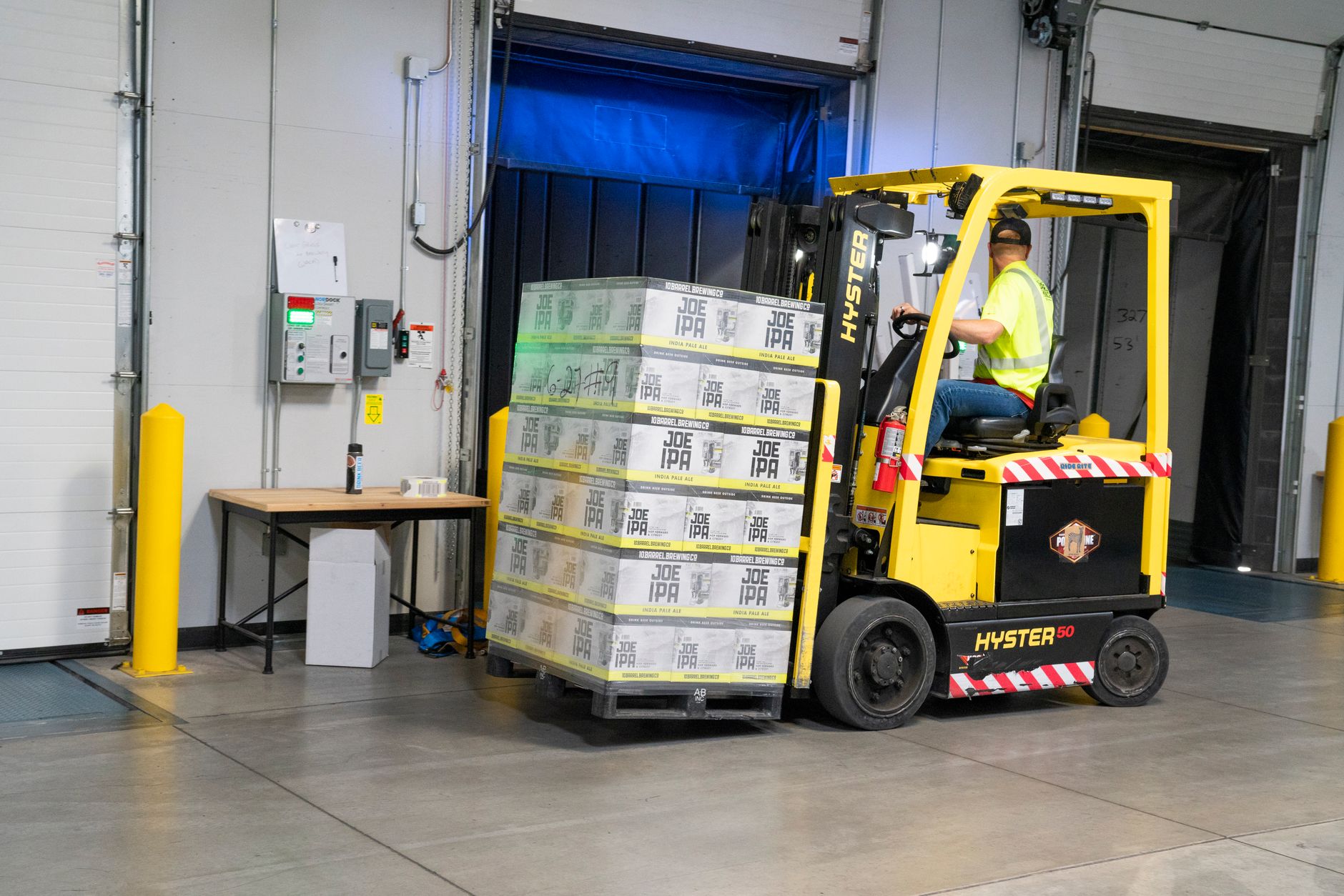
Battery rooms collect a rough mix of dust, wheel grit, water spots, and contamination from the charging process itself. In a forklift operation, traffic keeps dragging in warehouse soil while chargers, cables, stands, and battery-handling equipment break up the floor plan into awkward pockets. That is exactly the kind of environment where manual cleaning becomes inconsistent, because crews work around obstacles and skip the fiddly edges when the shift gets busy.
The hazards are not abstract. CCOHS notes that lead-acid charging generates hydrogen gas and sulfuric-acid risk, and that hydrogen is explosive in concentrations from 4.1 percent to 72 percent in air. The room may look quiet, but from a floor-care standpoint it is a place where residue, clutter, blocked airflow, and a badly placed charger dock can turn a small housekeeping problem into a serious safety miss.
Where robotic floor care actually helps
The best robot job in a battery room is the boring one. Dry sweeping, dust pickup, and repeat scrubbing on stable lanes are exactly what mobile cleaning robots are good at, especially if the room serves a large fleet and the same wheel tracks get dirty every day. This is where commercial cleaning robot rental or a robot pilot program can make sense, because the route is predictable and the result is easy to audit.
Use the robot to hold the baseline. Let it keep the outer aisles, approach lanes, and open floor sections consistently clean so your people can spend their time on detailed visual checks, spot cleanup, connectors, and exception work. In practical terms, robot floor cleaner rental pays off fastest when it removes the nightly drift that turns a charging area into a grimy, half-cleaned compromise.
- Main travel lanes between the room entrance and charging rows
- Dry perimeter zones outside the immediate charger face
- Wide staging strips where carts and trucks queue before or after charging
- Repeated wheel tracks where dust and residue build back up every shift
Set hard no-go zones around charging and swapping
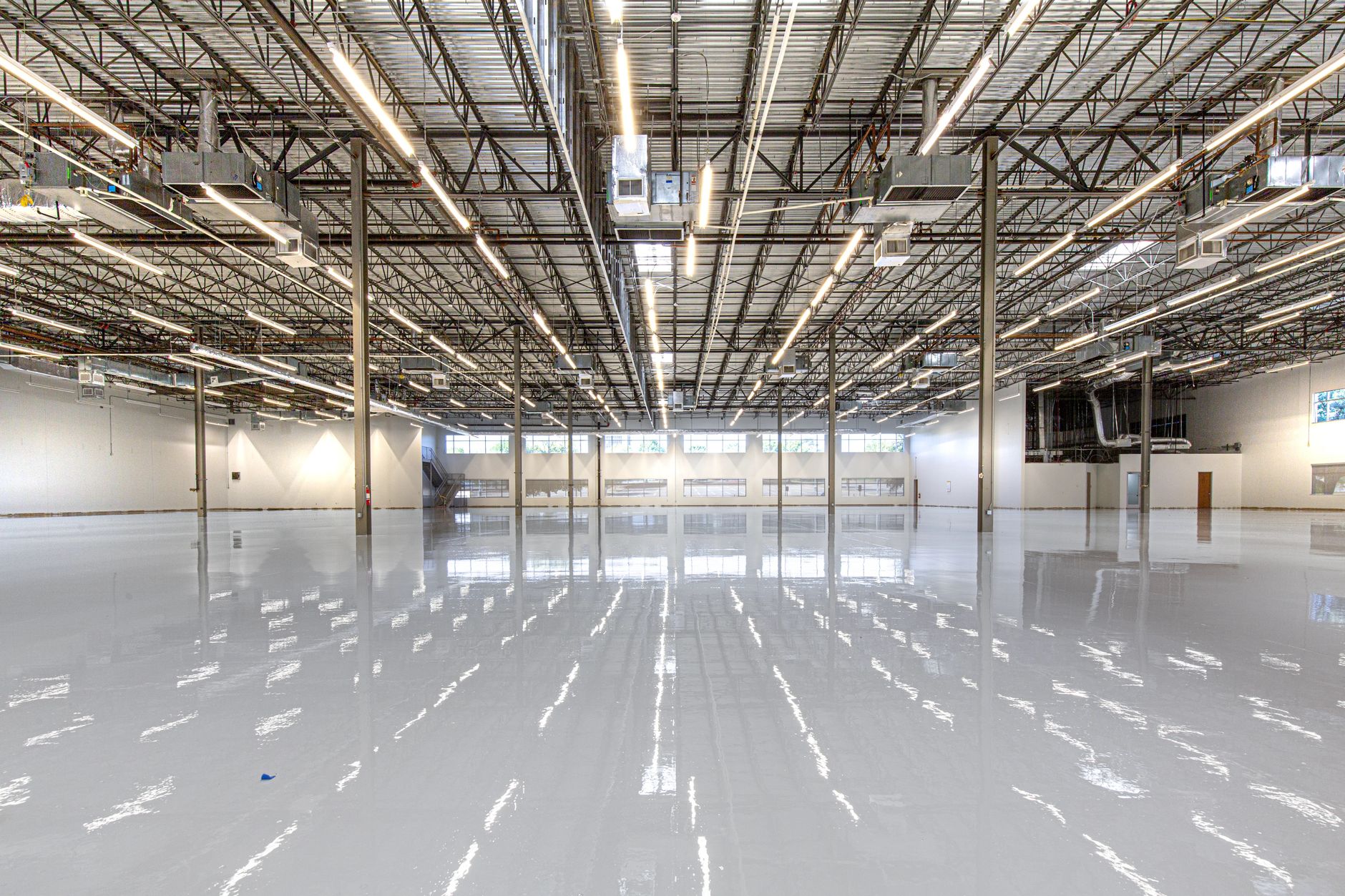
Battery rooms are not the place for loose autonomy. The robot should never freelance into spaces where a person may be handling cables, opening covers, topping up, cleaning corrosion, or working a battery change device. OSHA requires precautions against smoking, open flames, sparks, and electric arcs in charging areas, and it requires care around vent caps and open covers during charging. Your cleaning route has to respect that working envelope every time.
That usually means building permanent no-go polygons and temporary lockouts. If a charger is in use, if a battery is open, or if a spill kit is out, the robot stays clear. No exceptions. Good battery-room automation is less about bravado and more about disciplined exclusion zones.
- Directly in front of active chargers and charge cables
- Battery swap or extraction stations
- Eye wash, shower, spill-kit, and neutralization access paths
- Any position where covers are open or exposed terminals are being serviced
- Temporary cleanup zones after a leak, splash, or overheated battery event
Ventilation changes the cleaning plan
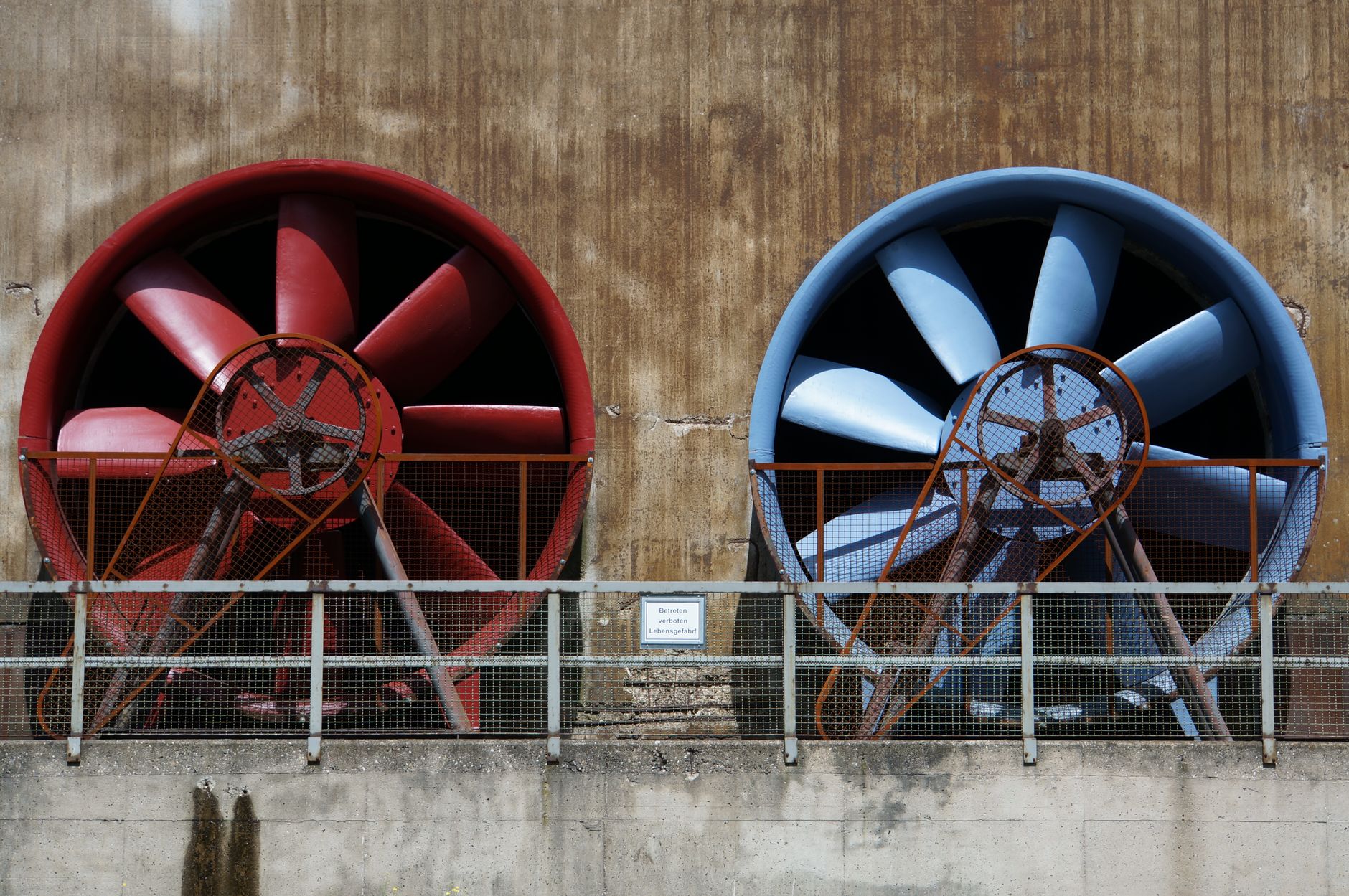
Ventilation is not a footnote here. It shapes where you dock, when you clean, and how you think about moisture and residue. CCOHS says many standards and codes aim to keep hydrogen below 25 percent of its lower explosive limit, or below 1 percent by volume, during worst-case charging. If airflow is weak, inconsistent, or blocked by stored material, do not try to paper over the problem with better housekeeping. Fix the room first.
Corrosive contamination also changes the chemistry question. Acid residue, mist, or leakage can attack surfaces and nearby equipment over time, especially in humid conditions. That means your cleaning process has to be compatible with the room, your pads and brushes must be chosen for the actual floor and residue, and your maintenance routine has to catch buildup on the robot itself before it migrates into motors, sensors, or docks.
Put docks and service points outside the hazard
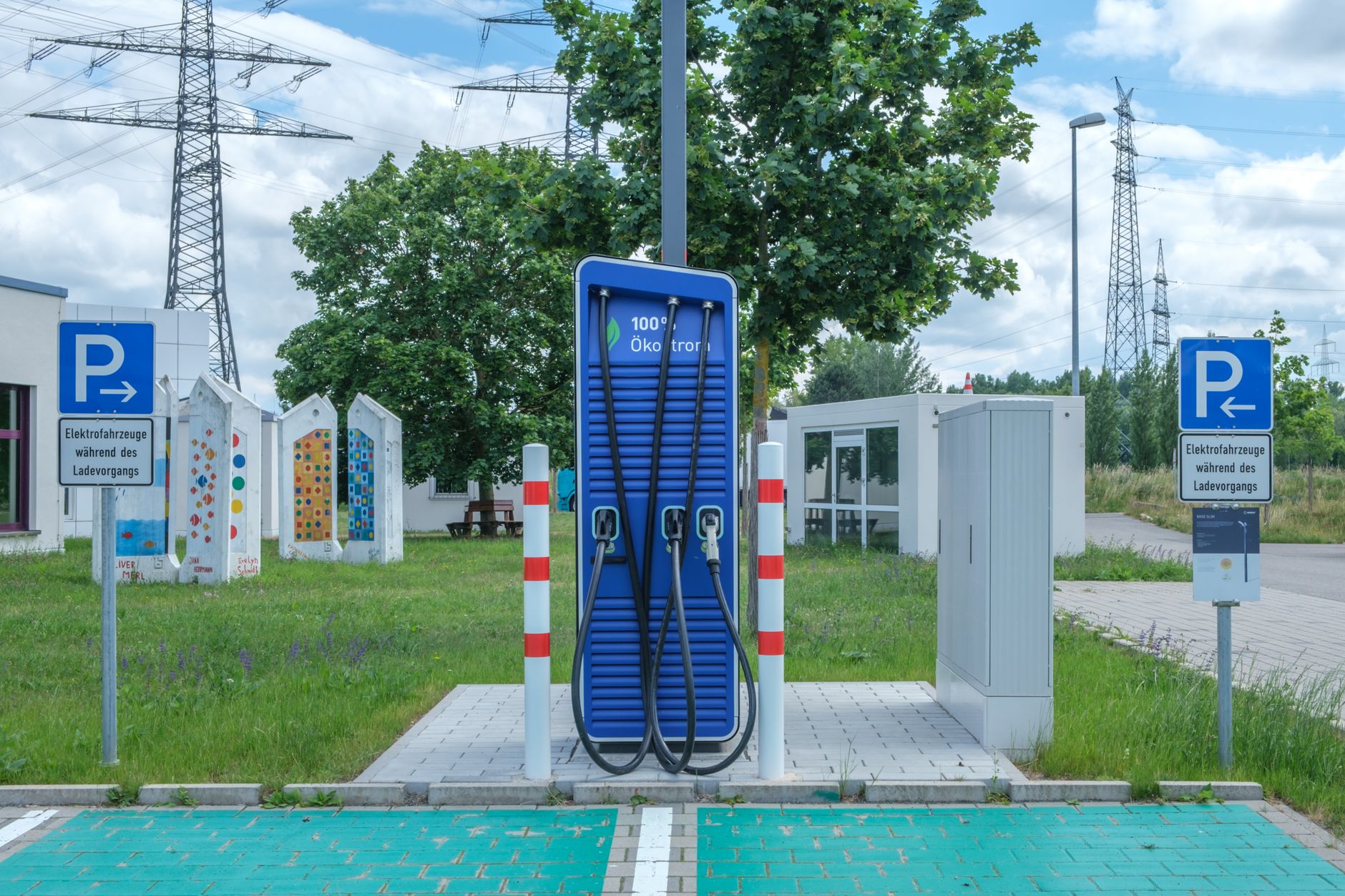
This is where many otherwise sensible projects go sideways. If the robot dock sits inside the battery room, you have created one more powered device, one more maintenance touchpoint, and one more thing to route around in the very space you are trying to keep controlled. In most warehouses, the smarter move is to dock just outside the room, then let the machine enter only for its planned cleaning window and only on the approved route.
Keep refill, charging, and recovery work out of the battery zone whenever you can. A warehouse cleaning robot rental or floor scrubber monthly lease becomes much easier to support when the service routine happens in ordinary warehouse air, on a clean pad, with safe access for technicians and no conflict with battery-handling operations.
- Dock outside the room or in the dry outer perimeter
- Avoid charger vents, cable runs, and emergency fixtures
- Leave clear egress around doors and pedestrian escape paths
- Make manual takeover possible without stepping through active charging work
Human procedures still carry the real risk
A robot can clean the floor. It cannot judge a swollen battery, smell a hot connector, or decide whether residue is ordinary dust or the early sign of a leak. OSHA and CCOHS both make the human layer unmistakable: trained personnel, ignition control, spill response, PPE, and emergency wash access are not optional. If your battery room relies on the robot to compensate for weak discipline, you are using the wrong tool for the job.
The right division of labor is simple. People inspect and decide. The robot repeats and sustains. That split is one reason Service Robot Co. treats robot deployment and integration as an operations project, not just a machine drop. A battery room pilot needs route mapping, site assessment, training, clear SOPs, and a support plan for when the room is temporarily unsafe for autonomous work.
What a good pilot looks like
Start small. Pick one battery room or one clearly bounded charging zone, run the robot on the dry floor areas first, and measure what improves: visual cleanliness, time returned to the team, consistency of overnight floor care, and how often the route has to be paused because the room is in active use. That is a better proof than any generic monthly pricing guide or robot demo lap in an empty aisle.
From there, expand only if the room keeps passing the same tests. Stable ventilation. Predictable charger occupancy. No recurring corrosion surprises. No blocked emergency fixtures. If those basics hold, autonomous floor scrubber rental or a longer robot rental monthly plan can be justified. If they do not, the answer is to tighten the battery-room process before you scale the robot.
Where Service Robot Co. fits
Battery-room cleaning is not a commodity buy. The machine has to fit the route, the floor, the hazard boundaries, and the service model behind it. Service Robot Co. approaches that as a full lifecycle job: site assessment mapping, robot selection, finance path, deployment, operator training, and service coverage through a nationwide network of regional service engineers.
That matters more in a battery room than in a plain open floor. A vendor neutral robot integrator can tell you when the answer is a compact scrubber, when it is a dry vacuum first, when the dock belongs outside the room, and when the safest answer is to postpone automation until the charging area itself is under better control.