Key takeaways
- Start with the handoff, not the hardware. A school robot is useful only if it gets the right alert to the right adult fast.
- For K-12 interiors, the winning machine is usually the one that handles crowded transitions, glass vestibules, and evening events without spooking families.
- Privacy rules matter as much as sensing. Video that becomes part of discipline or student records needs tighter controls than many buyers expect.
- Budget discipline favors programs with maintenance included, local service coverage, and a clear human response playbook over feature-heavy demos.
What should a school compare first?
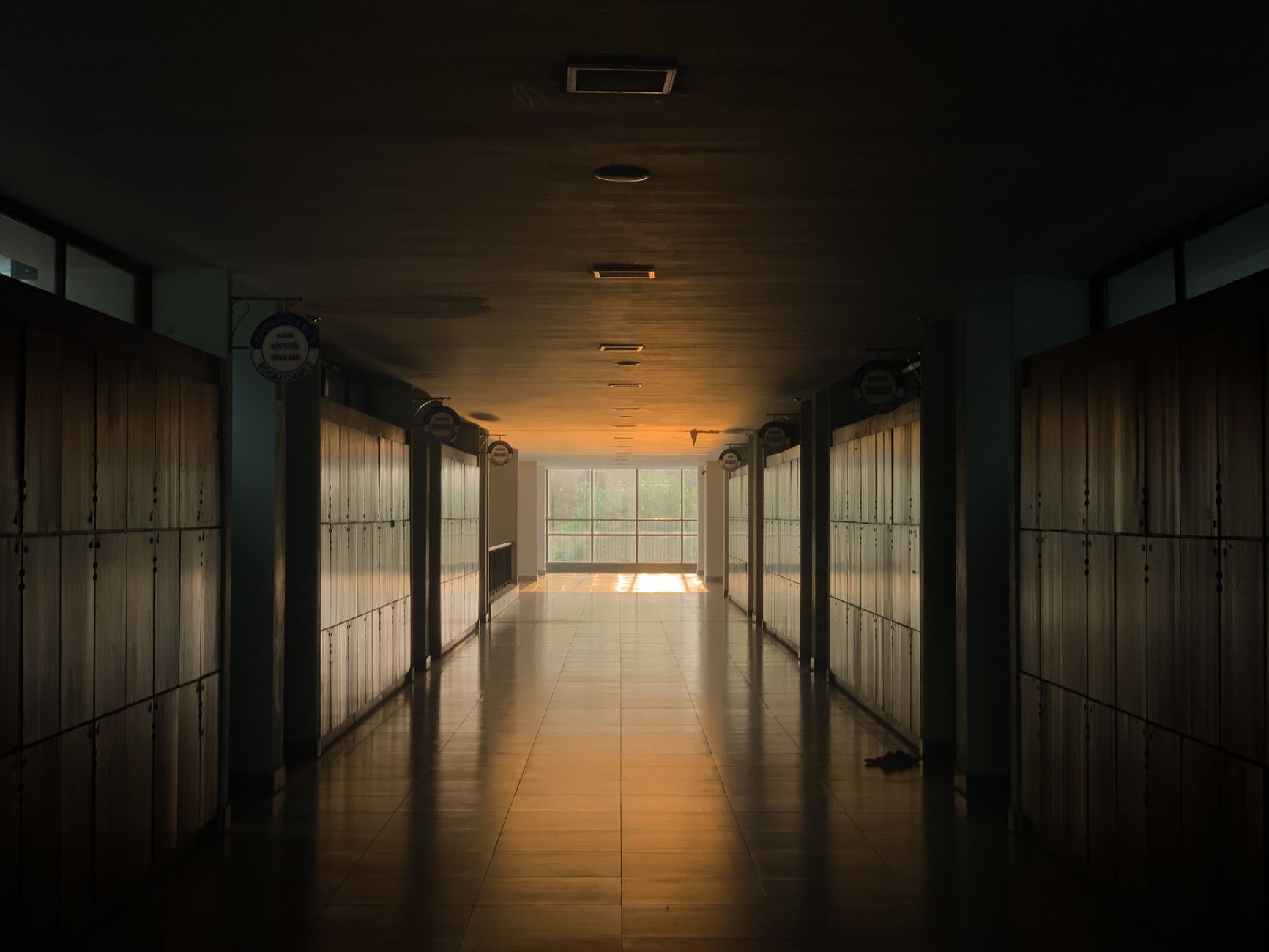
School operators should compare indoor patrol robots by asking one blunt question first: can this machine make adults faster, calmer, and better informed in the exact places where schools get messy? In practice, that means hallways between bells, vestibules during arrival and dismissal, gym lobbies before events, and after-hours circulation when staffing thins out.
The best fit is rarely the robot with the longest spec sheet. It is the one with dependable people detection, useful audio for two-way interaction, disciplined privacy controls, and a clean handoff into front office staff, campus security, or local responders. According to the National Center for Education Statistics, 97 percent of public schools already control access to school buildings during school hours and 93 percent use security cameras. A patrol robot should strengthen that existing stack, not duplicate it.
Why are indoor school patrols different from other buildings?
K-12 interiors are unusually sensitive operating environments. The foot traffic changes by the minute, minors are present all day, and a routine hallway correction can become a parent relations issue by sunset. A machine that works fine in a warehouse lobby may feel clumsy in a middle school corridor where passing periods compress hundreds of students into a short window.
Schools also run on rituals. Arrival, lunch, dismissal, games, concerts, and parent nights each change noise, density, and supervision patterns. The National Center for Education Statistics reports that 89 percent of students ages 12 to 18 said security cameras were used at school in 2021-22, and 83.1 percent said entrances or exits were locked during the day. That means a robot is entering an environment where students already notice security measures, so the question is not visibility alone. It is how visible security behaves.
- Hallways need reliable navigation through dense, shifting pedestrian flow.
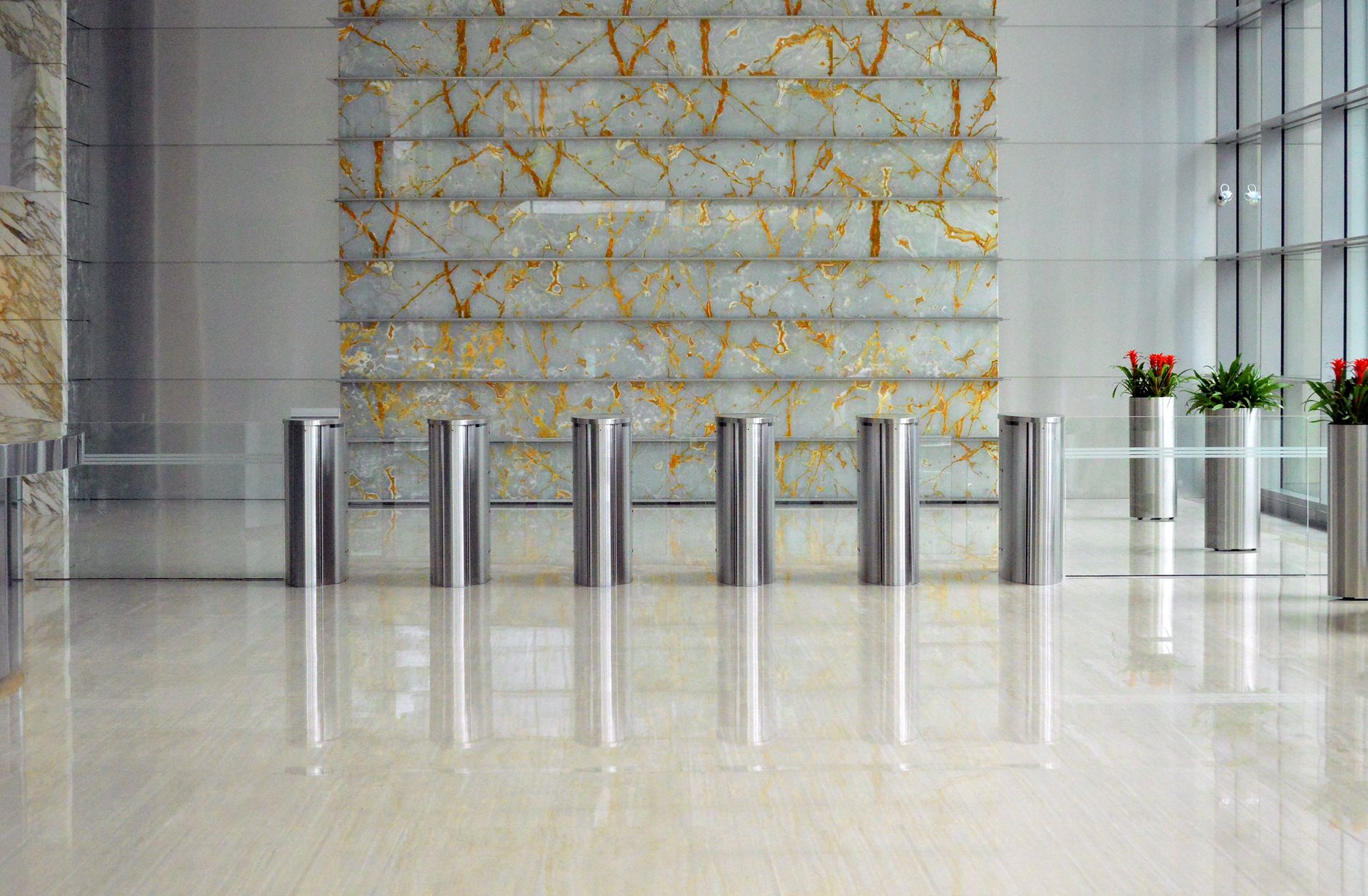
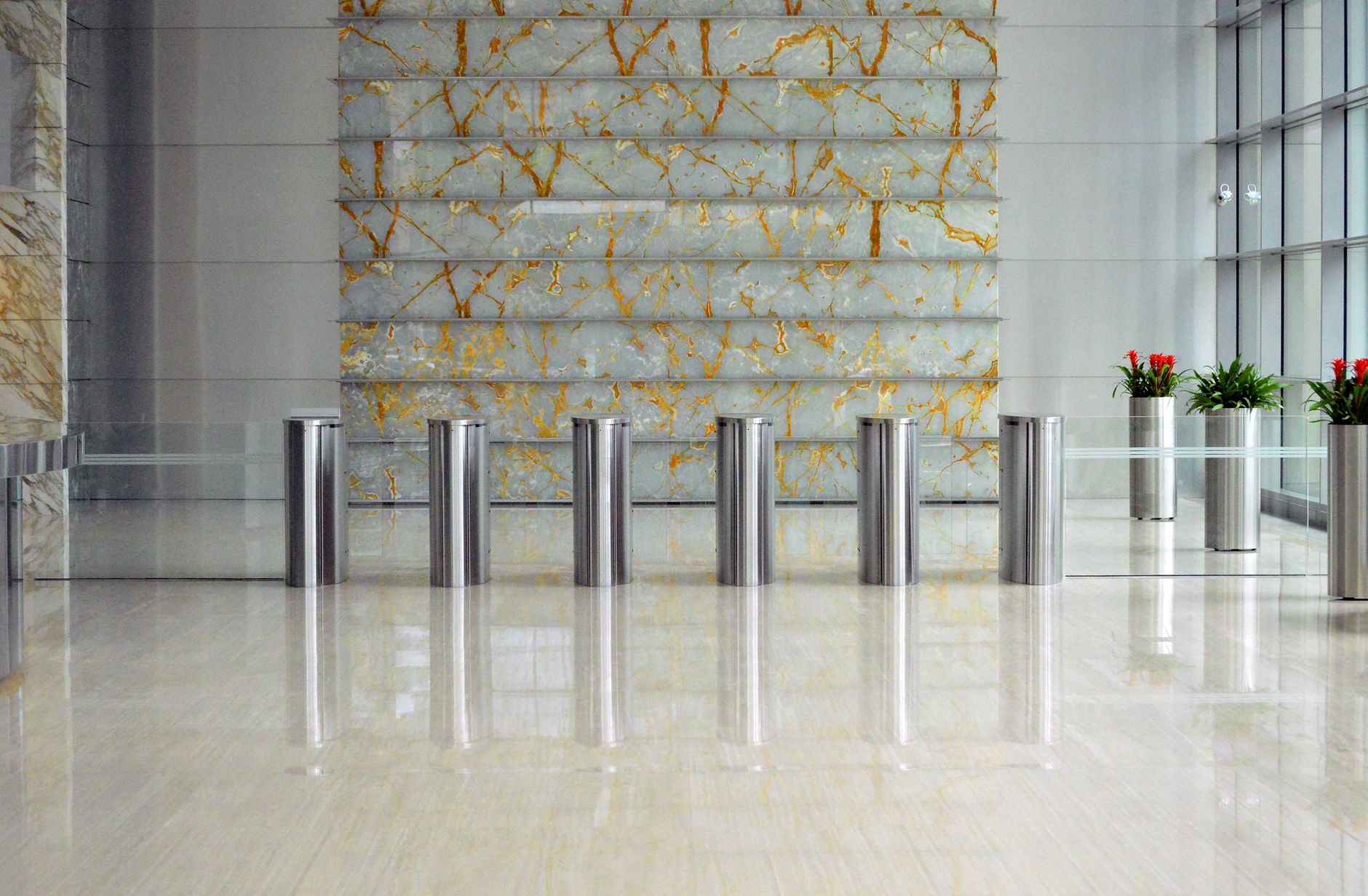
- Vestibules need clear line of sight through glass, doors, and queueing visitors.
- Gym lobbies need crowd monitoring that still feels appropriate during family events.
- After-hours routes need dependable exception alerts when only a few adults remain on site.
Which sensing capabilities actually matter indoors?
Buyers should focus on detection quality in real school conditions, not marketing language. A patrol robot in a school needs to notice blocked doors, people lingering where they should not, sudden crowding, and anomalies during low-occupancy periods. It also needs to keep operating around backpacks, rolling carts, reflections off trophy cases, and bright vestibule glass.
Ask for proof on three fronts. First, how well does the platform classify people and movement in tight corridors. Second, how often does it create nuisance alerts during passing periods. Third, what happens when Wi-Fi drops, a route is obstructed, or the machine loses sightlines near doors. CISA's K-12 school security guidance frames school protection as a layered physical security effort. A robot should be judged as one layer in that system, not as a roaming substitute for good doors, cameras, staffing, and procedures.
- Person detection in mixed lighting and reflective interiors
- Audio quality for live talk-down or remote check-ins
- Accurate door-area monitoring without constant false positives
- Local obstacle handling during class changes and event ingress
- Graceful fallback when network, maps, or routes degrade
How should schools judge de-escalation support?
This is where many comparisons go soft. A school patrol robot should not be sold as an enforcement tool. It should be evaluated as an observation and communication tool that helps adults intervene earlier, with better context, and with less confusion. In a vestibule dispute or an agitated post-game crowd, the useful question is whether the robot can help a trained adult establish presence, gather context, and direct the next safe step.
That posture matches federal guidance. The U.S. Department of Education says schools should rely on positive, proactive supports and avoid reactive restraint or seclusion except in situations of imminent danger. In January 2025, the Department highlighted that more than 50,000 public school students were restrained or secluded during the 2020-21 school year. A robot comparison for K-12 should therefore reward calm voice capability, quick live connection to staff, and precise location sharing. It should not reward theatrical deterrence features that raise the emotional temperature.
- Can an adult speak through the robot instantly from a front desk or security post?
- Does the audio remain intelligible in a loud gym lobby?
- Can staff trigger a standard verbal script for redirecting visitors or students?
- Does the alert include exact location, camera view, and event context for the responding adult?
What privacy questions belong in the RFP?
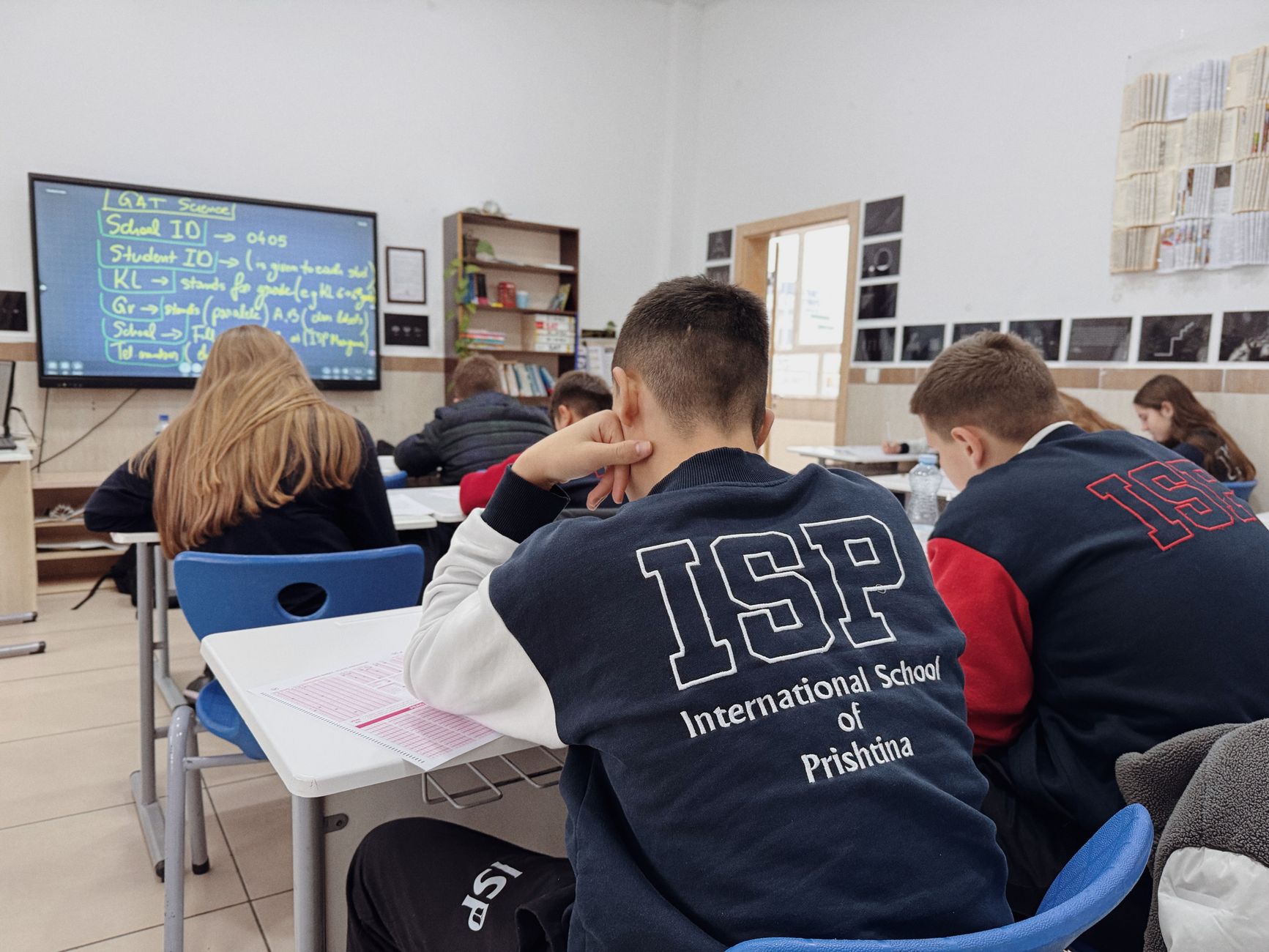
Privacy is not a side note in schools. It is part of the buying decision. The U.S. Department of Education's FERPA guidance says a photo or video is an education record when it is directly related to a student and maintained by the school or by a party acting for the school. The same guidance notes that a hallway fight video used for discipline is directly related to those students. That changes retention, access, and disclosure expectations immediately.
Schools should ask where video is stored, who can access it, how long it is retained, and what happens when footage shifts from routine monitoring to a disciplinary record. They should also ask whether the provider is acting under the school's direct control as a school official or contractor for FERPA purposes. If those answers are fuzzy, move on. School buyers do not need a privacy science project. They need clean governance.
- Retention schedule for routine footage versus incident footage
- Role-based access for principals, security staff, and district administrators
- Audit logs for who viewed or exported video
- Written controls on redisclosure and vendor use of student-related data
- Clear process for redaction when a record involves multiple students
What does good human handoff look like during an incident?
A good handoff is boring in the best sense. The robot sees something unusual, packages the right context, and gets that package to a human who already knows what to do next. That alert needs location, live view, timestamp, severity, and a short action recommendation. Without that chain, a patrol robot turns into another screen people ignore.
This matters because schools already operate under layered safety and emergency planning expectations. The Department of Education and SchoolSafety.gov both emphasize drills, exercises, and emergency operations planning. So when you compare systems, ask to see the exact workflow from alert to acknowledgment to adult arrival. If it takes four app hops, unclear ownership, or a specialist operator no school has on payroll, the system is not ready for a Tuesday night volleyball crowd.
- Alert goes to the right adults by role and time of day
- Location is recognizable in school terms, not just map coordinates
- Staff can acknowledge and escalate without leaving their normal workflow
- Incident clips can be preserved without exposing more student data than necessary
How do limited budgets change the comparison?
Public schools do not buy patrol technology in a vacuum. They buy it beside door hardware, radios, cameras, counseling, substitutes, and bus needs. That is why operating model matters as much as hardware. A robot as a service structure, a robot leasing for business option, or a security patrol robot rental can make more sense than a capital purchase if the program includes maintenance, remote triage, and on-site dispatch.
This is one place where Service Robot Co. can matter. The company is an OEM-neutral, full-service commercial robot integrator for U.S. businesses, which matters for districts that want one vendor for financing, deployment, integration, training, and service without betting the whole program on a single manufacturer. For schools, that means comparing not just a machine, but the whole lifecycle: site assessment mapping, staff training, spare unit coverage, and who picks up the phone when a robot stops in a vestibule before open house.
- Maintenance included and a stated service response path
- Nationwide field support for multi-campus districts
- Pilot structure that proves fit before a broad rollout
- Integration support for cameras, access workflows, and reporting
- Contract language that defines uptime expectations and escalation
What should a principal or facilities lead ask in a live demo?
Insist on a school-like demo, not an empty showroom run. Put the robot through a class-change simulation, a visitor check-in rush, and a noisy event entry. Ask it to navigate around backpacks on the floor, double doors, polished tile glare, and a temporarily blocked route. Then look at the alert trail. Did the machine produce usable information or just motion noise.
The strongest school evaluations end with a practical scorecard. Give weight to calm behavior, operator clarity, privacy governance, and the quality of human handoff. Give less weight to novelty. A school is not buying a mascot. It is buying a disciplined indoor tool that must fit campus culture, family expectations, and a thin staffing model after 5 p.m.
- Show me the alert from first detection to staff acknowledgment.
- Show me what parents or students would actually hear from the robot.
- Show me how footage is retained, exported, and permissioned.
- Show me recovery after a blocked path, dead spot, or door-area crowd.
- Show me who services the unit in our area and what happens if it fails on event night.
Frequently asked questions
Sources
- NCES Indicators of School Crime and Safety 2024 release
- NCES Safety and Security Practices at Public Schools
- NCES Digest Table 233.60 school security measures 2021-22
- NCES student-reported school security measures 2021-22
- U.S. Department of Education FERPA photos and videos FAQ
- U.S. Department of Education FERPA school official FAQ
- U.S. Department of Education K-12 cybersecurity page
- U.S. Department of Education January 8 2025 restraint and seclusion letter