Key takeaways
- Build the pilot around infection control first, not labor savings first.
- In-center hemodialysis usually runs three treatments a week for about four hours each, so real cleaning downtime is tighter than many operators expect.
- CDC guidance requires cleaning and disinfection of the dialysis station and floors in the patient zone before and after every patient, which shapes where a robot can and cannot work.
- A good pilot proves three things at once: safe navigation, documented cleaning consistency, and fit with the clinic's turnover rhythm.
- Start with corridors, waiting areas, and other repeatable zones, then expand only after the robot earns trust in the live workflow.
What does a workable pilot actually look like?
A workable pilot in a busy dialysis clinic is narrow, disciplined, and staged. You do not begin by asking a robot to clean everything. You begin by selecting a few repeatable floor areas, setting a short test window, and measuring whether the machine can clean without colliding with foot traffic, interrupting patient flow, or creating friction for the infection prevention routine your staff already follows.
That matters because dialysis clinics are not quiet outpatient shells. According to the National Institute of Diabetes and Digestive and Kidney Diseases, in-center hemodialysis typically happens three times a week for about four hours per session. That cadence compresses the operating day, creates recurring chair turnover, and leaves a smaller overnight cleaning window than many non-healthcare sites have.
The pilot should therefore focus on work humans struggle to do consistently under time pressure: long hard-floor runs, predictable perimeter routes, and overnight floor care in common areas. Manual teams should keep the patient station turnover work that CDC places on a strict between-patient timetable. The robot earns its role by reducing repetitive floor labor around that process, not by competing with it.
- Pilot length: 30 to 45 days is usually enough to capture shift variation, staff adoption, and service issues.
- Pilot zones first: lobby, waiting room, reception perimeter, main corridors, staff corridors, and other non-treatment hard-floor zones.
- Hold out at first: tight chair-side areas during active treatment, cluttered supply pinch points, and any zone where cords, stools, and urgent care activity change minute to minute.
- Success measures: route completion, documented coverage, missed-area rate, staff interventions per shift, and whether the robot fits the cleaning schedule without pushing other sanitation tasks late.
Why are dialysis clinics a special case for robotic floor care?
The operating constraint is not just traffic. It is traffic inside an infection-sensitive care setting. CDC says adults on dialysis are 100 times more likely to have a staph bloodstream infection than adults not on dialysis. That single fact should shape the whole pilot. In this environment, cleanliness is not just appearance management. It is tied to patient risk.
The second constraint is the treatment bay itself. CDC's environmental cleaning guidance for hemodialysis units calls for cleaning and disinfection of all surfaces of the dialysis station or area, including the bed or chair, countertops, external surfaces of the machine, and floors in the patient zone, before and after every patient. After the last patient, CDC also calls for a terminal clean that includes high-touch surfaces and the entire floor.
That means a robot pilot must respect the line between broad-area floor care and point-of-care turnover. If the clinic blurs those two jobs, the test becomes messy fast. A robot can be useful in dialysis. It just has to be assigned the right ground and the right moment in the shift.
Which areas should the robot handle first?
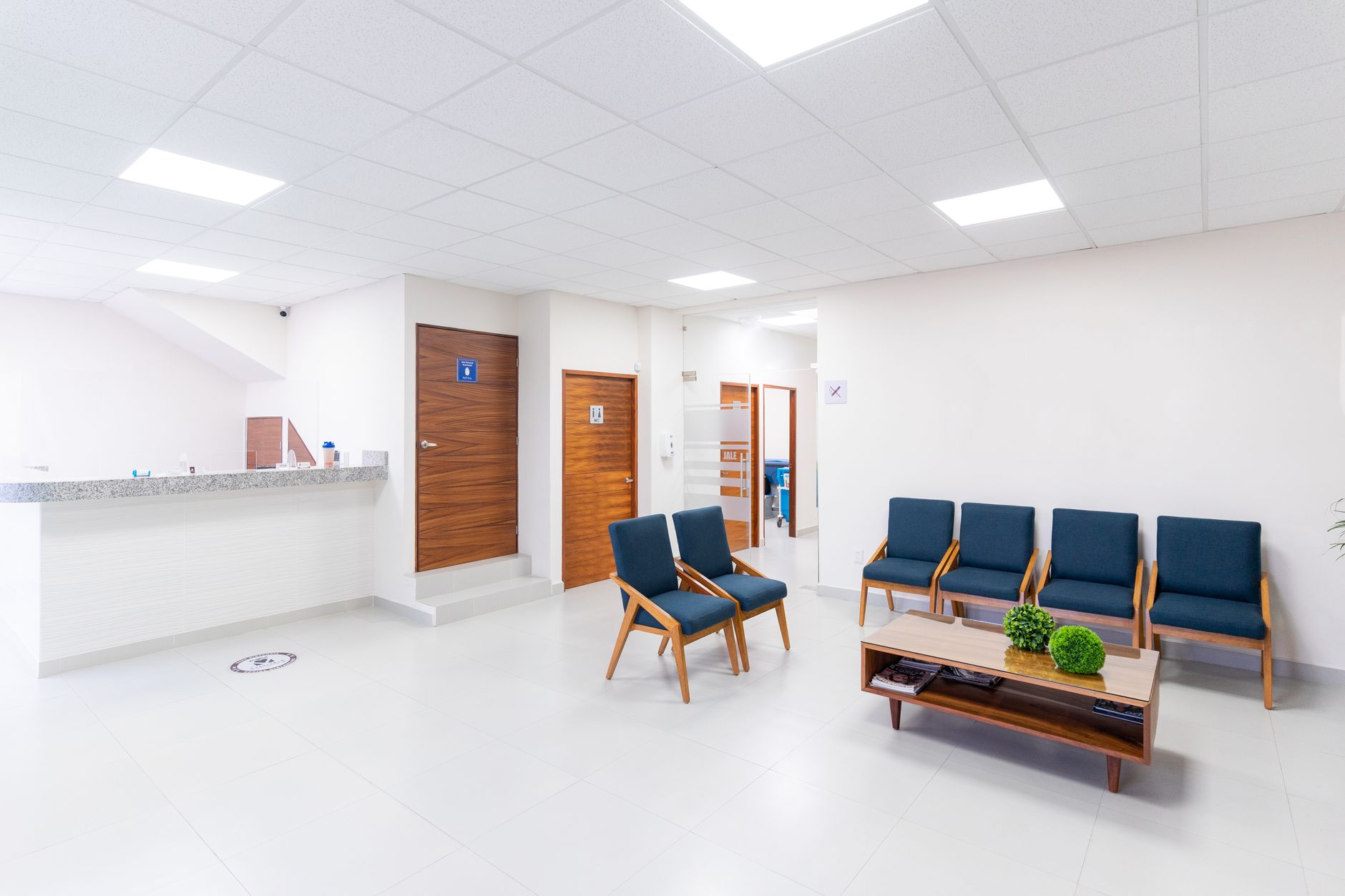
Start where the floor is important, repeatable, and not tied to chair turnover. In most dialysis clinics, that means the entry sequence, waiting area, public corridor, staff corridor, and any open hard-floor space that sees steady but understandable traffic. These are the areas where autonomous scrubbers usually prove value first because the route logic is stable and the sanitation demand is daily.
Keep the first map small enough that staff can tell, at a glance, if the robot improved the night. An oversized pilot hides weak points. A smaller pilot exposes them. You want to know if the machine can navigate parked wheelchairs, late deliveries, and partially moved seating without repeated rescue calls.
Once those zones run cleanly for a few weeks, add one harder area, such as a broad treatment-room perimeter after the last patient has left and manual disinfection is complete. Expansion should follow demonstrated reliability, not enthusiasm.
- Best first zones: vestibule, reception perimeter, waiting room lanes, public restroom approaches, main hallways, back-of-house corridors.
- Best second-wave zones: open treatment-room perimeter after-hours, breakroom approaches, large utility corridors.
- Usually manual only at first: chair-side patient zones during operating hours, narrow storage chokepoints, medication-adjacent spaces, and areas with frequent temporary equipment staging.
How do you fit the robot into CDC cleaning rules?
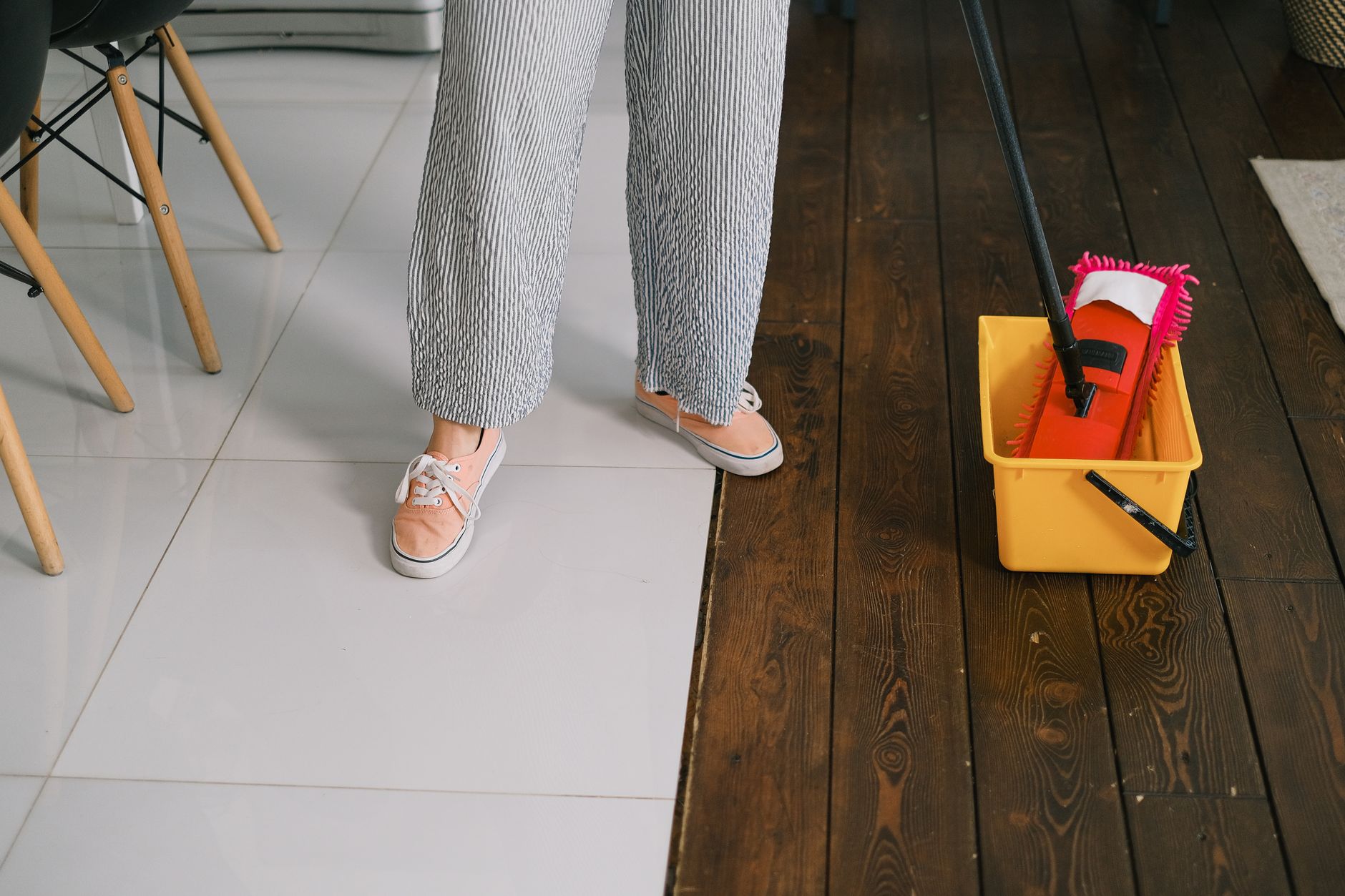
The cleanest pilot design is a split-duty model. Staff keep responsibility for between-patient disinfection, visible blood or body-fluid events, and detailed work on dialysis stations and adjacent touch surfaces. The robot handles broader floor passes only when those manual tasks are done and the route is clear. This keeps accountability sharp and reduces arguments about who missed what.
CDC's dialysis resources also emphasize using EPA-registered hospital disinfectants, following label contact times, and avoiding reuse of wipes or other supplies across surfaces in a way that could spread contamination. For clinic operators, the operational takeaway is simple. Do not force the robot into a chemical or workflow pattern that conflicts with the disinfectant protocol already approved for the site.
In practice, that means your pilot checklist should include the robot's solution compatibility, recovery performance, drying time, and what staff must still inspect after each autonomous pass. In dialysis, wet floors that linger are not a small nuisance. They are a trust problem and, potentially, a safety problem.
- Define a hard handoff: manual disinfection first where required, robotic floor pass second where allowed.
- Validate chemical fit with the clinic's approved disinfectant process before go-live.
- Record drying time, because overnight cleaning no operator only works if floors are ready before the first patients arrive.
- Create an exception rule: any blood or body-fluid event takes the route out of autonomous service until manual response is complete.
What should the overnight test plan measure?
A serious pilot in healthcare lives or dies on evidence. The robot should log every route, pause, intervention, and completion time. The clinic should pair that data with a supervisor checklist that records floor appearance, residual moisture, obstacle hotspots, and whether the machine forced the janitorial team to work around it instead of with it.
Use the overnight window to answer operational questions, not just technical ones. Did the machine finish before opening prep began. Did the route leave enough time for manual terminal work. Did it cause extra setup and teardown that erased the labor benefit. These questions are more important than headline coverage numbers.
Service Robot Co. typically advises operators to compare the robot against the exact manual standard it is supposed to replace or reduce. In a dialysis clinic, that means timing the current floor-care routine honestly, then measuring whether the robot produces a cleaner and more predictable morning without creating extra burden for nurses, technicians, or the EVS lead.
- Core metrics: route completion rate, square footage covered, average intervention count, average dry-back time, and time returned to staff.
- Clinical-fit metrics: zero interference with patient start times, zero blocked egress paths, and zero missed manual disinfection steps caused by the pilot.
- Management metrics: fewer re-cleans, fewer complaint triggers, and a stable close-to-open cleaning sequence.
How do you keep foot traffic from wrecking the pilot?
Busy dialysis clinics have recurring micro-surges: arrival waves, departure waves, family pickups, supply drops, and staff movement around shift change. If you send the robot into those moments, you are not testing robotic floor care. You are staging a navigation stress test no operator asked for.
Instead, build routes around traffic windows. Run public-zone passes after the last heavy departure, then return for a shorter touch-up pass later if needed. During the day, if the clinic wants to test light operation in occupied spaces, keep it to broad corridors and do it with a staff escort for the first phase. The goal is to learn where the machine can coexist with traffic, not to prove bravado.
This is also where route geometry matters. A robot that works beautifully in a wide medical office may struggle in a dialysis clinic with tighter turns, wall boxes, parked scales, and ad hoc seating. A pilot should expose that early so the clinic decides based on its own floor, not a warehouse demo or a hospital case study.
When does a full-service integrator matter?
In a healthcare pilot, the machine is only part of the job. Someone still has to choose the right unit, map the clinic, define handoff rules, train the night team, tune the routes after the first surprises, and keep the equipment running if the test extends across multiple sites or shifts. That is where a full-service commercial robot integrator earns its place.
Service Robot Co. is OEM-neutral, so the clinic is not locked into a single manufacturer just because that is what one seller carries. We pick the right robots across manufacturers, then finance, deploy, integrate, train, and service every unit through a nationwide US engineer network. For operators who want commercial cleaning robot rental, robot leasing for business, or a robot pilot program before a larger commitment, that single-owner model reduces coordination drag.
For a dialysis operator, the practical advantage is one partner across the lifecycle. Site assessment mapping, go live support, remote triage, on-site dispatch, and ongoing service stay under one roof. In a setting where even a small operational miss can spill into patient care timing, that matters more than a glossy hardware spec sheet.
How do you decide if the pilot should expand?
Expand only after the clinic can say yes to three questions. First, did the robot clean the chosen zones to the standard the site expects. Second, did it fit the infection-control workflow without creating ambiguity. Third, did it reduce repetitive floor-care burden enough to justify the added system.
If the answer to any of those is no, do not widen the map yet. Adjust the route, reduce the zone, change the shift timing, or reconsider the machine class. A disciplined pilot that ends with a narrower but dependable scope is a success. A broad pilot that earns skepticism from staff is not.
According to NIDDK, more than 808,000 people in the United States are living with end-stage kidney disease, and 68 percent are on dialysis. This is a large, recurring care environment, but it is made up of highly operational local sites. The clinics that win with robotic floor care are the ones that treat the pilot as process design, not gadget theater.
Frequently asked questions
Sources
- NIDDK Hemodialysis Overview
- CDC Environmental Cleaning Procedures for Hemodialysis Units
- CDC Disinfection in the Hemodialysis Unit
- CDC Dialysis Surveillance Report 2014-2019
- CDC Vital Signs on Dialysis Infections
- CDC Dialysis Wall Boxes and Drains Guidance
- NIDDK Kidney Disease Statistics for the United States
- CMS Medicare Dialysis Facilities Data