Key takeaways
- Start with one repeatable zone, usually lobby and donor-floor perimeter routes, not the screening desk or phlebotomy touchpoints.
- Build the pilot around real plasma-center timing: first visits can take about 2 hours and return visits about 90 minutes, so route plans must protect check-in and chair turnover.
- Treat blood and body-fluid events as staff-led exceptions. OSHA and CDC guidance support immediate manual cleanup and documented decontamination, not routine robotic handling.
- Success should be measured in labor redeployment, completed cleaning cycles, spill-response compliance, and queue stability, not in robot run hours alone.
What does a good pilot actually look like?
A good plasma-center robot pilot is narrow, scheduled, and operationally boring. You begin with one machine, one site, one cleaning scope, and one shift window. In practice that means routine floor care in public circulation areas and chair-adjacent perimeter lanes, while staff keep ownership of donor screening rooms, needle-touch procedures, and any blood or body-fluid event that requires immediate manual response.
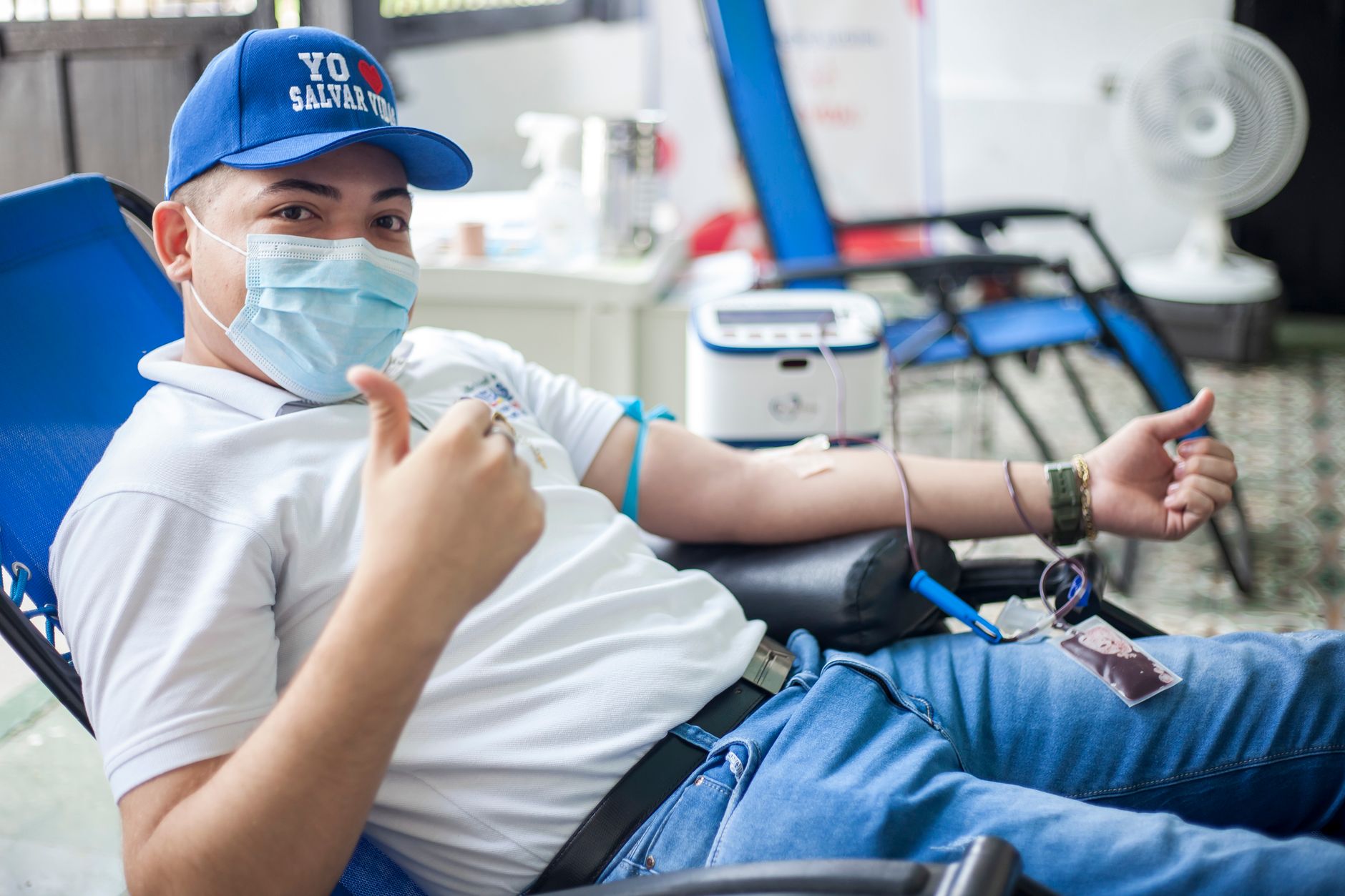
That approach fits how plasma centers really run. According to HHS, a first plasma donation can take about 2 hours and return visits about 90 minutes. According to FDA guidance and inspection materials, source plasma operators also manage donor-history screening, physical suitability checks, and donation-frequency rules. A pilot that wanders into those handoff points will create friction fast. A pilot that cleans around them can reduce repetitive floor work without slowing the revenue line.
The safest pattern is phased deployment with no shutdown. Map the site, fence out high-sensitivity areas, run the robot in short off-peak windows during business hours, and reserve larger scrubbing cycles for close or overnight cleaning no operator periods. That gives you enough live traffic to prove the route while protecting donor flow.
- Pilot one center before scaling systemwide.
- Limit phase-one scope to hard-floor cleaning, not disinfection claims outside your approved process.
- Keep staff as the spill-response authority for blood, saline, and body-fluid exceptions.
- Review queue times and donor complaints daily during week one.
Which parts of a plasma center should the robot clean first?
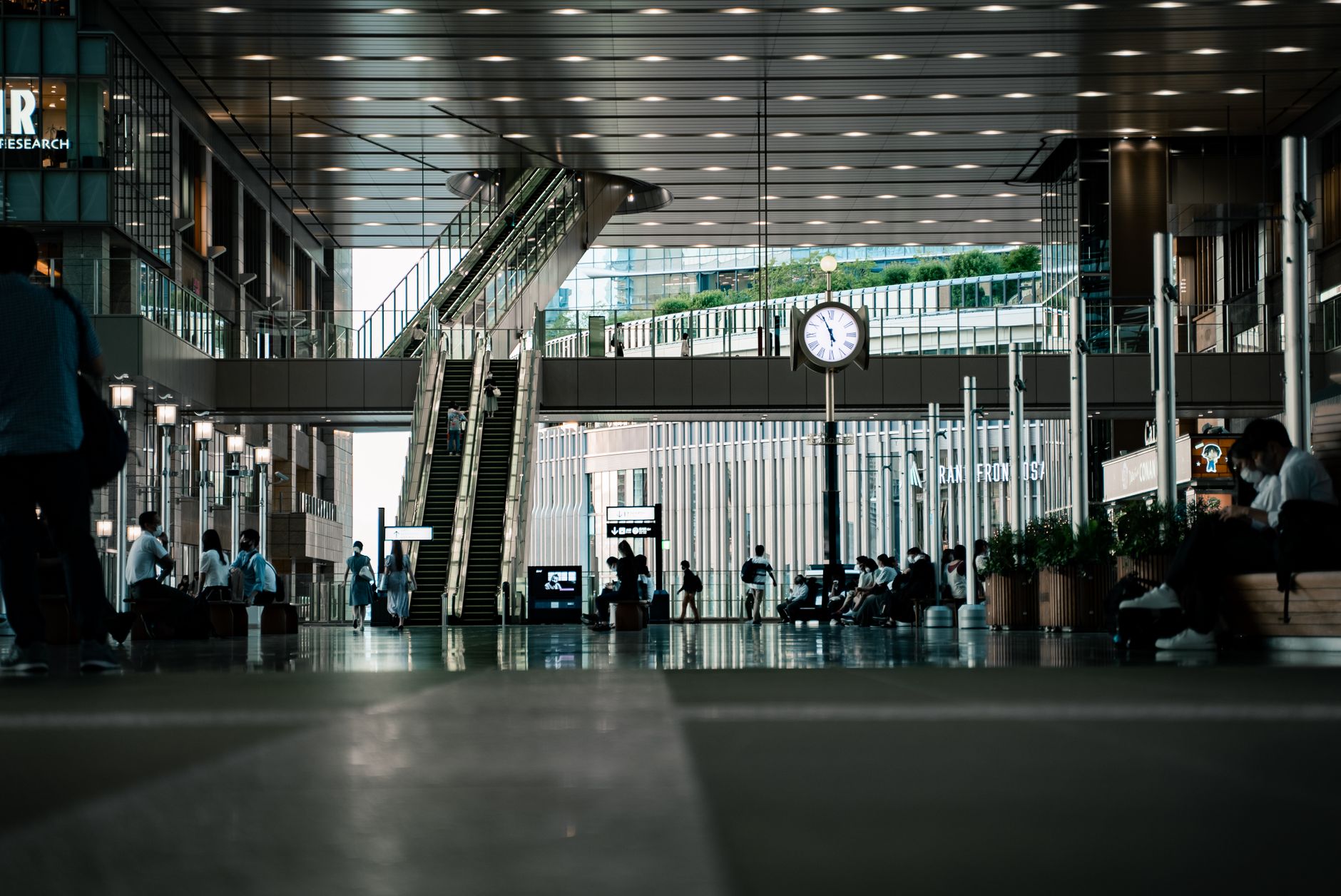
Not every square foot is equally pilot-friendly. The best first routes are the lobby loop after rushes, vestibules, hall connectors, staff-free perimeter lanes around donor chairs, and larger open pads near exits or refreshment areas. These zones collect the most visible traffic film and tracked-in soil, yet they are less likely to interrupt screening conversations or arm-prep tasks.
Avoid using the first pilot to clean the narrowest pinch points in front of kiosks, screening stations, and check-in counters. The U.S. Access Board notes that accessible routes need 36 inches minimum clear width, with passing-space requirements when the route is narrower than 60 inches. In a plasma center, that matters because a robot that pauses in a constrained corridor can back donors up far beyond its own footprint.
A useful rule is to classify the building into three bands. Green zones are routine public-floor areas. Yellow zones are adjacent to donor operations and need time windows and tighter geofencing. Red zones are manual only during the pilot, including active needle-insertion space, treatment rooms, and any area involved in immediate spill containment.
- Green: lobby, vestibule, long hall runs, large waiting pads, perimeter aisles with clear passing room.
- Yellow: donor-bed perimeter lanes, exam-adjacent corridors, refreshment areas during low traffic.
- Red: screening desks, phlebotomy setup space, active chairside work area, blood-spill scenes, cluttered supply corridors.
How do you protect donor screening and chair turnover?
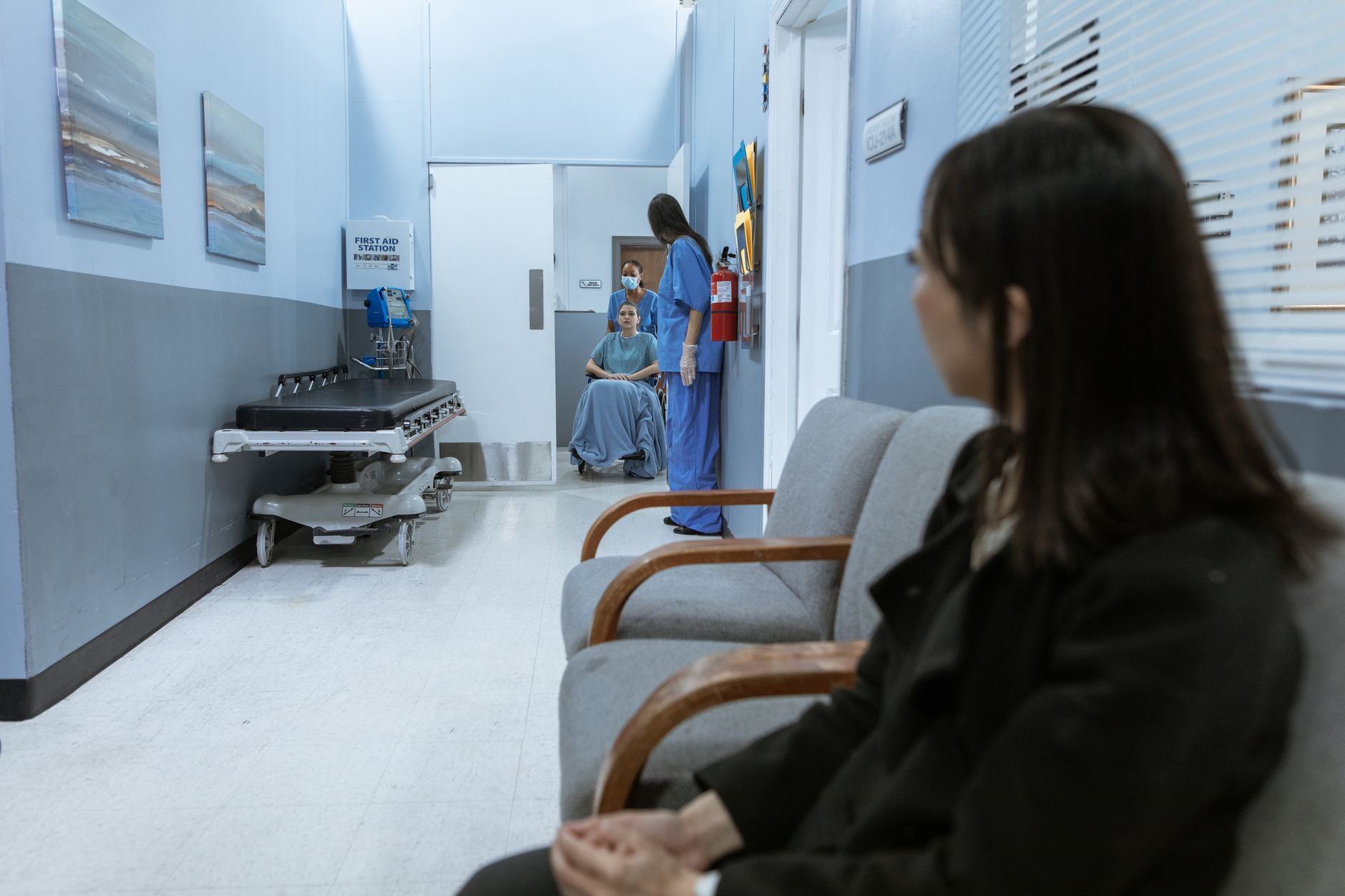
The pilot lives or dies on timing. FDA materials make clear that donor suitability and history screening are structured processes, and HHS says repeat donors may still spend about 90 minutes on a visit. That means the center should schedule robot motion around three operational pulses: intake, donor floor saturation, and post-donation discharge.
Most sites should block robot movement during the first surge after opening, when check-in, identity verification, screening, and chair assignment are most compressed. Instead, use short mid-morning or early-afternoon windows for maintenance passes, then run the deepest floor scrub after the last donor cycle or overnight. If daytime runs are necessary, limit them to predictable loops shorter than a single queue cycle so staff never wonder where the machine is heading next.
Chair turnover needs its own micro-rule. The robot should clean around donor bays only when a bay cluster is stable, never during active arm setup or a burst of simultaneous releases. In a busy center, the right operational target is not maximum square footage per hour. It is cleaning consistency with zero added hesitation for the screener, phlebotomist, or donor.
What about spills, biohazards, and medically adjacent cleaning rules?
This is where a plasma-center pilot must stay disciplined. OSHA's Bloodborne Pathogens standard requires a written cleaning schedule and says contaminated surfaces must be decontaminated immediately or as soon as feasible after blood or other potentially infectious spills. CDC environmental-cleaning guidance likewise calls for immediate cleanup and disinfection of blood or body-fluid spills using defined procedures and contact times.
So the robot should not be sold internally as the answer to biohazard response. It is a routine floor-care asset. Blood, body-fluid, and sharps-adjacent events remain staff-led with PPE, approved disinfectants, and documented escalation. The robot can return after the area is released back to normal operations, but it should not be your primary response method for regulated cleanup.
That distinction matters operationally and legally. If the team treats the machine as a janitorial substitute for exception handling, the pilot will collide with the center's infection-control habits. If the team treats it as a dependable way to keep ordinary traffic soil from building up between manual interventions, the robot earns trust instead of arguments.
- Write a simple stop code for any visible blood or body-fluid event.
- Require staff to isolate the area, clean manually, and document release before the robot re-enters.
- Separate routine floor-care KPIs from spill-response KPIs.
- Train supervisors on who can override routes and when.
What should the pilot plan include before go-live?
A serious pilot packet is short but specific. It should define the map, approved routes, excluded zones, cleaning windows, charging location, signage, manual override steps, and the exact handoff for spills, stalled donors, and blocked aisles. CDC guidance emphasizes cleaning schedules, detailed SOPs, and assigned responsibility. A plasma center should mirror that discipline even if the pilot covers only a few thousand square feet.
You also need a preflight walk with operations, nursing or medical leadership as applicable, janitorial leads, and the site manager. Watch where donors cluster, where bags or personal items get placed, where queue lines bend, and where staff carts narrow the path. Those small frictions decide whether the robot deployment and integration feels controlled or chaotic.
This is also the point where an OEM-neutral integrator earns its keep. Service Robot Co. approaches a robot pilot program the way operators actually buy risk down. The company is a full-service commercial robot integrator for U.S. businesses, so the work is not just picking a machine. It is site assessment mapping, financing, deployment, training, service coverage, and one partner one number when the pilot hits a real-world snag.
- Floor map with green, yellow, and red zones.
- Named owner for each shift.
- Approved cleaning chemical and floor-finish compatibility check.
- Battery and charging plan away from donor circulation.
- Escalation tree for spills, obstructions, and downtime.
How do you measure success in the first 30 days?
Do not let the pilot turn into a vanity metric about robot hours. A plasma center should score the test on four dimensions: queue stability, cleanliness consistency, labor redeployment, and rule compliance. If the waiting room looks cleaner but donor intake slows, the pilot failed. If staff gain reliable time for higher-value tasks and the donor journey feels unchanged, the pilot is doing its job.
Use simple numbers. Measure average check-in queue length before and during the pilot, the number of completed cleaning cycles per shift, manual spill-response time, and how often staff had to interrupt or re-route the machine. For labor context, BLS reports about 351,300 openings per year for janitors and building cleaners on average over the 2024 to 2034 decade, and May 2025 median hourly pay for janitors and cleaners at $17.71. That does not make labor disappear, but it does explain why many sites struggle to cover repetitive overnight floor work consistently.
Add a donor-experience check. Ask managers to log comments about noise, perceived obstruction, and visible cleanliness near entries and exits. A pilot that protects donor confidence while reducing floor-care variability is worth expanding. A pilot that only saves labor on paper is not.
- No increase in average screening queue time.
- At least 90 percent of scheduled cleaning runs completed.
- Zero missed manual escalation on blood or body-fluid events.
- Fewer visible floor-condition complaints at opening and closing.
When should a plasma operator expand past one site?
Expand only after the first site has a stable playbook for at least a few weeks across different traffic patterns. Plasma centers are repeat-visit businesses, so Mondays, post-payday periods, and promo-heavy weeks can look very different from a quiet midweek shift. A route that works on a soft day may fail during a high-throughput evening block.
The threshold for expansion is repeatability. You want consistent queue protection, consistent cleaning completion, and no confusion about spill escalation. Once that is true, the second site should resemble the first in floor type, circulation width, and donor-volume rhythm. That gives the operator a cleaner read on what is scaling and what is site-specific.
This is the other moment where Service Robot Co. fits naturally. For multi-site operators that want commercial cleaning robot rental, robot leasing for business, or lease rental or sale options, an integrator that can finance, deploy, integrate, train, and service every unit through a nationwide U.S. engineer network reduces the usual handoff problem. One vendor for the whole lifecycle is especially useful when a pilot becomes a regional program.
The practical rollout sequence
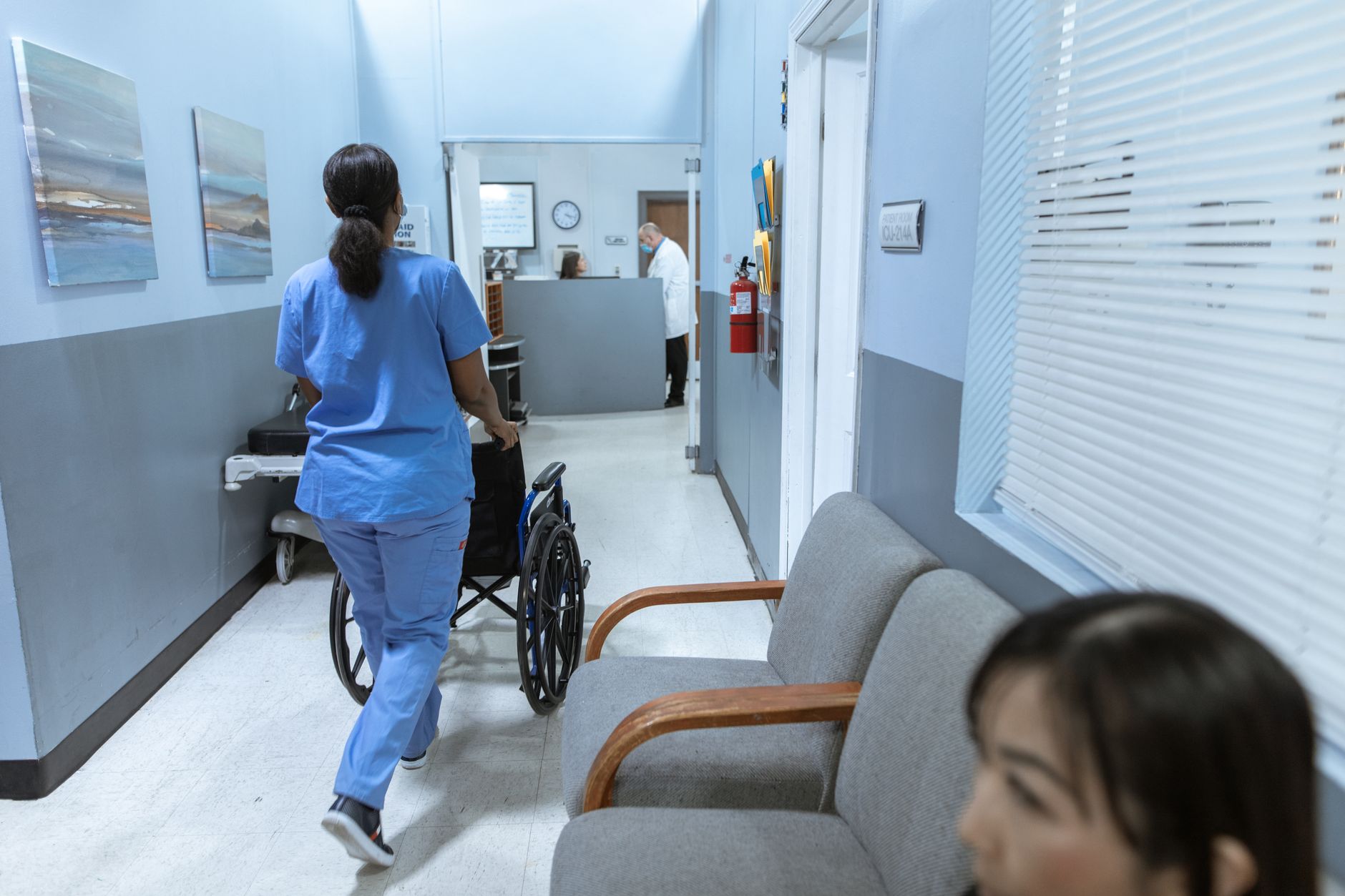
Plasma centers do not need a grand automation strategy to test floor robotics well. They need a precise first use case, an operating envelope that respects donor throughput, and disciplined exception handling. That is why the best pilots start small and look almost conservative from the outside.
If the center holds that line, the upside is real. Routine floor care becomes more consistent, overnight labor pressure softens, and managers get a cleaner facility without asking screening or donor-floor staff to absorb one more manual task. In a medically adjacent environment, that is the standard. Clean floors, stable queues, and no drama.
- Week 1: map routes, mark exclusions, train supervisors, and run dry tests before donors arrive.
- Week 2: run off-peak daytime loops plus one after-hours deep-clean cycle each day.
- Week 3: review queue impact, route exceptions, and spill handoffs, then tighten geofences.
- Week 4: decide go, revise, or stop based on operational data, not enthusiasm.
Frequently asked questions
Sources
- HHS: Giving Blood and Plasma
- FDA: Source Plasma Donor History Guidance
- FDA: Inspection Guide for Source Plasma Establishments
- OSHA: Bloodborne Pathogens Standard
- CDC: Environmental Cleaning Procedures
- U.S. Access Board: ADA Accessible Routes
- BLS: Janitors and Building Cleaners Outlook
- BLS: May 2025 National Wage Data