Key takeaways
- A quote should name the zones, nightly hours and exact robot model before it names any number.
- Service response windows and the terms for downtime matter as much as the fixed lease payment.
- Ask what sits outside the fixed lease payment, such as installation, training, charging and replacement parts.
- Lease-end terms, including return condition, wear charges and data removal, belong in the quote itself.
- Put every quote on the same zones, hours and term before comparing a single figure.
What should a floor robot quote show before you sign?
A floor robot quote is only comparable to another quote when both describe the same work. Before the bottom line means anything, the document should name the floor zones covered, the nightly hours, the exact robot model, the service response promised, and the obligations at lease end. If any of those is missing, the number is not yet a price for anything you can check.
A three-year commercial robot leasing agreement gives small gaps time to compound. A cheaper quote may simply cover fewer square feet, shorter hours or a slower response window. At Service Robot Co., we lease robots on a 3-year lease with one fixed lease payment quoted after a site assessment, so the scope is fixed on the floor before the number is set.
The category is growing fast enough that comparison matters. According to the International Federation of Robotics, professional service robot sales rose 24% in 2025 to almost 250,000 units, and professional cleaning robots ranked third by application. IFR says its figures come from a sample of 238 service robot suppliers and are not projected to the whole industry, so read them as direction, not forecast.
Which zones, hours and robot models does the quote name?
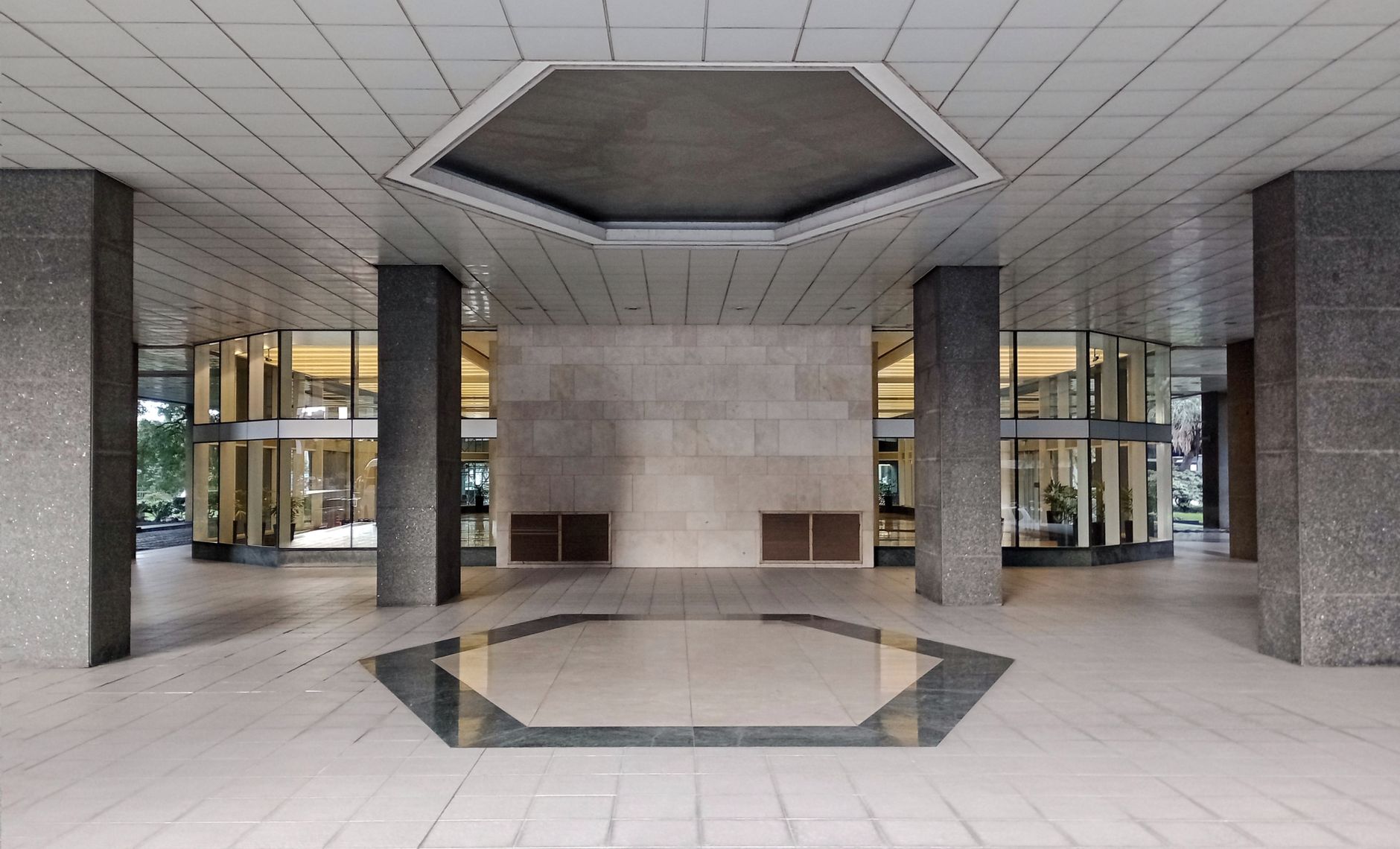
Start with the zone list. A usable quote names each area by floor and approximate square footage, and it ties that list to the site assessment or map that built the route. A line that says main floor, without aisles, dock doors, restroom corridors or entrance mats, leaves the actual work open to interpretation.
Then check the hours. Overnight floor care with no operator on site is a specific promise, so the quote should give start and end times, the days covered, and what happens during a holiday or closure. Ask also whether the figure covers one unit or a fleet, and whether a second robot is needed to finish the zone inside the shift.
Finally, the model. The quote should name the exact robot, not a category. Models differ in cleaning width, runtime and charging, and a named model lets you test those against your zone list. Because we are OEM-neutral, our quotes name the model we selected for your floor and the reason for that choice.

How do you confirm each model is eligible under FCC rules?
Eligibility is a check many quotes skip. The FCC Covered List has changed more than once since late 2025. According to a Mondaq summary, on December 22, 2025 the FCC added foreign-produced drones and critical components, which blocks equipment authorization for new models while leaving already authorized models unaffected. Phillips Lytle reports that January 2026 temporary exemptions let certain drones keep seeking authorization for new models through December 31, 2026.
Those rules were written about drones, and no primary FCC text in this review confirmed floor robot terms. The quote should therefore carry the answer in writing. Ask each vendor to state whether every named model is eligible under the rules in force on the signing date, and to say what happens if a later order changes that status.
What should the service response promise say?
Service is where quotes diverge most. Look for the response window for a remote fault, the time to an on-site visit, and what happens to the zone while a unit is down. Terms such as remote triage, on-site dispatch and spare unit coverage should be defined in the document, not left as sales language.
Bundling varies by vendor. Tennant states, on a Brain Corp page with no visible date, that all of its EMEA robots running on BrainOS come with a service agreement. A vendor-run guide from inrobots.shop says all-inclusive packages cover parts and service for the contract term. Neither source describes US terms, so the quote has to spell out what applies at your address.
The market is moving in this direction. IFR says traditional sales remain the largest channel, while demand for service-based business models is growing, though its summary gives no share figure. Service Robot Co. services every unit through a nationwide US engineer network, so the response section of our quotes names who dispatches and which engineer network covers your site.
Is the fixed lease payment all-in, and what sits outside it?
A fixed lease payment should be one figure for the full lease term, with its contents listed. Ask whether installation, site mapping, training, go-live support, software updates, replacement parts, charging equipment and travel sit inside it. Each exclusion needs a written line, because an unlisted cost is the one teams tend to find after signature.
Pricing structures vary too. A facility management survey reports that 57% of facility managers would like performance-based fees. That survey covered facility managers, not cleaning-robot operators, and its date is not confirmed, so treat it as a prompt to ask whether any part of your cost depends on performance.
What does the quote say about lease end?
Lease end is where teams get surprised. The quote should state the condition the robot must be in at return, how wear is judged, who pays for repairs beyond normal wear, and how mapping data and site records are removed from the unit. It should also give the return logistics and the notice window for ending or renewing the lease.
Ask what happens if the vendor replaces the robot mid-term, and whether the replacement keeps the same service terms. Those answers move the true cost of a three-year lease more than a small gap in the fixed payment does.
How do you put two quotes on the same basis?
Run one checklist on every quote before comparing numbers. Use the same five rows for each vendor.
- The same zone list, with floors and square footage taken from one site assessment
- The same nightly window, including start and end times and holiday rules
- The same named models, with eligibility confirmed in writing
- The same response windows for remote faults and on-site visits
- The same list of exclusions, with the fixed lease payment stated beside it
What happens when a quote fails the checklist?
A quote that fails two or more rows is a different proposal, not a cheaper one. Put the failing rows to each vendor in writing, and compare the numbers again only when the answers match on every row.
Frequently asked questions
Want a robot working for you?
Tell us the job and the site. We will recommend the robot, quote the lease, and keep it serviced.
Sources
- IFR, professional service robot sales release
- IFR, World Robotics 2026 service robots executive summary
- Brain Corp, Tennant service standards in Europe
- inrobots.shop, industrial cleaning robot leasing guide
- Mondaq, FCC drone and component controls
- Phillips Lytle, FCC drone exemptions
- Boutique Hotel News, facility manager survey