Key takeaways
- In a 24-hour vet hospital, the best robot work is repetitive and low drama: specimen moves, supply delivery, and overnight floor care.
- Veterinary settings need stricter route design than many human facilities because isolation traffic, animal stress, fur, waste, and barking all change how robots should operate.
- Robots should stay out of triage judgment and hands-on restraint. They should take the long walks that pull technicians away from patient care.
- A pilot works best when the hospital maps clean and dirty routes, sets quiet-hour rules, and starts in back-of-house corridors before expanding.
- An OEM-neutral integrator matters because vet hospitals rarely need a single machine in isolation. They need financing, deployment, training, service, and one accountable partner.
Where do robots actually help in a 24-hour vet hospital?
Yes, robots can help in a 24-hour vet hospital, but only when they are assigned the right work. The strong use cases are specimen movement from treatment to in-house lab areas, routine supply delivery between storage and care zones, and floor care in predictable windows. Those are repetitive transport and cleaning tasks that consume staff time without requiring clinical judgment.
That matters because veterinary hospitals are working under real labor pressure. According to the U.S. Bureau of Labor Statistics, the United States had 86,400 veterinarians in 2024, with employment projected to grow 10 percent from 2024 to 2034, plus about 3,000 openings per year. Veterinary assistants and laboratory animal caretakers are also projected to grow 9 percent, with about 22,200 openings per year. In a hospital that never closes, those staffing realities make every avoidable hallway trip more expensive.
The rule is simple. Put robots on miles, mops, and mundane deliveries. Keep people on triage, restraint, client communication, anesthesia support, and anything that can turn unpredictable in a second. In veterinary emergency work, that line is not theoretical. It is operational survival.
Why is a vet hospital different from a human hospital?
Veterinary hospitals have circulation problems that generic healthcare guidance often misses. You are moving stressed animals, worried owners, sharps, lab samples, laundry, food, and biohazard waste through the same building, often at odd hours and at varying intensity. A route that looks trivial on a floor plan can become unusable when a reactive dog, a carrier of contagious diarrhea, and a grieving owner arrive within minutes of each other.
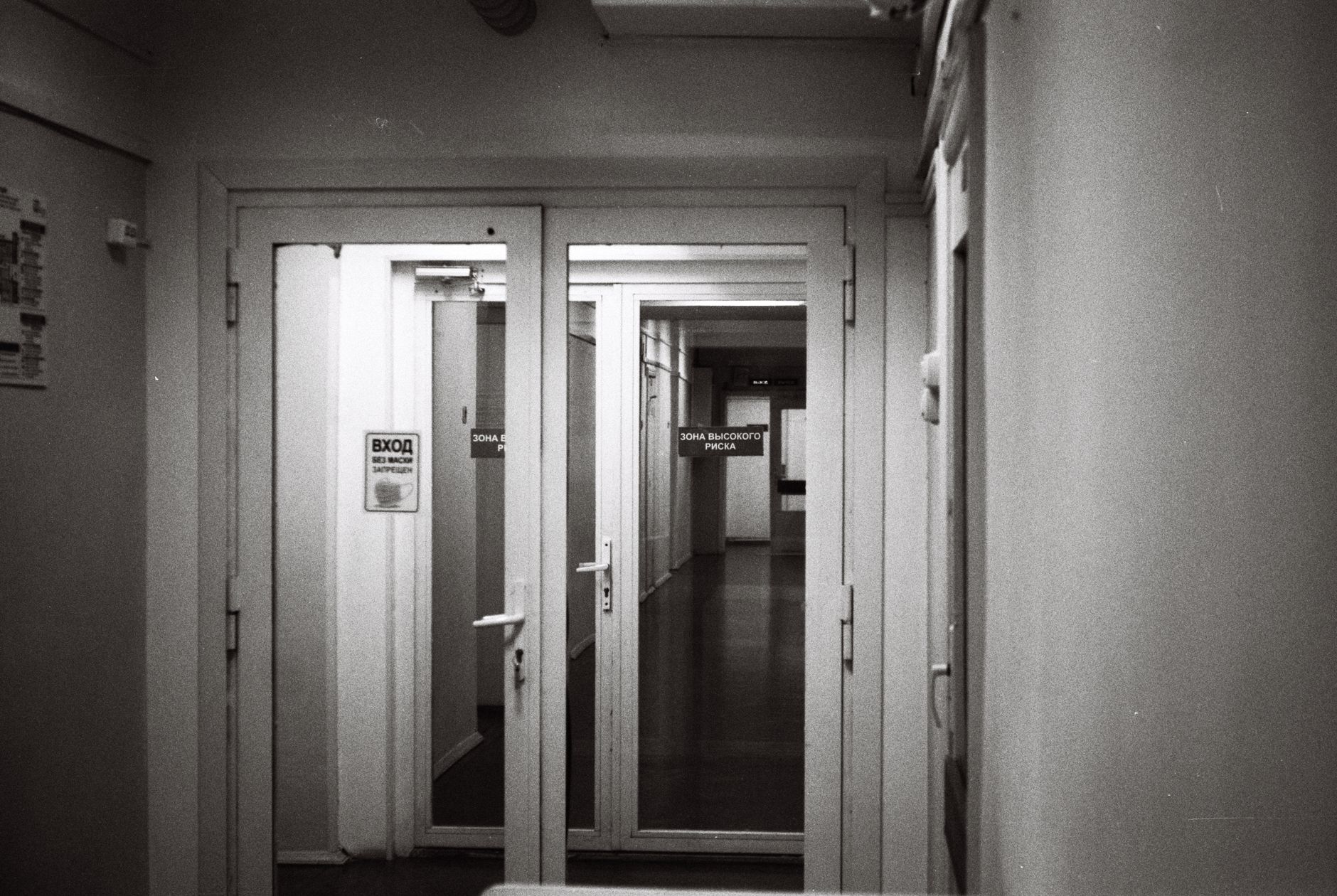
The infection-control burden is also distinct. AAHA guidance says hard floors in veterinary practices should be cleaned and disinfected daily, and again after potentially infectious patients or visible soiling. The same guidance says exam rooms and cages should be cleaned and disinfected immediately following use. For robots, that means route planning cannot ignore isolation thresholds, cleanup timing, or the difference between a public corridor and a contaminated patient zone.
Noise matters too. CDC guidance for veterinary work specifically cites hearing protection in barking-dog environments, which is a useful reminder that sound is not cosmetic in these buildings. A healthcare robot that is tolerable in a quiet office may be badly matched to a treatment floor already loaded with alarms, barking, and emotional clients.
Which tasks belong on a robot first?
Specimen movement is usually the cleanest starting point. A robot can shuttle blood, urine, fecal, or pathology samples between treatment, ICU, and lab support points on defined paths, especially when the alternative is pulling a technician away from monitoring or discharging a patient. The value is not glamour. It is interrupt reduction.
Supply delivery is next. Think IV fluids, stocked consumables, linens, packaged meds cleared for internal movement, and routine restocks from central storage to treatment, ICU, and ward support areas. The gains come from removing dozens of short, forgettable trips that fragment attention across a 12-hour or overnight shift.
Floor care is the third lane, and often the most mature one operationally. AAHA advises daily disinfection of hard floors and added cleaning after infectious patients. In a 24-hour hospital, that usually points to overnight cleaning with no operator in lower-traffic back corridors, lobby edges during quiet windows, and treatment-adjacent areas only when traffic controls are tight. A commercial cleaning robot rental or autonomous floor scrubber rental can make sense here if the hospital wants a pilot before a broader lease rental or sale decision.
- Best first-wave robot tasks: back-of-house specimen transport, routine supply restocking, linen movement, pharmacy-to-ward internal delivery, overnight floor scrubbing on mapped hard-floor routes
- Poor first-wave robot tasks: animal restraint, triage intake, isolation-room entry, owner-facing discharge conversations, crash-cart response, any task requiring rapid clinical improvisation
How should you handle biosecurity and isolation routes?

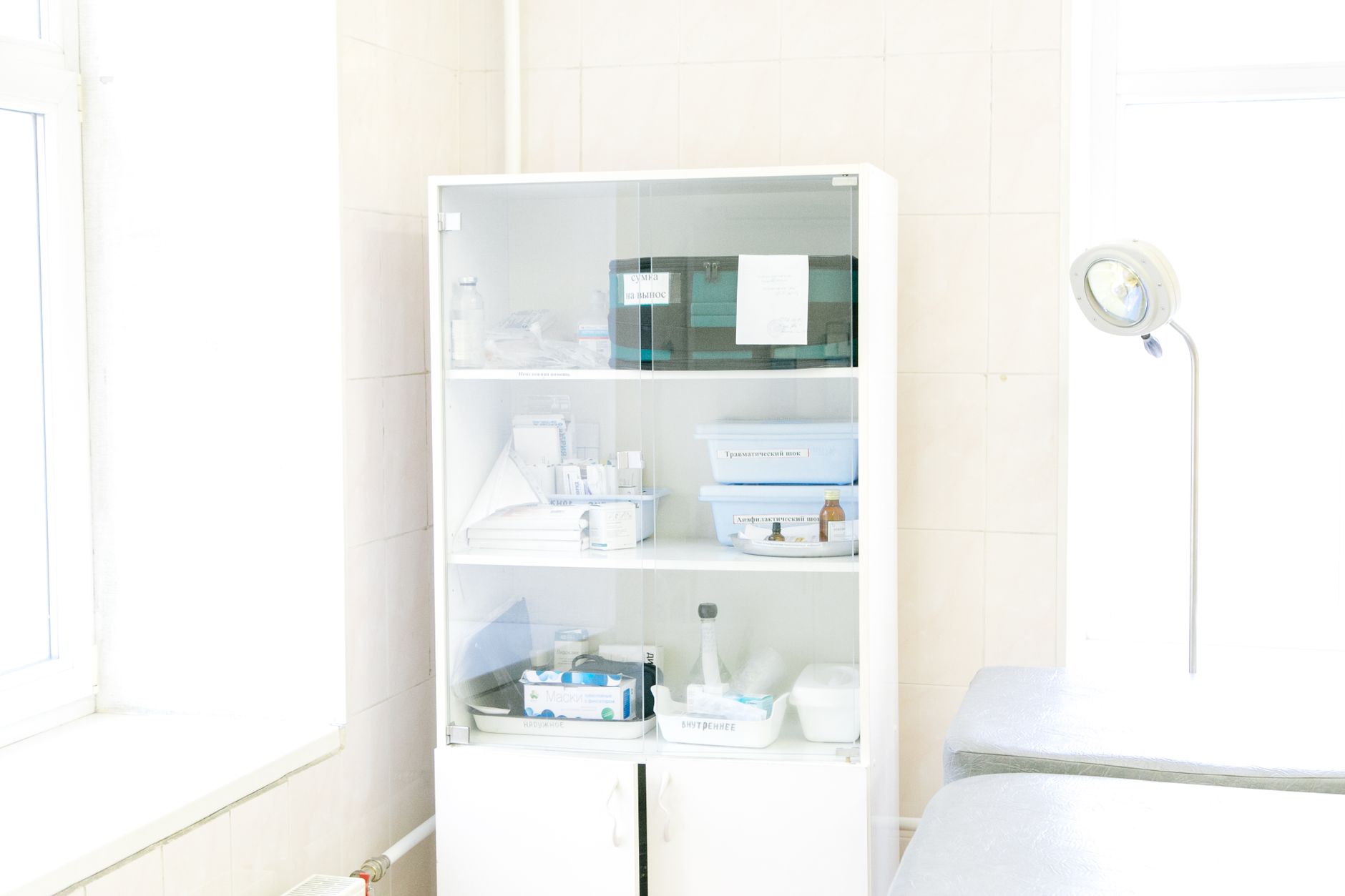
This is where veterinary deployments succeed or fail. AAHA recommends limiting and controlling infectious patient transport throughout the hospital to essential purposes only, using dedicated isolation space, and placing cleaning resources near exam rooms. A robot program has to fit those rules, not ask the hospital to bend them.
In practice, that means building separate route logic for clean delivery, dirty return, and no-go zones. Isolation rooms, necropsy-adjacent space, and active decontamination areas should usually be excluded from autonomous circulation unless the workflow is exceptionally controlled. If a robot does carry material that originated near higher-risk cases, the handoff protocol, container type, and post-run disinfection method need to be written down before go-live.
AAHA also warns against high-pressure washing because it can aerosolize debris and spread organisms. That is relevant to floor robots because a hospital should not judge them by retail-cleaning habits. In a vet setting, the right machine and process are the ones that respect disinfectant contact time, avoid splashy behavior, and stay compatible with the site’s written infection-control plan.
What keeps robots from upsetting pets and owners?
Circulation etiquette matters as much as navigation. Many animals arrive in pain, fear, or respiratory distress, and many owners are operating on very little sleep. A robot that crosses the front door at the wrong time, pauses in a narrow vestibule, or emits sharp audible prompts can create friction far out of proportion to the task it performs.
That is why many hospitals should start robots in staff corridors, stock rooms, and treatment support loops rather than public waiting areas. AAHA behavior guidance cites a study in which 106 of 135 dogs, or 78.5 percent, were fearful on the exam table. In other words, a meaningful share of patients already enter the building with elevated stress. Good deployment respects that baseline instead of adding novelty where the emotional load is highest.
The same logic applies to timing. Quiet-hour delivery windows, lower voice-prompt volume, speed caps near corners, and explicit yielding rules around carriers and leashed animals do more for adoption than flashy features ever will. The goal is a robot people barely have to think about.
What does a good pilot look like in a 24-hour hospital?
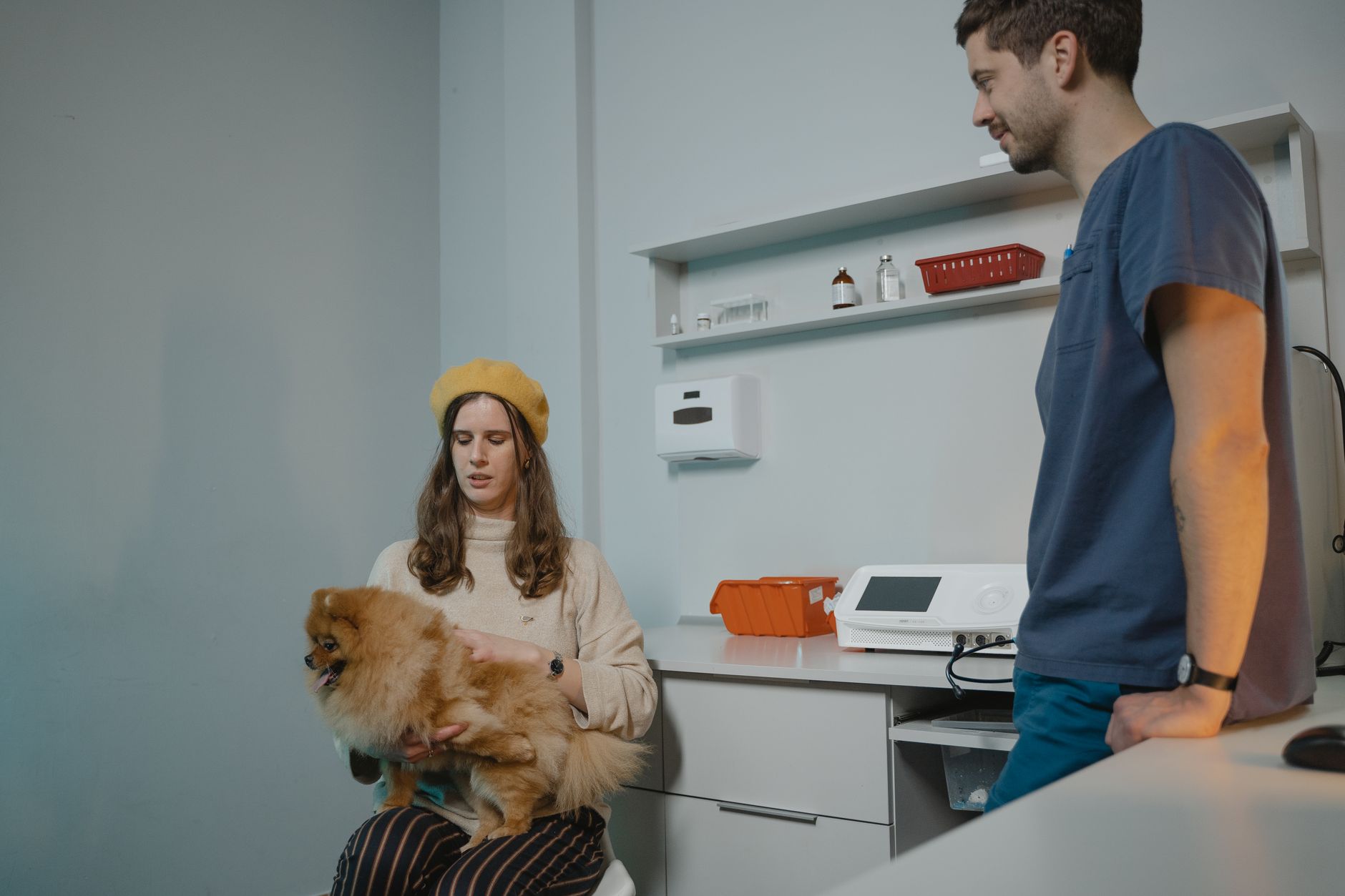
A good pilot is small, measurable, and boring in the best sense. Pick one transport loop, one supply loop, or one floor-care zone. Run it on the same shifts long enough to see the exceptions, not just the happy path. In a hospital that never closes, the overnight shift is often the best proving ground because the transport demand is still real, but the traffic mix is easier to stage.
There is a strong reason to be disciplined here. A 2024 survey published in the Journal of Veterinary Emergency and Critical Care found that 87 percent of respondents reported increased patient volume, 62 percent said their emergency service had been paused or closed once per week or more, 77 percent reported increased client frustration and complaints, and 57 percent said staff were stressed from denying care. A chaotic robot rollout in that environment is not help. It is added cognitive load.
Pilot metrics should stay practical: completed autonomous trips per shift, avoided staff walking time, cleaning coverage by zone, assist-call frequency, route exceptions, and staff acceptance by role. If those numbers improve without harming patient flow or owner experience, then expand. If not, rework the workflow before adding more hardware.
Where Service Robot Co. fits
Veterinary groups usually do not need a machine vendor. They need an operator’s answer. Service Robot Co. is an OEM-neutral commercial robot integrator for U.S. businesses, which matters in a niche like veterinary care where specimen movement, hospital delivery robot rental, and floor care may call for different equipment profiles and support plans.
That model lets a hospital evaluate robot as a service, robot leasing for business, or lease purchase program paths without building its own integration stack. Service Robot Co. can handle site assessment mapping, robot deployment and integration, staff training, financing, and service through a nationwide U.S. engineer network. For a 24-hour hospital, one partner and one number is often more useful than owning a patchwork of disconnected vendor relationships.
This is especially true when the brief includes more than one workflow. A vet hospital may start with autonomous floor scrubber rental and later add healthcare robot transport for supplies or specimen runs. An OEM-neutral integrator can stage that growth around the hospital’s actual traffic, infection-control policy, and staffing profile instead of forcing the building to fit a single product line.
When should a hospital wait?
Not every site is ready. If your hospital has chronic doorway pinch points, uncontrolled clutter in back corridors, inconsistent isolation discipline, or no agreed owner for infection-control signoff, pause the robot conversation and fix the operating basics first. Automation amplifies process. It does not rescue sloppy circulation.
You should also wait if the hospital expects robots to replace core clinical labor. That is the wrong economic logic and the wrong care logic. The win in a 24-hour vet hospital is not replacing technicians or assistants. It is giving them back minutes and attention during the parts of the shift that get chewed up by transport, restocking, and repetitive floor work.
The best candidate is a hospital that knows its routes, understands its high-risk zones, and wants a disciplined pilot with clear boundaries. In that setting, robots can become part of the overnight rhythm without becoming the center of attention.
Frequently asked questions
Sources
- U.S. Bureau of Labor Statistics: Veterinarians outlook
- U.S. Bureau of Labor Statistics: Veterinary assistants outlook
- CDC Healthy Pets: Veterinary resources
- CDC NIOSH: Veterinary safety and health prevention
- AAHA: How often should I clean?
- AAHA: Sample environmental cleaning and disinfection protocol
- AAHA: Environmental recommendations
- PubMed: Veterinary emergency service pause systems survey