Key takeaways
- Crawlers win in tight bends, heavy soot, and flues below roughly 50 cm clear diameter where caged drones cannot fly safely.
- Indoor drones cover tall straight liners fast when access openings are near 60 cm and the shaft is cool, dry, and low on updraft.
- NFPA 211 still drives annual inspection and Level II video documentation after fuel, appliance, or ownership changes.
- Evidence plans should match lender, insurer, and internal reliability needs before you pick a platform.
- A vendor-neutral integrator can pilot the right inspection robot rental path and service plan for your site.
Which tool fits a commercial chimney flue first?
For most plant and facilities teams, the real question is not crawler versus drone in the abstract. It is which platform can reach every mandatory look point, survive the chemistry inside the flue, and return repeatable photo or scan evidence without putting a person in the stack.
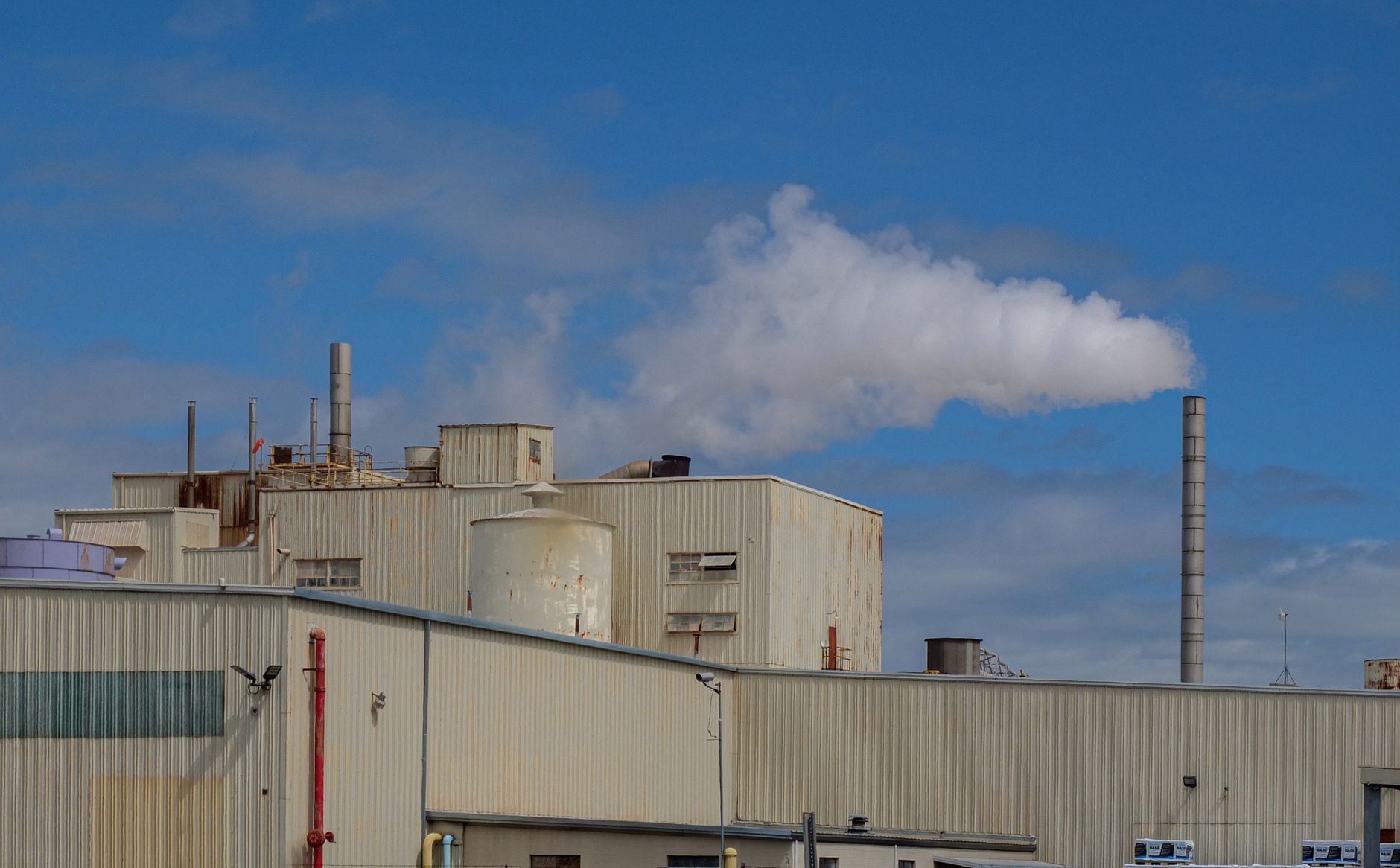
Commercial boiler and process stacks often combine vertical runs, offsets, thimbles, and horizontal breeching. Soot load, condensate, and leftover draft after shutdown change what each platform can do in the same footprint.
Start with the flue general arrangement, the smallest access opening, and the inspection level your insurer or internal reliability program expects. Platform choice follows those constraints, not the other way around.
What does NFPA 211 expect from flue inspections?
NFPA 211, the U.S. standard for chimneys, fireplaces, vents, and solid fuel appliances, requires chimneys and vents to be inspected at least once a year for soundness, freedom from deposits, and correct clearances, with cleaning and repairs when needed, according to guidance published by chimney safety professionals citing the standard.
Level I work covers readily accessible exterior and interior portions through existing openings. Level II adds a full-length interior look, commonly with video scanning, when you change fuel or appliances, buy or sell a property, or respond to a fire or structural event, as NFPA-based inspection guides describe.
Robotic methods do not replace that standard. They change how you collect the interior record when rope access, scaffold, or manned entry would slow a shutdown or add confined-space risk.
When do crawlers and tethered devices earn the job?
Tracked or wheeled crawlers, plus tethered camera skids on umbilical lines, still dominate when the flue turns, steps down in diameter, or carries thick brittle soot that would blind rotors.
A crawler can pause on a ledge, inch past a thimble, and push through a shallow horizontal breeching where a flying platform would fight wall contact and turbulence. Tethered push cameras remain the low-cost answer for short straight liners when you only need wall contact video and still have a cleanout at the base.
Recovery planning favors crawlers when the only entry is a basement cleanout and you cannot risk a flyaway in a shared multi-flue stack. If the machine stalls, you pull back on the tether or winch line instead of chasing a battery-powered aircraft in 150 feet of darkness.
- Tight offsets and non-round transitions where wheels or skids can be steered slowly
- Heavy deposit loads that would coat propellers and lidar windows in one pass
- Flue inside diameters below roughly 50 cm clear space, where indoor flight is often ruled out during feasibility review
- Sites that require a physical tether for retrieval in multi-tenant boiler rooms
When do indoor drones beat climbers on tall straight liners?
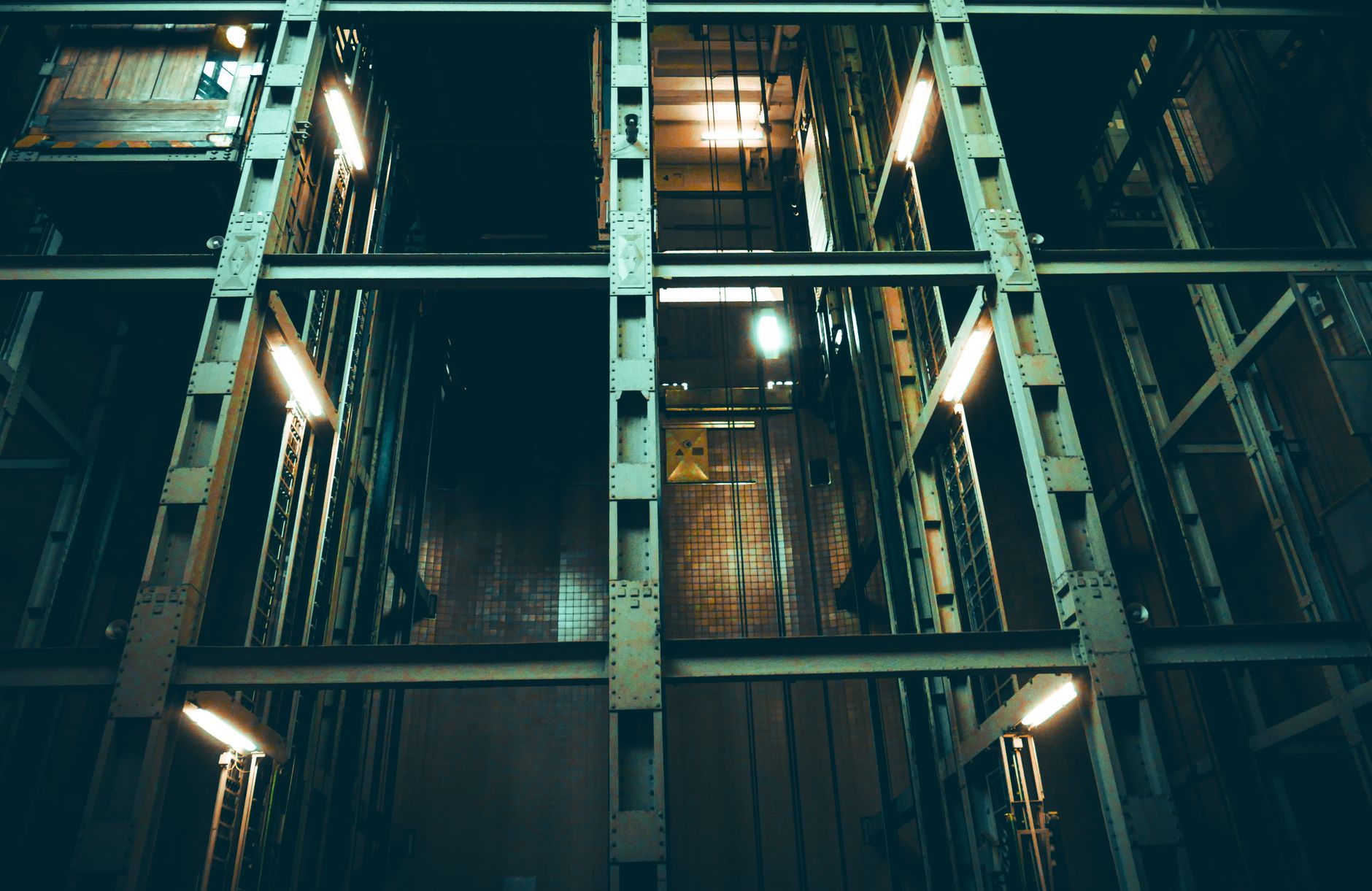
Caged indoor drones are built for GPS-denied shafts. They use collision-tolerant frames, onboard lighting, and visual-inertial navigation to ascend tall vertical liners in one session while the pilot stays outside.
Confined-space inspection providers commonly cite minimum entry openings near 600 mm and roughly 50 to 60 cm of free internal diameter for flight, with more clearance recommended when you want stable sensor coverage. Those figures are why drones shine on industrial stacks with standard inspection doors but struggle in old masonry flues sized for residential appliances.
Drones lose advantage when the stack is still hot, steam-filled, or drawing air from an adjacent operating flue. Residual updraft, moisture on the lens, and vibration from nearby fans are routine reasons a feasibility call sends you back to a crawler or a cool-down window.
How do diameter, bends, and access ports drive the call?
Draw the smallest circle a platform must fit through, not the nominal liner nameplate. Liners, insulation, and build-up can steal inches that matter.
Straight vertical runs with cap access or a mid-height door favor drones because the flight path is predictable and the return path is the same line you flew up. Multiple 45-degree offsets, cap transitions, or horizontal connectors favor crawlers or hybrid approaches where you stage a drone only on the vertical segment and a tethered device on the branch.
Document every door, cleanout, and cap in the method statement. If the only entry is a 12-inch thimble, plan for a slim tethered head or sectional manual tools, not a caged aircraft.
What evidence should the report include?
Level II-style programs expect continuous interior coverage, not a handful of stills at obvious damage. Your robotic deliverable should include georeferenced or distance-stamped frames, clock time, and notes on deposit thickness where visible.
Thermal overlays help on active breeching where hot spots hint at liner breach, but only when the flue is cool enough that readings are meaningful. LiDAR or structured-light profiles help quantify ovality or bulge when you are comparing year over year.
Align file naming with asset tags your CMMS already uses so the same PDF or video bundle drops into work orders without retyping boiler numbers.
How do recovery and confined-space rules affect deployment?
Any tool that goes inside a stack needs a written retrieval plan. Tethered systems trade freedom of motion for a literal lifeline. Crawlers should include reverse-drive confidence tests in a mock section before the real flue.
For drones, confirm spare propellers, cage segments, and a rated retrieval pole or line kit before you open the cap. Multi-flue chimneys need isolation blinds so a stuck tool does not block a sister boiler during restart.
Gas-free verification and hot-work permits still apply when you open doors on fuel-connected systems, even if no human enters. Robotics removes climber fall exposure, not combustion risk at the opening.
How does Service Robot Co. fit a phased inspection program?
Service Robot Co. stays OEM-neutral across inspection, cleaning, delivery, and warehouse platforms. For flue work that usually means matching crawler, tether, or indoor drone capabilities to your drawings, then wrapping deployment with training, inspection robot rental or monthly programs where capex is tight, and nationwide service response if a unit needs recovery support between outages.
A practical first step is a free site assessment on the actual boiler room: measure openings, photograph breeching, and run a short pilot on the easiest vertical segment before you commit to an annual robotic route across every flue on campus.