Key takeaways
- A high-rise office tower can support a multi floor delivery robot, but only if elevator and access systems can be integrated.
- The best fit is a busy Class A or prime office property with repeatable internal runs, not a lightly used hybrid tower.
- Shared lobbies, turnstiles, and elevator banks usually decide the project more than the robot itself.
- If the building cannot give the robot reliable floor access, badge logic, and recovery procedures, the pilot will look good once and disappoint later.
The short answer: practical in some towers, awkward in many others
Yes, a delivery robot can be practical in a high-rise office tower. It is realistic when the building has heavy repeat traffic, modern elevator controls, and a property team willing to integrate access control instead of treating the robot as a lobby novelty.
It is not practical in every tower. A multi floor delivery robot struggles when elevator calls are manual, turnstiles require a human escort, tenant suites use inconsistent badge rules, or the building is only partly occupied on most days. In those conditions, the robot spends too much of its shift waiting at chokepoints.
That is the real dividing line. High-rise office delivery is less about raw robot navigation and more about the building acting like a coordinated system. Elevators, credentials, loading rules, and lobby etiquette all have to cooperate.
What makes an office tower a good candidate?
A good candidate has frequent, boring, repeatable trips. Think mail delivery between floors, document transport, amenity drops, small parcel runs, IT kit movement, and internal pantry replenishment. Those jobs do not need improvisation. They need consistency.
The occupancy pattern matters. According to JLL's Global Occupancy Planning Benchmark Report 2026, actual office utilization reached 56 percent against a 74 percent target, and 55 percent of employees now attend three to four days per week. That means many towers still have strong midweek traffic and softer shoulder days. A robot earns its keep where those peaks are dense and predictable, not where occupancy drifts randomly.
Property quality matters too. CBRE reported on July 29, 2026 that U.S. office vacancy fell to 18.3 percent in Q2 2026, while prime vacancy fell to 12.3 percent. That points to the same pattern many operators already feel on the ground. Better buildings are getting the foot traffic, amenity use, and tenant commitment that make internal automation worth the effort.
Why do elevators decide the project?
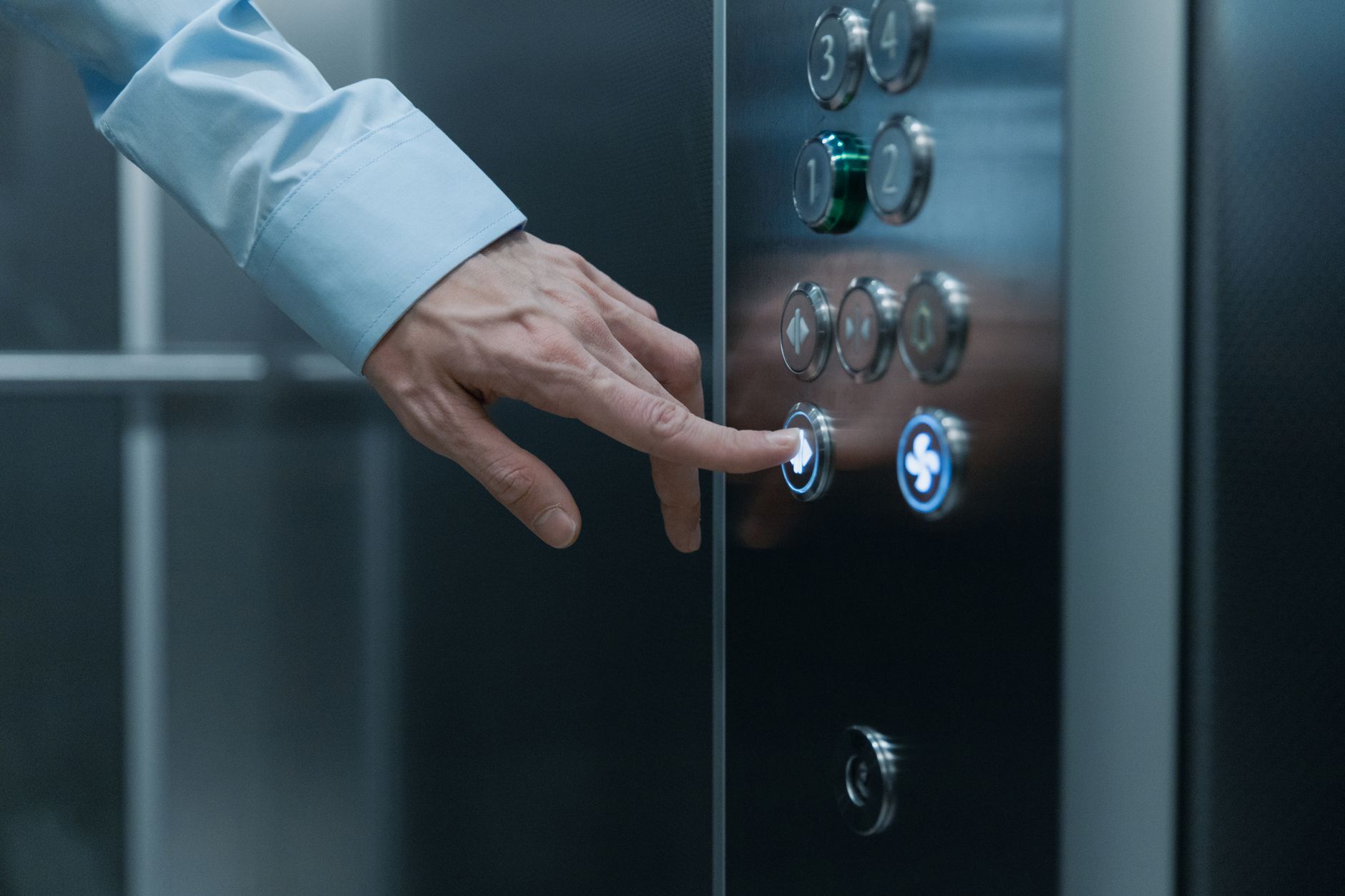
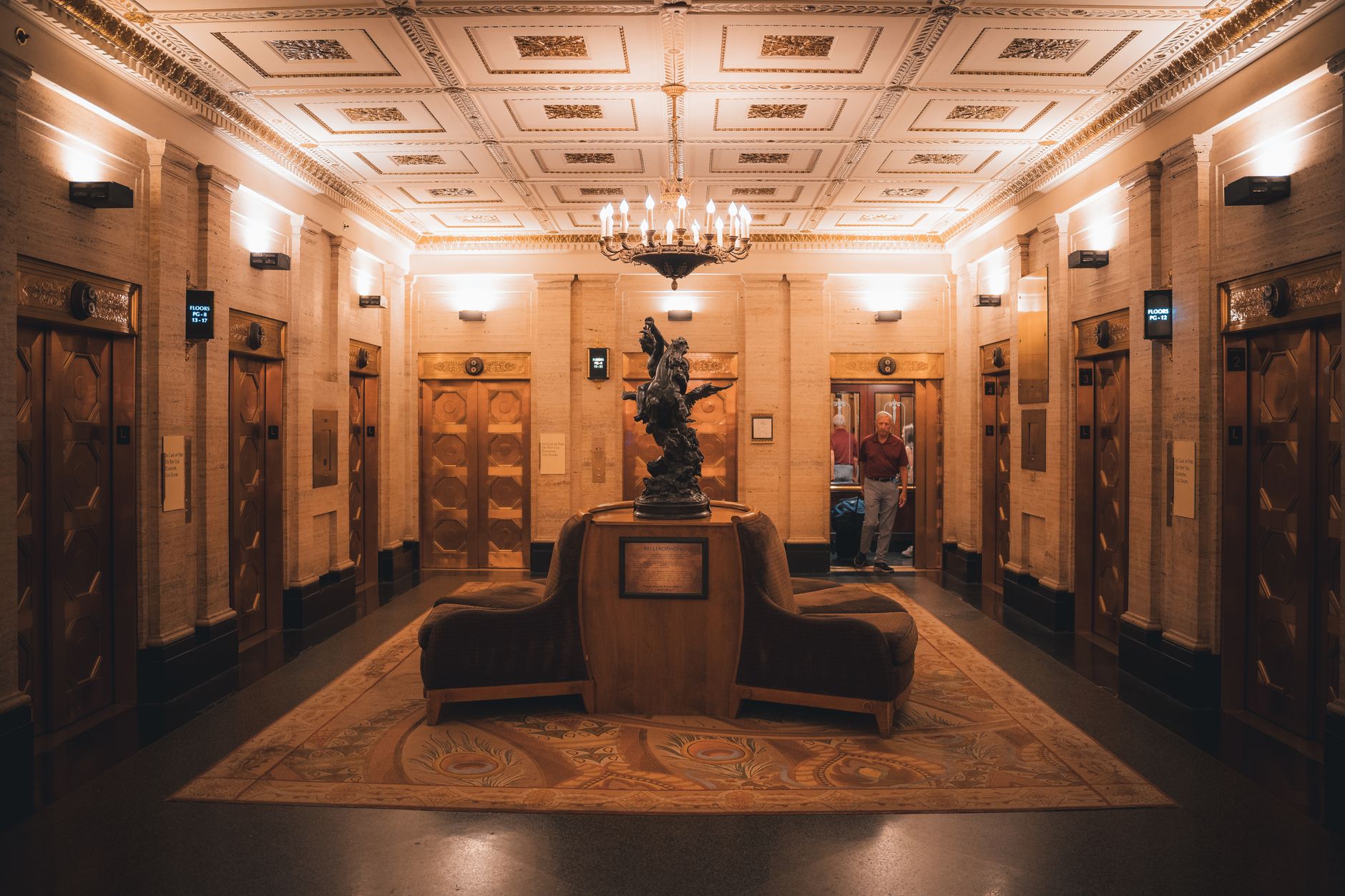
In a tower, the elevator is the whole game. A robot can navigate a corridor with far less drama than it can negotiate a shared elevator bank that was designed for people, not machines. If the robot cannot reliably summon a car, enter, ride, and exit on the right floor, the project is reduced to a single-floor gimmick.
Elevator traffic is not a small detail. Toshiba Elevator's traffic planning guide says general office buildings are designed around a transportation capacity ratio of 11 to 15 percent per five minutes during office start peaks. Its example for a rental office building assumes 6 percent of building population arriving within five minutes, with average waits of 30 seconds or less and only 5 percent of responses taking 60 seconds or more. A robot that inserts itself into those peaks without rules will irritate people fast.
The good news is that integration is becoming more plausible. One major elevator OEM now publishes customer APIs for robot integration and remote elevator calls. That does not mean every installed tower is ready. It does mean the technical path is real when the building has the right controls, contracts, and engineering support.
What physical details quietly kill a tower deployment?
The geometry is rarely glamorous, but it is decisive. The U.S. Access Board's ADA Standards require a 36 inch minimum clear width for accessible walking surfaces in most cases, allow a temporary reduction to 32 inches for a short segment, and require 32 inches minimum clear width at door openings. They also require passing spaces when routes are under 60 inches wide. Those numbers matter because many office back corridors feel roomy until a cart, cleaner, or two people meet a robot at the same time.
Doors are another friction point. Manual doors with tight pull-side clearances, heavy opening force, or deep vestibules can turn an otherwise workable route into a stall. A robot may map the path correctly and still fail operationally because the building depends on human dexterity in a few critical spots.
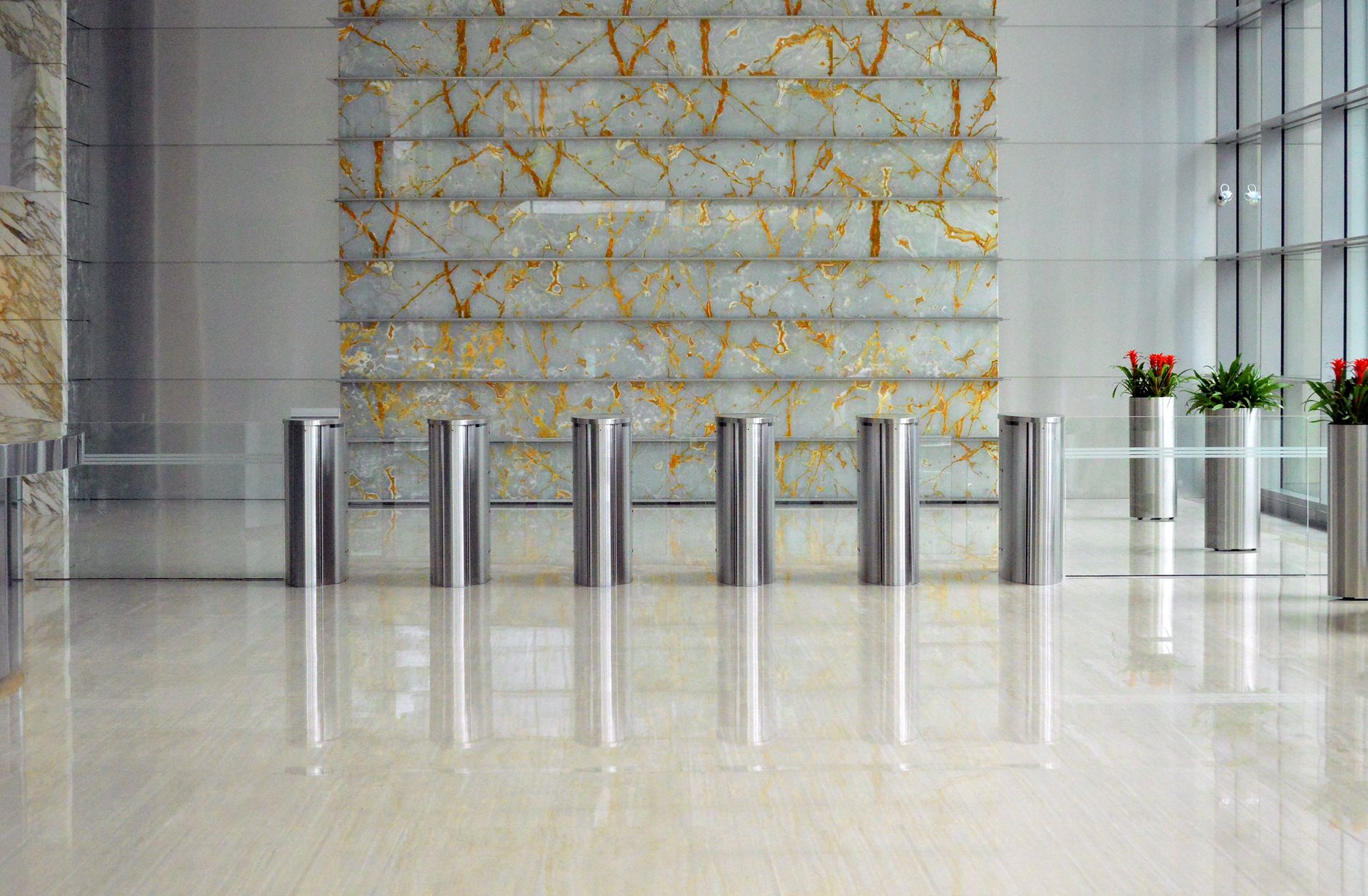
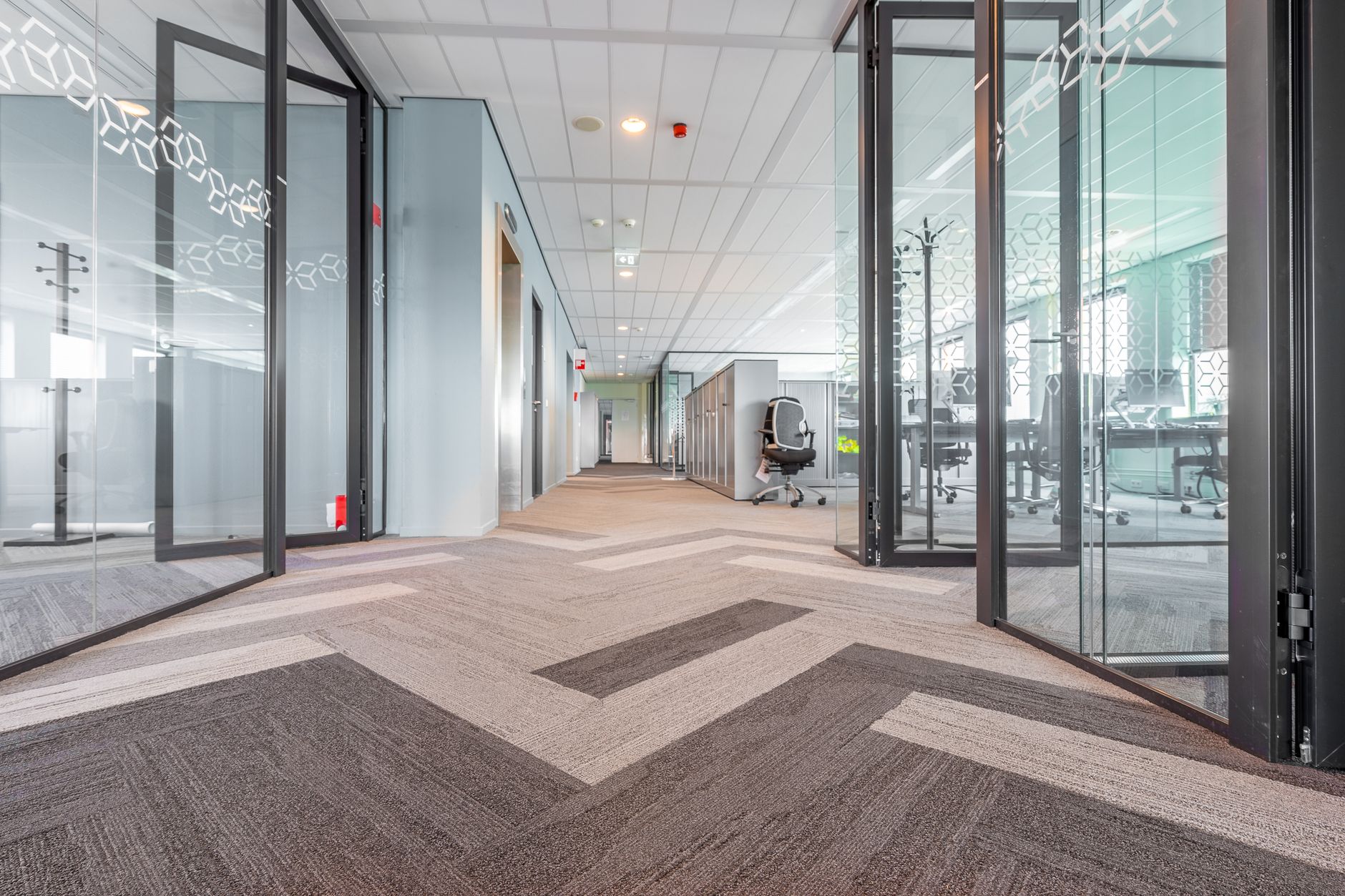
Then there is the lobby finish issue. Thick rugs, threshold changes, reflective glass, crowded seating clusters, and lunchtime pop-up lines all create edge cases. A tower is practical when the robot's route is intentionally designed, not when the robot is expected to survive a decorative obstacle course.
Which delivery workflows actually justify the effort?

The practical use cases are narrow, and that is a good thing. The best office delivery robot rental or robot leasing for business program focuses on high-frequency transport with low decision complexity. Mail delivery robot routes, document transport robot runs, pantry resupply, and scheduled interfloor parcel movement fit that profile.
The weak use cases are prestige-driven. If the real goal is a flashy lobby demo with occasional ad hoc errands, the building is buying spectacle, not operations. High-rise feasibility improves when the robot replaces dozens of repetitive trips per day and the trips happen on a schedule that building staff can actually measure.
A useful screening list looks like this:
- At least one repeatable delivery loop runs across multiple floors every business day
- Deliveries can be made to a staffed drop point or controlled handoff area, not random desks
- Elevator use can be automated or at least orchestrated through building systems
- Security accepts a rules-based process instead of a manual exception every trip
- The route avoids constant conflict with lunch traffic, visitor queues, and move-ins
When does the business case hold up?
A tower does not need to be fully occupied for a robot to make sense. It does need concentrated demand. Midweek-heavy properties with active amenity floors, conference centers, shared services, or centralized mailrooms often have better economics than a quieter building with more leased square footage on paper.
This is also where an OEM-neutral integrator matters. Service Robot Co. does not start with a single manufacturer and then force the building to fit it. We start with the tower's elevator stack, security posture, traffic pattern, and staffing reality. Then we pick the robot that fits the building, structure the lease rental or sale path, handle robot deployment and integration, train the site, and service the unit through a nationwide U.S. engineer network.
For many properties, the smarter move is a pilot with hard acceptance criteria. Can the robot complete the target runs without lobby intervention? Can it ride elevators during normal demand windows? Can security own the exception playbook? If those answers are no, the tower is not ready yet, and that is better learned early than hidden behind a showroom demo.
How should a property team decide before it buys the story?
Start with a building-readiness audit, not a product demo. Map one real workflow from origin to drop-off, including elevators, credentials, waiting zones, and failure recovery. If the route depends on a helpful guard, a friendly receptionist, or an unlocked side door, it is not automated.
Then model traffic by time of day. In many office towers, the robot's best window is not the morning rush. It is the quieter band between arrival and lunch, or the afternoon period after meetings break. The right schedule often matters more than maximum robot speed.
Finally, insist on one accountable partner. Service Robot Co. is built for that role. We can assess whether a multi floor delivery robot is genuinely practical, finance it if the answer is yes, integrate it into the building stack, and keep it supported after go-live. For office owners who want a showcase machine, the honest answer is sometimes no. For towers with the right bones, the answer is a very workable yes.