Key takeaways
- Colorado ski areas reported widespread unfilled jobs heading into 2025/26, with housekeeping and F&B roles hit hardest.
- Mud season and boot traffic concentrate grit at lodge entries, locker rooms, and bar zones that need nightly resets.
- Autonomous scrubbers and vacuums can run after close so groomers and front desk staff stay on guest-facing work.
- Financing or buying through an integrator keeps one vendor for mapping, training, and RoboCare service nationwide.
- Start with high-wear routes, then expand once staff sees how overnight floor care changes the morning open.
Why lodge floors fail first when staffing thins
Ski lodge operators feel a staffing crunch in the same places guests notice first: wet entries, salt streaks in locker corridors, and dining rooms that still smell like last night's service. Housekeeping, stewarding, and late-shift porters carry most of that load, and those are the roles mountain resorts struggle to fill when housing is tight and visa timelines slip.
Colorado Ski Country USA told the Longmont Leader in October 2025 that 79 percent of member ski areas had jobs go unfilled in 2024-25, with J-1 visa processing delays flagged as a risk for the 2025/26 season. That is not an abstract HR chart. It shows up as fewer bodies available for the 10 p.m. mop run when the bar finally clears out.
The practical question for a general manager or rooms director is not whether robots replace culture on the mountain. It is whether you can keep public floors at standard when the people who normally reset them are already covering check-ins, turn-downs, and F&B close.
What mud season does to entries and locker rooms
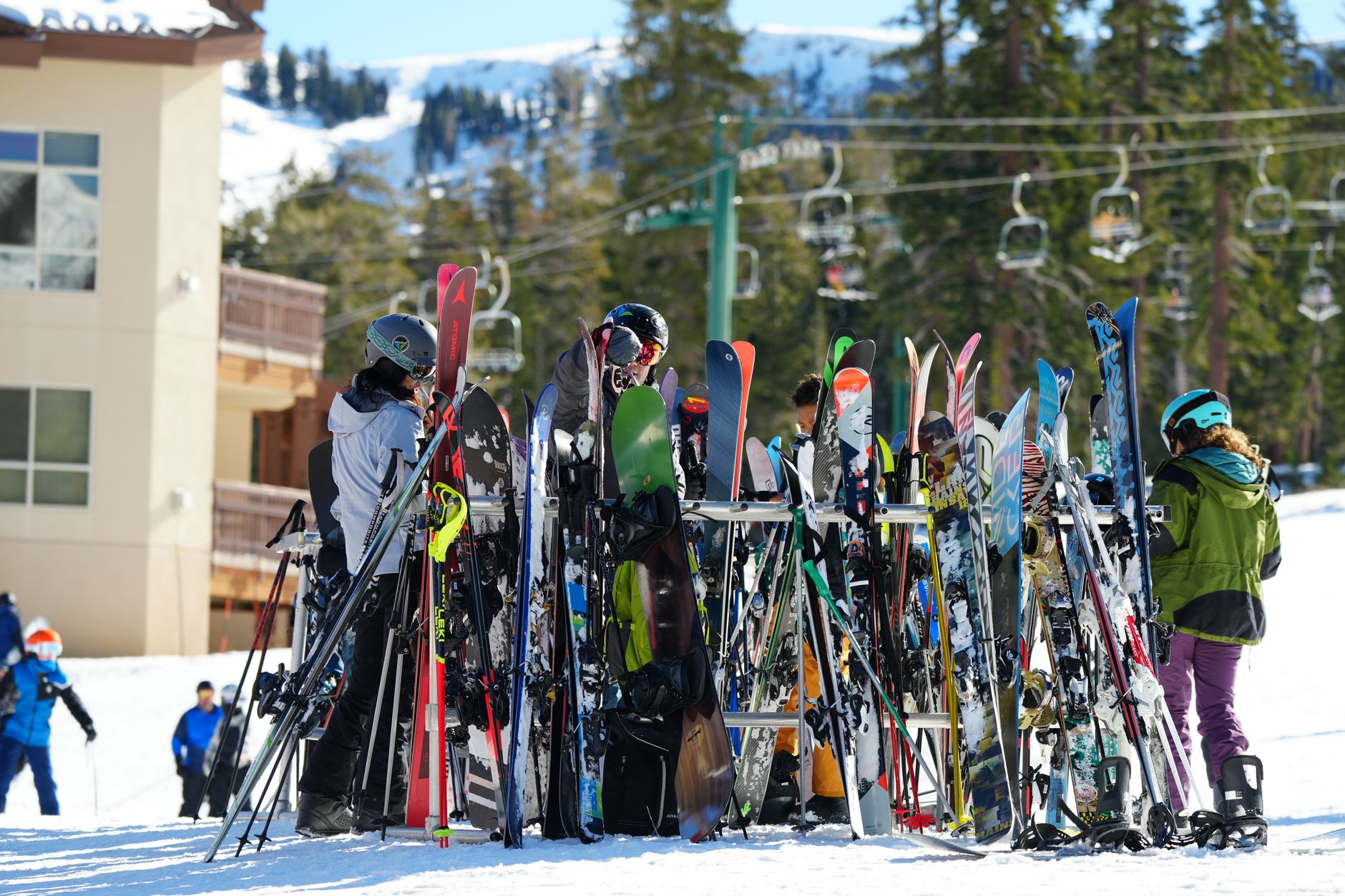
Early and late season bring melt, gravel, and boot trays that overflow by noon. Guests track slush from parking lots through vestibules, rental counters, and locker rows. Hard surfaces need more than a quick sweep if you want consistent traction and appearance before the dinner rush.
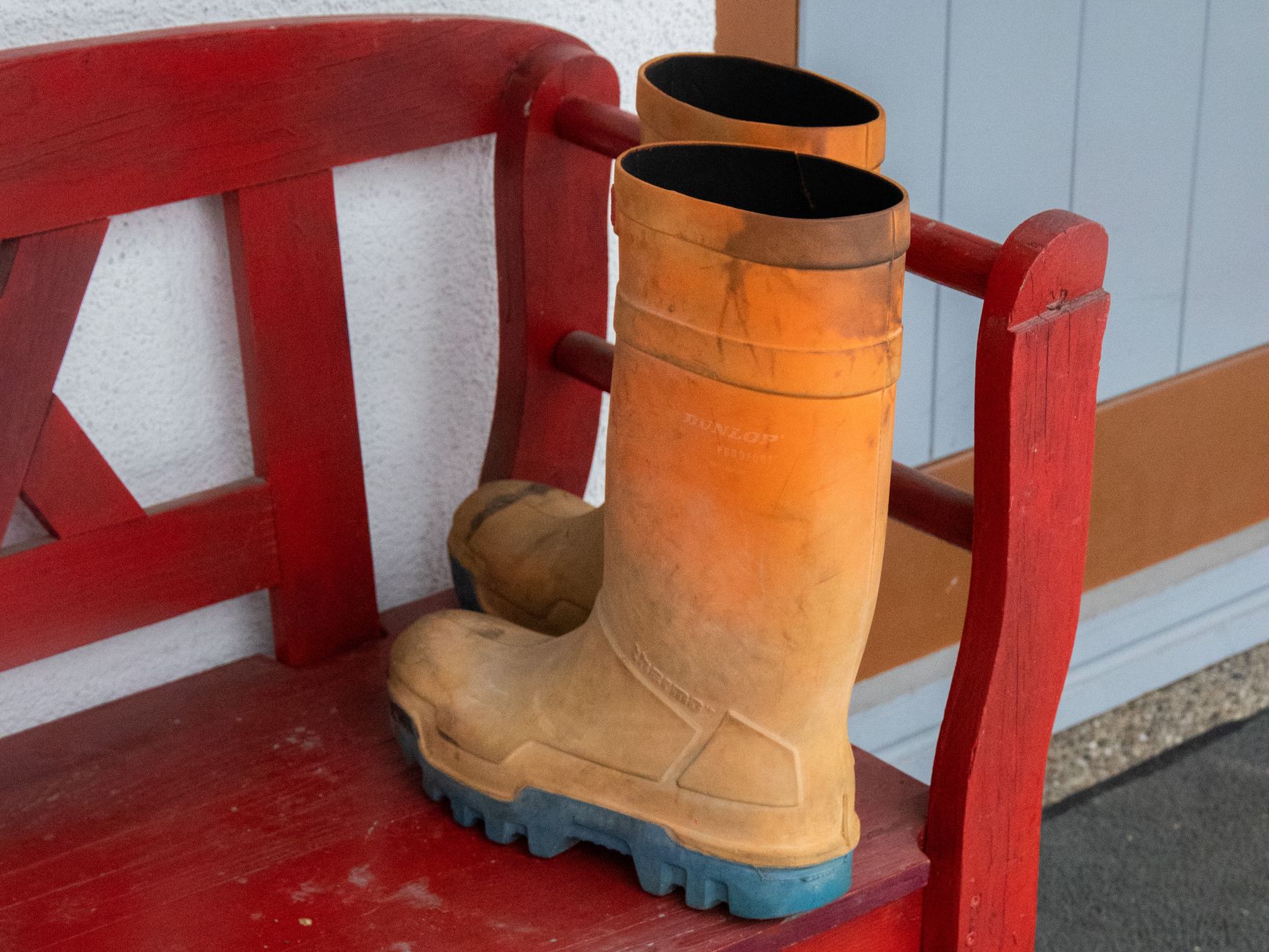
Locker rooms and boot storage areas see a different pattern: rubber matting holds moisture, benches collect debris, and humidity lingers after busy mornings on the hill. Carpeted lounge zones near fireplaces take repeat vacuuming when groups cycle through all day.
Autonomous scrubbers and commercial vacuums earn their keep on fixed routes through those zones after guest traffic drops. You map aisles, transitions, and mat edges once, then let the unit repeat the cycle while human staff focus on touch points robots do not handle well.
Where overnight autonomous scrubbers fit a lodge schedule
Most lodges already run a late cleaning wave after restaurants close and the last skiers leave the bar. That window is short, and it competes with laundry, kitchen breakdown, and security walkthroughs. An autonomous floor scrubber can work the main corridors and hard-floor dining areas while porters handle tables, glassware, and guest requests.
The win is coverage without pulling ski school staff or mountain operations into housekeeping. Groomers and lift teams should stay on snow prep, not on lobby mops, when you are already short on seasonal hires.
Units are bought outright or leased through financing, with deployment and training bundled through a single integrator. Service Robot Co. maps the space, sets run schedules around furniture layout, and supports the fleet through RoboCare and a nationwide network of regional service engineers.
- Map vestibule to main stair landings first, where boot traffic is heaviest
- Run scrubbers on hard dining floors after chairs are stacked, not during service
- Keep vacuums on carpeted lounges on a separate late shift so noise stays off the guest floor
How bar and dining resets change when F&B is understaffed

Food and beverage leaders often cross-train servers to bus tables, but they cannot also own a full floor strip when the kitchen is still breaking down. Sticky tile behind the bar and dining aisles are where slips happen and where inspectors look first.
A scrubber programmed for dining zones hits the same path each night, which matters when you rotate stewards across outlets. Consistency beats heroic one-off deep cleans before a holiday weekend.
Pair the machine with a short human checklist: bar mats lifted, chair legs wiped, salt buckets emptied. Robots handle the square footage; people handle the details guests touch.
Staffing data worth citing in your next ops meeting
Trade reporting on Colorado resorts underscores that unfilled roles are widespread, not isolated to one property. Use that figure when you ask ownership for capital aimed at labor multipliers rather than one more seasonal recruiter.
Housing pressure in mountain towns keeps turnover high even when wages rise, which The Ski Guru and regional labor reviews describe as a structural issue for hospitality and cleaning roles. Automation does not fix housing, but it can stabilize floor standards when headcount swings week to week.
Document before-and-after photos on the same camera angle at 6 a.m. open. Visual proof travels farther than vendor slides when you pitch a pilot to ownership.

Choosing scrubbers versus vacuums for mixed lodge layouts
Many lodges blend stone entries, carpeted seating, and vinyl in locker zones. Scrubbers belong on sealed hard floors; vacuums and extractors belong on soft surfaces. Trying to force one machine type across every surface creates rework and unhappy staff.
OEM-neutral selection matters because no single brand optimizes every zone. An integrator matches pad pressure, tank size, and docking to your aisles instead of selling whatever is on the truck.
Pilot one high-wear loop for two weeks, measure water use, chemical dosing, and morning open time. Expand routes only after housekeeping leads sign off on cord management and furniture placement.
Training mountain staff without slowing the guest experience
Seasonal hires learn fast when roles are narrow. Give robot owners a three-task brief: start the run, clear obstacles, and log a fault code. Everyone else needs to know where not to leave luggage carts during the 11 p.m. cycle.
Front desk should know who gets the call if a guest reports noise from a utility closet charger. That single phone tree prevents 2 a.m. debates about whether to stop a run mid-cycle.
When Service Robot Co. handles mapping and go-live training, your trainers spend time on guest service scripts instead of reading motor error manuals.
When to bring in outside help for deployment
If your engineering team is already managing snowmaking pumps and lift diagnostics, adding robot firmware updates is a poor use of their winter. Integrators stage charging, water fill, and route edits before peak weeks.
Financing spreads capital across seasons that may only run five months at full volume. That matches how many lodges already lease grooming assets, but floor robots should be described as buy or lease through financing, not rent or subscription language that confuses accounting.
A free site assessment should answer aisle width, elevator thresholds, and where guests will still walk during a partial run. Skip vendors who quote hardware without walking the mud-season path first.
Frequently asked questions
Sources
Service Robot Co. is not affiliated with, sponsored by, or endorsed by the companies mentioned in this article.