Key takeaways
- A USGA article reports average golf course labor spending rose 17% from 2022 to 2024, citing GCSAA survey data.
- Committees fund hours returned to greens and bunkers, not an industry trend line.
- Check every trade-reported figure against your own payroll before the meeting.
- Bring one fixed lease payment quoted after a free site assessment, with service terms in writing.
What the 17 percent figure actually tells a committee
A USGA Green Section Record article reports that average golf course labor spending rose 17% from 2022 to 2024. It attributes the figure to the GCSAA 2024 Maintenance Budget Survey. We could not open the GCSAA report itself, so the number rests on the USGA's account of it and should be treated as trade-reported.
That matters in the room. A committee does not vote on an industry average. It votes on how fast your payroll is climbing, how many hours your crew spends on tasks that never show on the green, and what happens to cut quality when those hours run short.
Build the pitch in that order. Lead with your crew hours, cite the 17% as context with its source, and bring one fixed lease quote drawn from a site assessment. The hours carry the case. The trend only explains why those hours matter now.
Why the labor trend alone will not win the vote
Most committees have heard labor complaints for years, and a trend line by itself invites a shrug. A GCSAA-related newsletter reports that in a 2022 labor survey, 63% of respondents rated the labor market bad or very bad. Only 9% rated it good or very good, and 28% said neither.
Confirm the year before you quote that line. Other search results attach the same 63% figure to a 2018 survey, so the 2022 attribution is not settled in the sources we reviewed. Quote the number with its source, and say the year is still being checked if you cannot confirm it.
Then move on quickly. Your committee funds decisions, and the labor climate only sets the stage for them.
Pulling the crew hours your committee will test
Committees test hours before they test ideas. Before you draft a single slide, pull two seasons of mowing records and sort them. The list below covers what to gather, and each item changes the arithmetic:
- Paid mowing hours per cycle, split by zone, taken from timecards
- Overtime hours logged during peak months and rain delayed weeks
- Hours lost to equipment faults, fueling stops and charging stops
- Greens and bunker hours pushed back when mowing runs late
Framing hours returned to greens and bunkers
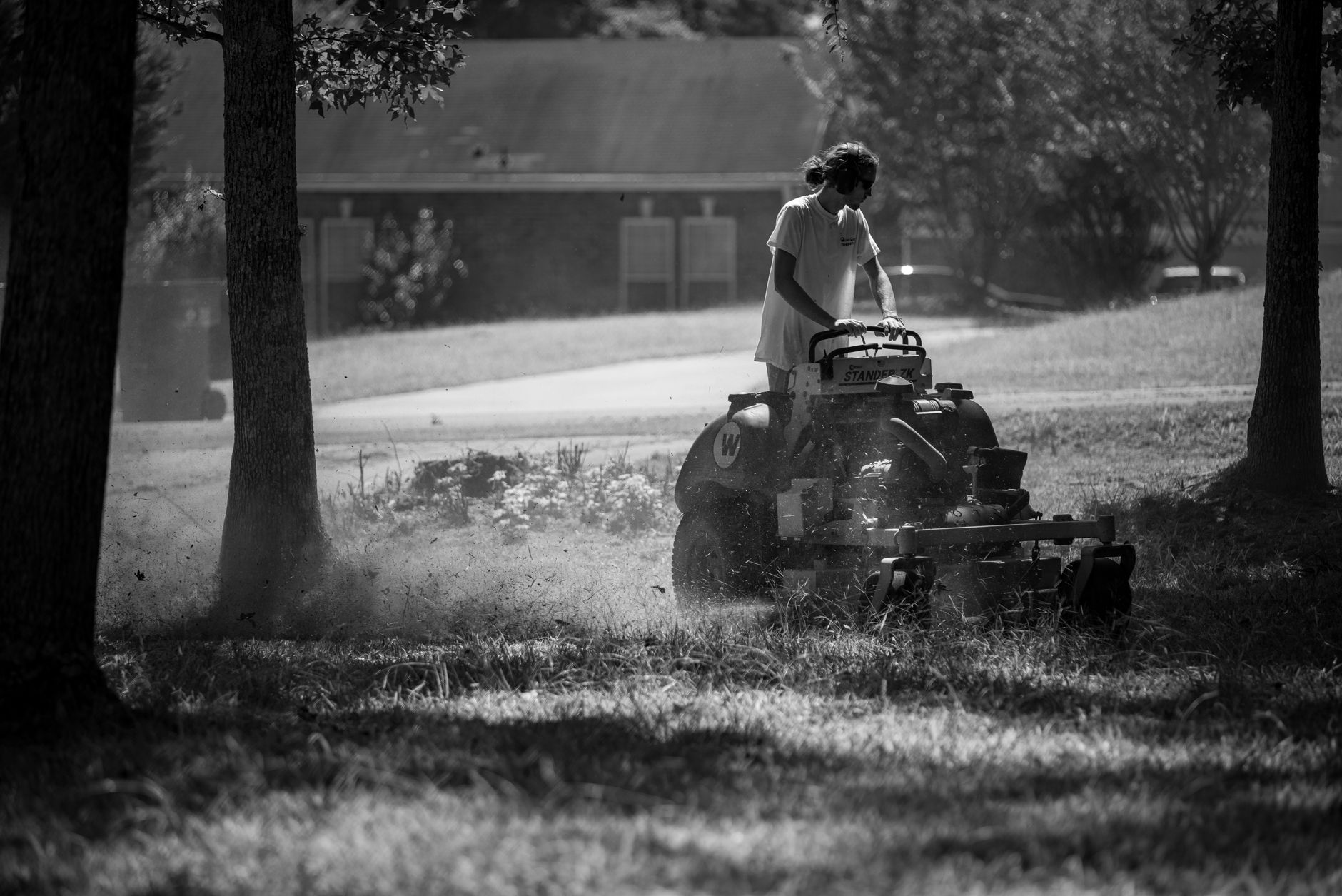
The argument is about where hours go, not about removing a position. A robot mower takes the repetitive open turf passes, so a crew member who spent the morning on a deck can return to hand work on greens, collars and bunkers, where cut quality is actually decided.
Frame the return as a share of hours you already measured. If mowing consumes a given block of crew time each week, state how much of that block could move to greens and bunkers, and show the calculation. Avoid any return figure you cannot trace back to your timecards.
Expect a skeptical member to ask what the crew will stop doing. Answer with the task list, not with a promise of savings.
What committees ask about the fixed quote
Expect three questions. What does the payment cover, how is service handled, and what happens at the end of the term? Our lease runs three years, with one fixed payment quoted after a site assessment, so the committee can set that single line beside the payroll hours it is meant to replace.
On service, we deploy, integrate, train and service each unit through a nationwide US engineer network, so the course works with one provider from installation onward. Ask for the service terms in writing, including how faults are reported and how quickly an engineer reaches the site.
A committee that gets those answers on paper tends to trust the quote more than one that hears them only in conversation.
How the free site assessment answers the next question
The second question is almost always whether the robot fits the turf, phrased more bluntly. Our site assessment is free and comes before any quote. It maps mowing zones, slopes, obstacles and charging locations, and the fixed quote reflects that map rather than a generic acreage estimate.
Bring the assessment findings to the committee alongside your payroll sheet. Where a zone is hard to mow, say so plainly. A pitch that names its limits holds up better than one that claims the robot covers everything.
Checking trade figures against your own payroll
Trade-reported numbers are a starting point, not a verdict. The USGA article gives the 17% figure from the GCSAA 2024 survey, and GCSAA's operations page lists that survey, but the search did not return the survey results themselves. Treat the industry rise as a reason to look, and let your payroll answer the question.
If your course's labor spending rose by less than the industry average, the committee should hear that, and the case shifts toward cut quality and hours on greens rather than cost. If it rose faster, bring the timecards. Either way, every number on the slide should be one you could defend line by line.
Frequently asked questions
Want a robot working for you?
Tell us the job and the site. We will recommend the robot, quote the lease, and keep it serviced.