
Key takeaways
- Lightning holds apply to autonomous fairway mowers the same way they apply to ride-ons.
- Shelter routes and chargers should be mapped before storm season, not improvised mid-cell.
- Log storm pauses as weather, not equipment faults, in the daily shop record.
- Resume passes only after the same all-clear rule staff use for carts and crews.
- Service Robot Co. maps shelter paths and charger priority during deployment and RoboCare visits.
When should fairway robots stop for lightning?
Fairway robots should stop when your lightning policy tells people to leave open turf and metal equipment. An autonomous unit is still a mower on a fairway, not an exception because nobody is in the seat.
Use the same horn, app, or radio all-clear your crew already trusts. If caddies are pulled off hills, robots should be heading to shelter or parking on paths, not finishing a loop because the software timer has ten minutes left.
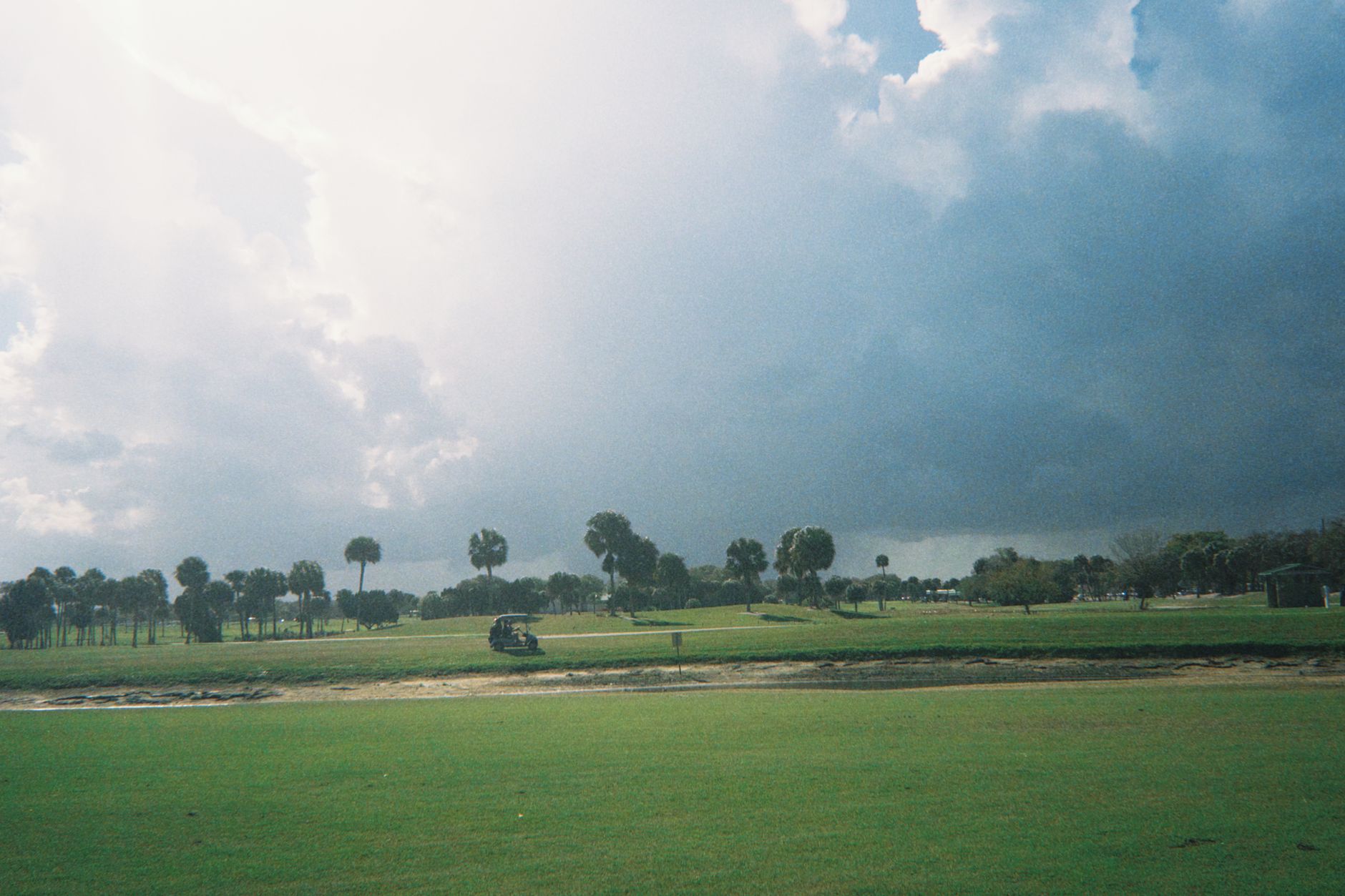
Summer afternoon cells arrive fast on many courses. A pre-written hold in the robot calendar beats debating at the maintenance barn while thunder is already audible.
Store the lightning policy link in the robot watch binder so reliefs do not hunt email during the first boom.
Where should units shelter during a storm?
Shelter means under permanent cover or on a mapped path segment away from tall trees and open ridges, following what your insurer and safety training already recommend for staff.
Chargers in open bays may need a priority rule: which unit docks first when two are caught on the same nine. Write that order before the season, not during the first red cell.
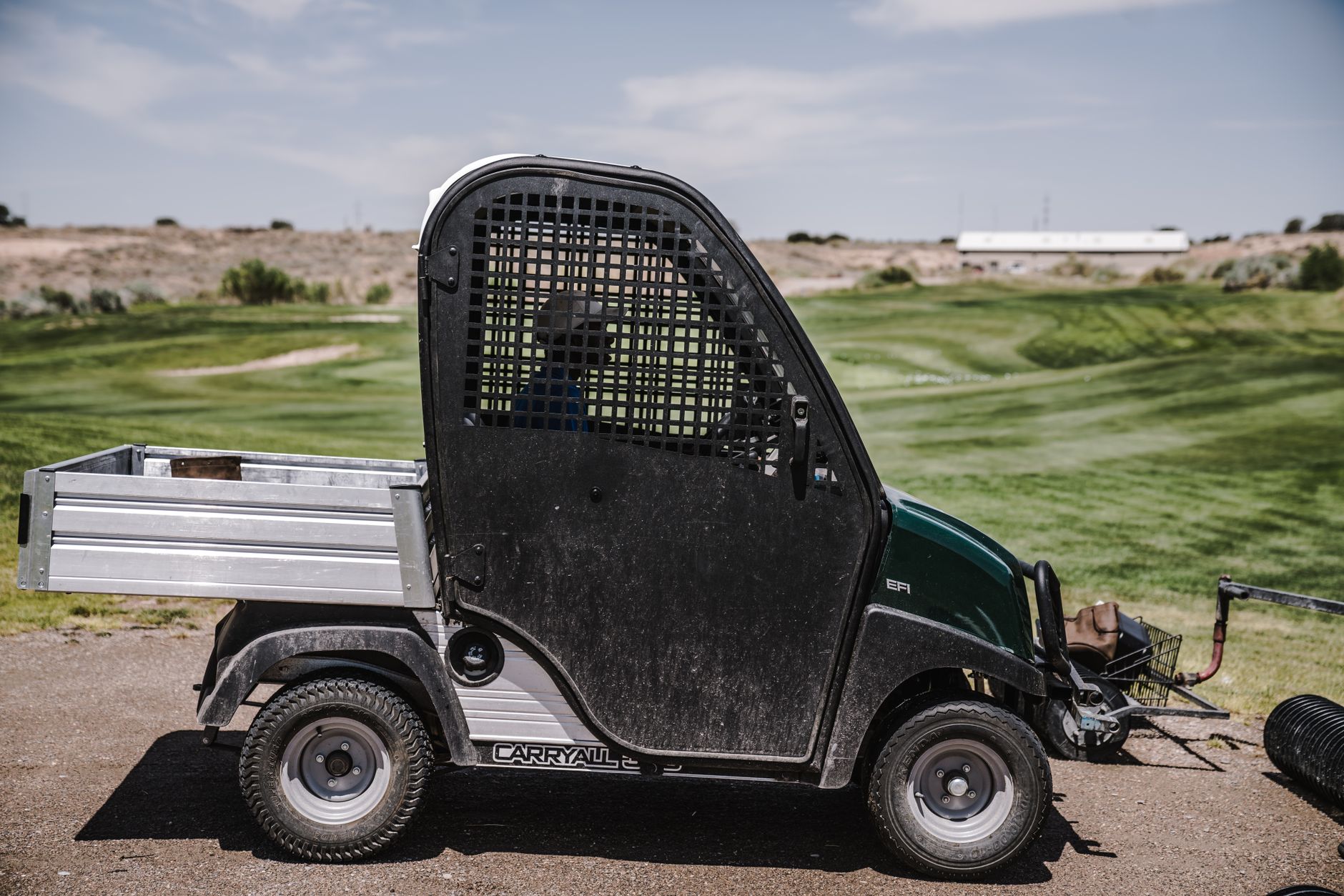
Never shelter by stopping mid-fairway unless path transit is impossible. A robot left on a playing corridor becomes an obstacle the moment play resumes.
Mark trees that lost limbs in prior storms as no-shelter zones until arborists clear them.
How do robot holds match player evacuation rules?
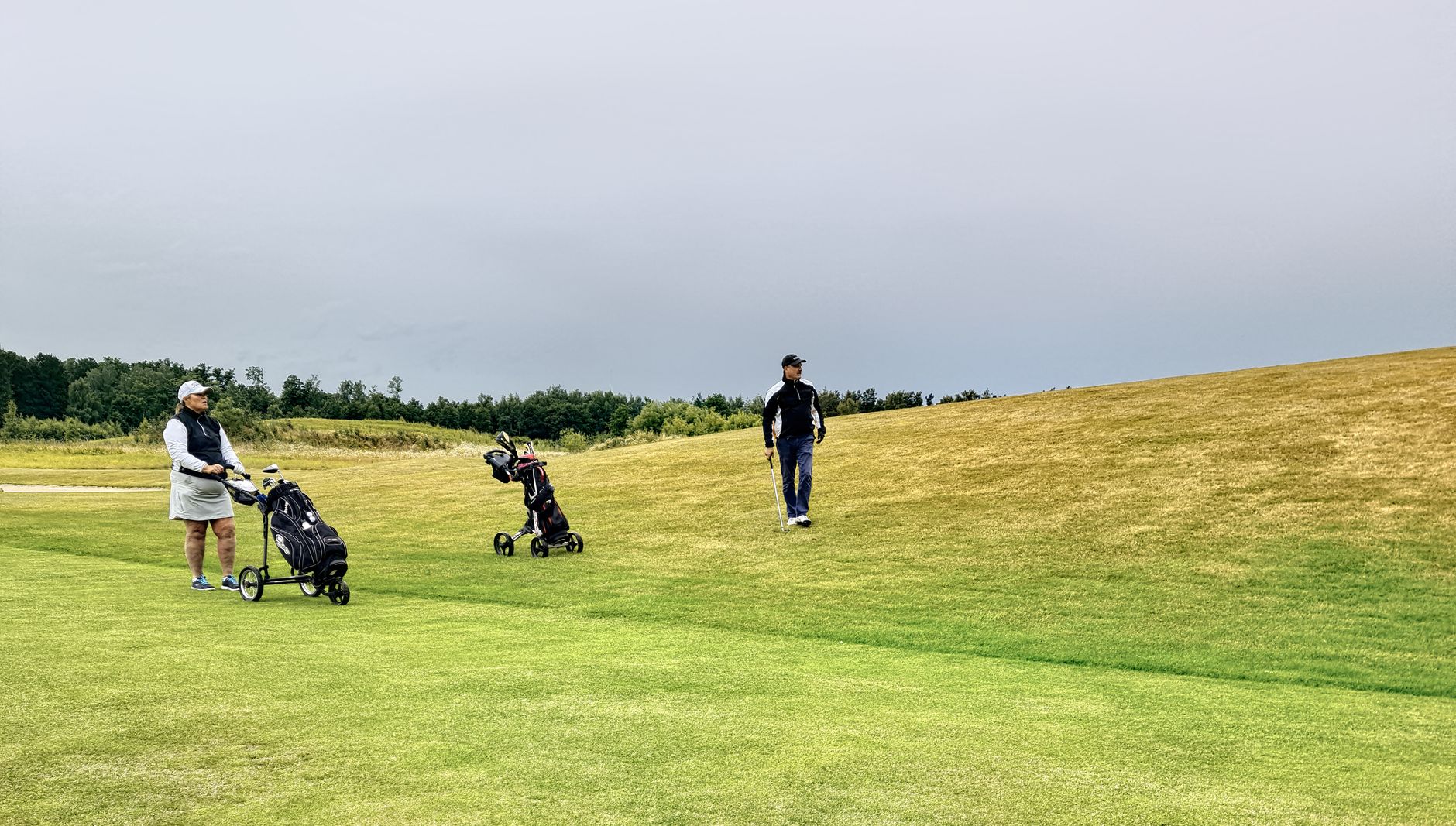
When the pro shop sounds lightning, assume members will cross paths robots use to reach shelter. Hold new starts and path transit until evacuation routes are clear.
Starters should know whether robots are moving to paths or already parked. One sentence on the radio prevents a member from following a unit off the fairway thinking it is a marshal.
After all-clear, players often return before turf is firm. Robots follow the same moisture rules you use after rain, not just the lightning timer.
If guests are still on the range, hold robot path transit behind the range net until the area is empty.
What should the watch lead do during a red cell?
The robot watch lead triggers holds, confirms each unit acknowledged stop or shelter, and logs the time in the maintenance record. Treat it like closing the shop, not like rebooting a laptop.
If a unit is unreachable on radio or app, send a person only when your lightning policy says it is safe. Human safety always outranks finishing a charge cycle.
Screenshot or export fault codes after the storm, but tag the ticket as lightning so RoboCare triage does not treat a weather stop as a failed motor.
After repeated false stops from static, tune sensors with your integrator instead of disabling weather holds.
How long should passes stay off after all-clear?
Follow the same delay you use for carts returning to fairways. Many policies wait thirty minutes after the last thunder heard before play resumes. Robots should wait at least that long before open-area mowing restarts.
Wet fairways after the storm may need longer holds than the lightning clock alone. Walk lows before you release geofences.
Document the reopen time per nine so post-storm reviews show whether holds were conservative or rushed.
Extend holds if radar shows a second cell arriving within your policy window.
What changes for overnight storms versus afternoon cells?
Overnight storms may leave debris and wet turf without a pro shop evacuation. Morning crews should inspect shelter areas and paths before auto schedules fire at dawn.
Afternoon cells interrupt active play and often strand units mid-route. Path-only return rules matter more when golfers are still on property.
Seasonal lightning maps differ by region. Import local patterns into your annual robot calendar instead of copying a policy from another state.
Note which nine each unit sheltered on so reopen order does not send two units across the same wet low.
What should crew do while robots are sheltered?
Crew still handles drainage checks, bunker washouts, and tree debris while robots wait. Greens and tees stay on hand equipment schedules.
Use shelter time to verify surge protection on chargers and inspect extension routing if storms are frequent.
Train seasonal staff on the hold button so a reboot does not send a unit onto a wet fairway while thunder is still within range.
Check drip lines and heads knocked loose before robots resume; irrigation damage is common after wind.
How does an integrator help with storm protocol?
Service Robot Co. is OEM-neutral on autonomous fairway mowers. We finance buy or lease options, map fairways, rough, shelter paths, and chargers, train your watch lead, and service units under RoboCare with regional engineers in every state we cover.
Bring your written lightning policy to deployment so software holds mirror staff rules instead of fighting them.
After a major storm season, review shelter maps if trees fell or paths flooded. Update files before the next summer, not after the first close call.
Financing does not include storm insurance; shelter protocol is still the superintendent's safety program.


