Key takeaways
- A 30 minute gap is the benchmark one clinic-practice source gives, and the floor pass has to fit inside what remains after the reset.
- Compare noise figures only on the same mode, unit and metric, since a maximum and an average tell different stories.
- Wipe oil drips by hand first, then let the robot take the open floor as the second pass.
- None of the sources we checked covers door-sensor timing, so confirm pause rules during a site assessment.
- Therapists own the table and linens, and the robot runs only after a clear reset.
How much room does a session gap leave for a robot?
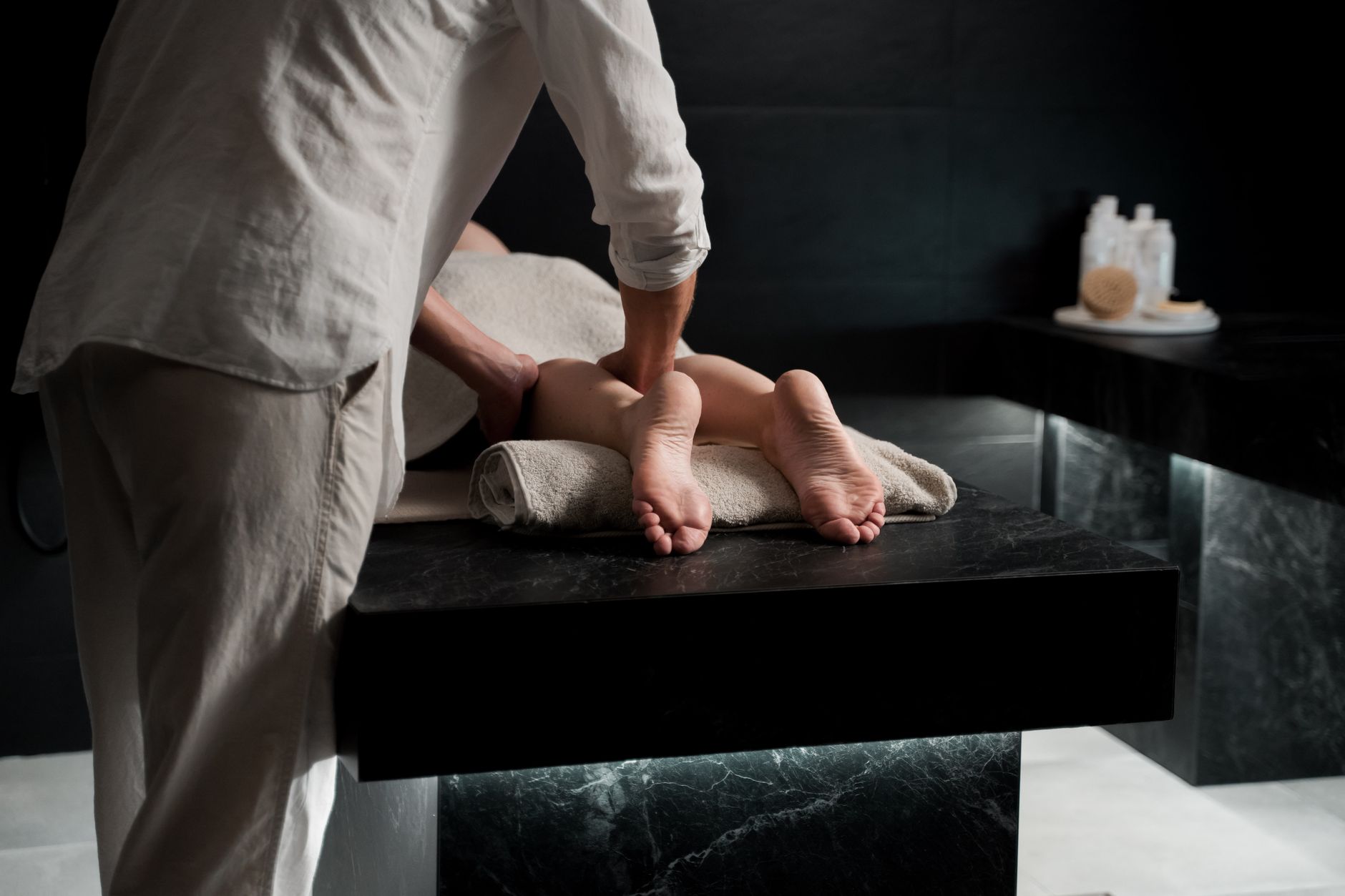
A session gap is the working window between one client leaving and the next arriving. It is short, and most of it belongs to the therapist, who needs to clear the table, change linens and reset the room. A floor pass fits only in the part of that window when the room is empty and the corridor is clear.
Clinic-practice guidance offers one benchmark. ABMP's student-clinic post-session guidance recommends 30 minutes between clients, citing about 10 minutes of disinfectant contact time alongside other protocol steps. That figure comes from a teaching clinic, not a national standard, so time your own sequence before you assign the robot a slot.
Which reset steps come before the floor?
Vendor turnover templates follow a familiar order. A MangoApps spa therapist room checklist lists removing used linens, disinfecting touchpoints, checking equipment, replacing consumables, and resetting the table, bolsters and oil dispensers. The floor belongs near the end of that order, after the table is bare and surfaces above floor level are wiped. A robot started early would sweep up debris the therapist is still producing.
Who owns the reset depends on the room. Pure Spa Direct's guidance says the assigned therapist usually resets their own room, while in shared rooms a spa attendant may own the reset. Write that down in the clinic routine, because the robot's start trigger is a staff decision.
How loud is a floor robot next to a treatment room?
Noise is the first complaint a quiet room produces, and published figures are not comparable as they stand. A retailer page for the Nilfisk Advance SC370 walk-behind scrubber lists a silent mode at a maximum of 66 dB. A University of Michigan student report lists a Tennant T5 scrubber at 68 dBA, but that is a conventional machine measured in a class project, not a robot.
Before you compare any two numbers, check four things:
- The mode the figure describes, since a scrubbing pass and a dust pass usually differ
- Whether the number is a maximum or an average
- The unit, because dB and dBA are not interchangeable on a spec sheet
- Whether your own team can reproduce the figure with a meter in the treatment room during a real session
How do you handle oil on hard floors?

Massage oil spreads wider than the drip that starts it. Practitioner advice in a 2020 massage forum thread says to clean first, then disinfect, and to allow extra time between clients on greasy surfaces. That thread is anecdotal, so treat it as a starting point and test your own floor and cleaner.
ABMP's pandemic-era guidance cited CDC recommendations to clean and disinfect equipment and surfaces between clients, with oil dispensers named among them. That material is dated, but it is a reminder that oil lives on the reset list as well as on the floor.
A staff member should wipe obvious drips at the threshold and under the table edge before the robot starts. The robot is the second pass, and the first pass is a person with a cloth.
What about door timing and occupied rooms?
We found no verified source on door timing or door-sensor integration for floor robots in clinics, so this section is planning logic, not a tested result. The gap has two kinds of space. Common corridors can take a pass when clients are not moving through them, while treatment rooms should wait until the therapist confirms the room is empty.
A simple rule helps. Corridor runs start when the front desk confirms the last client has left the hallway, and room runs start only after the therapist marks the room reset. Ask any vendor whether their robot can be paused on a schedule or by a staff signal, and record the answer in the site assessment rather than assuming it.
Where do staff and robots split the work?
A workable split gives the therapist the table, linens and touchpoints, the front desk the corridor timing, and the robot the open hard floor. Each role has a clear stopping point, so no one waits on another person's pass. The therapist should never have to step around a robot to reach supplies.
The split also makes the log easy to read. Each zone shows a start time after the reset, so a missed floor pass sits on the same sheet as a missed linen change, and both can be fixed the same day.
How does a clinic start a robot routine without a long commitment?
Service Robot Co. is an OEM-neutral integrator for US businesses, which means we choose the robot for the floor rather than for one brand. We lease robots on a 3-year lease, with one fixed lease quote after a site assessment. We then deploy, integrate, train and service each unit under RoboCare, our service plan.
A useful first step is a site assessment that maps hallways, room thresholds, oil-prone zones and the real gap times. Those measurements let us size the lease quote and set start rules before the first pass. Measure noise during a real session as well, because the room will tell you more than any spec sheet.
Frequently asked questions
Want a robot working for you?
Tell us the job and the site. We will recommend the robot, quote the lease, and keep it serviced.
Sources
- Sylvane: Nilfisk Advance SC370 compact walk-behind floor scrubber
- University of Michigan student project report on a Tennant T5 scrubber
- ABMP student clinic post-session guidance
- MangoApps spa therapist room turnover checklist
- ABMP post-session sanitation guidance
- Pure Spa Direct blog: how to reset shared rooms
- Massage forum thread on disinfecting oily greasy surfaces