

Key takeaways
- Hold fairway robots when pace stacks on holes your loops must cross.
- Tee-time buffers keep autonomous decks behind the last group, not between foursomes.
- Starters and maintenance share the same hole sequence each morning.
- Log buffer start and lift times beside robot hold releases.
- Service Robot Co. maps pace buffers into fairway playbooks.
Why does member pace affect fairway robots?
Fairway robots follow fixed corridors that often cross where players hit and walk. On a stacked Saturday morning, groups stay tight and there is no quiet gap for a full loop.
A robot that enters the fairway between foursomes creates safety risk and member complaints even when software geofences are correct.
Triplex crews can pause and wave groups through. Autonomous fleets need holds or tee-time buffers planned before dispatch.
Pace is not only a starter problem. Maintenance must treat heavy play like frost or wind, a reason to delay or reroute.
Which holes need pace buffers first?
Hold or buffer par fours and fives where robots must cross full fairway width during peak tee times.
Short par threes may clear faster but can still stack when leagues start on the same clock.
Document high-pace holes on weekend templates separate from weekday dawn maps.
Back-nine starts that collide with front-nine finishes need extra buffer on crossover holes.

What is a tee-time buffer for robots?
A buffer means the fleet waits until the last group on a hole passes a defined line before the loop enters turf.
Buffers can be time-based from starter sheets or sensor triggers at cart paths, depending on your playbook.
Buffers are not delays for laziness. They keep mowing behind play instead of chasing it.
Name who sets buffers each morning: superintendent, assistant, or robot lead with radio to starters.
How should starters and maintenance align on pace mornings?
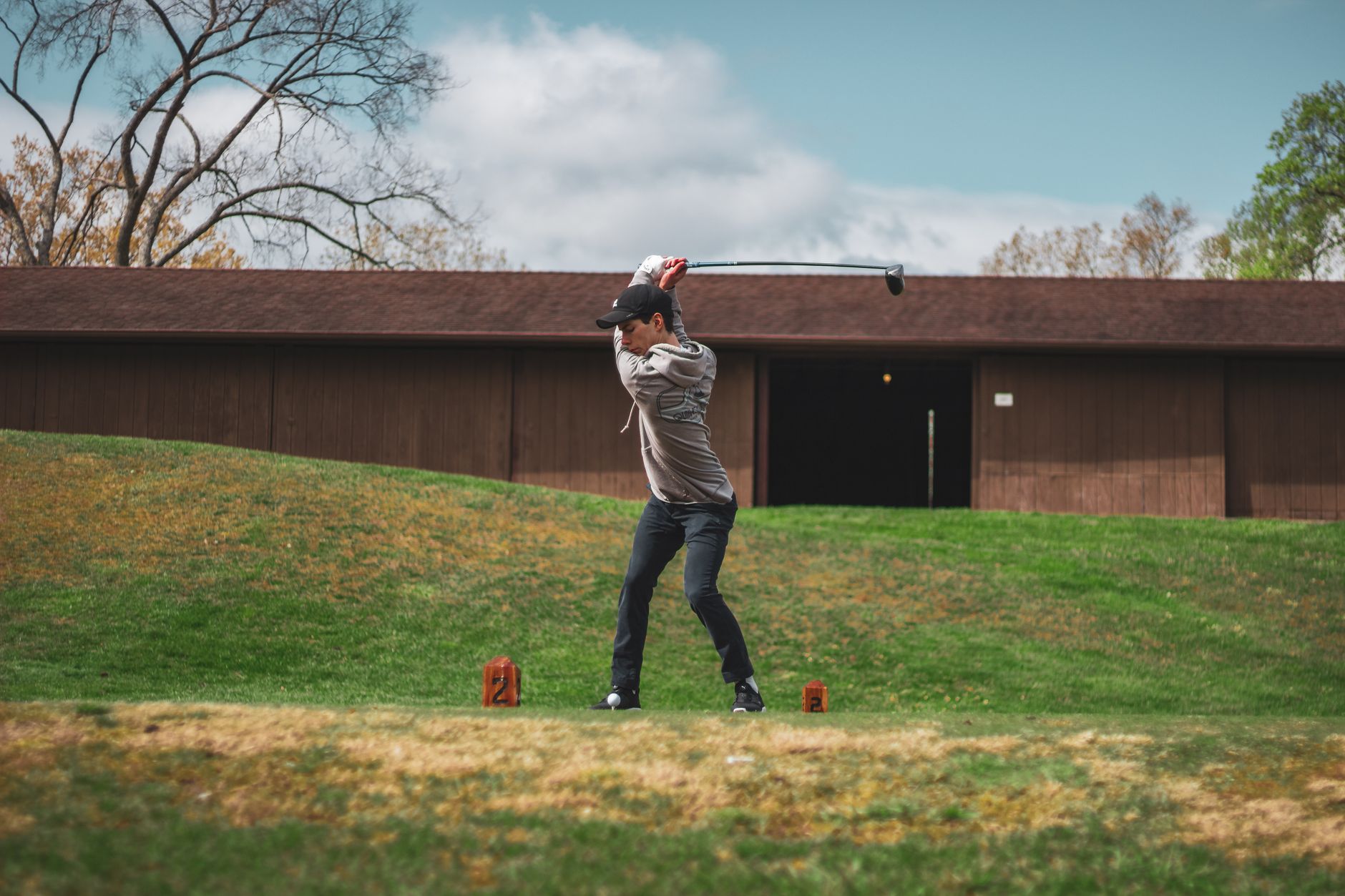
Starters track gap times; maintenance translates gaps into robot holds or buffer windows hole by hole.
Post the first buffer hole on the shop board and the starter shack copy.
When pace eases after mid-morning, both teams need the same signal to lift buffers.
League shotgun starts need a separate buffer list because hole order is not linear.
When can robots resume full loops?
Release holds when pace sheets show steady gaps and starters confirm no stacked groups on robot corridors.
Run a supervised test loop on the first cleared hole before fleet release.
If pace tightens again at lunch, reapply buffers instead of pushing through.
Log resume time and which holes stayed buffered for post-season review.
How do pace buffers interact with other holds?
Frost, dew, wind, and path-only rules can stack on the same morning. Combine hold logic instead of picking one.
Do not release robots for pace while frost or path-only rules still protect turf.
Coordinate with tournament weeks when manual mowing may take exposed holes while robots hold for pace.
Spray or debris holds should block release even when pace looks open.
What should members hear about delayed stripes?
Fairway grooming may finish later when robots waited for pace. That protects safety and round flow.
Brief the pro shop so questions get a consistent answer about buffers, not equipment failure.
Charity scrambles and outings still need the same coordination when carts stack on tight holes.
Television-style pace on broadcast weeks is rare at daily clubs but needs explicit buffers when it happens.
How does an integrator template pace buffers?
Service Robot Co. adds pace-buffer holes and release rules to your deployment playbook.
OEM-neutral financing and RoboCare support stay unified when weekend buffers become routine.
Regional engineers in every state we cover tune corridors after pace-related turf or complaint reviews.
Review buffer templates each season when membership traffic patterns shift.


