Key takeaways
- Map cart staging footprints as no-go zones before the robot's first run.
- Oil film and grit suit a scrubber, while dry, heavy debris suits a sweeper.
- Check every stated debris size and obstacle rating against your largest real debris.
- Crews still walk the corners after each pass, under cart bases and at drain edges.
- Vendor figures are claims until a supervised pilot on your own bay confirms them.
Can a floor robot work a race shop garage?
Yes, for the loose and wet work, and only inside a map you control. A floor robot can take on the oil film, grit and light debris that settle across a race bay, but it will not clear everything on its own. Tool carts, creepers, tire piles and cords decide whether a run ends clean.
The plan is simple. Fence off cart staging as no-go zones, match each machine to the debris it is rated for, and have a person walk the corners after every pass. Those steps are ordinary shop discipline, and a robot simply makes the gaps easier to see.
Why oil, tire debris and carts make one floor hard
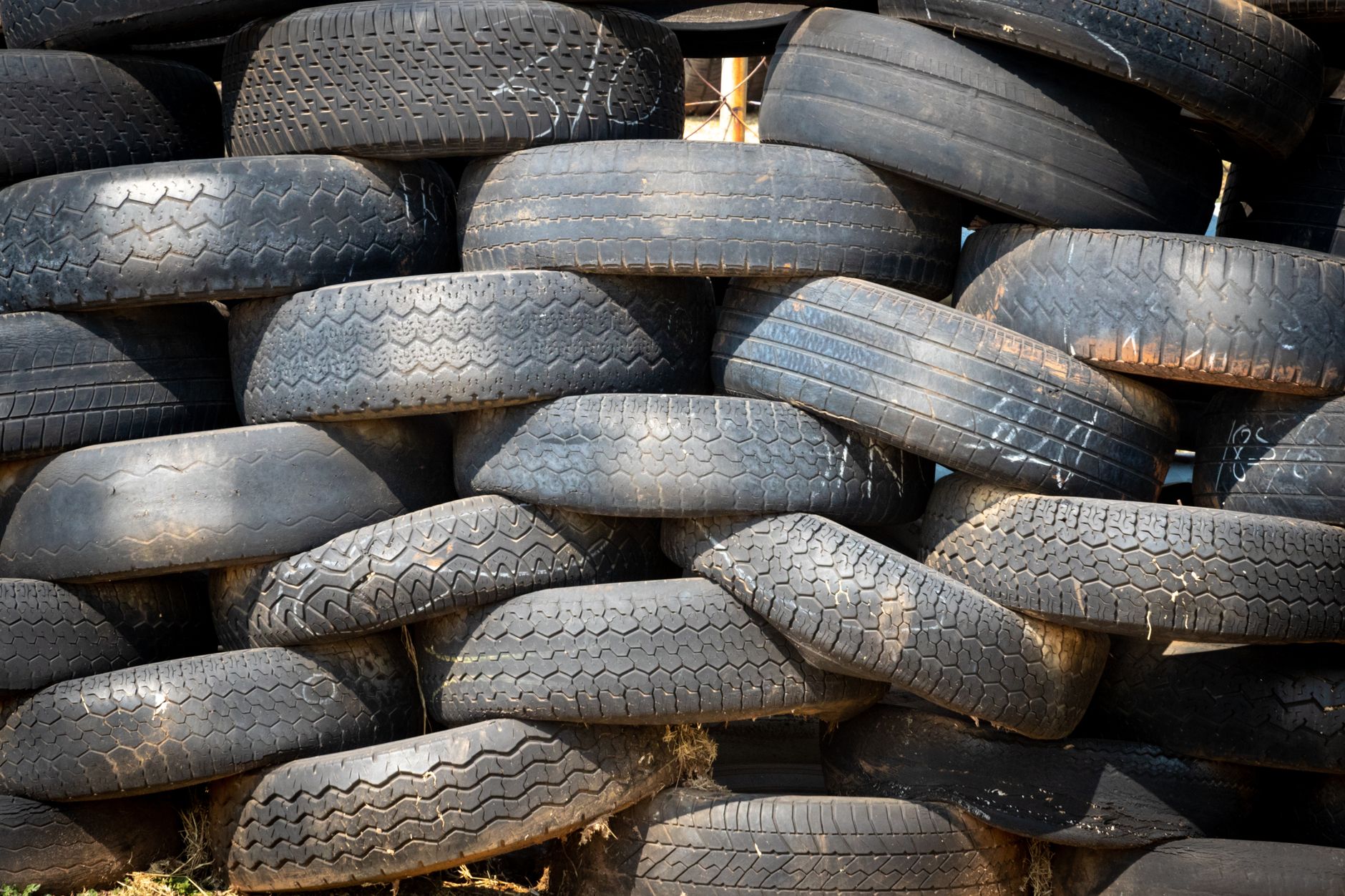
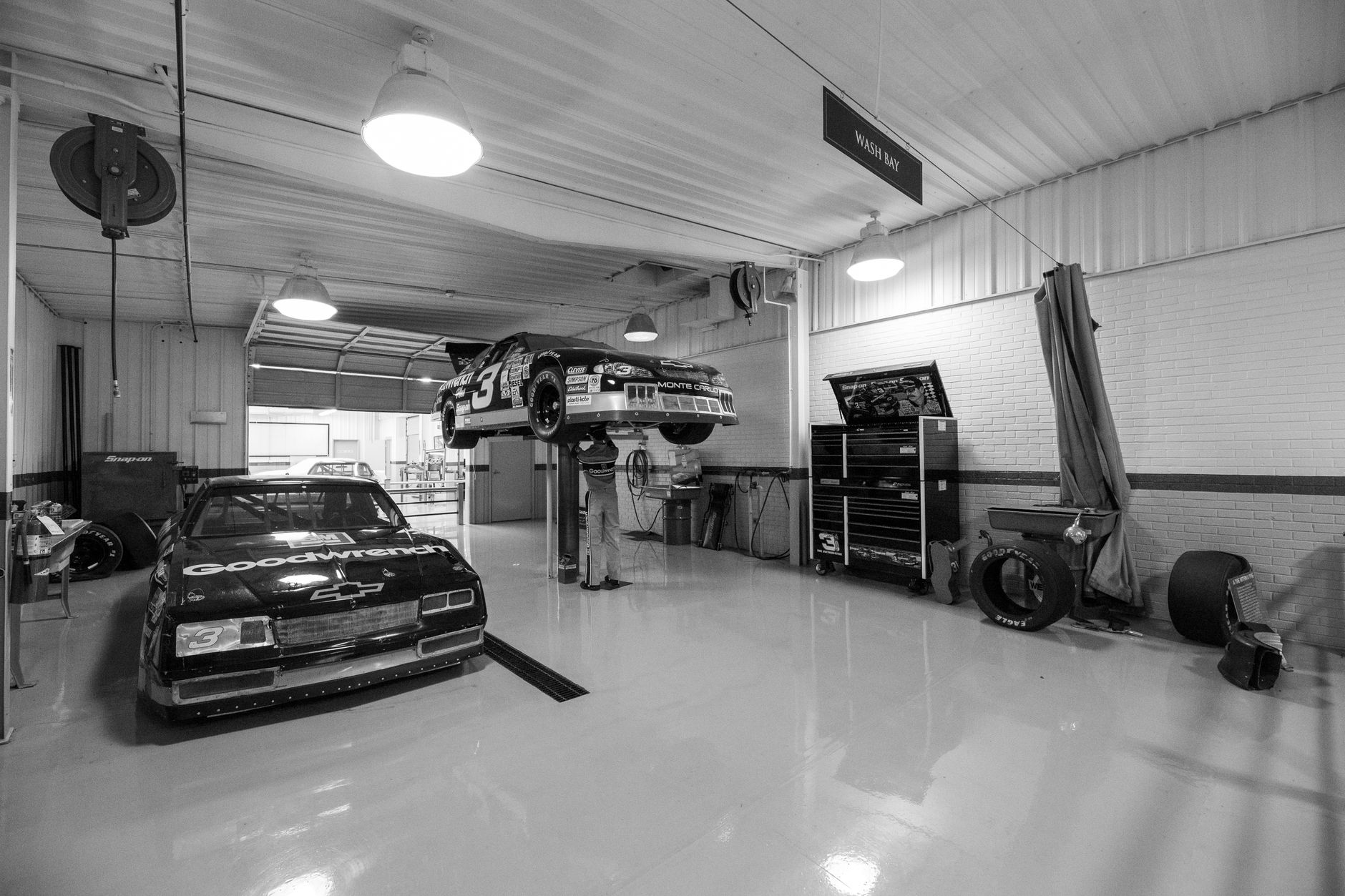
Race garages do not produce one kind of mess. Liquid grease and solid debris often sit side by side, and OrionStar describes industrial floors this way, noting that cylindrical brushes pick up the solids while scrubbing. That is vendor-reported, so read it as the intended design, not a field result.
Trade coverage points the same direction. A trade piece reprinted by epartrade quotes Nilfisk-Advance saying its automatic floor scrubbers with cylindrical brushes 'have proven to be strong performers in the race shop environment.' The article is older and reports the manufacturer's own statement, so read it as a claim. It also says solid-surface floors are the most in-demand race-shop flooring.
Mapping cart staging areas as no-go zones
Carts are the hardest part of the floor because they move. A staging spot that is clear at six in the evening can hold a rolling chest by eleven. Treat the staging footprint, the aisle between it and the bench, and the swing path of every drawer as no-go zones, not as cleaning areas the robot will work around.
Obstacle heights need a number, not a guess. The Gausium Scrubber 75 listing gives a minimum passable obstacle height of 10 mm (0.4 in), as checked in November 2026. Compare that figure with your thresholds, drain lips and caster stops before you trust a route.
- Draw each cart footprint plus its drawer swing, and leave a fixed margin the route can never cut into.
- Mark parking lanes as permanent boundaries, because the map should show where carts park, not where they were last seen.
- Keep a clear run for air lines, cords and creepers, since loose hoses are what stop a machine mid-route.
- Revisit the map after a heavy build week, because carts left in a new spot overnight are where a route fails first.

What a robot can and cannot pick up
Pick-up depends on the machine type, so sort claims by debris. An Australian guide on scrubbers and sweepers says scrubbers handle grease and spills, while sweepers suit metal shavings and heavy dry debris, and it suggests a combined machine for mixed floors. A race bay that sees both oil and dry chips may need that combined approach, or two machines on separate schedules.
Size limits are published for some models, and they are the first number to check. An OrionStar listing for a machine aimed at forklift-heavy warehouses cites pickup of debris up to 3 cm, vendor-reported. A Waybot vacuum is rated for debris up to 20 × 20 × 20 mm, including sand and fine gravel within those limits, and that is a vacuum rating, not a scrubber rating.
Liquid capacity is a tank question. An OrionStar listing for the Avidbots Neo 2W, pitched at food-service floors with heavy cooking oil, cites an 18 L recovery tank and a 24 L fresh-water tank. Those sizes show how much a unit holds in one run, not how much oil your bay produces in a shift. We found no published oil-handling limit for race shop use.
- Trust a stated size rating only for the debris type it describes, since a vacuum rating says nothing about a scrubber's wet film.
- Test the largest real debris your crew sees, such as chips or rubber chunks, on a supervised run before the schedule goes live.
- Treat anything above the stated rating as manual pickup, and log it so the next shift knows what was left.
Why oil film makes traction a floor-care issue
Oil marks matter beyond appearance. A general guide to robotic scrubbers says they remove oil marks that can compromise traction, which matters on a bay where a technician walks from a greasy spot to a dry bench in work boots. Traction is a safety question, so it belongs in the cleaning plan.
Scrubbers also need upkeep. The same guide says they need regular maintenance, and that deployments often need a recharging and refill station, sometimes automated. Place the dock away from the cart lanes so the charger never becomes one more obstacle on the map.
How crews should check corners afterward
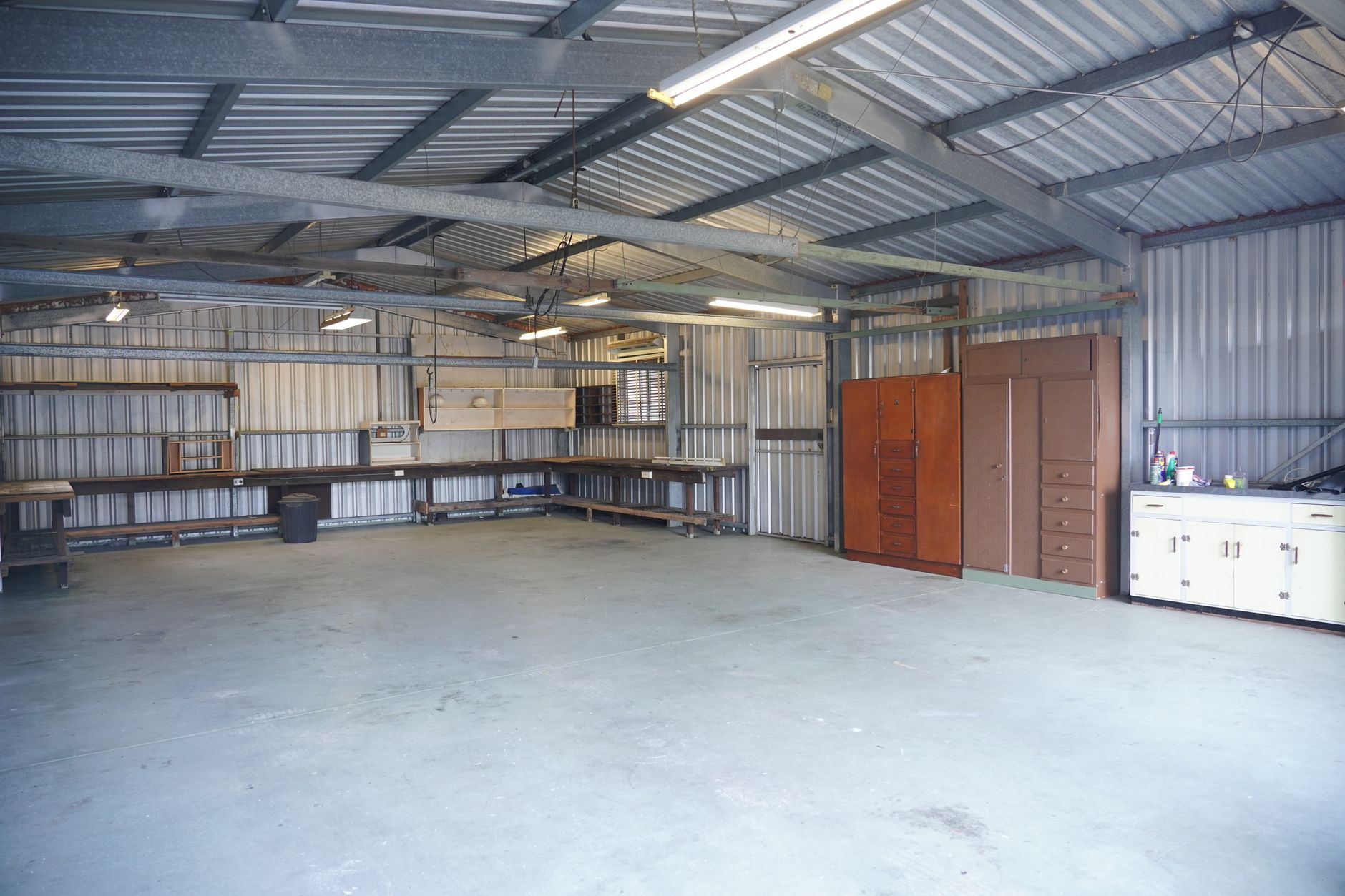
A clean-looking pass can still leave the corners behind cabinets, under cart bases and at drain edges. Run a short check after every robot pass, before the first crew member walks the bay. A few minutes of looking finds the film and grit a brush tends to skip.
- Look under each cart base and along the wheel track, where grit gathers and a brush rarely reaches.
- Check cabinet kick plates and the gap behind tool chests, the spots a machine cannot reach from its path.
- Inspect drain edges and the seam where the bench meets the slab for leftover film or residue.
- Log every stop and any debris left behind, so the next route can change instead of repeating the same miss.
Where Service Robot Co. fits a race shop floor
Service Robot Co. handles commercial cleaning robot leasing from the first site walk onward, and we are OEM-neutral, so the first step is matching the machine to the mess instead of defaulting to one brand. A site assessment maps cart staging, obstacles and drains before anything runs. The robot is leased on a 3-year lease, with one fixed lease quote after that assessment, and every unit is covered by RoboCare, our service plan.
Regional service engineers handle deployment, integration, training and service in every state we serve, so a shop with a cart map and a debris list has one partner to call. Ask for a robot lease quoted after a site assessment, and bring the list of carts and the largest debris your crew actually sees.
What the public evidence does not yet show
Most of what is public on this niche comes from vendors and trade reprints. We did not find a race shop case study that measures how a robot performs around cart zones, and no spec we checked covers oil volume for garage use. Treat every figure above as a starting claim.
A supervised pilot on your own bay is the honest test. Load the cart map, run the route for a week, log each stop, and compare what the robot left behind against the corner check. The numbers from your floor will matter more than any brochure.
Frequently asked questions
Want a robot working for you?
Tell us the job and the site. We will recommend the robot, quote the lease, and keep it serviced.
Sources
- OrionStar industrial floor scrubber page
- OrionStar forklift-heavy warehouse listing
- OrionStar Avidbots Neo 2W listing
- Australian robotic floor scrubber vs sweeper guide
- Best environment for autonomous floor scrubbers guide
- Gausium Scrubber 75 product page
- Performance Racing trade piece (epartrade reprint)
- Waybot Robotics