Key takeaways
- Differential-drive AMRs need space to swing; omnidirectional units spin in place but cost more to buy and service.
- Docking accuracy favors omnidirectional approaches when aisles are tight and targets move slightly each shift.
- Wheel wear shows up first on differential drives that scrub tires during every ninety-degree turn.
- Control complexity rises with omnidirectional kinematics; fleet software must understand both if you mix layouts.
- Imperfect floors punish both layouts, but casters on omnidirectional decks can chatter on seams and crowns.
Which drivetrain should your warehouse buy first?
Autonomous mobile robots ship with two dominant wheel layouts. Differential-drive units steer like a wheelchair: two driven wheels plus casters, arcing through turns. Omnidirectional platforms add mecanum or similar wheels so the chassis can move sideways, rotate on center, or creep diagonally without a wide swing.
Neither layout wins every aisle. Differential drives dominate long straightaways and wide intersections because they are simpler, familiar to maintain, and often carry heavier payloads for the dollar. Omnidirectional drives earn their keep when pick stations sit close together, dock targets shift, and you cannot sacrifice another foot of aisle width.
U.S. warehousing and storage employment held near 1.84 million jobs in late 2025, according to Bureau of Labor Statistics seasonally adjusted figures. Facilities keep running with fewer people per square foot, which pushes more cart moves onto AMRs. Drivetrain choice is how those robots physically fit the building you already lease.
How does turning radius change aisle planning?
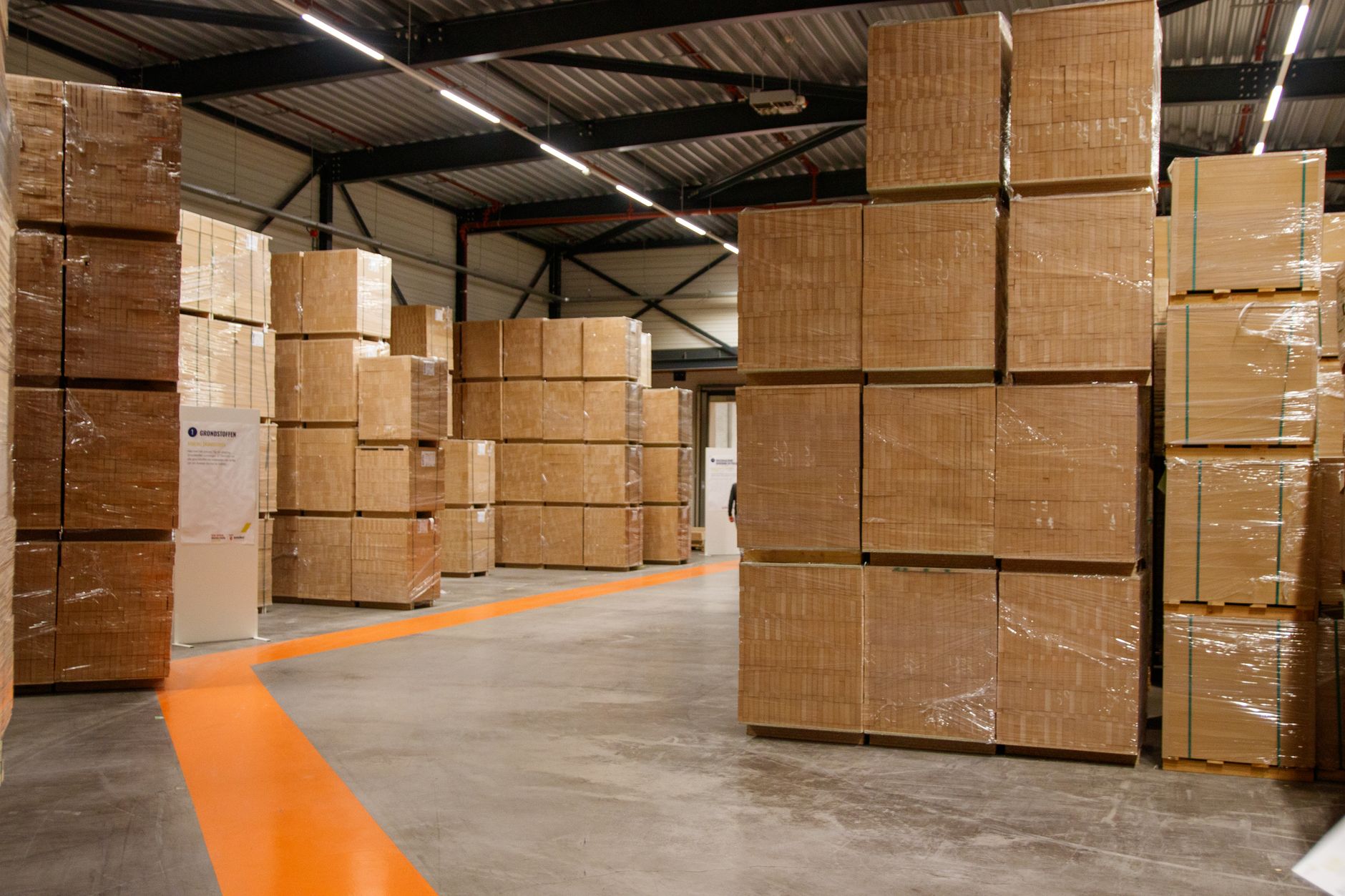
A differential-drive AMR traces a arc. Rule of thumb: add the robot length plus a safety buffer to the aisle width you show on paper. Narrow pick modules that looked fine for a cart may choke once a two-foot swing enters the map.
Omnidirectional AMRs can pivot in place, which shrinks the theoretical aisle envelope. Real cells still need clearance for forks, pallets, and human reach-ins. Spin-in-place also kicks debris and can surprise coworkers if speed limits are loose.
Mixed traffic matters. If forklifts already claim the wide aisles, do not assume a skinny AMR lane beside racking will stay clear. Differential units may need a dedicated one-way loop. Omnidirectional units may snake through tighter slots but require disciplined floor marking so nobody parks a pallet in the spin zone.
What about docking accuracy at stations and chargers?
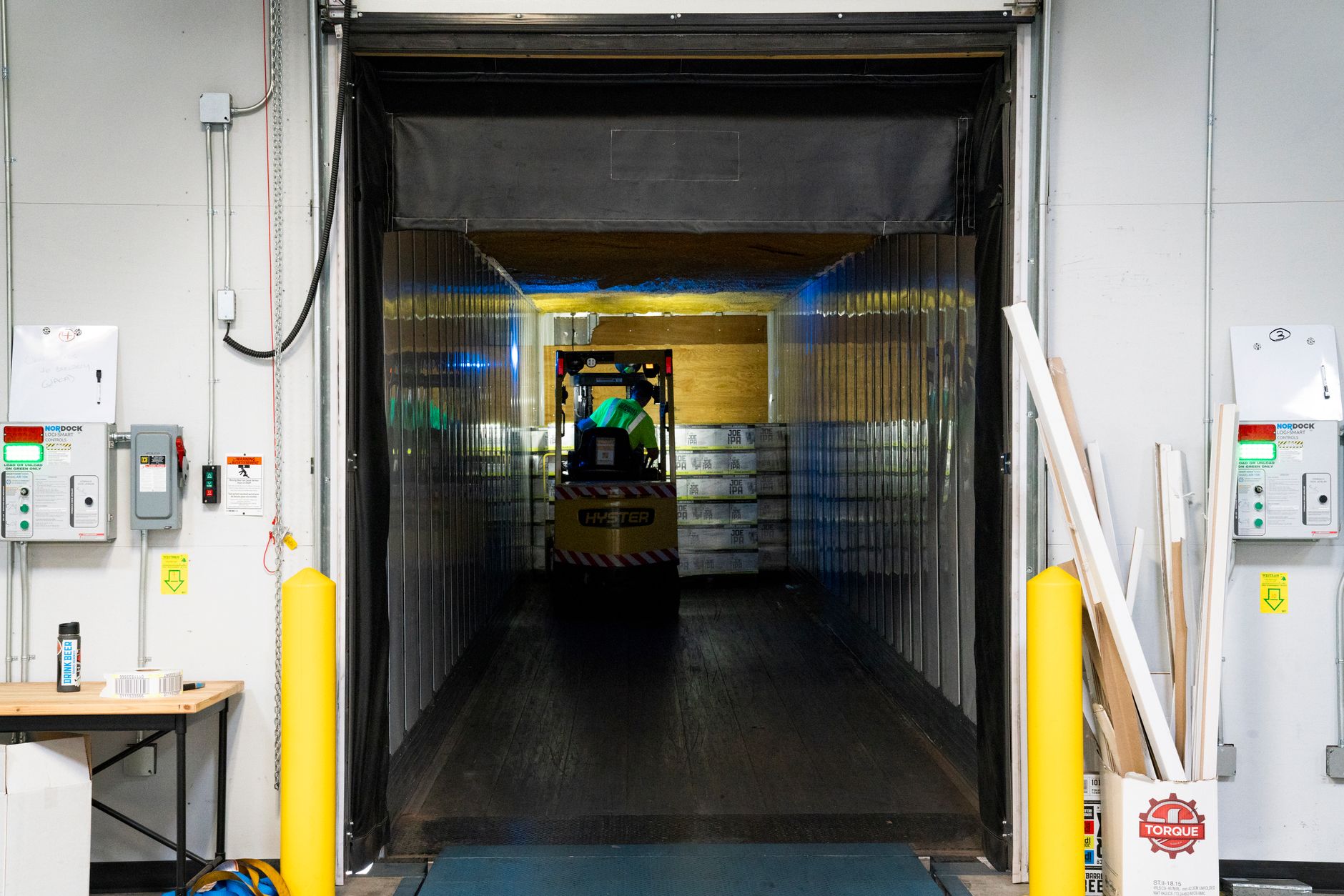
Docking is where kinematics meet software. Differential drives approach a charger or conveyor tail with a final straight segment. Small misalignment is corrected with a short back-and-fill maneuver that adds seconds each cycle.
Omnidirectional drives can lateral-shift into a dock, which helps when the target tolerances are tight or the station moves slightly after a layout reset. Vision markers and reflectors still matter. Fancy wheels do not remove the need for a repeatable feature on the floor or rack.
Test docking on the actual floor, not only in simulation. Expansion joints, paint buildup, and worn anti-slip coatings change how wheels slip during the last centimeter. Log failed docks as a first-class metric during pilot week.
How do the layouts affect wheel wear and maintenance?
Differential-drive tires scrub during turns. High-cycle routes with frequent ninety-degree corners can burn through polyurethane faster than long highway legs. Budget consumables and keep spare wheel sets if you run three shifts.
Omnidirectional rollers and mecanum wheels distribute motion differently but introduce more rolling elements. A single damaged roller can make the robot pull sideways until someone flags vibration in the logs. Maintenance included service plans help because field teams see wear patterns across fleets.
Casters on either layout need the same discipline: hairpins, debris, and wet floors. A nightly walk to clear shrink wrap and pallet chips pays off more than debating drivetrain theology in a conference room.
Is control and fleet software harder for omnidirectional AMRs?
Fleet managers send goals, not joystick commands, but the motion planner must respect different constraints. Omnidirectional paths can look shorter while demanding smoother acceleration profiles to avoid load shift on tall carts.
Mixing drivetrains in one zone complicates traffic rules. Differential bots may yield by stopping and reversing; omnidirectional bots may sidestep. Write intersection priority in plain language and teach operators what each light pattern means.
Simulation helps, yet only live traffic exposes oddities near blind corners. Run overlapping missions during pilot before you promise a pick rate to operations leadership.
How do imperfect floors treat each drivetrain?
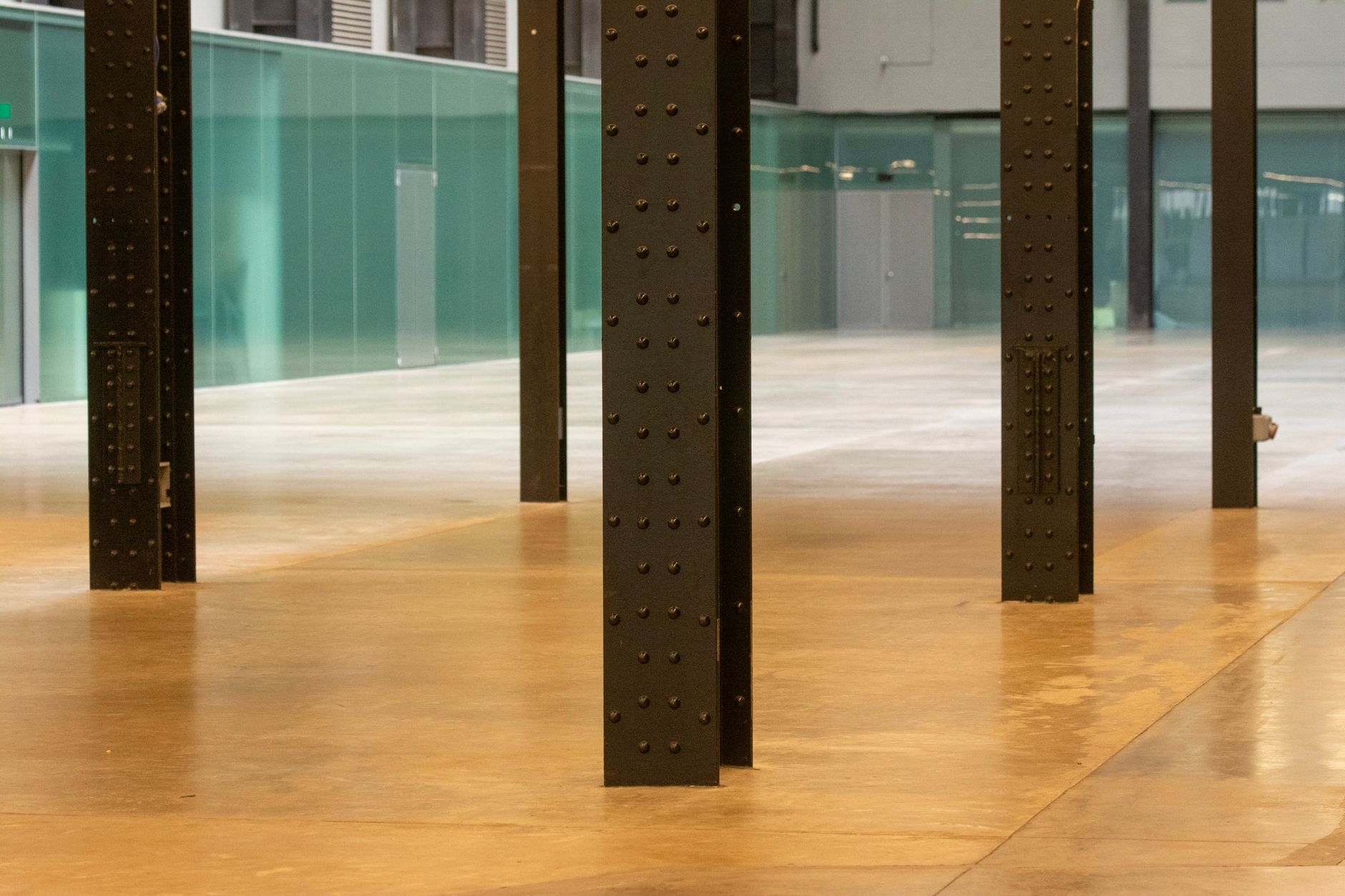
Warehouses rarely offer laboratory-flat concrete. Crowns, saw cuts, and patch ramps steer both layouts. Differential drives may hunt during slow turns if one driven wheel hits a low-friction patch. Omnidirectional decks can chatter when multiple small wheels cross a seam at once.
Ramp traction testing belongs in every AMR bid. Measure stopping distance uphill and downhill with the loaded cart you actually tow. A drivetrain that glides empty may slide with four hundred pounds of totes.
Outdoor transitions through dock plates deserve the same rigor. Rain tracked indoors changes friction for an hour after storms. Slow zones beat recovery missions.
- Map every seam and crown above two millimeters before fleet sizing.
- Run loaded stopping tests on the worst lane, not the newest slab.
- Set lower speed caps near wet entries and coffee stations.
- Log wheel slip events and tie them to floor repairs, not only robot tweaks.
When should an integrator steer you toward each layout?
Choose differential drive when aisles are generous, routes are mostly one-way loops, and purchase cost per payload matters. Choose omnidirectional when pick density is high, docks are tight, and layout changes are quarterly instead of yearly.
Service Robot Co. stays OEM-neutral: we model both layouts against your CAD or tape measure, then finance and deploy the fleet that matches real aisles. Cobot rental and AMR rental monthly programs let you prove one zone before you standardize drivetrains plant-wide.
Write acceptance tests the same for both: missions per hour, dock success rate, mean recovery time after a blocked aisle, and wheel wear at thirty days. Numbers decide, not slogans on a trade-show banner.
What questions should buyers ask on a demo day?
Ask the integrator to run your heaviest cart and your worst corner back-to-back on each drivetrain candidate. Watch how the robot recovers when a person steps into the lane. Count how many seconds docking takes over twenty cycles.
Ask how spare wheels ship and how long loaner units take to arrive. Drivetrain debates end quickly when production waits on a roller kit.
Ask how maps version when you move a pick table six inches. Omnidirectional flexibility disappears if retooling the map takes longer than moving the table by hand.