Key takeaways
- Start from square footage, aisle width, and open hours, not brochure tank size.
- One large machine wins on wide open slabs; compact fleets win on doors, elevators, and mixed zones.
- Redundancy favors multiple units when a single failure would leave a wing uncleaned.
- Dock count, fill-drain labor, and traffic cordons often decide the real fleet size.
- Phased expansion is easier when your first purchase leaves room for a second compact unit.
What is the right default for your building?
Facility leaders usually frame the choice as brute capacity versus nimble coverage. One large autonomous scrubber can eat acres of open concrete in a single overnight shift. Several compact units can slip into retail aisles, clinic corridors, and mezzanine landings that a ride-on will never reach.
The honest answer is neither always wins. You size the fleet from geometry, soil load, and how much human help you can still afford on the edges. According to the International Federation of Robotics, professional cleaning robot sales grew about 34 percent in 2024 to more than 25,000 units worldwide, which means more size classes are available but also more ways to mis-spec.
Use this article as a worksheet. Walk your floor plans with coverage, redundancy, access, docks, labor touch time, traffic, service risk, and future expansion in mind before you sign a commercial cleaning robot rental or lease.
How do you score coverage without fooling yourself?
Rated path width and tank capacity are easy to compare on paper. Verified coverage is harder. Large scrubbers shine when aisles are wide, turns are gentle, and you can close whole zones overnight.
Compact robots earn their keep when you must clean around open columns, narrow produce aisles, or furniture that moves weekly. They also restart faster after a mid-route exception because rerouting a small machine through a side door takes minutes, not a convoy.
Map each zone separately. Lobby stone, back-of-house vinyl, and warehouse epoxy rarely belong on one pass plan. A single large unit forced through three incompatible surfaces often leaves one zone undertreated or over-wetted.

When does redundancy matter more than peak speed?
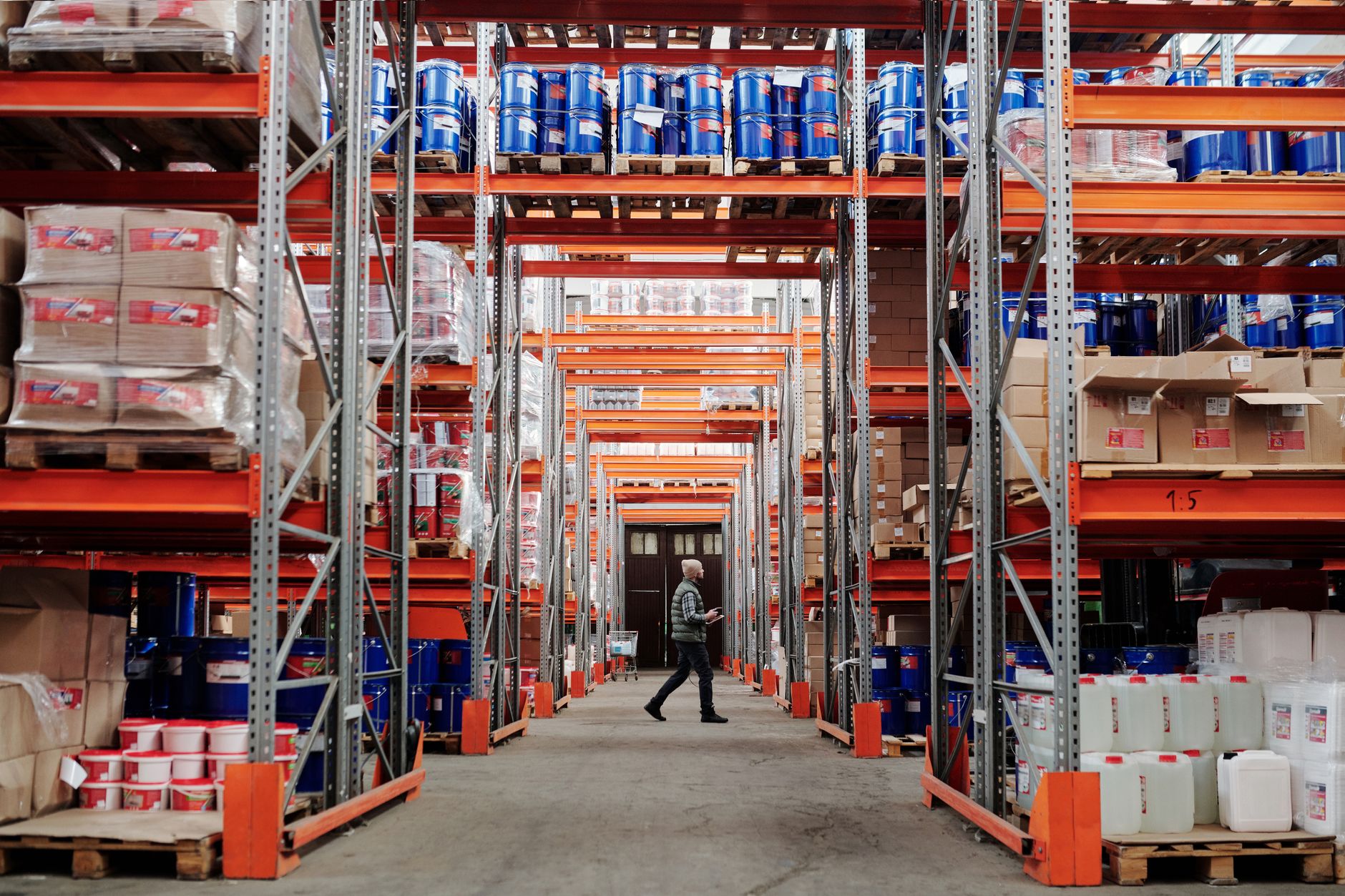
Hospitals, airports, and 24-hour distribution centers hate a single point of failure. If one large scrubber dies at 1 a.m., you may have no backup with the same brush deck and dock.
A fleet of two or three compact units trades peak acreage per hour for partial coverage when one unit is charging or in service. That trade looks expensive until you price a missed audit or a guest-facing wing that stayed dirty until lunch.
Match redundancy to your SLA language. If the contract says every public corridor is scrubbed nightly, two mid-size machines can outperform one giant unit that cannot finish before doors open.
What aisle and door geometry disqualifies a large machine?
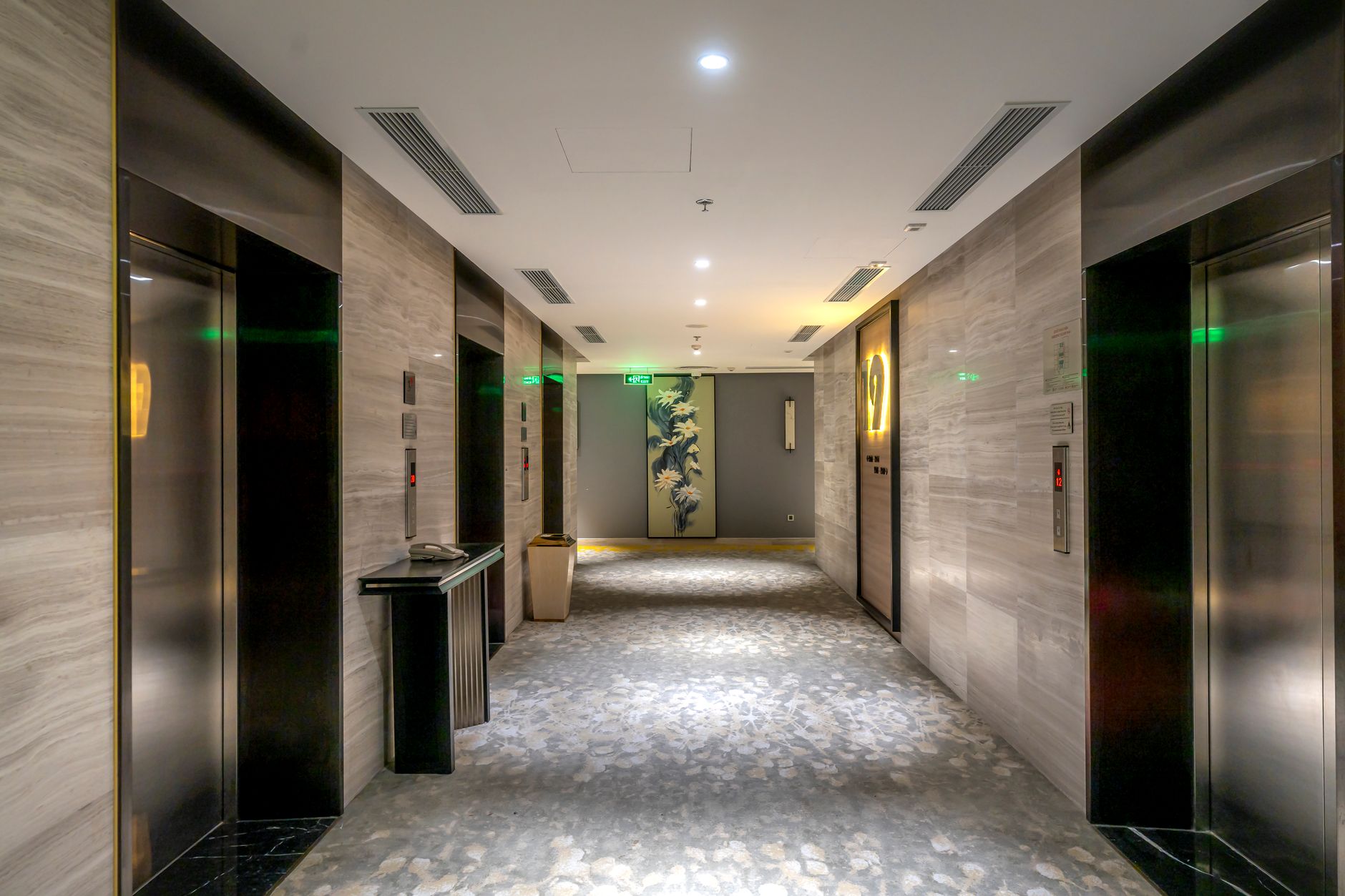
Measure the narrowest path, not the average aisle. Elevator thresholds, fire doors, and ramp landings are where large scrubbers stall. Compact units with smaller footprints and lower mast height clear more real-world choke points.
Loading docks and grade changes add another filter. A ride-on may need a ramp plan and escort every time it crosses between warehouse and office wings. Smaller units can sometimes use passenger elevators or service lifts when weight and battery rules allow.
If more than a third of your square footage sits behind doors under 42 inches clear, bias toward compact fleets even if the open slab tempts you toward one large scrubber.
How many docks and fill stations can you actually run?
Large scrubbers often want a central fill-drain station with hose reach and drain compliance. That is fine in a dedicated maintenance bay. It is painful on a retail pad with no floor drain on the sales floor.
Compact robots may use smaller docks distributed by zone, which cuts hose drag distance and shortens the walk for night staff. Each dock still needs power, water, and chemical containment reviewed with your safety team.
Count labor touch time honestly. Every manual fill, squeegee swap, and debris dump is a minute stolen from autonomous minutes. Fleets with more units can mean more touches unless docks are automated and mapped into the workflow.
How do traffic and cordons change the math?
A single large machine cleaning a wide concourse may still require cone crews and security escorts when the public is present. Multiple compact units can work zone by zone with smaller cordons, which matters in airports and campuses that never fully close.
Noise and lighting also differ by size class. One big scrubber on a quiet hospital wing draws attention. Two smaller units staggered by floor can finish the same acreage with less simultaneous disruption.
Schedule around your real traffic, not an ideal overnight. If forklifts start at 4 a.m., a compact fleet that finishes narrow aisles first may beat a large unit blocked at the dock door.
What service and expansion risk should you price in?
Large scrubbers can carry longer lead times on specialty parts. A down large unit is a down majority of your autonomous capacity. Compact fleets let you loan or swap one unit while others keep running, especially when an integrator offers a backup robot program.
Expansion flexibility favors platforms you can duplicate. Adding a second compact robot to a proven map is faster than re-engineering routes for a second large machine that conflicts on charging and aisle timing.
Software licenses and telematics fees scale per unit. Several small robots can cost more in subscriptions than one large deck. Balance that against the revenue or compliance risk of a single-machine fleet.
How Service Robot Co. sizes fleets in the field
We are vendor neutral, so the exercise starts with your CAD or marked PDF, not a catalog hero image. We mark zones, door widths, dock options, and shift windows, then model one-large versus multi-compact scenarios with realistic overlap and exception rates.
We finance either path, deploy with mapping and training, and service through a nationwide network of regional service engineers. Pilots often run one compact unit on the hardest wing while a large scrubber, if it fits, handles the open slab.
A free site assessment should end with a written fleet recommendation and a phased timeline. Try before you buy rentals let you prove aisle access and dock labor on your tile before you standardize.