Key takeaways
- Per-floor robots win on response time when elevator traffic is heavy; shared fleets win on capital and maintenance when call volume is moderate.
- Elevator integration is a building systems project, not a robot accessory: APIs, fire modes, and guest priority rules belong in the budget upfront.
- Model elevator wait and ride time as part of delivery SLA, not as free overhead.
- Keep at least one floor-local spare or manual fallback path before you promise 24/7 tray or linen runs.
- Pilot one shared robot on your busiest vertical loop before you multiply units by floor count.
Which architecture should you choose first?
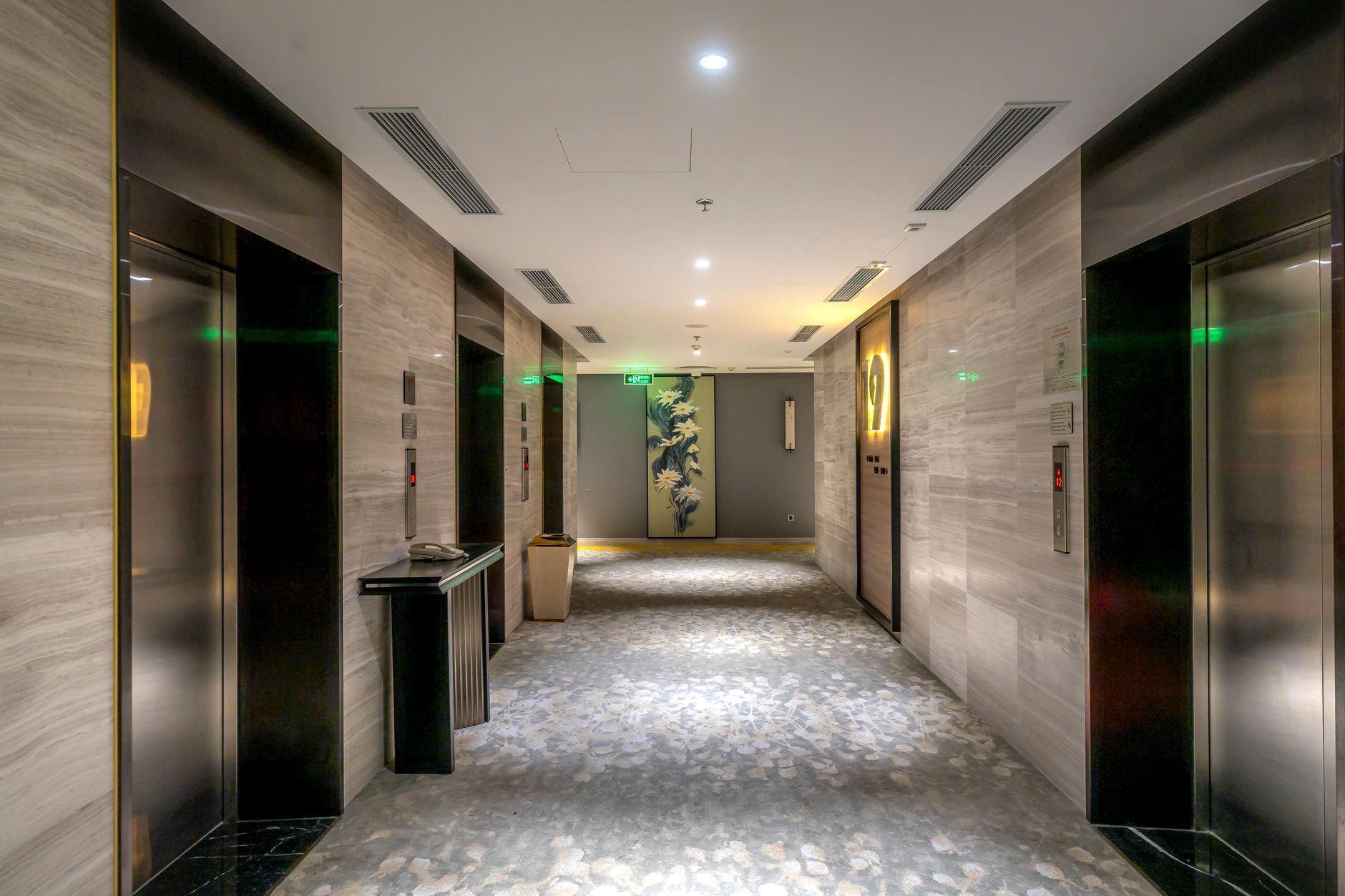
If you are planning indoor delivery across multiple floors, you are really choosing between duplicating robots on every level or letting a smaller fleet ride the same elevators your guests use. A robot parked on each floor can answer a call quickly because it never waits on vertical transport. A shared fleet costs less to buy and service, but every trip competes with people, cleaning carts, and maintenance holds on the elevator bank.
Most mid-rise offices, hotels, and clinics land in the middle: enough daily runs to justify automation, but not enough volume to justify six or eight identical units. Start from your peak concurrent deliveries, not from a floor count. If three floors each need a tray at the same time during lunch, one elevator-riding robot will queue. If demand is spread across the hour, one shared unit often clears the backlog with minutes to spare.
Hotel elevator guidance commonly targets average passenger waits below 30 seconds in five-star properties and allows up to about 45 seconds in lower-rated buildings, according to lift-industry planning references summarized in elevator engineering literature. Delivery robots inherit that reality the moment they share a bank.
How does capital and lifecycle cost differ?
Per-floor deployment multiplies hardware, batteries, docks, and software seats. You also multiply annual service events: every extra drive unit is another wear item, another firmware track, and another map to keep current after a remodel. Shared fleets concentrate capital in fewer robots plus a heavier integration line item for elevator and door interfaces.
Financing and robot-as-a-service models change the comparison. Spreading six floor robots across a three-year lease can look similar to two elevator-capable units with a larger upfront integration fee. The difference shows up in redundancy: losing one of six floor robots takes out a single level, while losing the only shared robot can idle every upstairs route until repair or a loaner arrives.
Service Robot Co. often models both paths during a free site assessment: count concurrent jobs, estimate elevator contention at your peak hour, and price maintenance for the fleet size each option requires. The cheaper capex plan is not always the cheaper operating plan once downtime is priced honestly.
What does elevator integration actually require?
Cloud-linked elevator dispatch is the pattern most building owners hear about today. In a 2024 pilot at a prefectural government office in Japan, elevator and robot vendors connected an existing passenger lift to a mail delivery robot through cloud dispatch so the robot could call the car and ride without a human escort, as reported by industry press covering the installation.
Residential developers are pushing the same idea toward commercial scale. Hyundai Engineering and Construction announced commercial door-to-door robot delivery at a Seoul apartment tower with autonomous elevator use, including logic to re-call a car if the destination floor drops off and to defer boarding when a cab is full.
Your building may not offer a modern API. Older sites sometimes need relay hardware, destination dispatch permissions, or staffed escorts during commissioning. Fire service, inspection holds, and overnight shutdowns must appear in the robot scheduler so units do not trap themselves between floors. Treat integration as a joint project among facilities, the elevator maintainer, IT security, and your integrator.
How should you model wait time and throughput?

Elevator wait is a delivery delay even when passengers tolerate it. A 2025 peer-reviewed study on human-elevator interaction collected more than 1,400 perceived and actual waiting samples from 30 participants and found perceived waits systematically differ from clock time, with stress rising as waits stretch. Robots do not feel stress, but your SLA clock does.
Field research on multi-floor delivery robots at KAIST, published in IEEE Access in 2024, describes a month-long test in an ordinary occupied building using integrated multi-floor maps and elevator-aware routing. That kind of evidence matters more than a demo loop: it shows where boarding fails, how long inter-floor moves take at lunch, and whether maps survive daily clutter.
Simulation papers on multi-story routing emphasize elevator selection as its own optimization problem because vertical legs dominate total trip time when parcel batches grow. If your operation batches five stops per run, a shared robot that plans floor order intelligently can beat five idle floor units waiting for single-hop jobs.
- Log peak elevator waits during the same hour you expect meal or linen runs.
- Measure door-to-door time, not just robot driving time on one level.
- Test batching rules before you buy duplicate hardware.
Where does redundancy and outage planning fit?
Elevator outages are routine, not catastrophic, but they freeze shared fleets entirely unless you maintain stairs-capable manual processes or floor-staged carts. Per-floor robots keep serving their level when one elevator is down, which is valuable in hospitals and hotels that cannot pause tray delivery during a single-car maintenance window.
Shared fleets should budget a hot spare or a rapid loaner program tied to your service contract. Backup robot programs matter more when one unit represents 100% of upstairs coverage. Document who can manually run trays during an outage and how long that fallback can last before guest or patient care metrics slip.
Cyber incidents and software faults mirror mechanical ones. Centralized fleets concentrate risk in one scheduler; per-floor fleets distribute it but multiply patch windows. Pick the failure mode your operation can absorb with staff you already have on shift.
How do guest privacy and traffic etiquette change the math?
Shared robots meet people in elevator lobbies and inside cars. Slow speeds, clear signals, and priority rules for guests reduce complaints but add seconds per ride. Per-floor robots still cross public corridors but avoid confined cars where cameras and proximity feel intrusive.
Destination control elevators that group passengers by floor can help or hurt robots depending on how dispatch prioritizes service calls. Negotiate whether robots ride in dedicated freight cars, share passenger banks off-peak, or use service lifts with stricter weight limits.
Training staff to pause robot missions during fire drills, VIP arrivals, or packed conference turnover is part of throughput planning. Ignoring those pauses makes shared fleets look unreliable in month-two reviews.
What does a practical pilot look like?
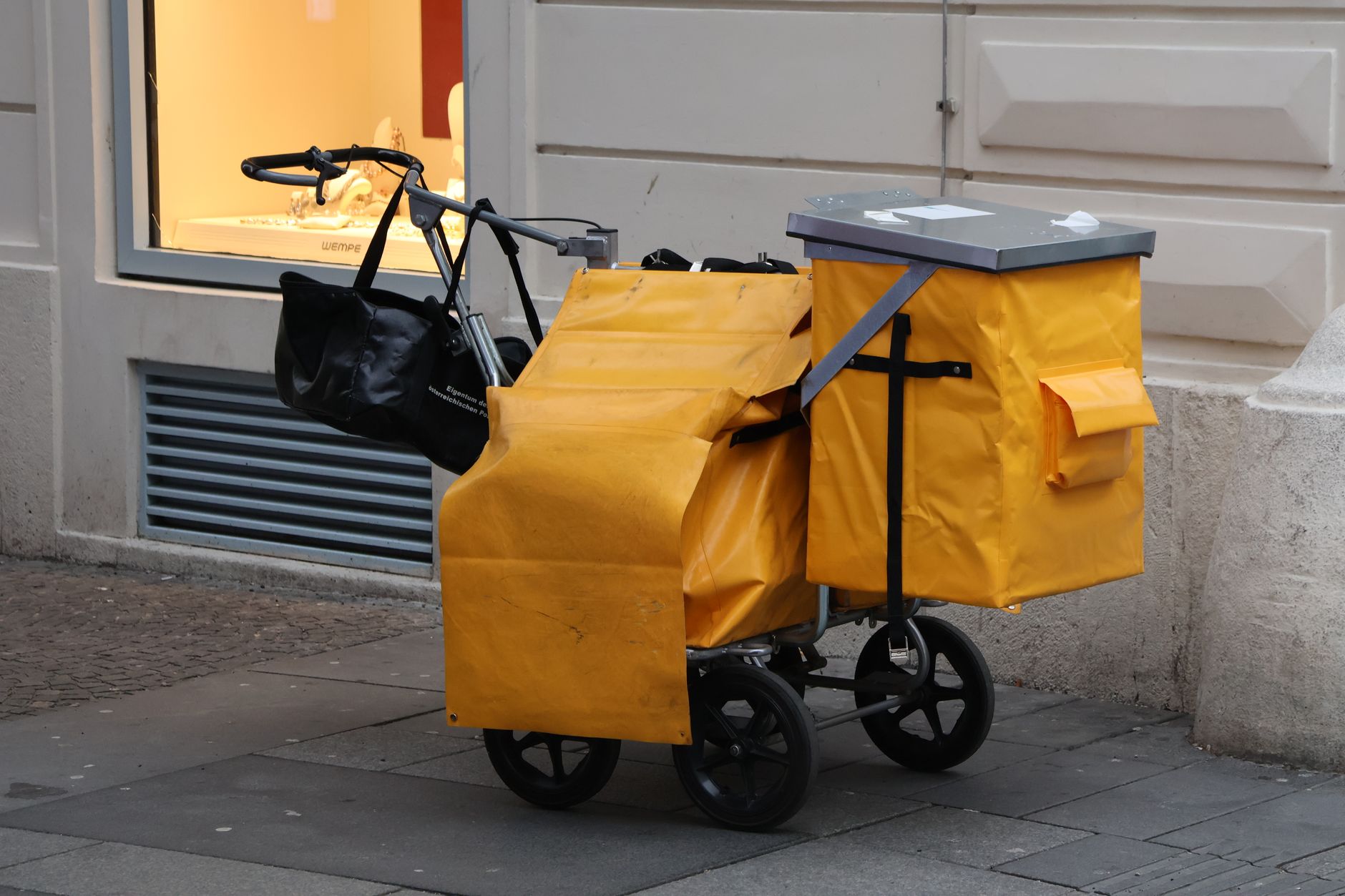
Run a four to six week pilot on the busiest vertical loop: kitchen to guest floors in a hotel, central pharmacy to nursing units, or mail room to executive suites. Instrument elevator waits, failed boardings, and human assists. Compare against a written manual baseline for the same routes.
If waits routinely blow past the 30 to 45 second hospitality band cited in elevator planning guides, add a floor-staged robot on that level before you clone units everywhere. If waits stay low and batching works, expand the shared fleet before you duplicate hardware.
Service Robot Co. can supply elevator-capable units, map the test loop, and keep a nationwide service network behind the pilot so you are not juggling separate vendors for lift APIs and break-fix. Convert successful pilots to lease or purchase once the SLA data is boringly repeatable.
When is each pattern the better default?
Choose per-floor robots when elevator contention is chronic, outage isolation per level is mandatory, or response time under two minutes is contractual. Choose a shared elevator fleet when call volume is moderate, integration is already modern, and capital must stay concentrated.
Hybrid designs appear often in practice: two shared robots plus a dedicated overnight scrubber per floor, or a shared tray robot with floor pantries staffed for the last twenty feet. The architecture question is not ideological. It is an operations spreadsheet with elevator seconds included.
Revisit the decision after the first remodel. New stair towers, changed lobby security, or an added conference wing can flip the answer faster than robot hardware ages out.