Key takeaways
- Split the barn into four zones and clean them in a fixed order, dry passes before wet ones.
- Start the run only after the last guest leaves and staff clear the tasting counter and cold room.
- Read the run log and walk the route before doors open, because a night crew will not be there to catch a pooling drain.
- Local health rules govern the retail sales area, and cider processing rules can reach pressing space.
- Lease one zone first, then widen the routine once the logs show the barn suits the machine.
What does overnight floor care need to cover?
A cider mill retail barn takes three kinds of floor abuse in one weekend. Sticky residue and sugar collect around the tasting area, grit and wet soil ride in on the market floor, and moisture pools near the cold room and its drains. After a heavy harvest weekend, all three land at closing time together.
The short answer: split the barn into zones, run the cleaning after the last guest leaves, and check the results before the first customer walks in. With no night crew, that run has to happen unattended, on a fixed schedule, and leave a record someone reads at dawn.
An autonomous floor scrubber or sweeper can take the repetitive passes. Staff still set the zones, clear the path, and judge the result. Local health rules come first, since they govern the retail sales area.
Why a cider mill floor is harder than a typical retail floor
Cider rules are not one national standard. Indiana's state guidance, tied to its retail food sanitation requirements, calls for smooth, easily cleaned floors and says retail cider processing must sit in a room or building separate from non-food operations. Massachusetts treats cider pressing as food processing, and its guidelines call for impervious walls and ceilings, tile or continuous concrete floors, and adequate floor drains in processing rooms.
Those requirements set the baseline. A smooth floor that cleans easily is the starting point, and a floor that holds water or a sugar film is the problem to solve each night. If your barn presses cider on site, ask if processing rules reach that space, not only retail rules.
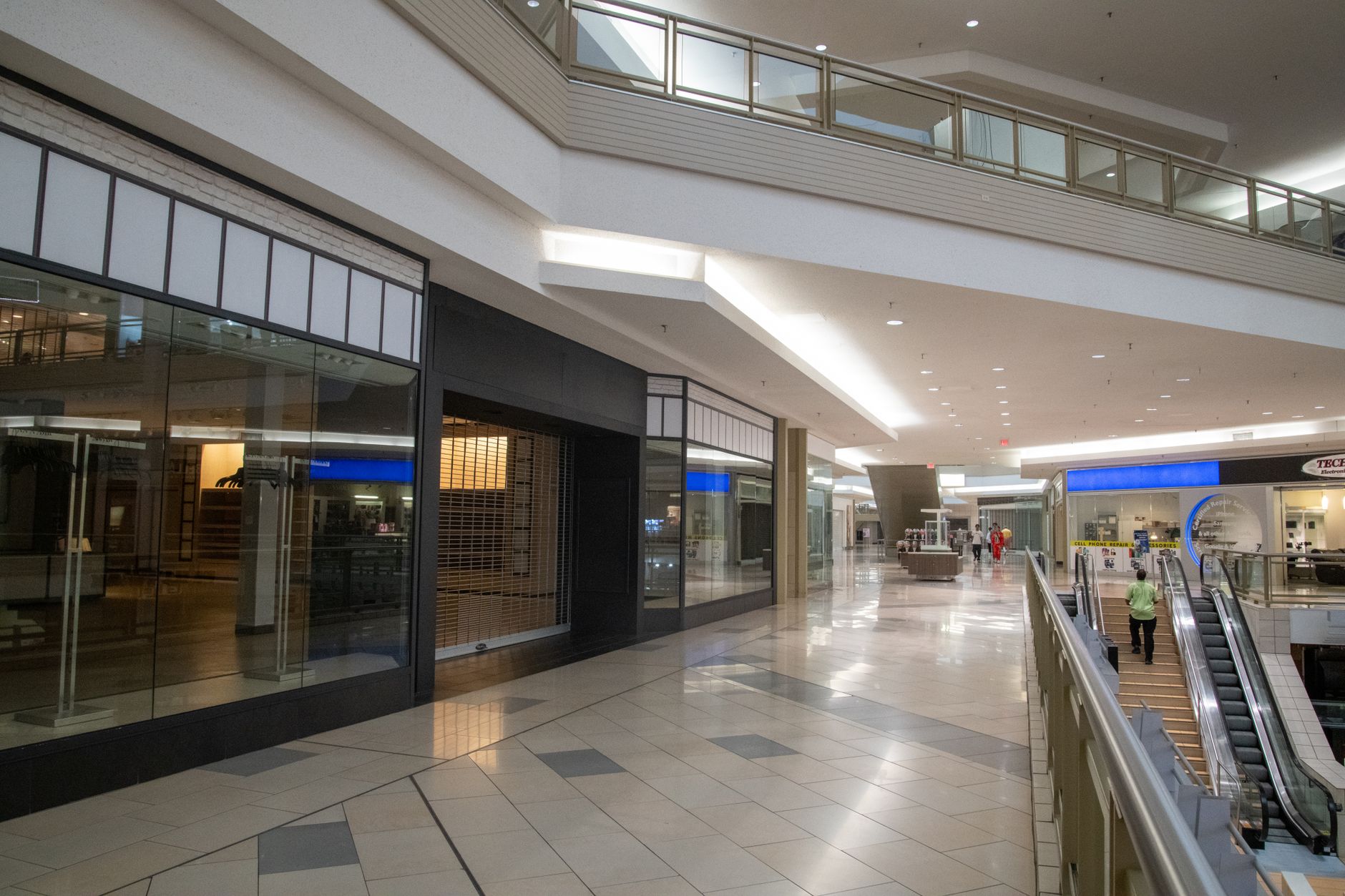
How to split the barn into cleaning zones
Four zones cover most barns. Clean them in a fixed order so the machine never works back over a sticky patch it already passed, and so each zone's debris stays where it belongs until its turn.
Order matters more than speed. Run the dry zones before the wet ones, and finish at the entry so the last pass leaves the door side clean for the morning. A retail floor cleaning robot works best on a route it has run many times, so keep the sequence the same every night.
- Tasting area: sugar and pressed apple residue under sampling counters and along the bar edge. Run a dry sweep first so the scrubber does not smear debris across the floor.
- Market floor: soil and leaves tracked in from the lot, heaviest at the door side. Sweep the entry aisle before the scrubber passes.
- Cold room and drains: water flushed surfaces and the drain line. Keep the machine out until the drains are clear and the surface is dry.
- Entry mats: mats catch most of the grit. Pull or move any mat the machine cannot cross, and confirm the threshold height before the first run.
What the cold room and drains need
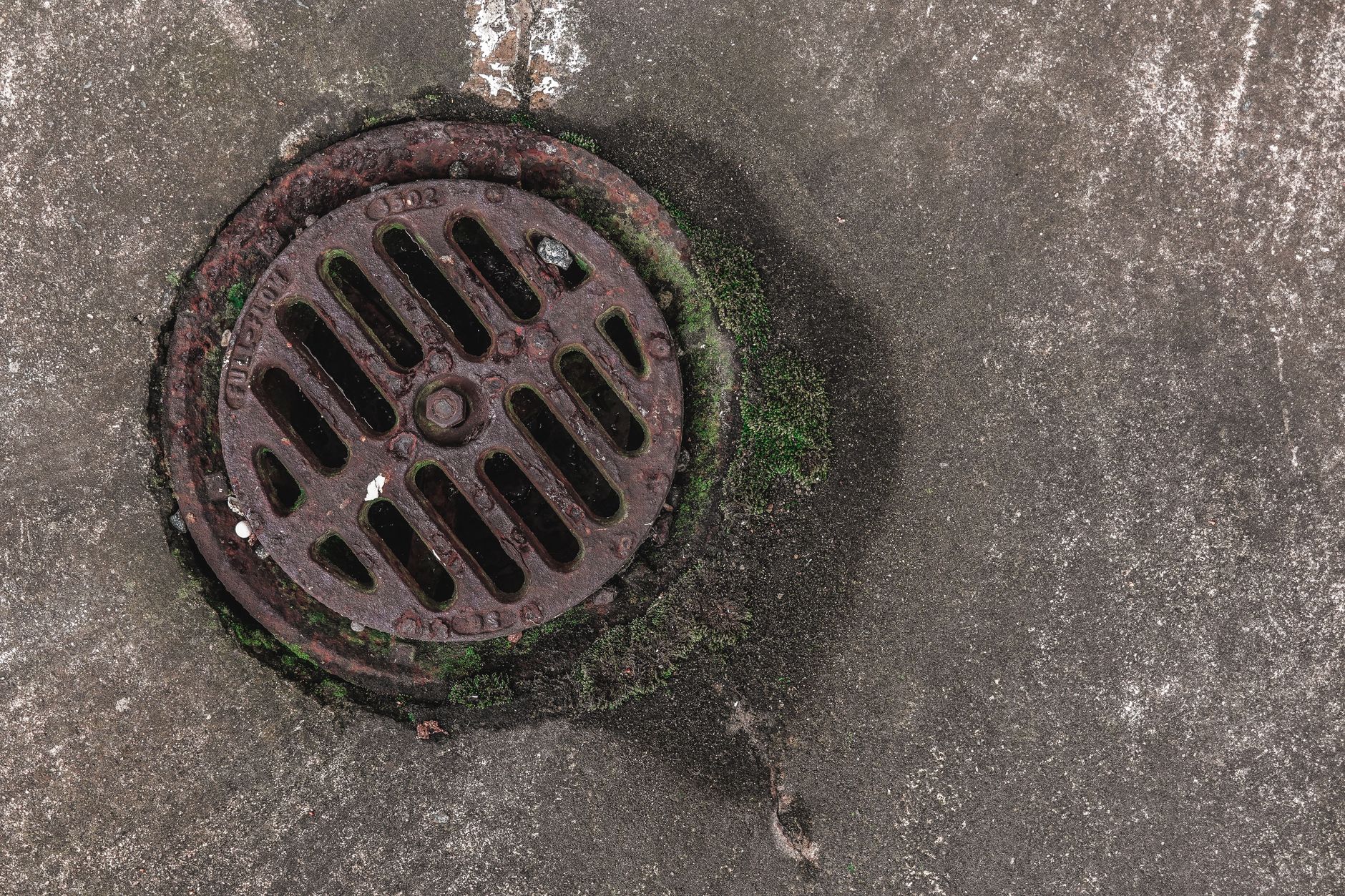
Drain rules are where a generic floor plan goes wrong. A New York rule, seen only as a search summary, requires trapped drains where floors are flushed with water, and calls for a service sink or curbed cleaning area with a floor drain for mop water. A California county health document, also seen only as a search summary, sets a minimum floor slope of 1:50 toward drains. Neither is a cider rule, so raise both with your inspector.
For the night routine, that means a short drain check each morning. Check that each trap holds water, that no pool forms on the floor, and that the cold room threshold sheds water at the door. A pool that shows up on the morning check is the first sign that slope or drain flow needs attention.
When to run the machine after close
Start the run once the last guest has left, the tasting counter is clear, and staff have put away the cider and sample cups. Clearing the path matters more than the clock. Set the end time to finish before the first delivery or the first staff arrival, so the floor is dry when people walk in.
The trade-off is real. A run that starts late eats into the margin before opening, while a run that starts too early passes over a spill that no one has mopped yet. Walk the floor for visible spills first, then start the machine, and give every zone enough time to finish. A run that stops mid zone is worse than a late start.
How a small staff checks the floor the next morning
The check is short and written down. Read the run log for start and end times, the zones completed, and any stop or blocked path the machine reported. Then walk the route once, looking at the same four zones, and note anything that needs a person.
When something fails, decide quickly. Re-run the affected zone, hold the tasting area until its floor dries, or put out a wet floor sign and call the service contact. Keep a dated log with a photo of each zone, so the manager can read a season of mornings instead of relying on memory.

What the industry numbers say about floor robots
Floor robots are a growing share of professional service robots. According to a Kyodo News press release summarizing IFR's World Robotics 2026 service robots report, global professional service robot shipments rose 24% to almost 250,000 units in 2025, and the IFR ranks professional cleaning robots third by segment, with floor cleaning as the main application.
Earlier data points the same way. According to The Cleanzine, which summarized IFR data for 2024, professional cleaning robot sales grew 34% to more than 25,000 units, with most deployed for floor cleaning. Those are industry totals, not a forecast for one barn, and figures from different report years should be read with care.
Where a robot lease fits this routine
Service Robot Co. is a full service commercial robot integrator for US businesses. We are OEM neutral. We select the right robot across manufacturers for the floors and zones, then finance, deploy, integrate, train, and service every unit through a nationwide US engineer network. Robots come to you on a three year lease, with one fixed lease quote after a site assessment, so the terms are set before anything runs at night.
For a seasonal barn, the test is practical. Start with one zone or one leased unit, run it through a harvest weekend, and read the logs before widening the routine. Commercial robot leasing makes that trial possible, and the site assessment shows whether the mats, thresholds, and drains suit the machine.
Frequently asked questions
Want a robot working for you?
Tell us the job and the site. We will recommend the robot, quote the lease, and keep it serviced.
Sources
- Kyodo News PR Wire: IFR World Robotics 2026 service robots release
- The Cleanzine: service robots growth and cleaning robots
- Indiana guidance on cider production
- Massachusetts processing guidelines for apple cider production
- New York retail food sanitation rule (Justia)
- California county health document on floor slope