Key takeaways
- Keep wet runs and floor drains off a robot's first route until a site test shows how it handles them.
- Dry corridors and lobbies are the strongest first zone for overnight floor robot passes.
- Map every drain, threshold, gate and arrival peak before choosing a machine.
- We found no published wet drain or threshold clearance specs for commercial scrubbers, so test those on your own floor.
- Cliff sensors can misfire on dark surfaces, so check the actual mats and tile before go live.
Can a compact floor robot run a kennel overnight?
Yes, for dry and lightly damp hard floors that make up most of an overnight route, and only after the site has been mapped. A compact floor robot can take over repeat passes through corridors and quiet lanes. It should not be given wet runs, drains or thresholds on day one.
We did not find a commercial robot in active use at a pet boarding kennel in our research. That makes overnight kennel floor care a pilot question rather than a catalog question. The sections below set out the zoning, mapping and surface checks we would use to frame one.
Why kennel floors are harder than office floors
Kennel floors combine wet runs, floor drains, urine and waste, steady animal traffic and, at many facilities, no staff on site overnight. Each of those changes what a machine can safely do. An office floor rarely asks a machine to cross a drain while a dog is in the next run.
Kaivac, a maker of portable spray and vacuum equipment, describes kennel use at facilities holding up to 50 dogs at a time for daycare and overnight boarding, and says its equipment works where there are no floor drains. A Kaivac customer case says the biggest impact of its no touch cleaning is in the kennel area. These are vendor claims, checked as of November 2026.
Boarding operators commonly advertise daily cleaning and disinfection of kennels, according to a boarding services page. The question for an overnight robot is what happens between those daily visits.
What should you map before any robot runs?
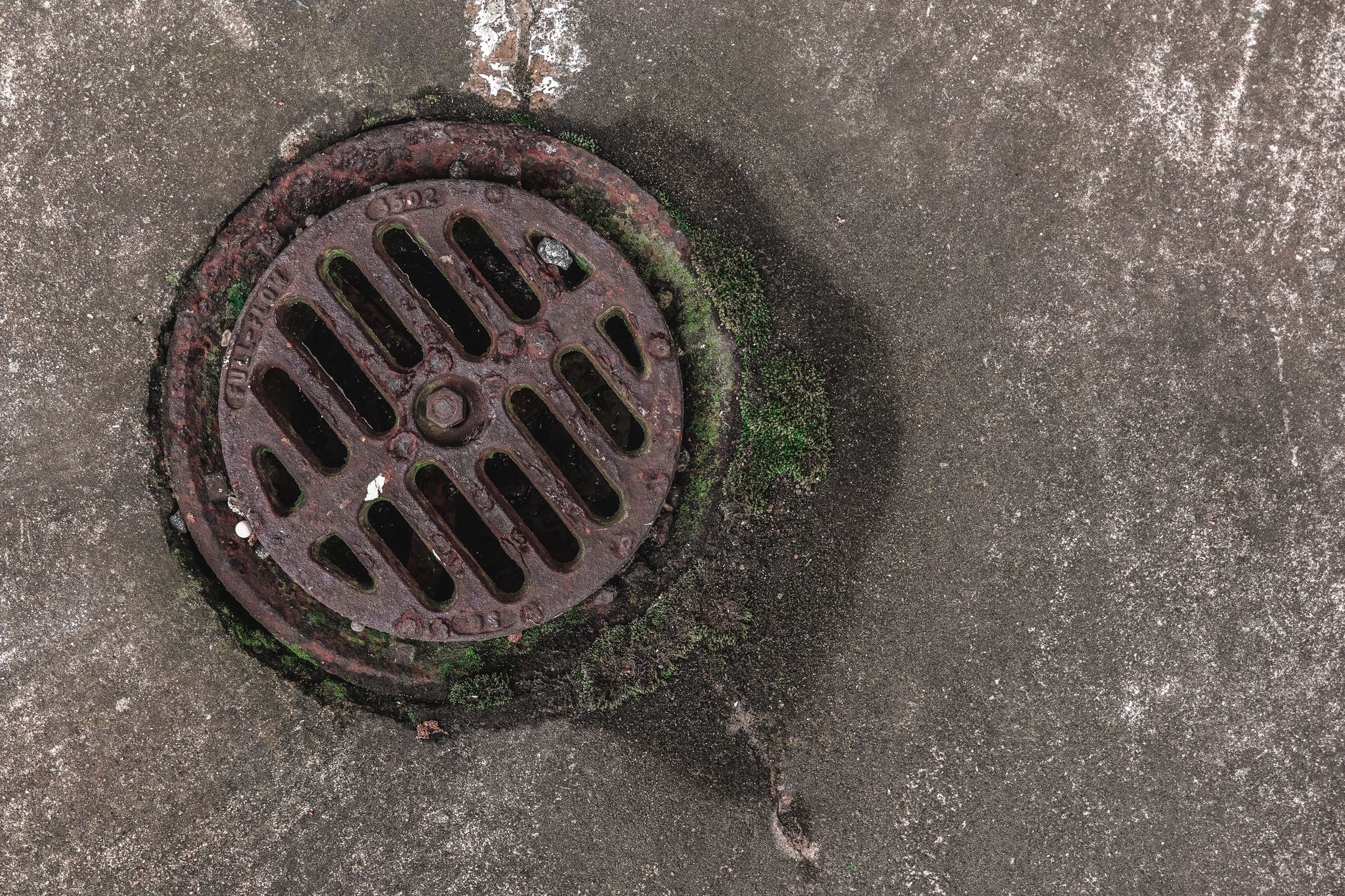
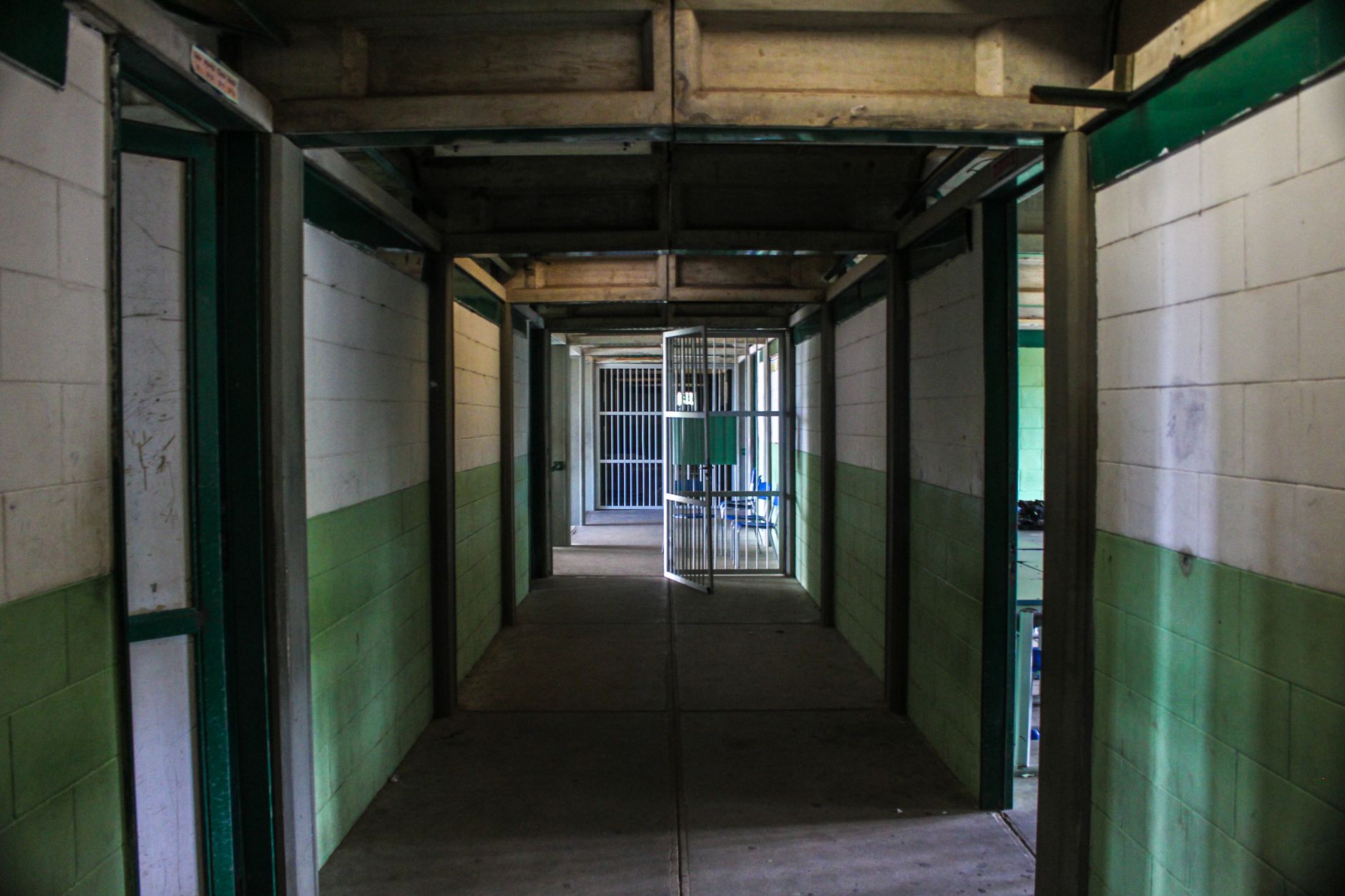
Map the features that decide where a machine can go, before anyone talks about a model. Walk the building at night, when the animals are settled, and record what is there.
Draw the map as zones, not as one floor. A drain and the corridor beside it carry different risks, and the robot needs a different rule for each.
- Every floor drain, its grate and whether water pools beside it
- Wet run boundaries, including where hoses and sprayers stop
- Raised thresholds between runs, lobbies and outdoor doors
- Play yard gates and every change from concrete to turf or rubber
- Arrival and pickup peaks, when visitors and animals move through halls
- Charger location and the clear width of each dry corridor
How should corridors and play areas be zoned?
Sort the building into three bands. Dry corridors and lobbies with no drains are the candidates for overnight passes. Wet runs and drain heavy areas stay with a scheduled crew using spray and vacuum equipment, and play yards need their own rule because they mix surfaces and gates.
Set the robot's start time against your quietest hours, not against the clock. Pause it at the gate between corridor and yard, and log every stop so the morning crew can see it.
Which surfaces and drains can a compact robot handle?
Spec sheets answer the slope and pace questions first. Avidbots, a maker of autonomous floor scrubbers, lists a top speed of 4 km/h (2.5 mph) and 3% (1.7 degree) gradeability in its KAS tech sheet, with coverage of 500 to 1,000 m² per hour. Those are vendor figures, checked as of November 2026.
The sheet does not list cliff or threshold clearance in what we reviewed, and we found no published wet drain or threshold clearance specs for commercial scrubbers at all. Treat every drain grate and raised threshold as an open question. Test it on the actual floor, with the actual drain, before it joins a route.
Why cliff sensors matter at drains and thresholds
A floor robot uses cliff sensors to avoid drops, and a drain opening or sunken grate can look like one to it. One patent describes movable, spring or weight loaded cliff sensor elements that retract on flat floors and extend when the height changes, with an optical or piezoelectric sensor that halts navigation (US 11771290).
Another patent notes that infrared cliff sensors can misfire on dark carpeting, because dark surfaces absorb the light (US 8688270). A kennel may have dark rubber mats or dark tile, so test the sensor on exactly those surfaces. These are patent descriptions, not performance data for any shipping model, so they set the test, not the result.
Is automation for kennels available yet?
Not as a confirmed product. A Canadian patent application describes an apparatus for animal accommodation floors with an airflow device and a floor cleaning device, run by a control system, with a master unit and a mobile unit that moves over the floor (Canadian patent 2642555). A separate U.S. patent application describes a kennel system with automated waste cleaning, feeding and watering.
Commercial cleaning is a broader and better documented market. According to IFR's World Robotics 2025 Service Robots report, as reported by The Cleanzine, professional cleaning robot sales rose 34% to more than 25,000 units in 2024, most of them for floor cleaning. IFR's report draws on a sample of service robot suppliers, so read the figures as a trend rather than a census.
How Service Robot Co. would frame a kennel pilot
Service Robot Co. is a full service commercial robot integrator for US businesses. We are OEM neutral, so we select the right robot across manufacturers for the floor in front of us. We lease the robot to you through financing on a three year lease, with one fixed lease quote after a site assessment.
For a kennel, the site assessment is where the drain map, zone lines and wet run boundaries get drawn. Our team deploys and integrates the unit, trains your staff and services it through a nationwide US engineer network, so one partner answers for the whole lifecycle. A three year term also gives a kennel room to test a single dry zone before it commits to more.
What should a first kennel pilot prove?
Keep the first pilot narrow and measurable. Four checks cover most of the risk.
If a check fails, change the zone before changing the machine.
- Dry corridor passes finish without the robot entering any drain zone
- Every cliff stop at a threshold is logged, including tests on dark mats
- Gate pauses between corridor and play yard happen as programmed, with staff alerted
- The morning crew walks the zone and records any spot the robot missed
Frequently asked questions
Want a robot working for you?
Tell us the job and the site. We will recommend the robot, quote the lease, and keep it serviced.
Sources
- Kaivac kennel cleaning applications
- CMM Online: Kaivac helps pet care facility
- All Dogs N Cats boarding services
- The Cleanzine: IFR service robots growth
- Avidbots KAS tech sheet
- US patent 11771290 (cliff sensor)
- US patent 8688270 (optical cliff sensors)
- Canadian patent 2642555 (animal accommodation floor cleaning)