Key takeaways
- Map the concourse as it stands after a race, including temporary barriers, chairs and signage.
- Zone each seating aisle, food stand front and connecting spine so one pause never stops the whole run.
- Start after the last crowd and the concession close-out, with a hard cutoff before the first crew arrives.
- Treat vendor water and coverage figures as claims to test on your own floor before relying on them.
What an overnight grandstand scrub depends on
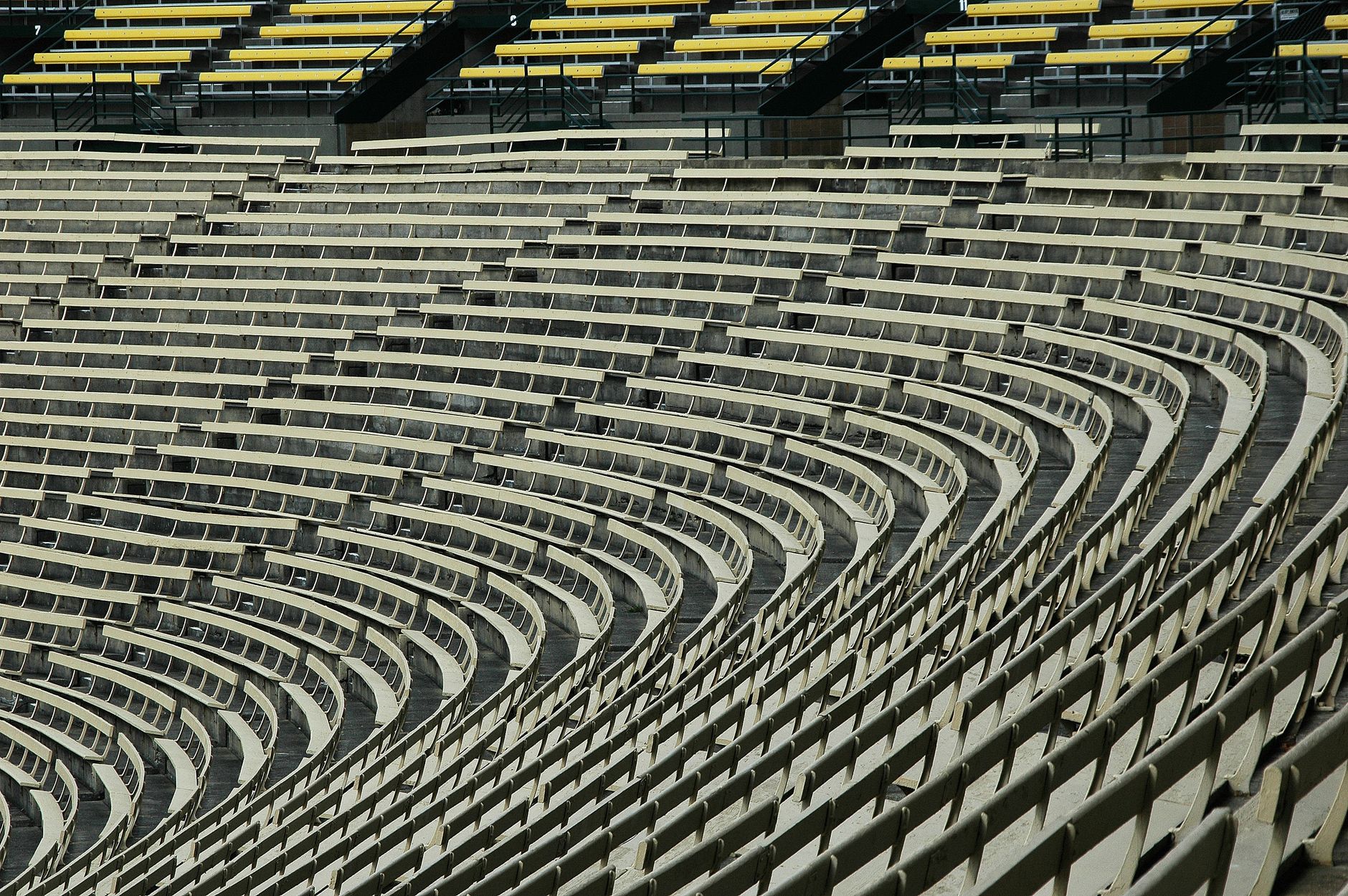
A racetrack grandstand concourse is a sealed concrete plane cut by seating aisles, stair landings and food stand frontages. After race day it carries spilled drinks, paper and grit tracked up from the apron. A floor scrubber can clear most of that overnight, but only when three things are settled before the first run: the map, the zones and the clock.
The zoning step decides whether the run finishes. A unit that stalls in one aisle, or cannot re-enter a food stand corridor, leaves the rest of the concourse dirty by dawn. No public source we found describes a racetrack grandstand itself, so the points below draw on station, airport and arena concourses, and they say so where the evidence is thin.
What should the map show before a robot works the grandstand?
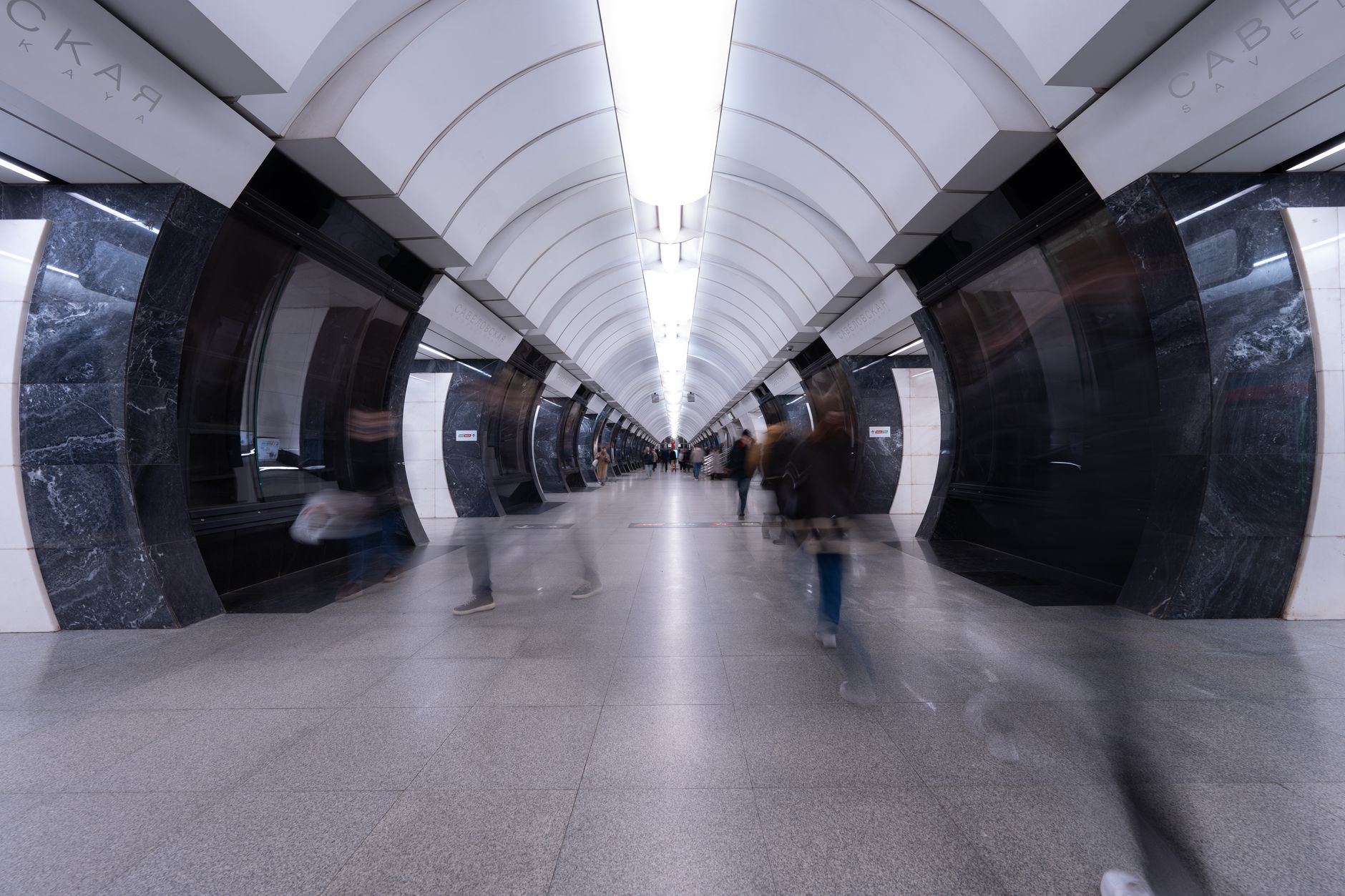
Map the concourse as it is on the morning after a race, not as the drawings show it. Temporary queue barriers, stacked chairs, sponsor displays and folded signage move between events. A map that misses them turns into a stall in the small hours.
Walk the route with the facility team and record the fixed features a sensor-based robot must read correctly. Gausium's Nagasaki station case describes a robot that detects and avoids obstacles, with staff clearing large debris first. The same division of labor fits a grandstand: people take the bulky items, and the machine takes the open concrete. The paper map should include the following.
- Stair landings and tier transitions, with every height change and lip marked
- Food stand thresholds and the clear width of each service lane
- Drains, floor covers and expansion joints that a squeegee could catch on
- Railings, cable runs and signage posts at aisle ends
- Wet or glossy patches, such as spilled drinks, that a sensor may read as an obstacle
- The charger location and a clear path back to it
How should the route be zoned between seating aisles and food stands?
Treat each seating aisle run, each food stand front and the connecting spine as separate zones, each with its own entry and exit point. A zone that can be paused on its own lets the robot keep working elsewhere when a crew walks into one area. A single shared route means one blocked aisle idles the whole night.
Draw zone boundaries along fixed geometry: stair landings, aisle ends and the stand fronts themselves. Orionstar's guidance says robots suit predictable concourse layouts but that event areas change often. That is why temporary items belong on a mapped exclusion list rather than being left to chance in the robot's path.
Split a large concourse into halves when the route is long. Gausium's Nagasaki case runs its 1,684 square meter concourse in halves on odd and even days, which keeps each night's route short enough to finish. The same logic applies to a long grandstand with many aisles and several food stands.
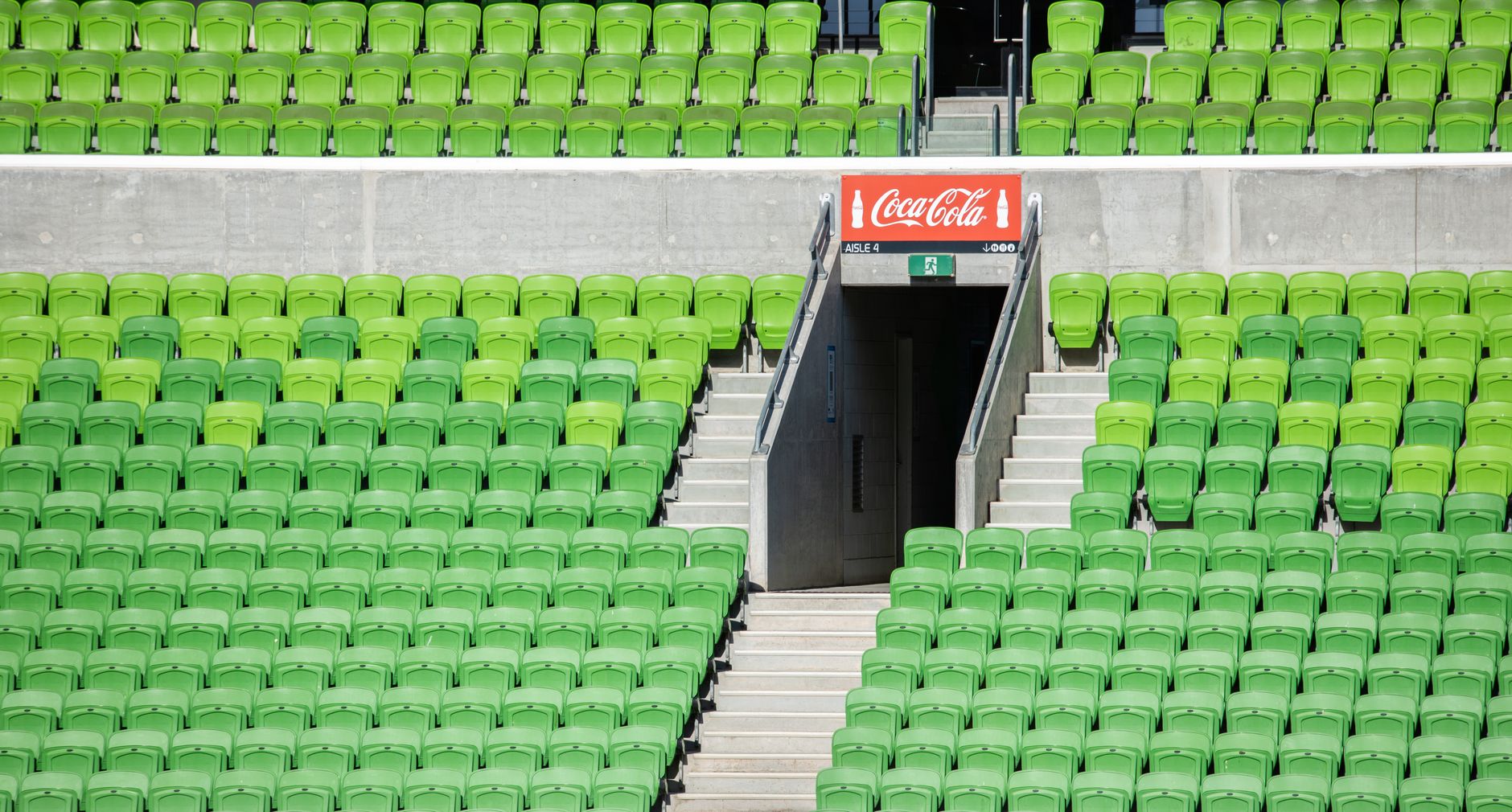
When should the run start, and how does it wait for maintenance crews?
Start after the last race-day crowd has cleared and the concession close-out is finished, so the robot does not chase trash that is still being bagged. Set a hard cutoff time for the run, so the unit is clear of the route before the earliest crew arrives.
Give crews a priority list of their own. Crews handle bulky items and any wet spill that needs chemical attention, then hand zones back to the robot. Pausing a single zone, not the whole route, is what keeps the run finishing. Agree on the handover signal in advance: a dispatch screen, a radio call or a posted schedule all work.
What do existing concourse deployments show?
The evidence is thinner than the marketing. At JR Kyushu Nagasaki Station, Gausium's own case study reports water use cut by about 80 percent through wastewater recycling. That is a self-published, vendor-reported figure, and it should be checked on your own site before it shapes a budget.
Greater Anglia said in 2021 that it bought an Eco Bot 50 to clean and dry platforms and concourses at Stansted Airport station. The operator said the unit needs no human intervention and returns to its charger when the battery runs low. Those are the operator's words, not independently measured results.
Arenas show the same pattern. In May 2021 the Pittsburgh Penguins and PPG Paints Arena announced autonomous UV floor scrubbers on concourses, built with Carnegie Robotics, to run as fans returned. The announcement carried no performance results. At the University of Nebraska at Kearney, staff said a scrubber that carries a squeegee and vacuum leaves no wet floor behind, though the report gave no quantified metrics.
How does a grandstand differ from a station or arena floor?
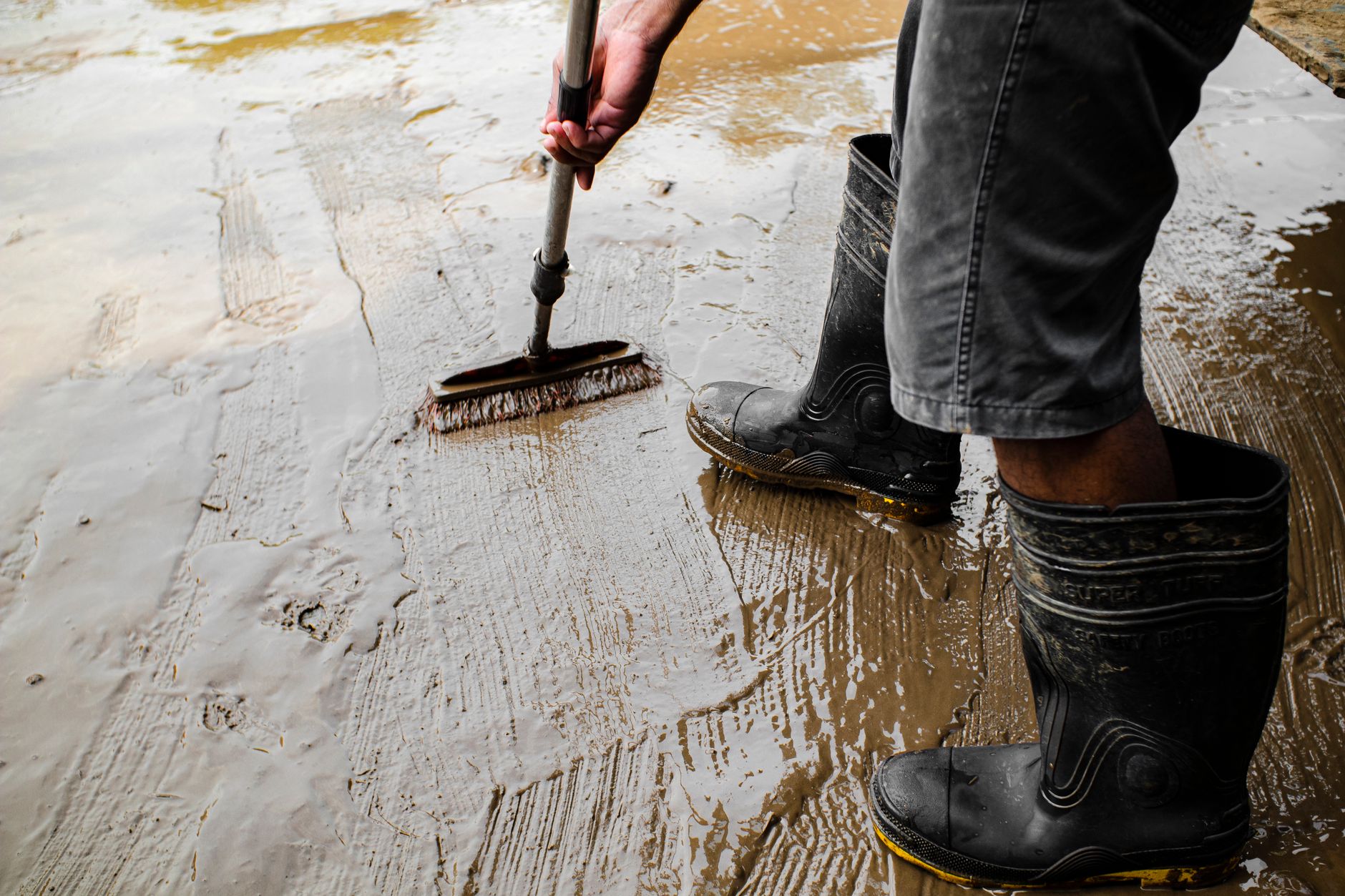
Grandstands are open to weather in ways station halls are not. Rain, blown paper and grit from the apron arrive through open ends, and the debris mix changes with each race. Plan for a heavier first pass after wet days and a lighter one after dry ones, then check the route log to see which zones collected the most.
Tiered seating adds vertical risk. Stair edges and tier lips belong on the map, and the route should keep the unit on level concrete. Aramark and Pringle Robotics announced autonomous floor-cleaning robots across Aramark's facilities, but that release gives no metrics. Treat it as a sign of direction, not as proof of results.
Where does a robot lease fit into a grandstand plan?
Service Robot Co. is a full-service commercial robot integrator for US businesses. We are vendor neutral: we pick the right robots across manufacturers, then lease them on a three-year lease with one fixed lease payment quoted after a site assessment. We deploy, integrate, train and service each unit through a nationwide US engineer network, so one partner handles the whole lifecycle.
For a grandstand, the site assessment is where the mapping, zoning and crew timing described above get settled before any unit runs. A phased deployment can start with one leased unit on a single concourse half, then add units once the route log shows the zones finish. Spare unit coverage and on-site dispatch matter here, because a race weekend leaves little room for a dead robot.
Frequently asked questions
Want a robot working for you?
Tell us the job and the site. We will recommend the robot, quote the lease, and keep it serviced.
Sources
- Gausium case study: JR Kyushu Nagasaki Station, Scrubber 50 Pro
- Greater Anglia: new equipment helps keep Stansted Airport station clean
- The Stadium Business: Penguins introduce robot cleaning tech at PPG Paints Arena
- University of Nebraska at Kearney news: autonomous scrubber
- AviationPros: how to use autonomous cleaning robots in an airport environment
- OrionStar: AI robots guidance
- Nasdaq: Aramark and Pringle Robotics autonomous floor-cleaning robots press release