

Key takeaways
- Hold fairway robots when overnight topdressing covers their paths.
- Brush or blow robot corridors before the first autonomous pass.
- Inspect reels after any pass through fresh sand.
- Log sand work clear times with hold releases.
- Service Robot Co. maps topdress holds in fairway playbooks.
Why does topdressing dust conflict with fairway robots?
Fairway topdressing spreads sand to smooth ball roll and improve soil profile. Until sand is brushed in or watered, a dusty film sits on leaves and between wheel tracks.
Fairway robots run low decks with brushes that pick up that film like abrasive paste. The result is dull reels, overheated decks, and streaky fairways where sand piles under overlap.
Night topdressing is common because it avoids daytime play. Dawn robots do not know sand went down at midnight unless holds are set on affected holes.
The conflict is predictable every topdress week. Treat it like aeration: holds first, cleanup second, autonomous loops last.
Players notice sand on shoes before they notice a robot pause. Clear communication from starters prevents the shop from fielding complaints about gritty cart paths while crews still brush fairways.
Which fairway panels need holds after sanding?
Hold any hole where sand is visible on the robot corridor, including approaches the map crosses. Light dust on collars may still matter if turns scrape sand into collars.
Split-nine programs need holds on the sanded nine only while the other nine can keep mowing if paths are clean.
Update holds the same morning crews start brushing. A delay between sand drop and hold release is safer than a robot running through loose piles.
Photograph one fairway centerline after sand drop and after brushing. The pair trains new operators on what clear looks like without guessing from memory.
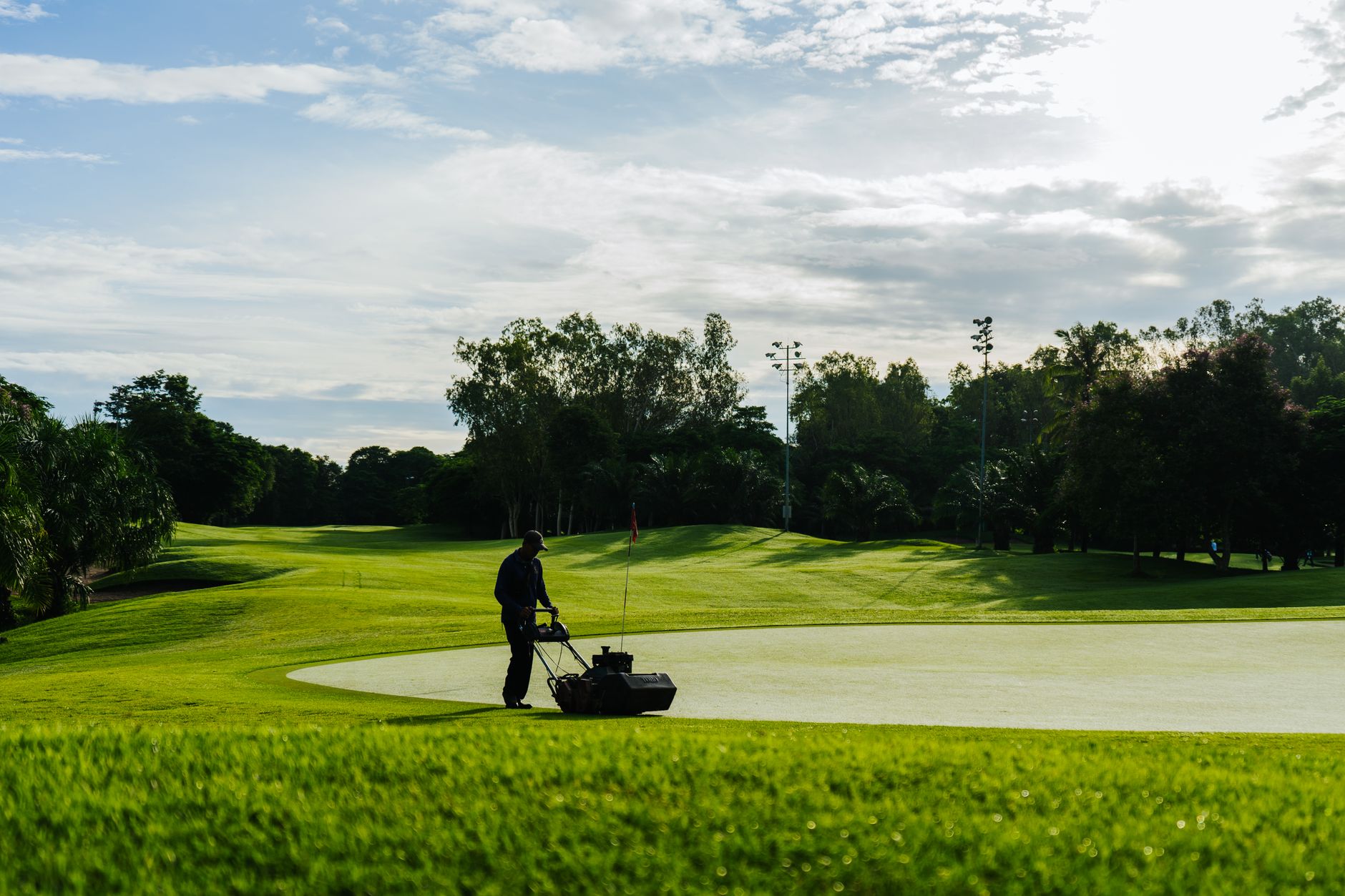
How should brushing sequence with dawn robots?
Brush sand into canopy before robots run, or hold until drag-mat or brush units finish the fairway center.
Coordinate with irrigation if you water sand in. Wet sand is easier on reels but softens turf; holds may need to extend until tires will not rut.
Post the brushing order on the shop board: front nine brushes while back nine robots run, then swap when brushes radio clear.
When multiple brush units work one nine, stagger them so the robot corridor is never half brushed and half dusty. Robots do not interpret partial cleanup.
What blower work clears robot paths fastest?
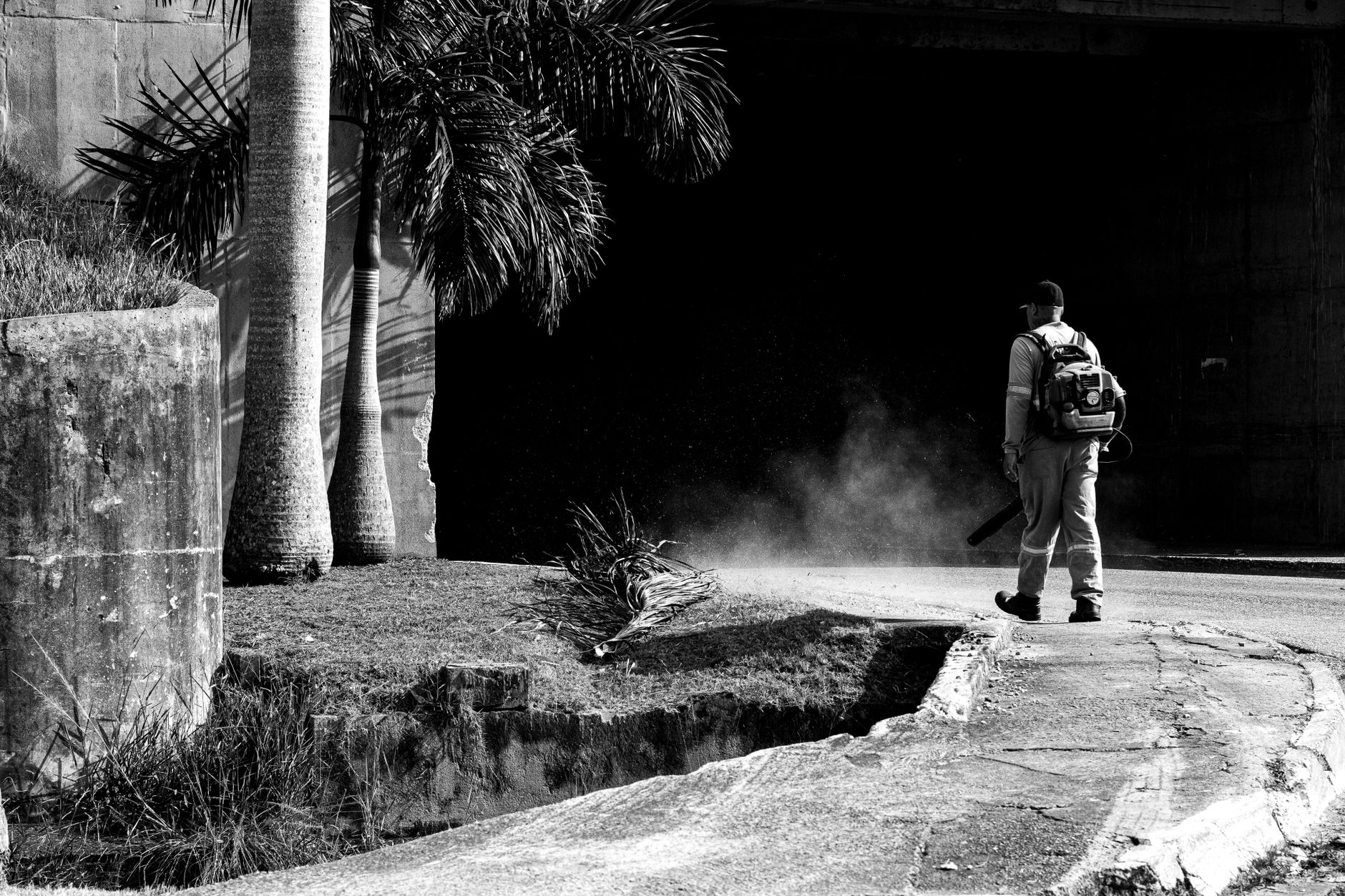
Blow robot overlap strips after brushing when sand rows remain on the fairway centerline. Point blowers down the corridor, not across collars.
Walk turns after blowing. Sand collects on dogleg corners where robots slow and brushes load up.
Keep blowers off greens unless superintendents assign that crew separately. Sand drift onto putting surfaces creates a second problem.
Early morning wind can redeposit sand on robot paths after blowers finish. A quick walk ten minutes before release catches drift rows.
When is sand safe for autonomous decks?
Sand is safe when the corridor looks dull green without piles, reels spin freely on a hand test, and footprints do not kick loose grains on approaches.
Run a supervised slow loop before full scheduling. Stop if you hear deck load or see sand streaming behind the unit.
If irrigation wetted sand overnight, wait for firm footing even when surface sand looks gone. Hidden mud under dust can rut fairways.
Compare deck temperature readings after test passes if your platform exposes them. Hot decks after a short loop mean sand is still loading the cut.
How does sand affect robot brushes and reels?
Sand accelerates reel wear and packs into brush strips. Blow decks out after any pass through fresh topdressing, even a short test.
Check bedknife gap after sandy passes. Sand grains lodge under knives and change cut height subtly for the rest of the week.
Log brush replacements during topdress season. Spikes in wear often mean holds released too early, not bad sand quality.
Keep compressed air at the robot barn during topdress weeks. Five minutes of deck blowdown after sandy days extends reel life measurably.

What should starters know on topdress mornings?
Starters need hole numbers where fairways may look two-toned until sand works in. That is normal, not disease.
If holds push mowing past first tee, tell the pro shop so pace expectations adjust on sanded nines.
Cart rules may tighten when sand is loose near paths. Starters should echo whatever the superintendent posts about path-only holes.
League mornings during topdress week need a one-line note in the sheet: which holes may show delayed stripes. Captains repeat less when starters sound informed.
How does an integrator plan topdress holds?
Service Robot Co. links topdress weeks to named hold templates in your fairway deployment playbook, including who releases loops after brush clear.
OEM-neutral fleet selection and financing stay in one project so you are not chasing vendor tickets during sand season.
RoboCare regional engineers in every state we cover can inspect decks after abrasive weeks and reset brushes before you return to daily autonomy.
Review topdress hold templates each year when sand rates or brushing equipment change. Maps stay stable; agronomy schedules do not.


