
Key takeaways
- Overseed weeks need higher height targets and fewer autonomous passes until seedlings knit.
- Fairway robots should pause when carts stay off young turf, same as ride-on units.
- Irrigation and growth charts, not calendar dates, should drive when passes resume.
- Pro shop emails should explain why robots sit idle during fragile overseed strips.
- Service Robot Co. maps overseed buffers during site assessment before buy or lease financing.
When should fairway robots slow down for overseed?
Slow autonomous fairway passes when overseed is establishing on warm-season fairways. Young ryegrass or bent seedlings need light, frequent irrigation and limited tire traffic. If your crew raises height and thins cart use on overseed strips, robots should follow the same plan.
According to Golf Course Industry overseed guides, superintendents often lift cutting height for several weeks while seedlings mature. A lawn mowing robot used at golf courses should step down pass frequency before it steps up speed.
Greens and tees stay with the crew in every phase. This is fairway and agreed rough work only, mapped away from fresh seed lines until agronomy clears equipment.
How do height targets change through an overseed window?
Start with the height your seeding program requires, not the summer strip you ran in August. Autonomous units need software height edits that match the superintendent chart, not a fixed summer preset.
As seedlings knit, you can gradually lower targets and add passes. Jumping back to summer frequency too early shows up as thin strips by spring league play.
Log each change. When RoboCare reviews maps, those notes explain why October looked slower than September on the dashboard.
Should robots pause when carts avoid overseed areas?
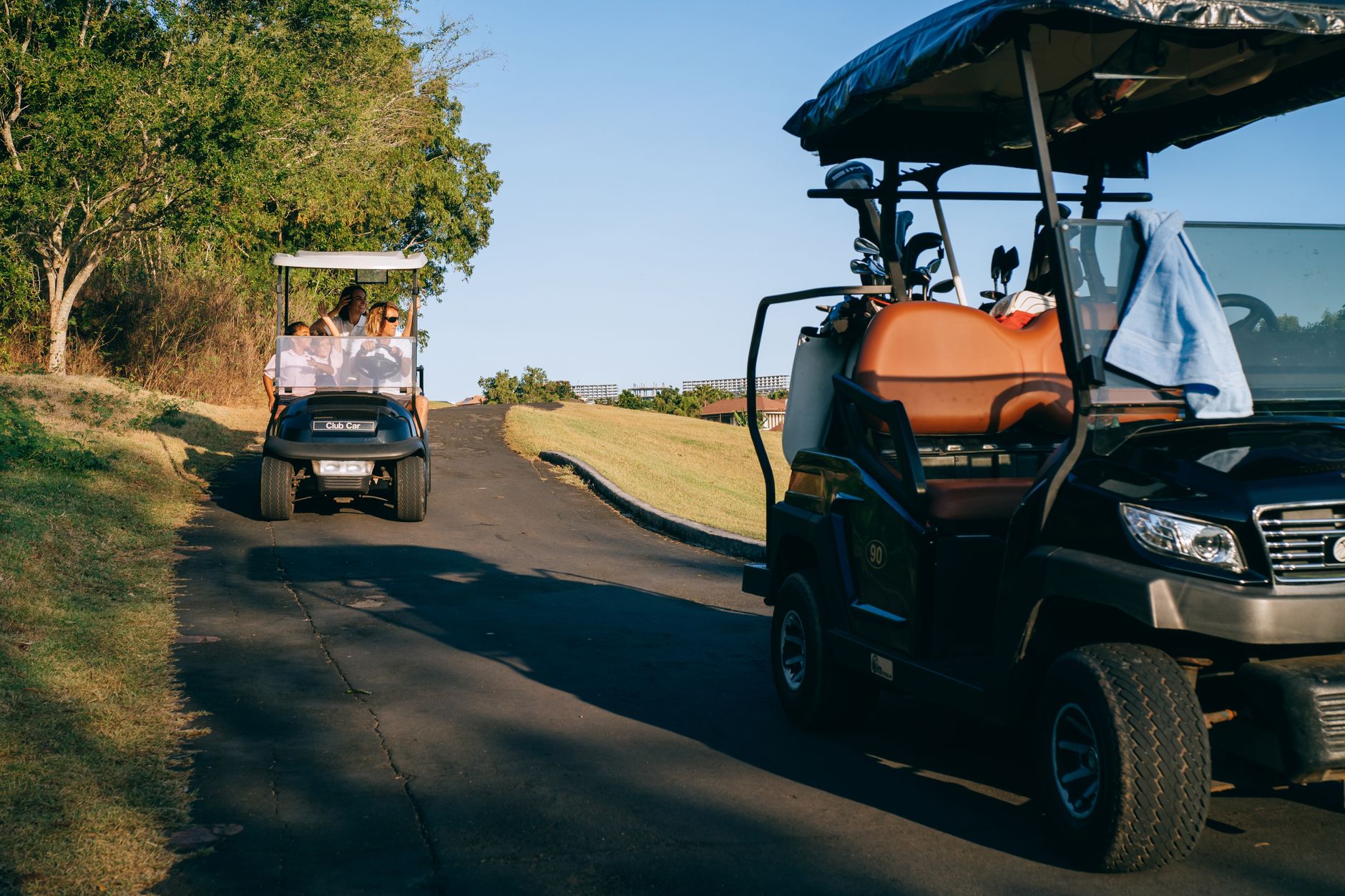
Yes. If members must keep carts on paths while overseed fills in, shrink robot polygons to match. A robot on fairway grass members cannot use reads as policy violation.
Partial overseed on a nine-hole rotation means robots mow open nines and idle on seeded nines. Mirror the same rotation your agronomy team uses for cart exits.
Night passes are tempting in fall, but dew-heavy seedlings can be as fragile as frost-week turf. Wait for the morning walk when in doubt.
What role does irrigation play in robot scheduling?
Overseed success depends on steady moisture without puddling. Wet fairways delay all wheeled gear, autonomous or not.
Coordinate irrigation cuts with pass timing so robots are not sent onto soft ground while syringing continues.
Dry spells stress seedlings more than robots help. Sometimes the right move is fewer passes and more hand watering on edges robots skip.
How should members hear about slower fairway robots in fall?
Add overseed timing to the same email that explains cart rules. One sentence on robots holding passes protects trust when members see units charging midday.
Pro shop staff field questions when fairways look patchy. Give them language tied to the superintendent overseed chart, not generic automation hype.
Posting a weekly height and pass note beats surprise when strip patterns change hole by hole.
When can pass frequency return to summer levels?
Return when growth charts and mower clippings show sustained volume, not when the calendar flips to November.
Cool nights slow warm-season bases even as overseed greens up. Blend visual turf checks with clipping yield before you add a third weekly pass.
Spring transition back to bermudagrass dominance needs its own slowdown. Treat overseed exit like overseed entry: gradual, documented, crew-led.
Where does integration help through overseed season?
Overseed planning touches seed choice, irrigation, cart policy, and mapping software together. Service Robot Co. stays vendor neutral, selects fairway-capable autonomous mowers, and bundles buy or lease financing with deployment and RoboCare service.
Request a free site assessment that marks overseed zones, charger placement, and fall blackout weeks before the first autonomous loop runs.
Pilot one fairway loop through a known overseed month before fleet-wide schedules harden for next year.


