Key takeaways
- Vacancy terms can apply after 30 days or roughly 30 to 60 days, so confirm your exact window before relying on any watch.
- Cover every opening that admits a person, from dock doors to roof hatches, not only the front entrance.
- Test night footage at the dock and trailer court on the darkest night you can find.
- Get the escalation tree, response clock and log fields in writing before anyone signs.
- A deterrence or accuracy figure without a stated method is a sales claim, not evidence.
What a patrol robot must cover at an empty big box
An empty big box needs a patrol robot that sees every opening, walks every dark corner on a schedule you can prove, and sends each alert to a person who acts on it. In practice that means four things: perimeter doors, loading areas, lighting the cameras can use, and after hours alert routing written down in a form a lender or insurer will accept. Miss one of them and the watch looks convincing in a brochure but fails on the night a loss happens.
Property owners usually need this for someone else. A lender wants evidence the asset is watched. An insurer wants proof that the watch matches the vacancy terms in the policy. The robot is one piece of that proof, and the route, the lights, the escalation tree and the logs make up the rest. The logs are what an underwriter will actually read.
How long can the building sit empty before the watch must change?
Vacancy terms set the clock. According to Business Insurance, some sources say coverage may not apply after 30 days of vacancy, while others put the window at roughly 30 to 60 days. Many policies also leave the word vacant undefined, which lets an insurer argue that a few weeks without occupancy is enough to trigger the clause.
Broker guidance from Eddisons adds that carriers may require a nightly or 24/7 watch, that some guidance treats randomly timed patrol visits as acceptable, and that some carriers tie theft coverage to a central station alarm. Much of that guidance is written for UK properties and comes from broker sites rather than policy forms. Requirements vary by carrier, state and property type, so the policy wording outranks any summary, including this one.
Eddisons notes that falling short of those conditions can lead to theft exclusions or denied claims, which is exactly the outcome a documented watch is meant to prevent.
Which openings belong on the patrol route?
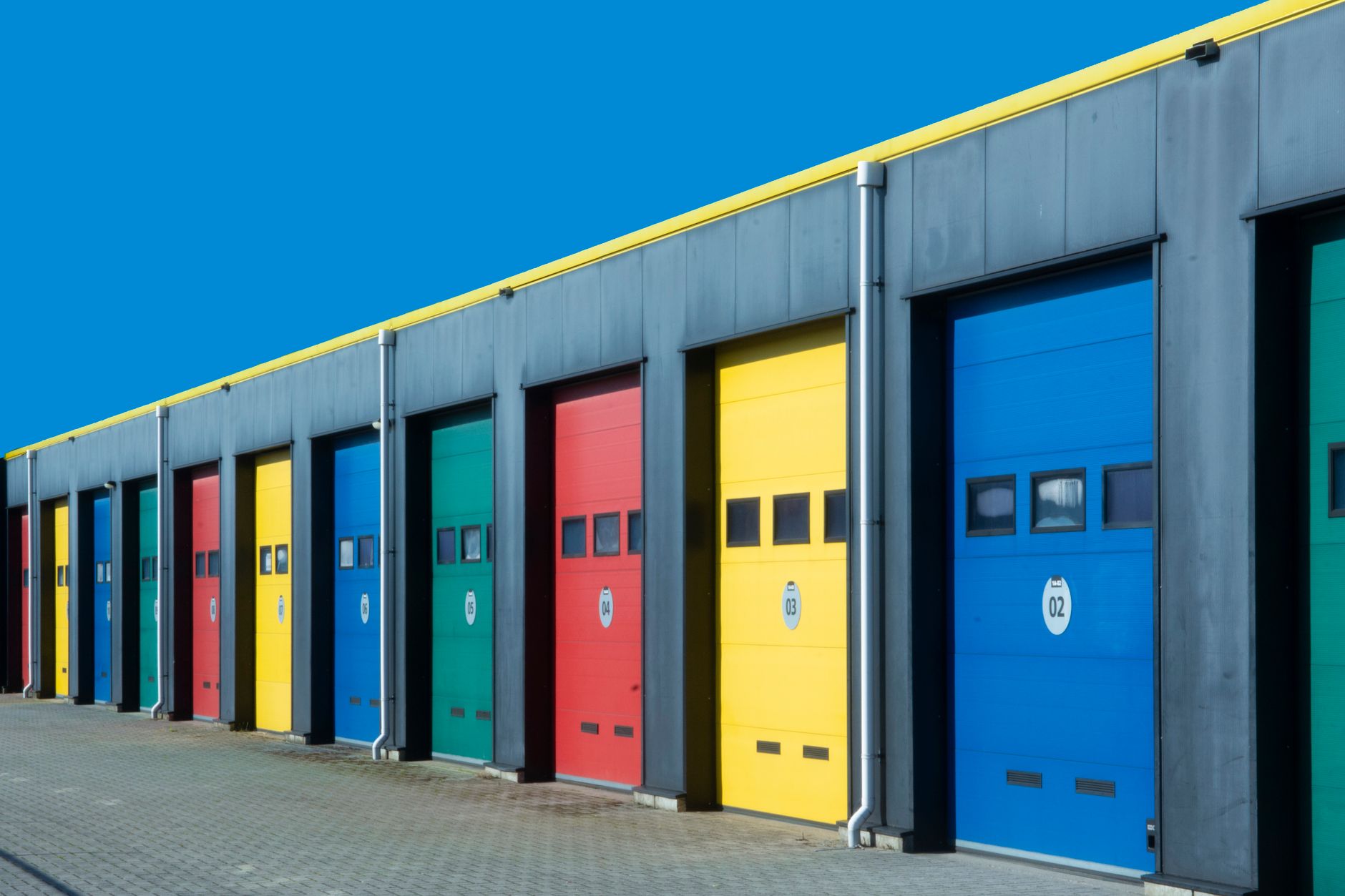
Start with a walk around the building, then write down every opening that could admit a person. A route that checks only the front entrance proves very little.
Then decide what the robot can actually report. A camera can see a door, but a latch or a propped door may need a sensor or a manual check. Ask the vendor which door states it reports, such as closed, open, propped or unknown, and what it logs when it cannot tell.
- Exterior personnel doors on the side and rear walls
- Roll up and dock doors, with latch and lock status
- Emergency exit doors, which must stay usable, so the route checks and reports them and never blocks them
- Storefront glass, including any gap left by a broken pane
- Roof hatches, ladders and access to rooftop equipment
- Gates into the trailer court and utility rooms with outside access
What makes loading areas harder than the sales floor?
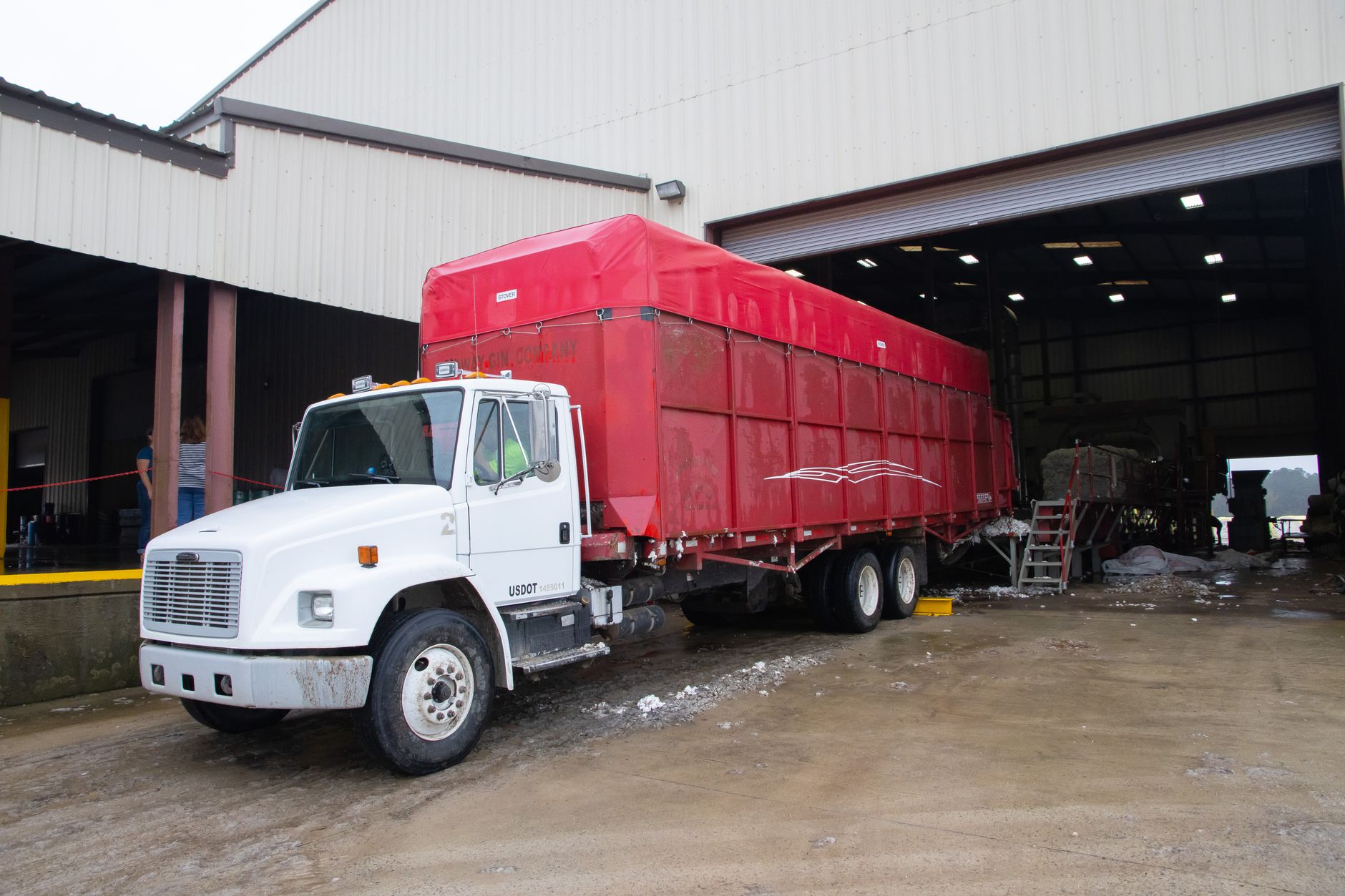
Loading areas are where a watch gets tested. Trailers park in the court, dock plates sit at uneven heights, and dark gaps between trailers hide spots where a person could stand unseen. Drainage grates, wet concrete and oil stains change traction, so the route needs a trial run on the real surface, not only on the drawing.
Plan the trailer court before the dock. Mark where the robot must slow, where it must hold and where a gate needs a camera angle that does not depend on a truck being absent. A trailer that arrives after the route was mapped can block a path, so ask how the robot reroutes and what it records when it cannot finish a round.
How much light does the watch need at night?
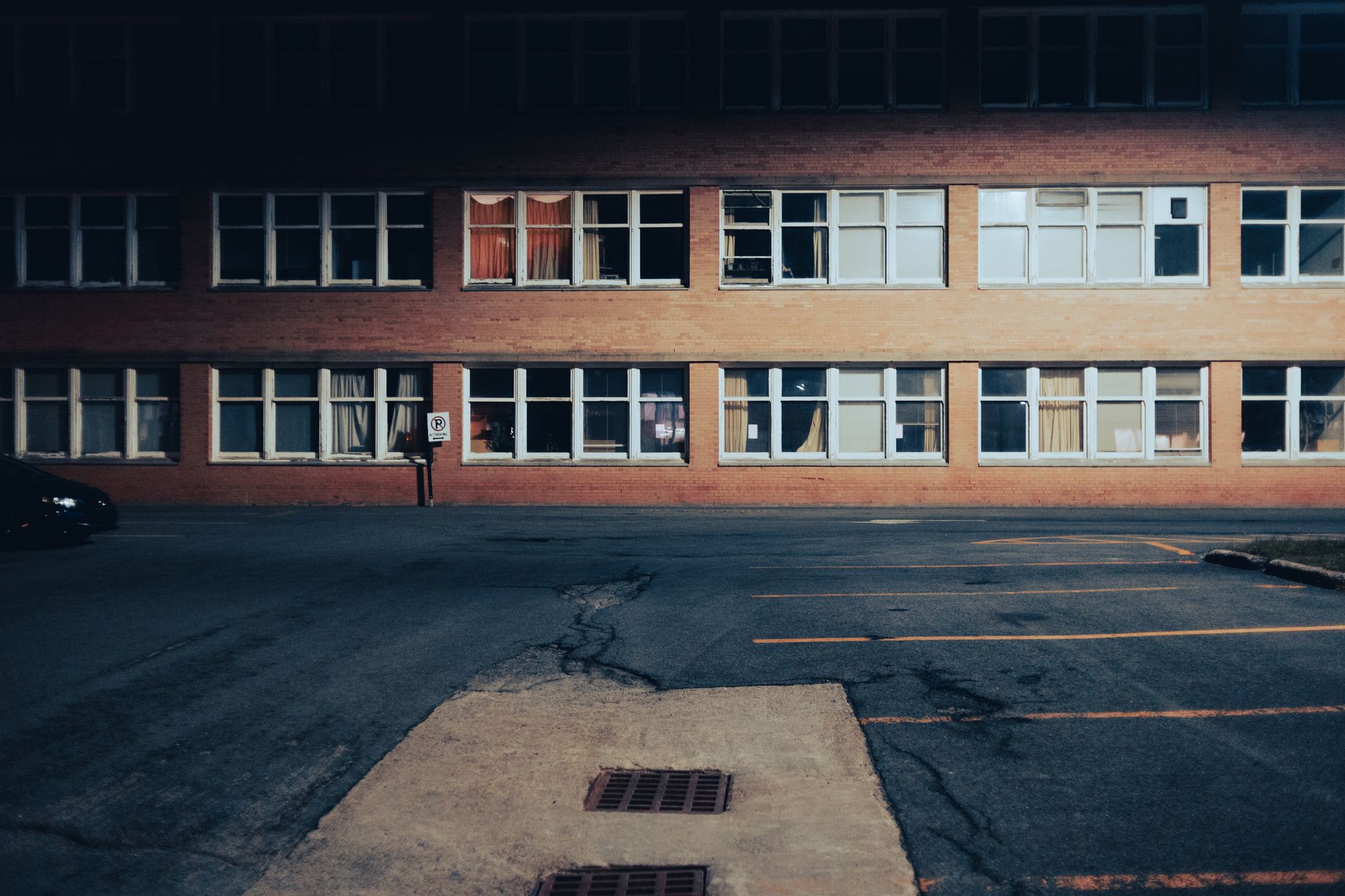
Lighting is a site specification before it is a robot specification. A camera records only what the light allows it to see, and vacant buildings often have fixtures switched off, failed or never replaced. We did not find a verified lux figure for these robots in the research behind this article, so any number a vendor quotes should come with its test method and the lighting conditions behind it.
For scale, a third party spec summary lists the Knightscope K5 at 64.6 inches tall, 44.6 inches long and a top speed of 3 mph. Knightscope's December 2023 press release says the fifth generation K5 began shipping with added lighting for nighttime visibility and a raised camera for near eye level 4K video. Older coverage says the original K5 used infrared light for night operation. Specifications differ across sources, so confirm them on knightscope.com before you quote them in a file.
Test the lighting on the worst night you can find. Run the route on a dark, overcast evening and review footage at the dock doors and the far corner of the trailer court. If the image is too dark to identify a person, the escalation rules rest on a picture nobody can use.
How should after hours alerts be routed?
Alert routing is where many vacant building watches break down, because a robot can detect something no staff member sees. Dax, a patrol robot vendor, says its command team verifies alerts so routine motion is suppressed before escalation to security staff. The same vendor describes green, yellow and red zones that set the robot's response playbook. Both are vendor claims that we checked for this article, not independent results.
Map zones to the building, not to a vendor default. A reasonable first draft puts the sales floor and dock doors in the tightest tier, the trailer court in a middle tier and a vacant office wing in a lighter one. Then decide who receives each tier, in what order, and what happens when nobody answers inside the window you set.
What should a vendor document about escalation and response?
A vendor should hand you this on paper before you sign anything. If it cannot, the watch depends on memory, and memory is not an audit trail. Ask for the following, and treat any blank as a gap.
Keep one caution in mind. We found no independent data on false alarm counts or escalation outcomes for these systems. When a vendor quotes a deterrence or accuracy figure, ask for the method, the sample size and the sites it came from. A figure without those details is a sales claim.
- Each alert class, the zone or rule that triggers it and the verification step that follows
- The contact tree with primary and backup people, phone numbers and the hours each one covers
- The response time commitment in writing, with the exact moment the clock starts
- Log fields for every alert: time, zone, sensor, verification outcome, who was called and how the alert closed
- Failure behavior when the robot loses connection, runs low on charge or stops mid route
- How false alarms are counted and how that count was measured
- How long footage is kept and who may request it
How do you test the watch before a lender or insurer asks?
Run a pilot before the file goes out. Schedule test triggers at set times, such as a staged door open at the dock and a person walking the trailer court, and confirm that each one produces the logged alert, the verification and the call you wrote down. Keep the results with the route map, the zone sheet and the contact tree.
Service Robot Co. starts with a site assessment that maps doors, dock, lighting and the escalation path, then provides one fixed lease quote on a three year lease. We are OEM neutral, so the robot is chosen for the building rather than for one manufacturer's catalog. RoboCare covers the robot after go live, backed by regional service engineers in every state we service, so the watch you documented is the watch that keeps running.
Frequently asked questions
Want a robot working for you?
Tell us the job and the site. We will recommend the robot, quote the lease, and keep it serviced.
Sources
- Business Insurance, January 2024, insurance challenges and empty offices
- Eddisons, insurance requirements for vacant properties
- Dax, security robots for industries
- Dax, security robots
- Knightscope press release, shipping of the 5th generation K5, December 2023
- RobotsGuide, Knightscope K5 specifications summary