Key takeaways
- A pawn shop floor robot must clear its narrowest aisle and its turning width, not just fit the room.
- Minimum aisle widths among the models checked run from about 34 to 47 inches.
- Map every display case as a no-go zone, including door and drawer swings.
- Keep glass cleaning with daytime staff and let the robot handle the floor.
- Review a week of logs before trusting a full unattended night.
Can a floor robot clean a pawn shop after close?
Yes, provided the robot is sized to the narrowest aisle in the store and the display cases are treated as fixed obstacles before the first run. A pawn shop floor is hard on any machine. Glass cases pinch the walkways, merchandise sits low, and the people who know the room leave at close, so nobody is around to clear a stool or a bag from the path.
The practical answer has three parts. Choose a machine whose minimum aisle width and turning width fit the tightest passage you measure. Map the cases as no-go zones. Then run a fixed nightly route that starts after a short staff reset and ends with the robot docked. None of these steps is exotic. Skipping one is usually what makes the plan fail.
Why do pawn shop floors wait until morning?
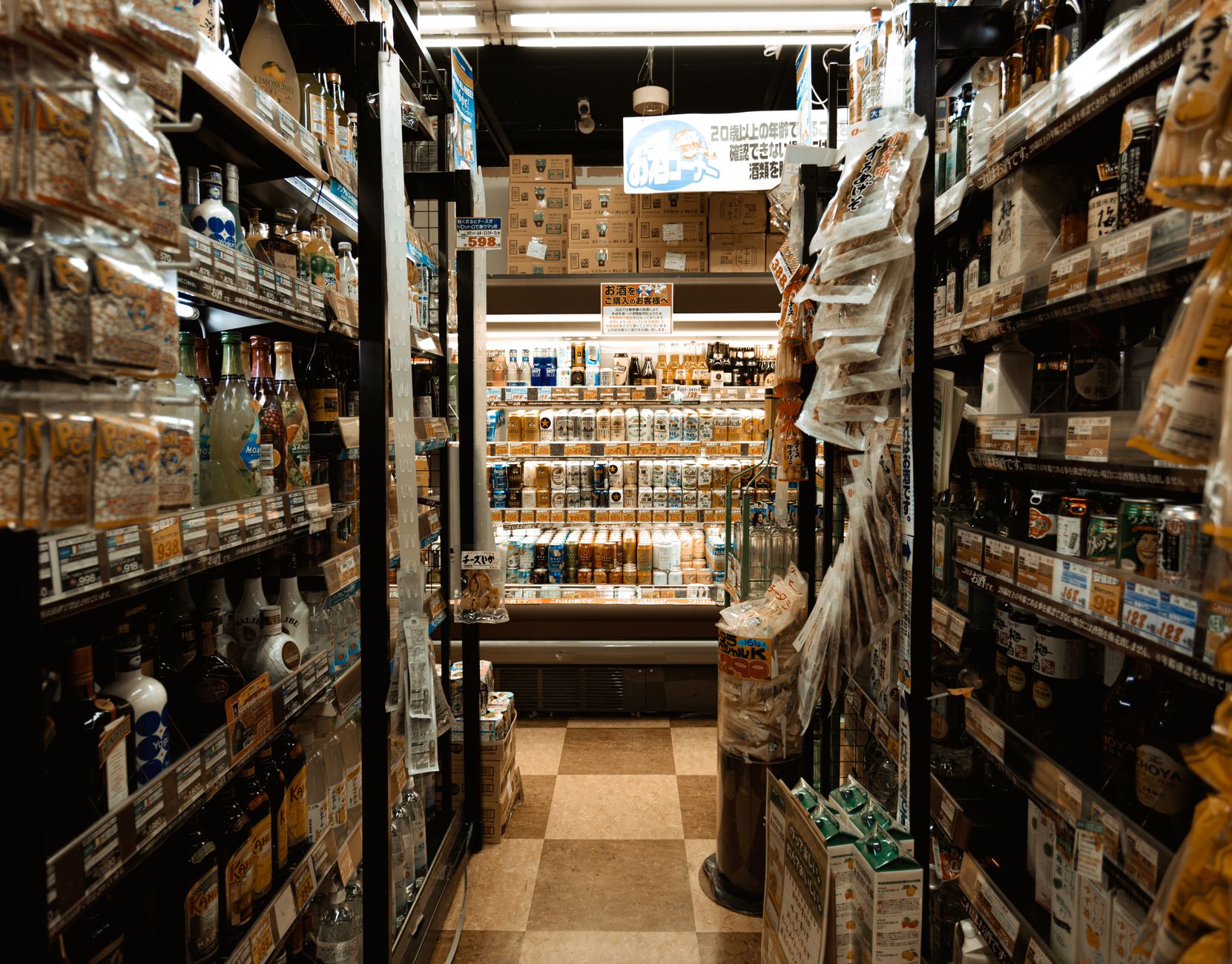
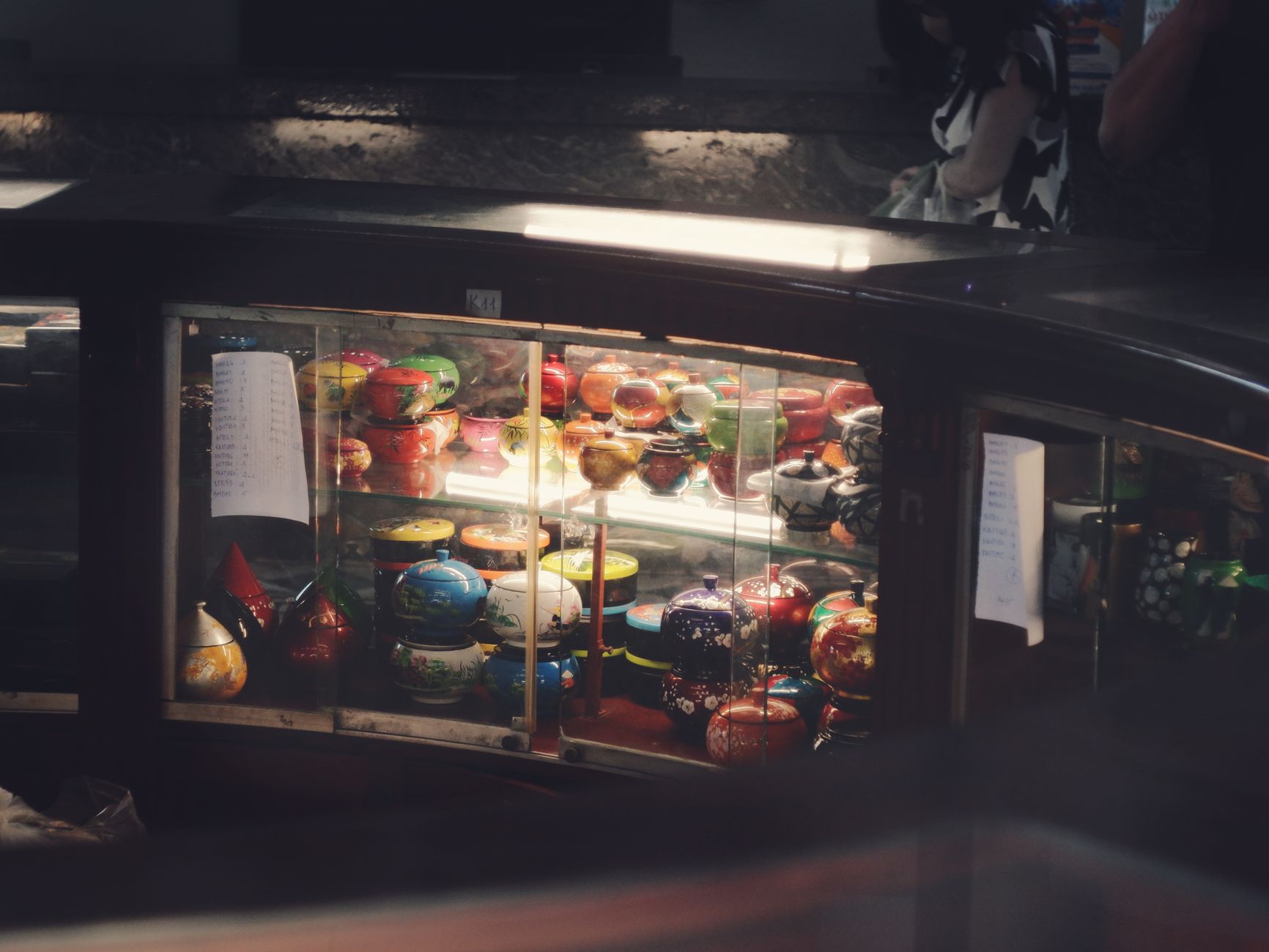
The constraints are physical more than they are about effort. Display cases sit close to walls and to one another, so the usable floor becomes a set of corridors rather than an open room. A single case corner or an open drawer can turn a passable aisle into a stop.
We found no pawn-shop-specific cleaning guide or published hours data for this topic, so the reasoning below rests on general retail display guidance and on dimensions that manufacturers publish. Where a point is general, the text says so.
What the 2025 market figures show
According to IFR figures reported in a Kyodo News release, professional service robot shipments rose about 24% in 2025 to nearly 250,000 units. Transport and logistics led the year with about 117,500 units, and professional cleaning ranked third.
IFR advises against comparing figures across different World Robotics reports, so read these as one year's snapshot. They show that cleaning is a real category with volume behind it. They say nothing about whether a given aisle in your store is wide enough.
Which robot sizes fit a pawn shop aisle?
Compact scrubbers are the usual starting point for narrow retail floors. The two numbers that matter most are minimum autonomous aisle width and turning width. Published figures for several models, as of November 2026 listings, are set out below.
Read those figures with care. A 33.8 inch aisle figure says the machine can travel that narrow a passage under autonomous mode. It does not say the machine can turn around in it. The Avidbots listing puts its U-turn width at 61 inches, well above its aisle figure, and that gap is where many tight floors fail. The robot fits the corridor but cannot reverse at the end of it.
Turning width may be the tighter limit, so check both figures before you name a model.
- Kärcher KIRA B 100 R: minimum autonomous aisle width 33.8 inches.
- Naviarobotics Scrubber 50: minimum aisle width 35.4 inches, with overall dimensions of 33.9 by 27.6 by 40.6 inches.
- Avidbots KAS, per a reseller listing: minimum aisle width 41 inches and minimum U-turn width 61 inches.
- Naviarobotics Scrubber 75: minimum aisle width 47 inches.
How do you measure the aisle you actually have?
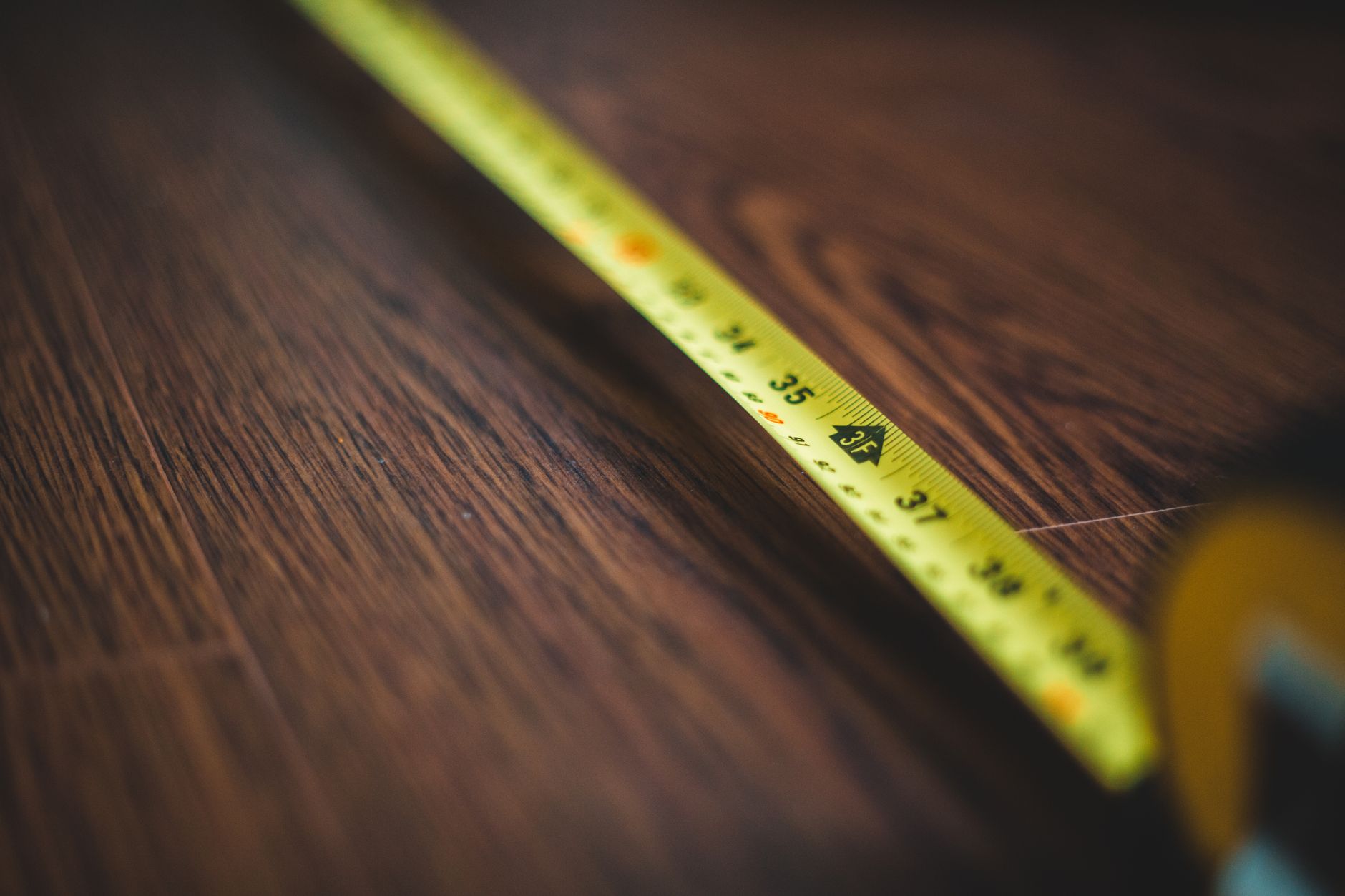
Measure at the narrowest point, not on a floor plan. Case corners, a wall rack or a stool leg can cut a 40 inch corridor to something much narrower. Measure again at every dead end, since a robot that must turn there needs its turning width, not its aisle width.
Compare those measurements with the listed figures, then add a clearance margin you test rather than guess. This is the part of the work our site assessment covers for each floor, so the measured width, not the brochure, decides which unit runs which route.
How should no-go zones protect the display cases?
Treat each case as a fixed obstacle with a clearance zone around its footprint. Include the swing of any door or drawer that opens into the aisle. Map those zones before the first unattended run, then confirm the route stays outside them on a dry run, with the cases in their closing positions.
Keep glass work out of the robot's job entirely. One retail policy says display glass should be cleaned several times a day as needed, and every 30 minutes when the store is busy. Another guide says to remove all merchandise and display pads before cleaning inside and outside the glass, using glass cleaner and a lint-free cloth. Both are daytime staff tasks. The robot handles the floor, and the cases stay with the morning crew.
What does a nightly route look like after close?
Start with a short staff reset before the last person leaves. Clear counter edges, bag strays, pull stools off the path and make sure any cord across the floor is lifted or taped. Jewelry display guidance recommends locking cases during non-business hours, so confirm every case is locked before the robot starts.
Run the route from the back of the store toward the entrance, so the robot finishes at the dock nearest the door. Keep the route fixed night to night. A fixed route is what lets you spot a change the next morning: a stool moved, a rug curled, a new shelf that narrowed a corridor. The same jewelry guidance notes that motion-sensor lights can help with off-hours checks, a useful pairing when you review the log.

What should the first week prove?
Give the route one week before trusting it unattended. Review each morning's log for paused stops, disturbed items and any case that shows a mark near its footprint. Each pause is a clue. A repeated pause at the same spot usually means a clearance margin is too tight or an obstacle has moved.
Change one thing at a time. Adjust a zone, rerun the route, and check the log again. By the end of the week you should know which aisle is the constraint, which corner needs a staff touch, and whether the machine you chose has the room it needs.
Where a leased robot fits in
Service Robot Co. is a full-service commercial robot integrator for US businesses. We are OEM-neutral, so the unit that fits your aisles is chosen across manufacturers, then leased through financing, deployed, integrated, trained and serviced by our nationwide US engineer network. One partner handles the lifecycle, from the site walk to the morning service call.
Our lease runs three years with one fixed lease quote set after a site assessment. For a pawn shop, that assessment is where the aisle, turn and case measurements described above get taken and checked on your own floor, not from a listing.
Frequently asked questions
Want a robot working for you?
Tell us the job and the site. We will recommend the robot, quote the lease, and keep it serviced.