Key takeaways
- In peak weeks, a robotic mower can take the open turf that fits it while crews stay on trimming, edging and bed work.
- The split works best on large, continuous, fairly flat lawns with a clear view of the sky.
- Heavy canopy, fragmented lawns, steep grades and wet turf are where the split breaks down.
- Slope ratings differ by model, so the site check decides the fit more than the brand name does.
- Service Robot Co. leases the unit through financing and services it under RoboCare™, so the crew stays on detail work.
Who cuts the open turf when every crew is booked?
In a peak week, the open turf left after detail crews take their assignments usually waits for whichever worker has hours free. A robotic mower can be that worker on the lawns that suit it. Crews keep the trimming, edging and bed work that a mower cannot reach or finish.
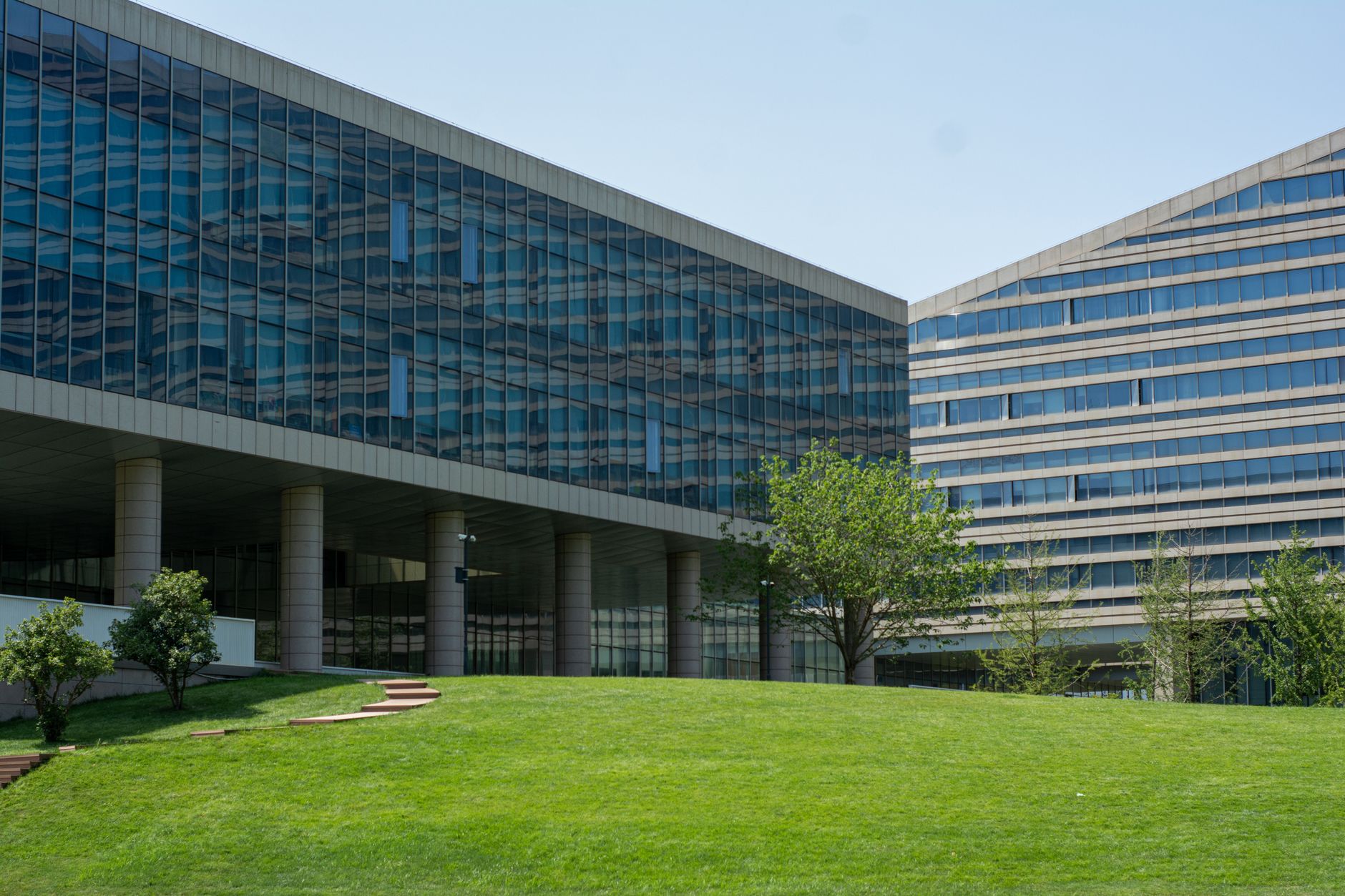
The split works best on large, continuous lawns with few obstacles, where the mower can run long passes without stopping. It fails on fragmented lots, sites under heavy tree canopy and steep banks, which still need hand work or a different plan. Those site limits decide the answer more than the calendar does.
Why does peak season push open turf toward robots?
Labor is the pressure point. Turf Magazine cites property manager Mike Bedell, who expects labor scarcity to push robotic mower adoption. That is an expectation, not a survey result, so read it as a direction rather than a measurement.
Environmental Management Inc. has begun deploying autonomous mowing robots from RC Mowers and says they will help with labor shortages, according to the company. Company statements are not independent checks, but they show contractors moving from testing toward fleets.
Labor is not the whole story. An industry leader quoted in a NALP editorial says robots will not replace regular mowing crews soon, and that not every property suits a robotic mower. Both points belong in the same planning meeting.
Which properties suit the split best?
Vendor pages list office parks, HOAs, golf courses, schools, municipal grounds, resorts and business complexes as typical targets. Those lists show where makers aim their sales, not where mowing performs best, so treat them as a starting point for a site walk.
HOA and office park lawns are where quiet operation matters most. Reviewers note that HOA covenants often limit equipment noise, usually measured at the property line, so read the covenant before the first pass. The split tends to hold up on sites like these when the checks below pass.
- Large open turf where the mower can run long, continuous passes
- Few beds, islands or obstacles that force hand work on every lap
- Grades inside the rated slope for the exact model
- A clear view of the sky so satellite guidance holds across the lawn
Where does the split fail on slopes, canopy and wet turf?

Slope ratings come first, and they vary by model. A retailer listing for the Husqvarna Automower 535 AWD, checked in November 2026, gives slopes up to 70 percent, about 35 degrees. Greenworks lists its optimow grades up to 35 percent, and Segway Navimow Terranox is advertised at 40 degree slope capability. These are vendor stated figures, so confirm them against the spec sheet for the unit you would actually run.
Heavy canopy, fragmented lawns and weak GPS signal are poor fits, according to guides on robotic mowing. Wet or thawing turf and loose mulch can also halt operation. Peak weeks often bring rain, so the crew needs a plan for taking the open turf back by hand.
How do detail crews stay on trimming and bed work?
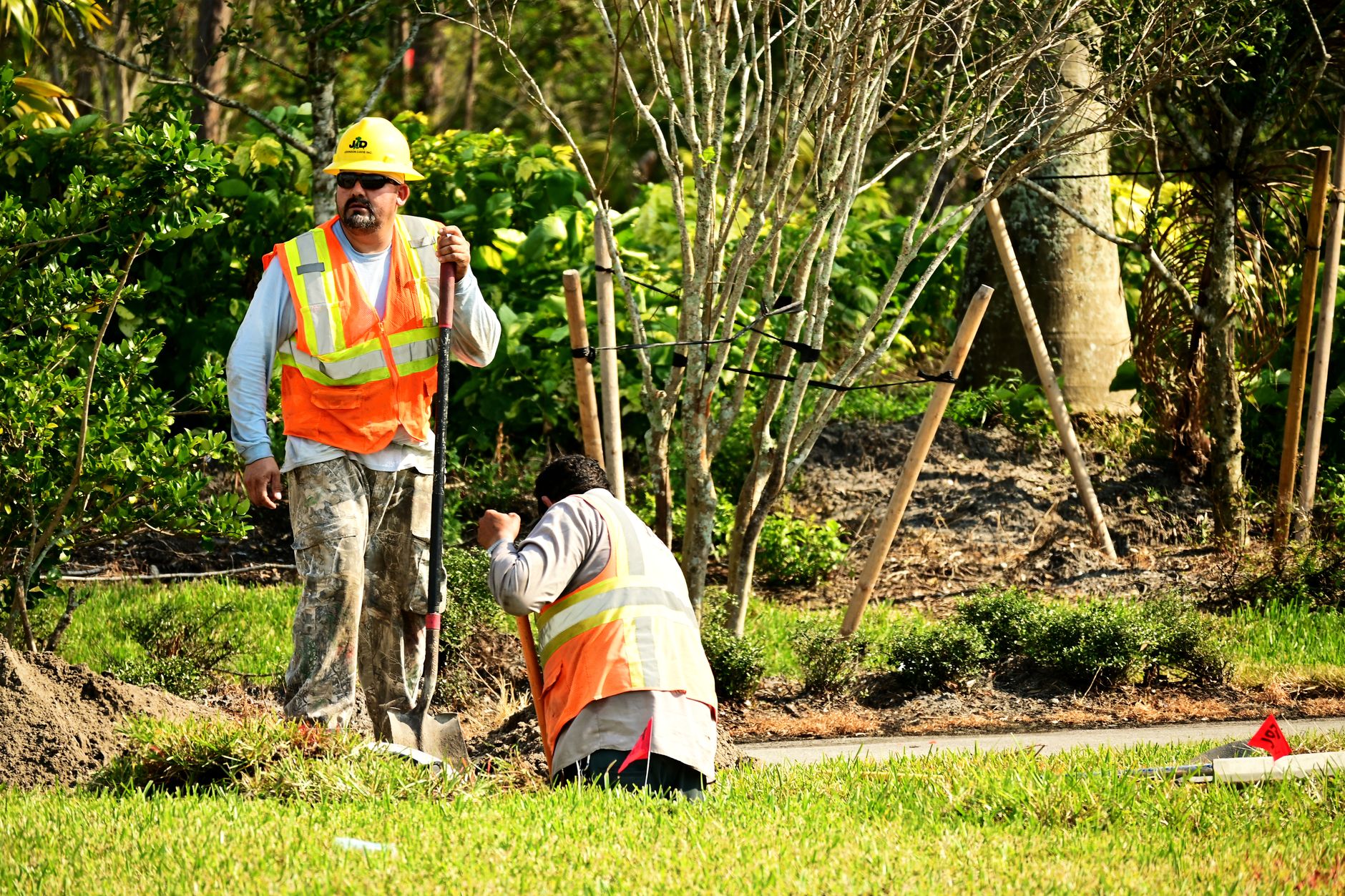
Once the mower holds the open turf, the crew's job changes. Detail crews start with the edges, beds and obstacles the robot cannot finish, then move through the trimming clients notice first. Assigning those jobs before peak week keeps the mower from waiting on hand work.
Sequence matters. Send a crew ahead to clear debris, hoses, toys and loose mulch that could stop a pass, then release the robot onto clean, open turf. Crew leads often skip that step when the week gets busy, and that is where stopped units start.
Expect supervision. A robotic mower still needs someone to check runs, answer stops and log what happened. Name that person in the schedule, so the job does not fall to whoever is free that afternoon.
How Service Robot Co. fits a peak season plan
Service Robot Co. is an OEM neutral integrator. We assess the site first, then recommend the right robot across manufacturers instead of pushing one brand's catalog. Robot lease options run through financing on a three year lease, with one fixed robot lease payment quoted after a site assessment.
We deploy, integrate and train the crew, then service every unit under RoboCare™, backed by regional service engineers in each state we service. One vendor covers the whole lifecycle, so a stopped mower in the middle of peak week has one number to call.
Frequently asked questions
Want a robot working for you?
Tell us the job and the site. We will recommend the robot, quote the lease, and keep it serviced.
Sources
- Turf Magazine
- Robotics 247, Environmental Management Inc. adds RC Mowers autonomous mowing robots
- Landscape Management, NALP editorial
- NIP Group, robotic mowing guide
- SmartYard NW, HOA noise notes
- City Honda NZ, Husqvarna Automower 535 AWD listing
- Landscape Management, Greenworks optimow
- Outdoorica, Segway Navimow Terranox