Key takeaways
- A floor robot fits the open, sealed lanes of a dough room, not the mixer undersides or wet corners.
- Flour dust near mixers is a combustible dust issue first and a cleaning issue second.
- Get the IP rating, climb limit and dust bin capacity in writing before the walkthrough.
- Map the room and mark keep out zones, because a fixed lease quote follows the site assessment.
Can a floor robot work in a pizzeria dough room?
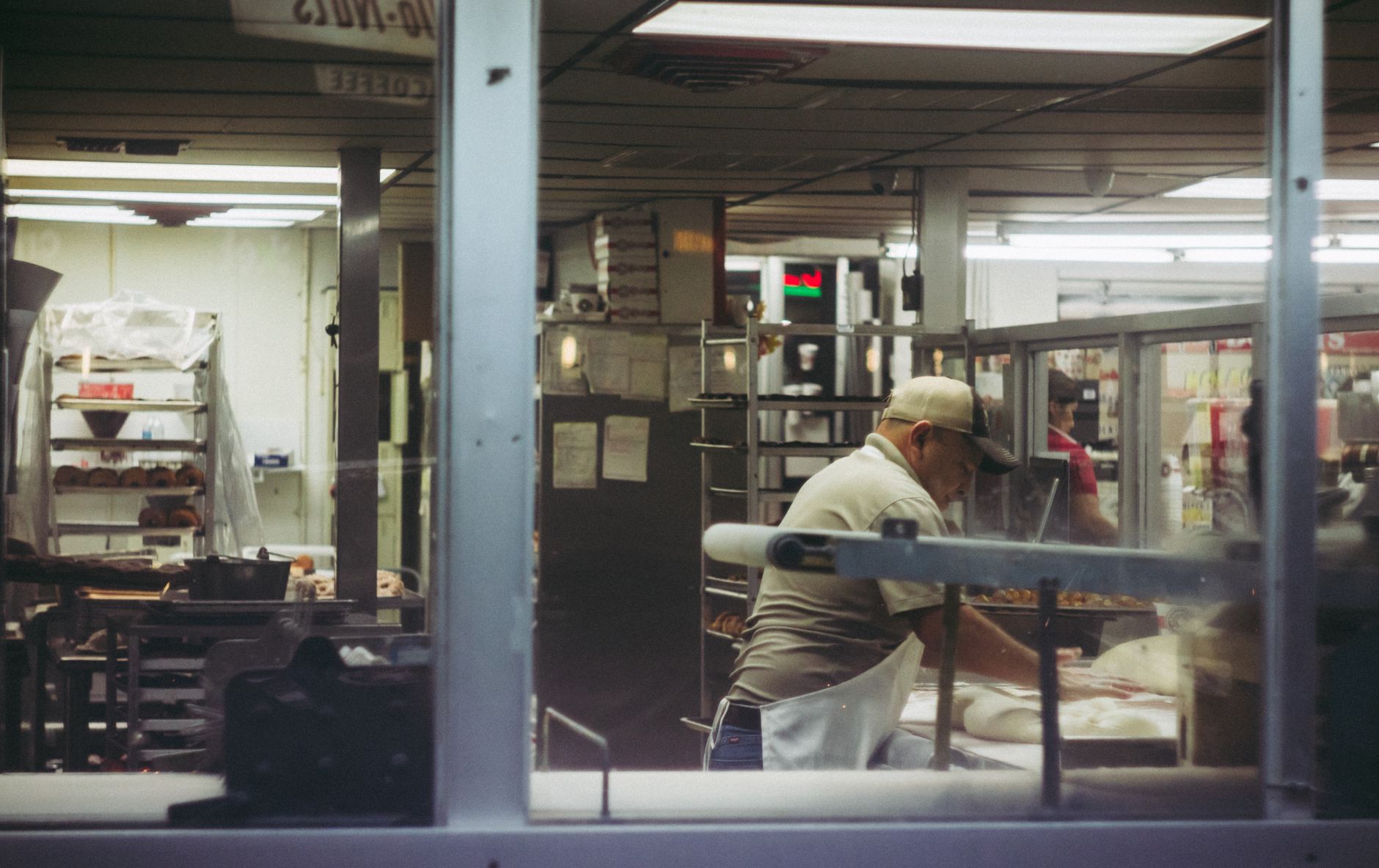
Yes, in part. A floor robot can take over routine passes on the open, sealed lanes of a dough room, but it will not clean the places where flour collects and spills most. The mixer base, the bin lids, the floor drain and the corners behind proofing racks still need a person with the right tools.
Three things decide whether a robot fits: the floor surface, the amount of dust the room carries, and whether the robot has a clear route between equipment. A room with sealed floors, a straight center aisle and a light dust load is a realistic candidate. A room with heavy flour buildup, deep grout or racks parked on every side needs changes before a robot is worth testing.
Why flour dust changes the job
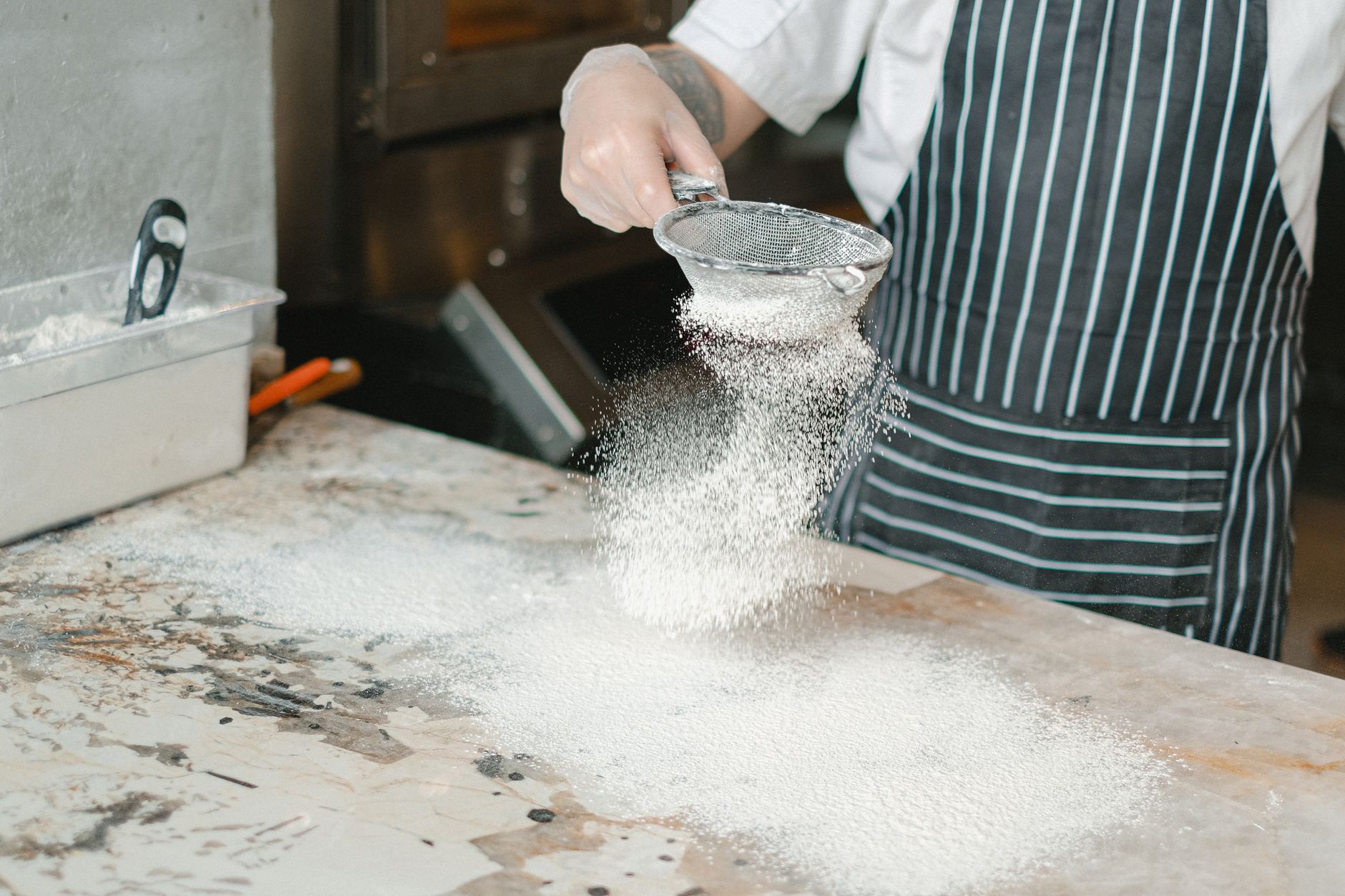
Flour dust is a combustible dust problem before it is a cleaning problem. OSHA's combustible dust standards page includes bakery equipment and notes that bakeries are among the operations exposed to combustible dust.
Trade press points to the process equipment. According to a Baking Business article, dust explosions in milling and grain handling usually start inside equipment such as mills, dryers, mixers, conveyors, silos and hoppers. A dough room has a mixer and flour handling, so the dust plan has to start at the mixer, not at the floor drain.
Fire or explosion needs an ignition source, a confined space, enough oxygen and flammable dust. The same article notes that bakeries have many ignition sources, including ovens, fryers, welding and static. Dust Safety Science also covers the mechanics of flour dust explosions, and its article is worth reading before the walkthrough.
The practical point is simple. A dry sweeping pass through a dusty lane can lift fine material into the air, so settle the dust plan with your fire protection and insurance advisers before any robot runs in the room.
Which floor surfaces and limits suit a robot?
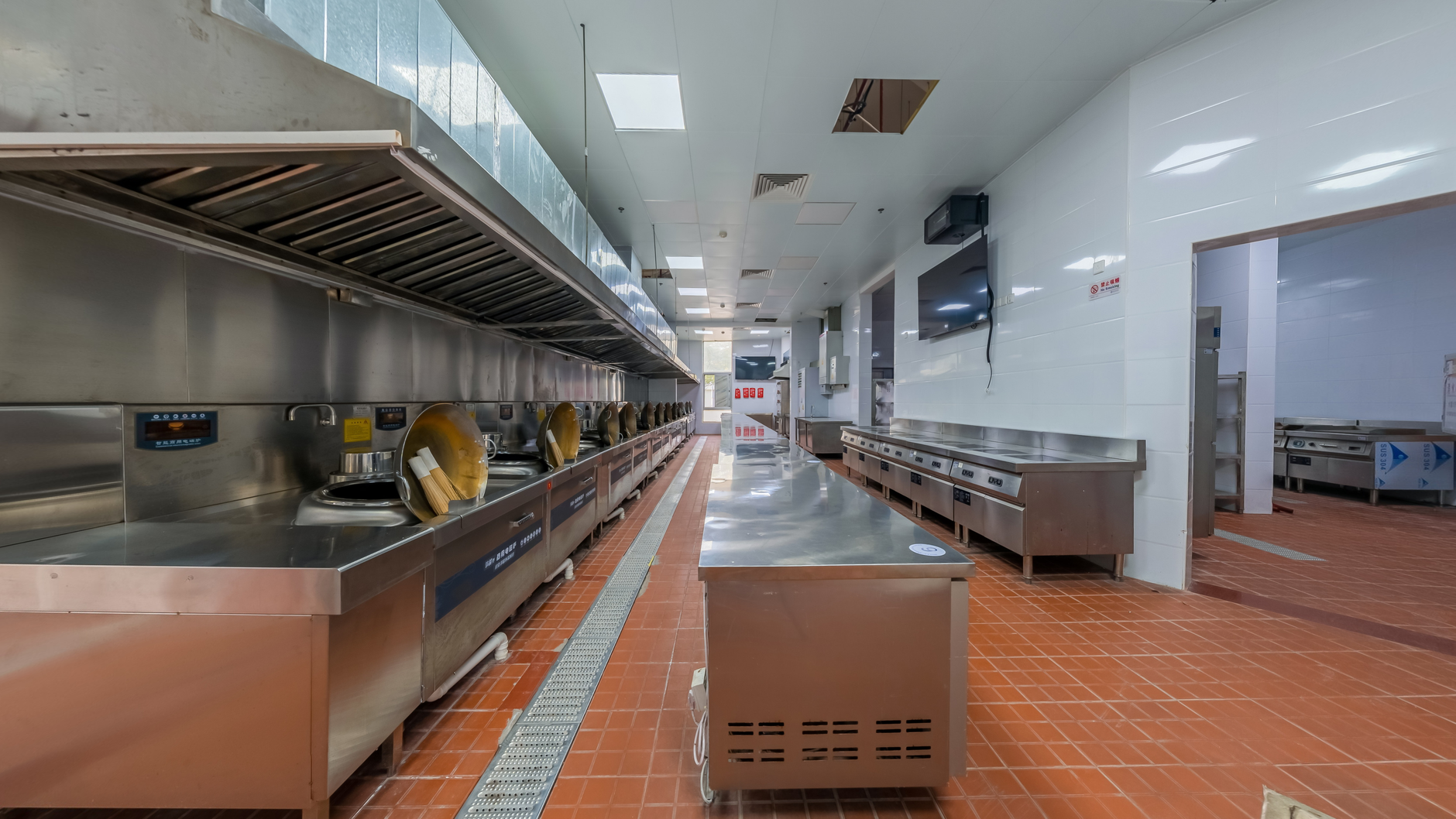
Surface comes first. A sealed concrete or epoxy floor with few seams suits a squeegee scrubber better than a broken, grouted or heavily textured floor. We did not find a published rule that names the surfaces that fail, so treat the room as a test case until the walkthrough confirms the floor.
Limits come from the datasheet. In a 2024 announcement, Tennant described its X4 ROVR as its first purpose-built robotic scrubber. Its spec sheet lists squeegee width, cleaning tank size, coverage per tank and scrub path, but the excerpt we reviewed did not show an IP rating. Kärcher's KIRA B 50 product page lists drive type and rated input power, with no IP rating in the excerpt either. Check the full documents before comparing models.
Threshold height is the number most people miss. A consumer robot vacuum maker, Narwal, lists a 4 cm maximum climb and advises a ramp for thresholds of 3 to 4 cm. Those are consumer machines, so they do not set a commercial limit, but they show why the figure matters. We found no commercial scrubber ramp or threshold figure this run, so ask for it in writing.
What staff still clean by hand
A robot covers open floor. Staff still handle the parts that need reach, judgment or a dry first sequence. Clear the room before the robot starts, then keep these areas on the hand list:
Hand work does not end when the robot finishes. Check the path after every run for dough scraps, tools and cords, and empty the dust bin on the schedule the datasheet sets.
- Spills under the mixer bowl and along the bench edge, wiped up before any robot pass
- Flour pockets beside bin lids and scale bases, which a robot route rarely reaches
- Floor drain grates and the wet corner by the sink
- Undersides of tables, rack casters and the tracks where wheels leave dust
- Equipment tops, light fixtures and high edges outside the robot's reach
- Thresholds above the listed climb height, which need a ramp or a manual pass
How the layout decides where a robot can run
Mapping decides most of it. A robot needs a clear, repeatable route, and proofing racks on casters move, so a map made on Monday may not match Friday. Racks that stay in fixed positions and a marked center aisle make the strongest case.
Set keep out zones around mixer footprints, the flour bin hatch and any threshold above the robot's limit. Consumer robot guidance makes the same point, advising that obstacles above the robot's limit be marked as keep out zones rather than left to chance. Put the charging station on a power outlet close to the route and well away from the flour path.
This is the work a site assessment exists to do. At Service Robot Co., we map the room, mark the zones and check the charging location before any robot is proposed. We lease robots on a three year lease, and the fixed lease quote follows the site assessment. We stay OEM neutral, so the robot is chosen for the room, and RoboCare, our service plan, covers maintenance, with regional service engineers in each state we serve.
What dust level is too much for a floor robot?
No source we reviewed sets a dust level at which a floor robot stops being suitable, so this article offers no number. Treat dust as a measured condition. If a robot pass leaves a visible film on the lane, or fine material settles on the mixer and racks within the same shift, the room needs more hand work than the robot can carry.
Log it for two weeks. Count hand sweeps, note where dust returns and record how full the dust bin gets at the end of each run. Those notes will tell you more than any brochure. Ask the vendor how the bin is emptied and whether dry sweeping is supported.
First walkthrough checklist
Bring a tape measure, a flashlight and the room drawings. Walk the room while the mixers and racks sit in their normal positions, not straight after a deep clean.
- Photograph every threshold and transition, and record its height
- Measure the center aisle and the gap between mixer footprints and walls
- Note the floor material, seams, grout lines and any cracked or sunken area
- Mark flour bin hatches, drains and the wet corner as hand zones
- Find a power outlet within reach of the planned route, away from flour
- Request the full datasheet in writing, with IP rating, climb limits and dust bin capacity
- Confirm who answers a service call and how a remote fault gets triaged
Frequently asked questions
Want a robot working for you?
Tell us the job and the site. We will recommend the robot, quote the lease, and keep it serviced.
Sources
- OSHA combustible dust standards
- Baking Business: Good housekeeping for safekeeping
- Dust Safety Science: flour dust explosion
- Tennant X4 ROVR specifications
- FM Business Daily: Tennant X4 ROVR full specification announcement, 2024
- Kärcher KIRA B 50 product page
- Narwal support: climb height
- Just a Dad Approved: robot vacuums and thresholds