Key takeaways
- Use a pole camera when the culvert is short, fairly straight, partly visible, and you mainly need a quick condition check or blockage confirmation.
- Move to a crawler when the run is longer, access is limited, conditions are dirtier, or the inspection must support a formal maintenance or capital decision.
- Standing water, heavy sediment, and sharp bends narrow what any camera can truly show and often turn a cheap inspection into a false economy.
- If the culvert falls under bridge style inspection rules or owner reporting standards, image quality, distance tracking, and consistent coding matter much more than the lowest equipment cost.
- For many owners, the right answer is not buy the fanciest unit. It is getting the right inspection robot rental or deployment plan for the asset mix you actually have.
Which tool is enough for most stormwater culverts?
For a lot of routine culvert work, a pole camera is enough. If the pipe is short, the entrance is accessible, the line is mostly straight, and you are trying to confirm blockage, joint condition near the opening, debris buildup, or an obvious crack, the simpler tool usually wins on speed and field practicality.
A crawler becomes worth the spend when the inspection has to travel farther, hold image quality over distance, document exact defect locations, or work in conditions that punish casual gear. That usually means longer runs, larger diameters, deeper assets, repeat inspections, formal reports, and situations where a bad call could lead to flooding, pavement damage, or a missed renewal budget.
The hinge point is not gadget envy. It is information quality. If a pole camera can answer the question with confidence, use it. If it cannot show enough of the barrel, keep orientation, or generate a record an owner can act on, step up to a crawler before you waste a mobilization.
- Pole camera first for quick screening, blockage checks, and near end visual confirmation
- Crawler first for long runs, repeatable defect mapping, and owner grade documentation
- If visibility is poor or the answer affects a repair decision, favor the tool that produces defendable evidence
What does a pole camera do well, and where does it start to fall short?
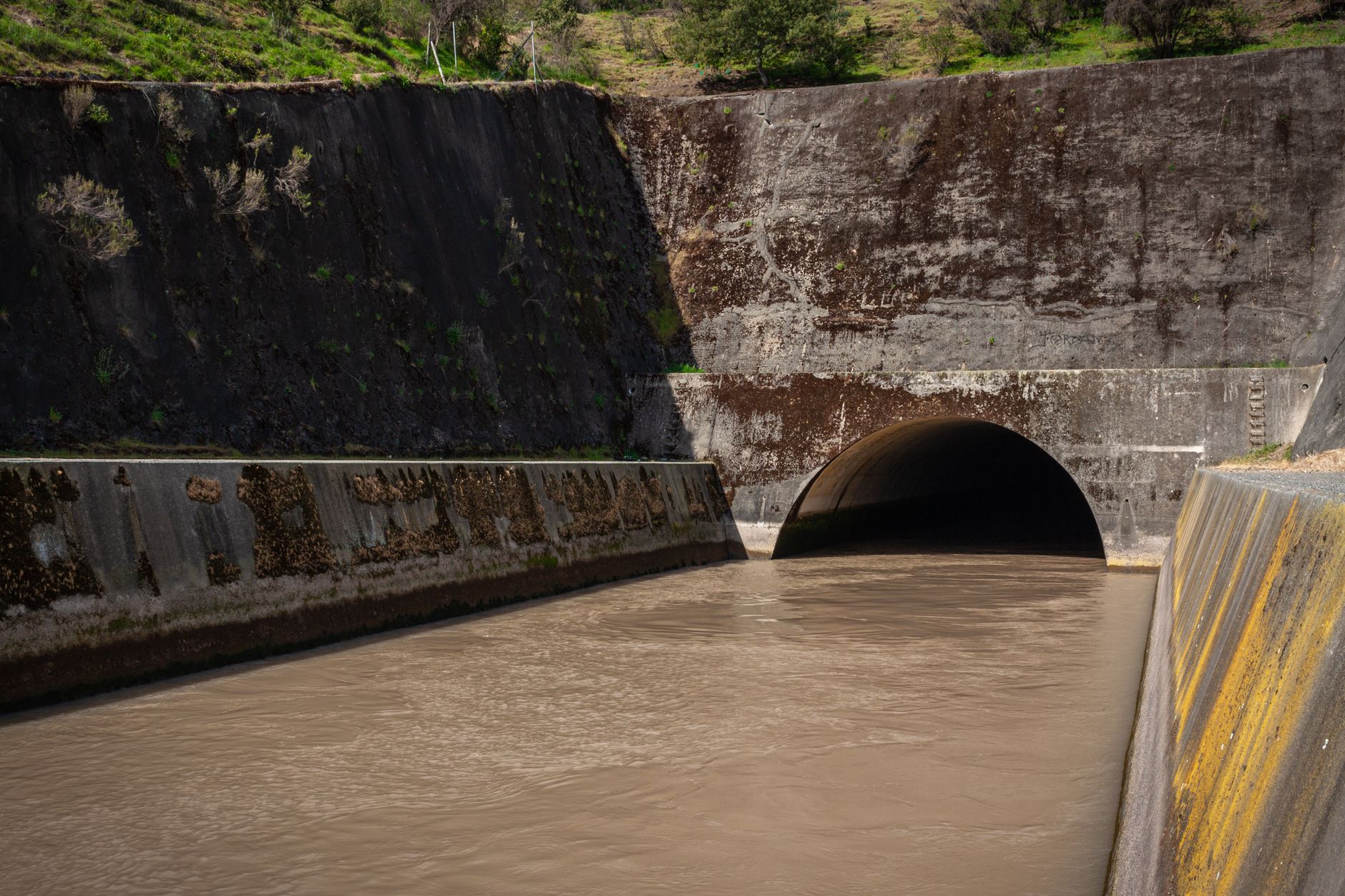
A pole camera shines at the front end of the job. It is fast to deploy, light enough for crews already doing drainage maintenance, and useful when you only need to see the first section of pipe from an inlet, outlet, catch basin, or structure. For campuses and private sites, that speed matters. A same day look is often more valuable than a perfect inspection next week.
It also works well when the question is narrow. Is the outlet blocked. Has a joint separated right at the headwall. Is there root intrusion near the opening. Are you looking at sediment accumulation or an animal nest instead of a structural failure. Those are good pole camera jobs.
The tradeoff is reach and certainty. An EPA field demonstration on collection system assessment notes that zoom style camera inspection does not provide as much visual detail as conventional CCTV, cannot image below the water line, and is limited by diameter, debris, moisture, available light, and bends. In other words, the farther the uncertainty extends into the barrel, the weaker the simple tool becomes.
- Best use cases: entrance condition, debris confirmation, short and straight barrels, triage before cleaning
- Weak points: waterline blind spots, weaker defect measurement, reduced detail at distance, and trouble around bends or obstructions
When does a crawler justify the extra effort?
A crawler earns its keep when the owner needs a full interior record, not a quick peek. That means inspections tied to rehabilitation planning, warranty disputes, recurring flooding, capital budgeting, or a maintenance program that compares assets across time. The crawler is slower to mobilize, but it is built for distance, repeatability, and evidence.
EPA guidance on sewer cleaning and inspection still treats CCTV as the most frequently used and most cost efficient long term method for internal inspection. The same fact pattern carries into many stormwater culvert situations. Once you need consistent footage, logged distance, and a reliable basis for maintenance scope, the crawler usually beats repeated partial looks with simpler tools.
This is also where a commercial owner should stop thinking in terms of a single unit purchase and start thinking in terms of inspection robot rental, robot leasing for business, or a pilot. A contractor with a mixed book of culvert sizes may only need crawler capability on certain projects or seasons. A campus owner may need it after major storm events and not much else. Matching the inspection method to that demand curve is simply better operations.
- Choose a crawler when the report must support repair prioritization or a funding request
- Choose a crawler when repeat inspections need the same path, orientation, and defect location logic
- Choose a crawler when partial visibility could lead to the wrong maintenance decision
How much does diameter change the answer?
Diameter changes almost everything. EPA says CCTV inspections are recommended for sewer lines from 4 to 48 inches. That range is a useful baseline for stormwater culverts too, because it captures the size band where camera based inspection is often practical and where line conditions quickly separate basic tools from serious ones.
At the smaller end, a pole or push style camera can often tell you enough if the run is short and the pipe is clean. But small diameter also means less room for light, less room to maneuver around offsets, and more risk that a little debris hides the real defect. In small barrels, modest buildup has an outsized effect on visibility.
As diameter grows, the case for a crawler can strengthen rather than weaken. Bigger culverts need stronger lighting, steadier transport, and better camera control to inspect the crown, sidewalls, and invert with any discipline. EPA also found that newer zoom cameras could record up to 100 feet in a straight clean pipe, and in some 60 inch lines as far as 350 feet, but that performance still depended on a clean, straight line. Field reality is rarely that kind.
- Small diameter and short run: pole camera may be enough if visibility is good
- Medium diameter and longer run: crawler usually gives better defect confidence
- Large diameter: lighting, camera control, and full wall coverage become harder, not easier
What do standing water and sediment do to the decision?
They usually push the answer toward cleaning first and a better inspection platform second. Standing water is not just an inconvenience. It hides the invert, masks joint separation, and turns a cheap camera pass into a partial inspection that people later mistake for a full one.
EPA is explicit on the core limitation. Camera inspections cannot image below the water line. That matters in stormwater culverts because the invert is often where sediment, abrasion, scour, and deformation begin to change hydraulic performance. If water is high enough to cover what you need to assess, the tool debate is secondary. You first need lower flow conditions, bypass planning, or a different inspection method.
Sediment makes the same point in a different way. MnDOT warns that accumulated sediment reduces hydraulic capacity and recommends cleaning pipes and culverts often enough that they flow effectively and do not retain water. If a culvert is already carrying enough sediment to hold water between events, a pole camera may confirm the symptom, but a crawler after cleaning is far more likely to show the structural condition you actually need to know.
- Water above the invert means hidden defects and weaker evidence
- Sediment that narrows flow also narrows camera usefulness
- If the question is structural, not just hydraulic, plan cleaning and then inspect
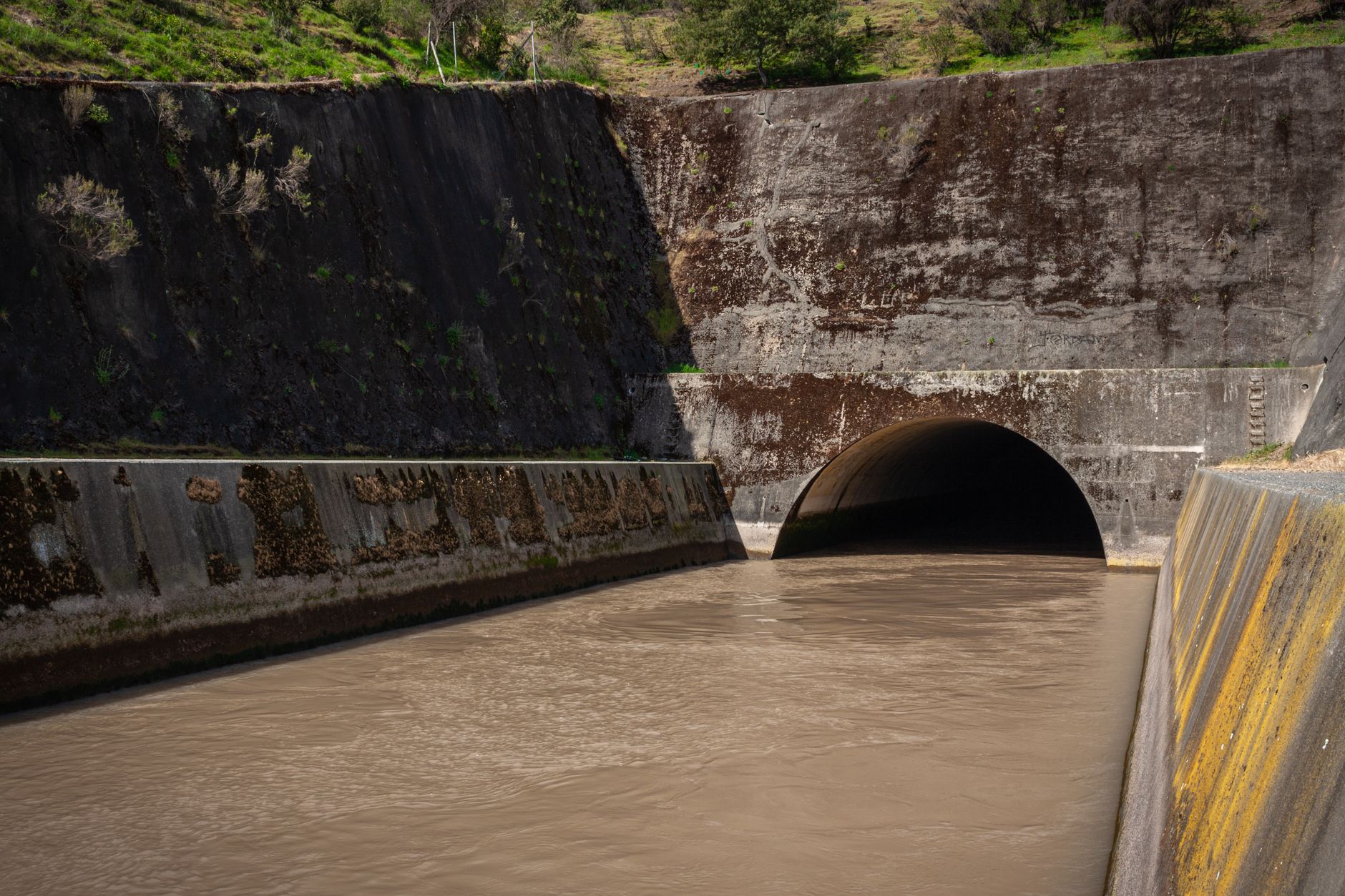
How do bends, length, and access points change the tool choice?
A simple camera likes straight sight lines. Real culverts do not always cooperate. Skewed connections, deflected joints, bends, debris racks, and rough transitions all reduce what a pole camera can see and how confidently the operator can interpret it. Every obstruction between the lens and the defect chips away at confidence.
Length matters for the same reason. EPA guidance notes that for longer stretches, especially when access points are more than 300 meters or 1,000 linear feet apart, camera based inspections are common because the work needs a methodical internal record. A short sightline from one end of a culvert is not the same thing as having inspected the barrel.
Access classification also matters operationally. Ohio's culvert inventory schema includes non entry, non permit required entry, and alternate permit required entry classes. That is a reminder that some owners are choosing tools partly to avoid man entry exposure and partly because the asset geometry and hazard profile demand it. In those cases, the right crawler is not a luxury. It is the safer way to get the facts.
- Straight and short favors simpler optics
- Long, bent, or obstructed culverts favor controlled camera transport
- Restricted or higher hazard access strengthens the case for remote inspection
When do reporting requirements make the crawler the better buy?
Reporting discipline is where many teams underbuy. If the output only needs to tell a maintenance crew where to dig or clean next week, a pole camera clip and field notes may be enough. If the output needs to support budgeting, trend condition over time, or satisfy a public owner's coding standard, the equipment choice should follow the reporting burden.
NASSCO describes PACP as the industry standard for consistent assessment coding of pipelines. For stormwater owners who use formal coding or want data that can feed an asset management program, consistency matters as much as visibility. A crawler setup is more likely to produce repeatable footage, distance references, and observations an engineer or program manager can compare from one cycle to the next.
Inspection interval can raise the stakes too. Under FHWA bridge inspection guidance, routine inspection frequency generally should not exceed 24 months unless FHWA approves a longer cycle. Wisconsin says its routine culvert inspections are performed every four years. If your culvert sits inside a regulated inspection program or a disciplined owner cycle, poor documentation costs you twice. Once in the field, and again when the next inspection cannot be compared cleanly.
- Quick maintenance decision: simple video and notes may be enough
- Asset management or capital planning: use footage and coding that stand up later
- Repeat inspection cycles reward consistent camera position, distance tracking, and defect logging
Where Service Robot Co. fits in a smarter inspection program
Most owners do not need to standardize on one inspection robot for every culvert. They need the right mix of tools, service coverage, and field support. That is where Service Robot Co. is useful. The company is an OEM neutral robot integrator for US businesses, so the recommendation can start with the culvert conditions and reporting burden rather than with a single manufacturer's catalog.
For a contractor, that may mean a lighter screening setup for everyday calls and crawler access through a commercial robot demo, pilot, or robot rental monthly plan when project scope justifies it. For a campus or property owner, it may mean one partner for lease rental or sale, deployment and integration, training, and robot repair service instead of piecing together equipment, finance, and support from separate vendors.
That model matters even more when inspections spread across regions. A nationwide engineer network and one vendor for lifecycle support can reduce downtime, simplify field training, and make it easier to scale from occasional inspection robot rental to a more formal program if stormwater risk, compliance, or asset age starts to push in that direction.
Frequently asked questions
Sources
- EPA sewer cleaning and inspection fact sheet
- EPA field demonstration of condition assessment technologies
- EPA white paper on wastewater collection system condition assessment
- NASSCO PACP program overview
- FHWA bridge inspection Q&A on routine inspection cycle
- Minnesota DOT guidance on cleaning stormwater pipes and culverts
- Ohio DOT culvert inventory schema with entry classes
- Wisconsin DOT culvert asset management program