Key takeaways
- Supervision is part of running a robotic mower on public turf, not an optional extra.
- We found no verified theft statistics for municipal robotic mowers, so plan from controls and risk rather than an assumed rate.
- PIN codes, alarms and GPS tracking slow thieves and speed recovery, but they do not prevent theft.
- Lock down the charging station and the end of day routine as carefully as the mower itself.
- Report any lifted, stopped or missing unit to the agency the same day, with its serial number and last known position.
Can a robotic mower stay on municipal turf unattended?
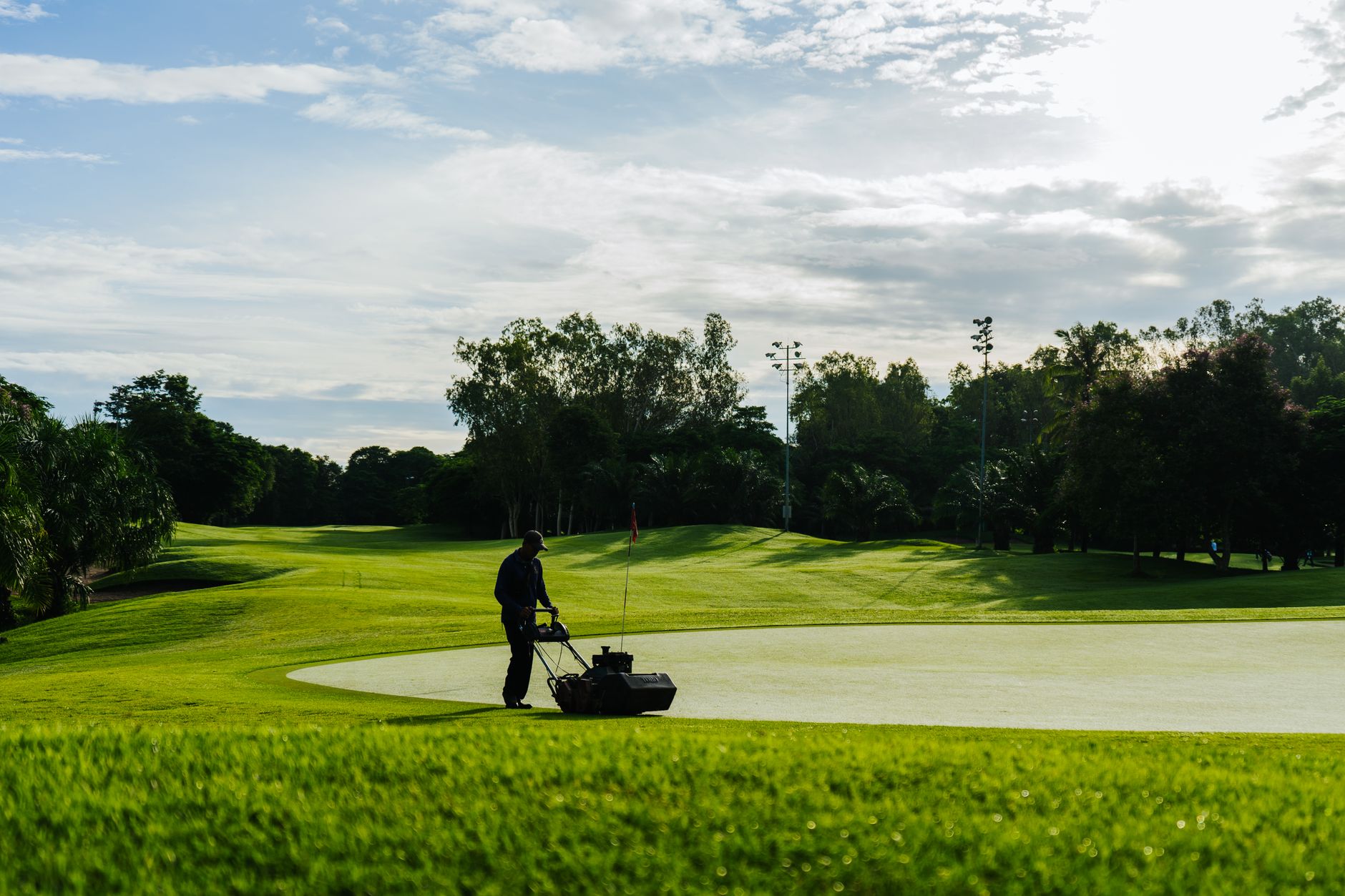
Not in any way that protects the asset or the public. A robotic mower on a city park, a civic campus or a public sports field needs a person close enough to reach it within minutes, plus controls that make it harder to move and quicker to find. Supervision is part of the job, not an optional extra added when budget allows.
The working answer for agencies and contractors has four parts. Pair every running mower with a nearby crew member, control who can reach the site and the charging station, secure each unit at the end of the day, and tell the agency about any lifted, stopped or missing machine without delay.
One caution first. We found no verified theft statistics for municipal robotic mowers. The evidence so far comes from city pilots, a handful of news items and manufacturer support pages, so the controls below rest on how the risk works and what the features do, not on a published loss rate.
What have city pilots reported so far?
Richmond, British Columbia has run two robotic mowers cutting grass at City Hall since a 2022 pilot. According to a Richmond News report, nobody had tried to steal them as of that article. The units sound a loud alarm when lifted, and city staff monitored them remotely and were notified of any interruption in operation.
Grande Prairie, Alberta trialled a mower at South Bear Creek Park with an audible anti theft alarm, GPS tracking and a PIN that must be entered before the machine runs. The city said results would go to a future committee meeting. That release is several years old, and the available material does not show the outcome.
Tuscaloosa, Alabama plans to bring city crews in regularly for edging, landscaping and other tasks the mowers cannot do. Vaasa, Finland trialled three mowers in its green areas to learn how they perform in public spaces, but its results page gave no theft or supervision figures.
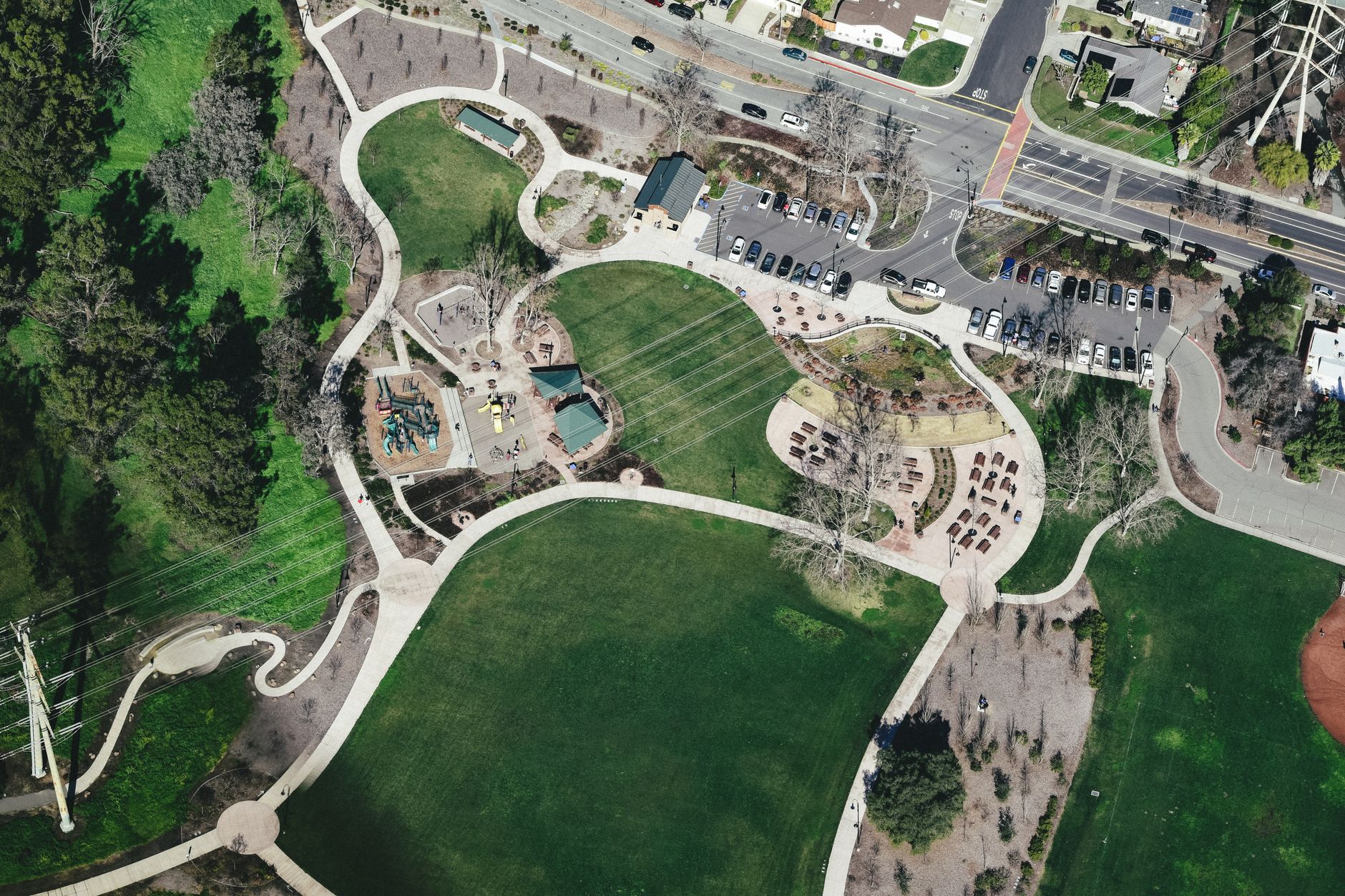
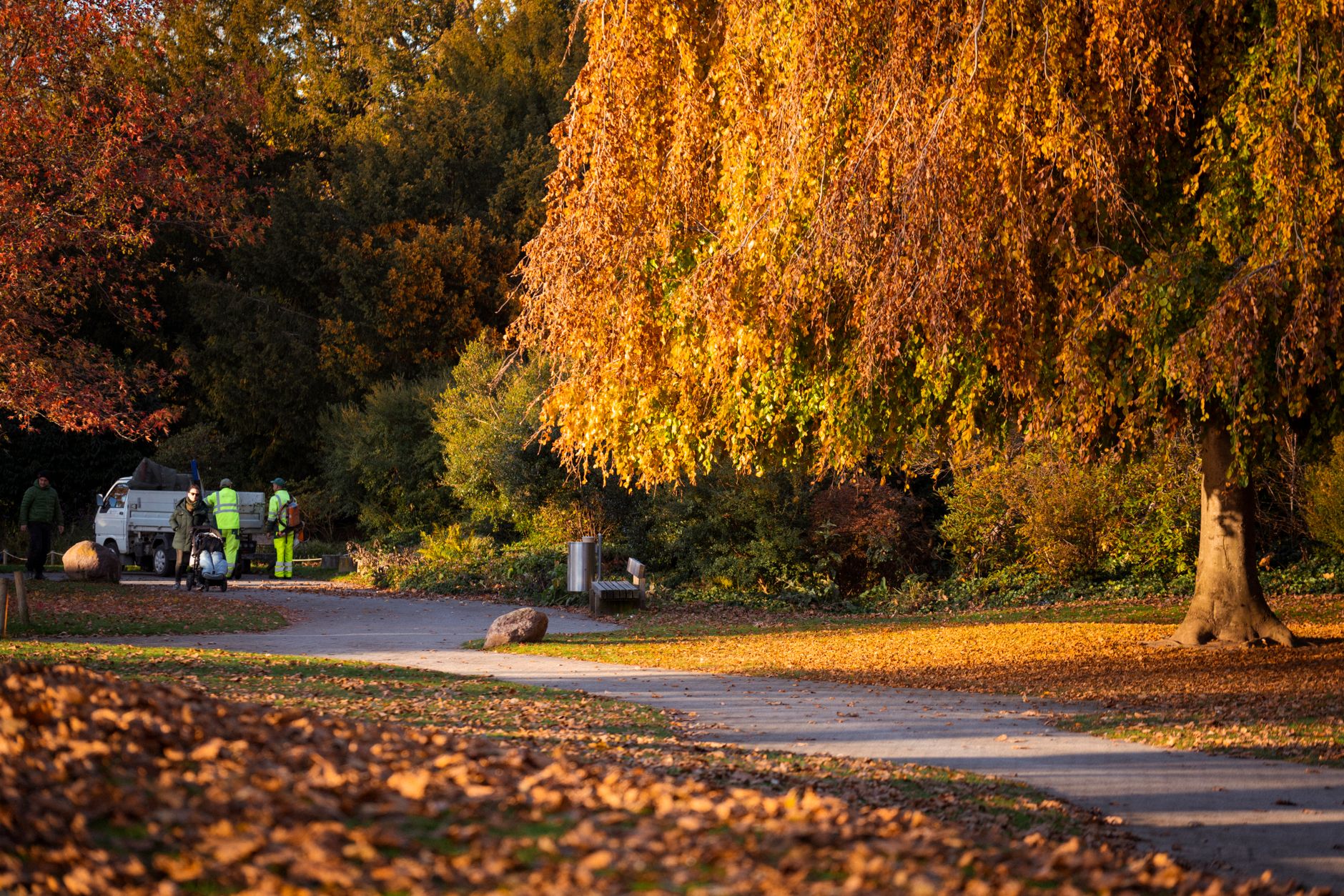
A report on a park mower also notes that foot traffic in parks is unpredictable. That unpredictability is the main reason supervision matters more than any single lock.
Why does a nearby crew member matter more than an alarm?
An alarm tells you a machine has been moved. It does not stop the person moving it, and a GPS trace shows where the mower went only after it has gone. A crew member within sight of the unit can intervene in the moment, redirect a curious passerby and notice a van idling near the boundary.
Supervision in practice means a named person is responsible for the running hours of each site, knows where every unit sits and walks the route before the first pass. In a park, that walk includes checking where people gather, where children play and whether a bag, tool or cart has been left near the path. Tuscaloosa's plan for regular crew visits applies the same idea at municipal scale.
Remote monitoring, as Richmond used it, is the second layer. It catches what the crew cannot see, and it works best when someone is assigned to watch the alerts during the hours the mower runs.
How should site access be controlled?
Start with the charging station, because a docked mower is exposed while it charges and many units are left there overnight. Place the station where staff can see it from a regular path, away from hidden corners and away from property lines that people cross on foot.
Write the access rules down: who may enter the turf during mowing hours, which gates stay locked and who can open a station. Give crew members, parks staff and contractors the same list. Mowrator's guide notes that GPS signal strength at the charging station affects how quickly alerts fire, so a station with weak signal can delay the first warning. Test that before a unit goes live.
What do theft protection features actually do?
Husqvarna's support page, checked as of November 2026, describes a PIN that the mower requires before it runs. An alarm sounds if the unit is stopped or lifted without the PIN. The PIN must be entered within 30 seconds of pressing STOP, or the alarm sounds immediately on lift. The operator can set a geofence in the Husqvarna Connect app, and the alarm continues until the PIN is entered.
The same page says GPS theft tracking is said to work for up to twelve hours. It also notes that GPS features often depend on an add on kit, so check whether the quoted unit includes one. These are manufacturer statements that have not been independently tested.
A broader guide from Mowrator describes account locking, serial blacklisting and remote disable across the category, and says tracking and geofencing are optional modules that depend on the model. The same guide is blunt: these features reduce theft and resale value but do not prevent it. Treat them as layers that slow a thief and speed recovery, not as a lock that holds.
What does the end of day securing routine look like?
Build the routine as a checklist that the last person on site signs before leaving. Return each unit to its station, confirm it has docked, and enable the PIN or account lock. Check that the station is closed and locked, and that the status indicators show what you expect.
Then log the final run and any anomaly. A mower that did not return, a station with a loose cover or a unit that stopped mid pass belongs in that morning's log, not in a note nobody reads. If a unit must leave the turf for repair, keep its station locked and confirm the replacement plan before the next run.
What should you tell the agency, and when?
Tell the agency the same day anything changes in a unit's status. Agencies can only act on what they are told, and a late report can cost the GPS trace much of its value. Send the following with each report.
- The unit serial number, the station location and the time of the last confirmed run
- Whether the PIN or account lock was active when the unit was last seen
- Any alarm, lift event or stop without the PIN, with the time it fired
- The last known GPS position, and whether tracking is enabled on that model
- The crew member responsible for the site and the supervision schedule in force
- The contractor contact who can confirm damage or dispatch a replacement
Where does Service Robot Co. fit in?
Service Robot Co. is an OEM neutral integrator. We pick the right robot across manufacturers, then lease it through financing, deploy it, integrate it, train the crew and service every unit under RoboCare, our service plan, backed by regional service engineers in every state we service. One vendor for the whole lifecycle, not six.
For a municipal site, the work starts with a site assessment, where access points, station placement and supervision routes get mapped. After that assessment we provide a fixed lease quote on a three year lease, so the agency or contractor can compare it against the cost of added crew hours. This article does not imply any partnership with the manufacturers named above.
Frequently asked questions
Want a robot working for you?
Tell us the job and the site. We will recommend the robot, quote the lease, and keep it serviced.
Sources
- Richmond News: Robotic lawn mowers employed by City of Richmond, B.C.
- City of Grande Prairie: South Bear Creek Park robotic mower pilot
- GovTech: Tuscaloosa, Ala. to trim parks with robotic lawn mowers
- City of Vaasa: Robotic lawnmowers on trial in city green areas
- DevX: Autonomous mower stirs debate in park
- Husqvarna support: How does the Automower theft protection system work
- Mowrator: Are robotic lawn mowers theft proof