Key takeaways
- High-frequency predictable loops favor automatic or system-triggered dispatch; ad-hoc guest requests favor QR or wall buttons.
- Authentication at the call point prevents robots from wandering to the wrong floor or department.
- Queue rules matter more than hardware when lunch rush or med passes stack up.
- Failed handoffs are a workflow problem: design who receives the robot, not only how it is summoned.
- Integration effort rises when dispatch must talk to elevators, lockers, and nurse call systems at once.
How do wall-mounted call buttons behave in practice?
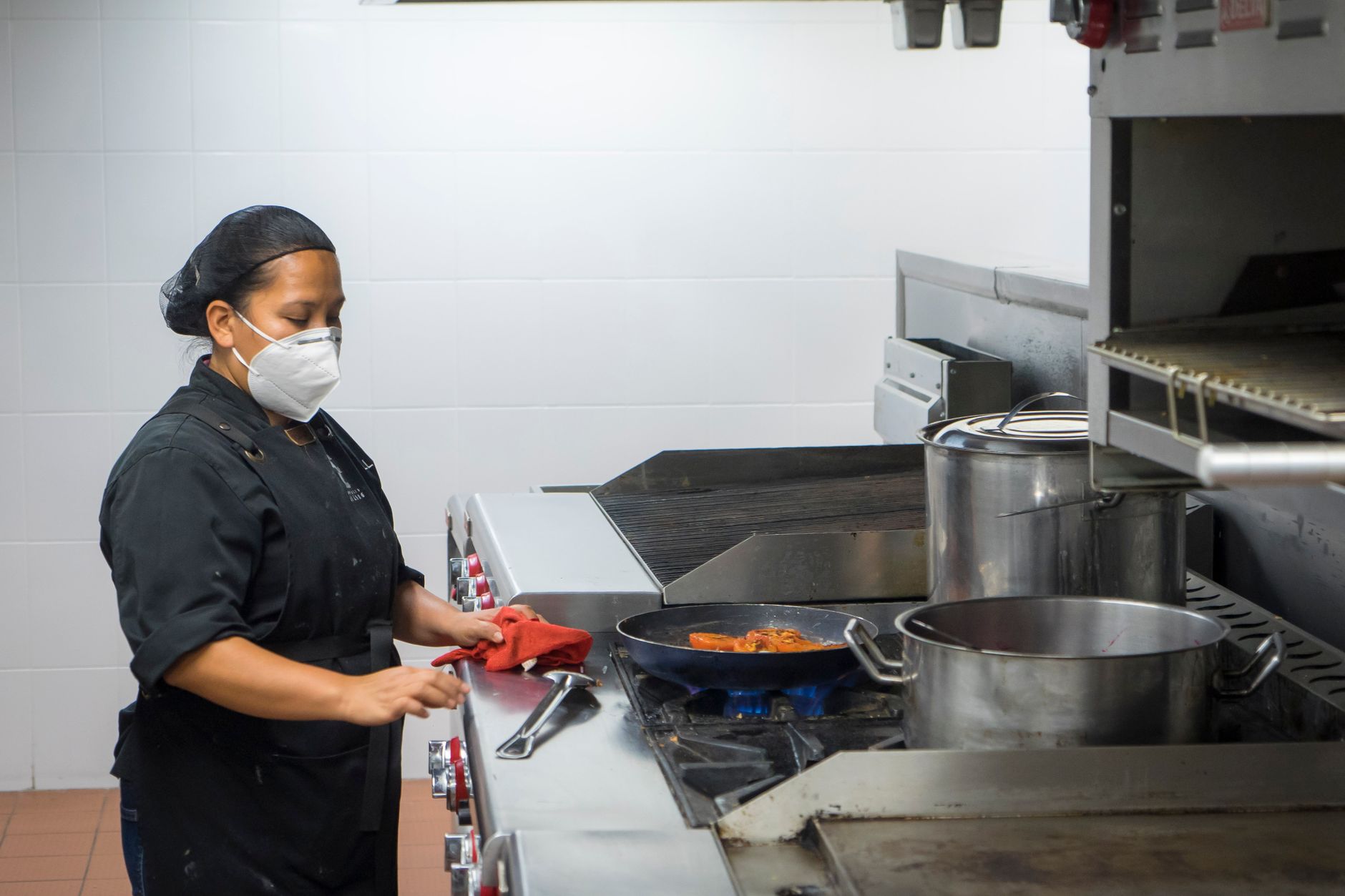
Hardwired buttons feel old fashioned, yet they survive greasy kitchens and busy nurses stations where phones stay in pockets. They work best at a small set of fixed pickup points with clear line of sight to staff.
Buttons fail when users treat them like doorbells without context. If three departments share one button, the robot arrives with no priority data and arguments start. Pair each button with a location ID in software and train users to press once, then stage the cart.
Maintenance is the hidden cost: labels wear off, mounts loosen, and facilities teams disable buttons that stick. Budget quarterly checks alongside fire extinguisher rounds.
What changes when dispatch moves into a mobile app?
App-based summon gives rich context: photo of the load, priority flag, recipient name, and optional PIN. That depth helps security teams in corporate campuses and law offices where unauthenticated runs are unacceptable.
Apps also introduce friction. If login takes longer than walking the tray yourself, adoption dies. Single sign-on through the company identity provider and a three-tap summon flow are realistic targets for pilots.
Guest-facing apps are rare unless the experience is branded and supervised. Hotels sometimes let guests request amenities through a tablet, but staff still confirm handoff at the door.

What is system-triggered dispatch?
System-triggered means another piece of software orders the robot without a human press. Examples include a laboratory information system releasing a courier when specimens are bagged, or a retail backroom task engine launching a tote move when pick slots fill.
These triggers shine when data already exists. You are not asking people to change habit; you are removing a duplicate data entry step they never wanted.
The integration project is the whole job. APIs, retry logic, and audit logs must be tested with the same rigor as payroll feeds. A failed webhook should not strand a robot in an elevator lobby with biohazard bags.
How should urgency shape queue management?
Without queue rules, every summon is urgent. Kitchens see this during dinner rush when three runners stack behind one elevator. Define tiers: stat medical courier, hot food, routine supplies, and bulk trash moves.
Display the queue somewhere visible, even if it is only a tablet at the dock. Humans stop double-tapping when they see their job third in line.
Automatic dispatch can pre-empt lower tiers, but only if operators trust the algorithm. Publish the pre-emption logic in plain language so charge nurses and executive chefs know why a run jumped the line.
Where does user authentication matter?
Authentication ties a request to a person or role. Scanning a QR code with a staff badge, entering a department PIN, or signing in through an app all prevent prank summons and help trace spills back to a unit.
Public QR codes in lobbies need expiry or staff-only Wi-Fi backhaul. Otherwise anyone with a phone can pull a robot off its cleaning loop for a social media stunt.
For regulated healthcare, log who requested each run and what was on board. Surveyors care about chain of custody more than the novelty of the robot.
Why do failed handoffs ruin ROI?
A failed handoff happens when the robot arrives and nobody meets it. The unit blocks a corridor, the queue backs up, and labor savings evaporate while someone hunts for the recipient.
Design handoff stations with chimes, lights, and a short timeout message to a charge phone. After two missed handoffs, route the robot to a holding dock instead of circling forever.
According to the International Federation of Robotics World Robotics 2025 service robots report, hospitality robot unit sales dipped about 11 percent in 2024 while transportation and logistics robots grew. Sites that treated delivery bots as guest toys without staff workflow often retired them; sites that wired dispatch into kitchen and housekeeping systems kept expanding.
How do integration effort and training differ by model?
QR and wall buttons are fastest to pilot if elevators and doors are already robot-ready. You are mainly mapping locations and teaching a small user group.
App dispatch adds identity and payment hooks but needs IT security review. System-triggered dispatch needs vendor APIs, test environments, and rollback plans.
Train for the exception, not the happy path. Run tabletop drills for dead phone batteries, wet QR labels, and elevator rejects so night staff know the manual fallback.
How does a vendor-neutral integrator help?
Dispatch software from one robot brand rarely matches every building system you already run. Service Robot Co. maps your request volume, writes tier rules, and connects triggers without locking you into a single OEM portal.
We finance the pilot, deploy the first units, and keep remote triage on the same number whether the summon came from a QR sheet or an automatic warehouse task. That single throat to choke matters when a dinner rush and a lab stat collide at the same elevator bank.