Key takeaways
- No published study covers robot mowers near guest areas, so arrival week plans need on site testing.
- Set mowing windows from the arrival calendar, not from the usual mowing schedule.
- Treat cart paths and guest walkways as protected zones on arrival days.
- Confirm stop, reroute and geofence behavior with staff walking the route before peak week.
- Start with one leased unit, then tighten windows using a log of real peaks.
How should a resort mow around check in traffic?
Resort courses rarely get a quiet arrival week. Guests crowd the lobby, luggage and golf carts move along the cart paths, and the mowing schedule has to bend around both.
The short answer is to set robot mowing windows against the arrival calendar, keep passes off guest walkways and cart paths during peak check in hours, and confirm the mower's stop and boundary behavior on your own site before the first full arrival week.
No published playbook covers this yet. The research for this piece found no study of robot mowers in guest areas, no check in traffic counts for resort courses, and no guidance on mowing windows around guest arrivals. What follows is a planning method built from safety features that courses and manufacturers describe, and it needs testing before anyone relies on it.
Why do arrival weeks change the mowing plan?
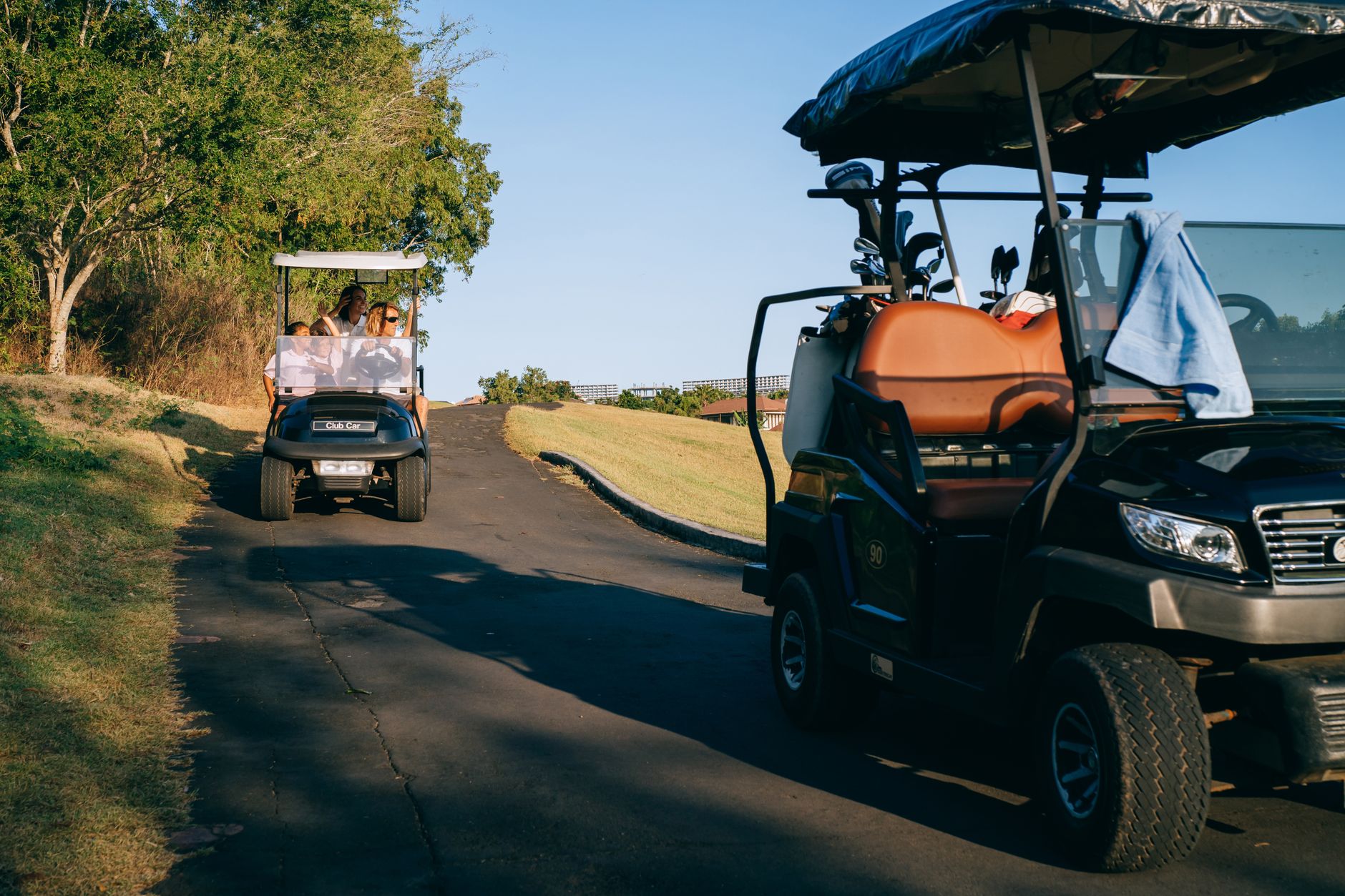
Arrival days stack two traffic streams on top of each other. Guests walk between lobby, pool and first tee, while carts use the same path network that carries play.
A legal article on golf course accidents describes cart paths as an interior site road system and names cart accidents as a major liability concern. It does not discuss robot mowers, but it explains why the paths deserve protection before anything else.
A pass that was harmless on a quiet morning can cross a lobby approach at the wrong minute. On arrival days, timing matters as much as the route.
What do robot mowers already do when something blocks them?
Blue Ash Golf Course, in its own news announcement, says its mowers stop for an obstacle and route around it, shut off when lifted, and sound an alarm if they leave the geofence. That is a course report, not independent testing, but these are the behaviors an arrival plan depends on, so confirm them on your site.
Golf Monthly reported that Husqvarna offers an AI vision accessory for some robot mower models, which the company says provides object avoidance. As of November 2026, that is a manufacturer claim, not independent testing.
The published descriptions mostly cover obstacles and boundaries. None of the sources reviewed address guests walking or moving quickly through check in, so that gap belongs on your test list.
How do you set mowing windows around check in peaks?

Start with the front desk. The reservations team can usually tell you which hours bring arrivals together, and that calendar should set the mowing windows.
Then build the arrival day schedule around four steps.
- Mark lobby approaches, guest walkways and cart path junctions as no pass zones on arrival days only, leaving permanent boundaries as they are.
- Run the heaviest mowing before the first guest wave, when the course is quieter and the paths are clear.
- Pause mowers near the front entry during the peak hours the front desk identifies, then resume when the flow drops.
- Assign a crew member to watch the mower during surges, with authority to stop or redirect it.
How do you keep robot passes out of guest routes?
Mapping comes first. Draw guest routes on the site plan, load them as boundaries, and confirm the geofence keeps the mower inside the mowing area and off the walkway. Surface conditions such as slope, wet turf and pavement edges can change how a mower behaves at a boundary, so measure on the actual ground.
Then test the way guests move. Have staff walk the route at the pace of a busy check in, step into the mower's path, and record whether the unit stops, routes around or halts. Repeat at the times the arrival calendar flags.
What should the first arrival week measure?
Keep the list short enough that staff will fill it in. Record the times a mower stopped for a person or object, the times it was lifted or left its geofence, and any moment a guest walked into a no pass zone.
Also record how long passes ran late because of a hold. Those minutes show whether the windows are too tight, and they give the course manager a basis for next week's schedule rather than a guess.
Share the log with the front desk. They see the arrival wave before the course does, and their notes can explain a spike that mower data alone cannot.
What does labor context mean for arrival weeks?
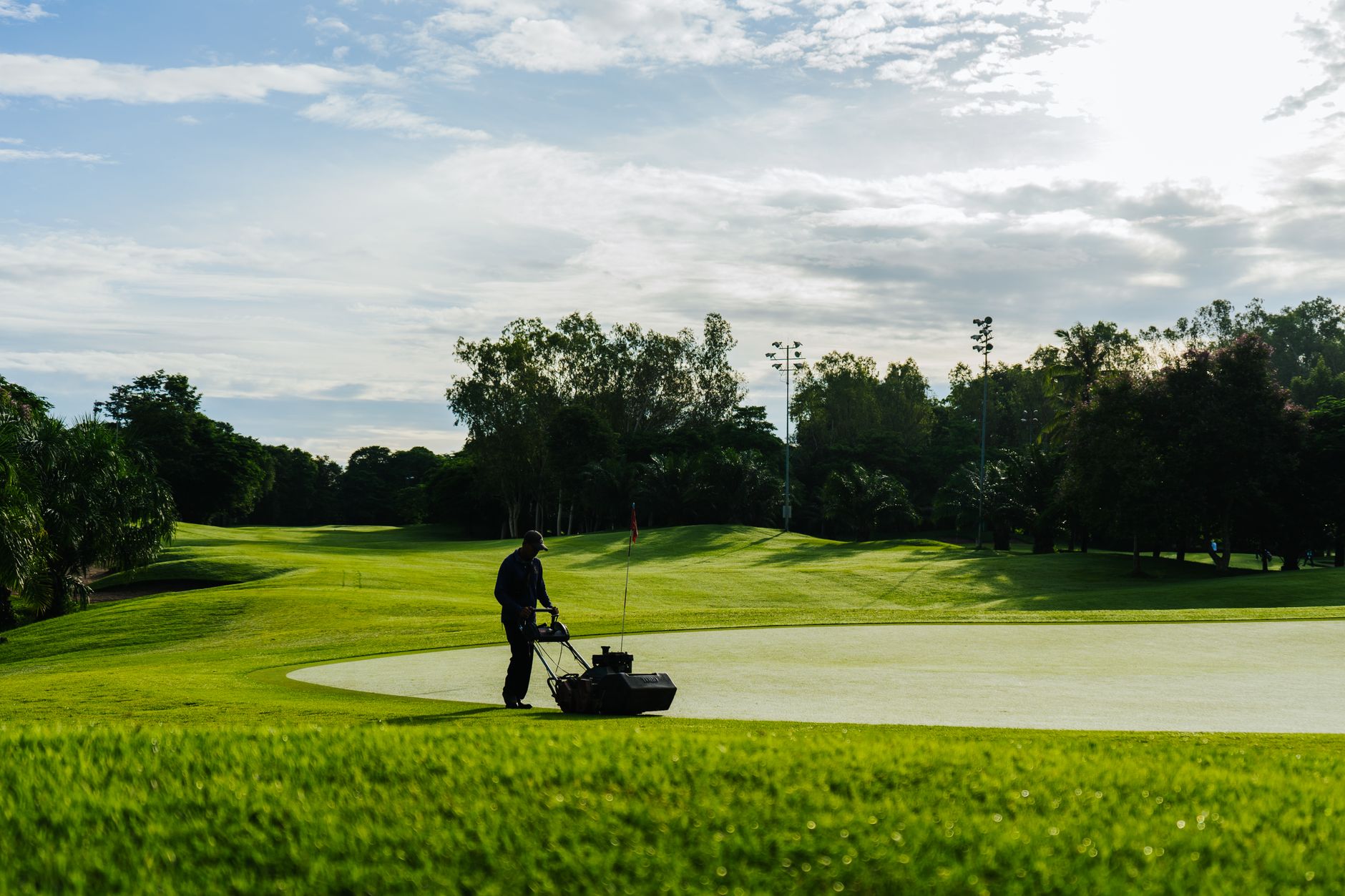
Golfdom has run coverage of superintendent pay, including a page on salary increases in 2025. Whatever the pay picture, an arrival week that pulls a crew member off the mower to direct traffic is a crew member not cutting fairways that day.
Where does a robot integrator fit in arrival week planning?
Service Robot Co. is an OEM neutral robot integrator for US businesses. We pick the right robots across manufacturers, then lease them through financing, handle robot deployment and integration, train staff, and service each unit under RoboCare, our service program, backed by regional service engineers in every state we service.
A course weighing arrival week coverage can start with a site assessment mapping its cart paths, guest walkways and boundaries. A lease quoted after a site assessment arrives as one fixed robot lease payment over a three year term. The course can start with one leased unit, run a phased deployment with no shutdown, and arrange spare unit coverage for repair days.
Frequently asked questions
Want a robot working for you?
Tell us the job and the site. We will recommend the robot, quote the lease, and keep it serviced.