Key takeaways
- 2026 remodel budgets create a cleaner path to add robot charging, storage, and route planning while walls, power, and back rooms are already being touched.
- Walmart said on April 16, 2026 that it had more than 650 remodels scheduled, and Target said in March 2026 that it planned more than 30 new stores and about $5 billion in 2026 capital investment.
- The real gain is not just buying a machine. It is writing one repeatable operating standard for closets, docks, charging, service access, and overnight cleaning across many stores.
- Retailers that wait until after a remodel often turn a planned integration task into a retrofit project for facilities, store ops, and janitorial teams.
- An OEM-neutral integrator can tie robot leasing for business, deployment, training, and service into the same store-investment window instead of leaving each site to improvise.
Why does a remodel cycle make robot adoption easier?
Yes. A heavy remodel cycle is one of the best moments to standardize cleaning robots across a retail fleet, because the store is already being reworked for power, storage, fixtures, circulation, and operating routines. If a chain wants a retail floor cleaning robot program to stick, this is when it can define where the robot charges, where it is stored, who empties and refills it, what route it runs, and how service reaches it without improvisation store by store.
That matters in 2026 because large retailers are spending real money on their physical estate. Walmart said on April 16, 2026 that it had more than 650 scheduled remodels to Supercenters and Neighborhood Markets. Target said on March 5, 2026 that it planned more than 30 new stores and a $5 billion capital investment plan for 2026, supporting new stores, remodels, supply chain, and technology. When chains are already funding store refresh work, robot readiness can move from a special project to a standard line item.
The opening is practical, not theoretical. A remodel gives facilities and store operations a chance to bake in charging locations, back-of-house storage, floor-condition prep, signage, overnight access rules, and handoff points between store staff and janitorial crews. That is the difference between a pilot that depends on local heroes and a commercial cleaning robot rental or ownership program that can scale across a district.
- Standardize a charging location with dedicated power and clear access
- Reserve protected back-room storage for the robot and consumables
- Define overnight cleaning no operator windows and exception rules
- Set a simple service path for on-site dispatch, loaners, and remote triage
What do the 2026 retail numbers actually say?
The headline numbers are large enough to matter. Walmart framed its April 16, 2026 store investment as a national program, with more than 650 scheduled remodels in the U.S. this year. That is not a one-off refresh. It is a broad physical reset across a major store fleet, and every remodel creates a chance to decide what belongs in the future operating model.
Target's March 2026 announcements point the same way. The company said it would open more than 30 new stores in 2026, support them with a $5 billion capital investment plan, and complete more than 130 remodels. In its 2025 annual report, Target also said it expected about 30 new stores in 2026 and approximately $5 billion in capital expenditures to support store experience, remodels, supply chain, technology, and new stores.
The macro backdrop supports that posture. The National Retail Federation forecast on March 18, 2026 that retail sales would grow 4.4 percent over 2025 to $5.6 trillion. The U.S. Census Bureau then reported that advance retail and food services sales for June 2026 were $768.6 billion, up 6.7 percent from June 2025. In other words, retailers are not investing into a dead market. They are refreshing stores while consumer spending still gives them a reason to protect labor productivity and presentation.
What should retailers standardize during the remodel itself?
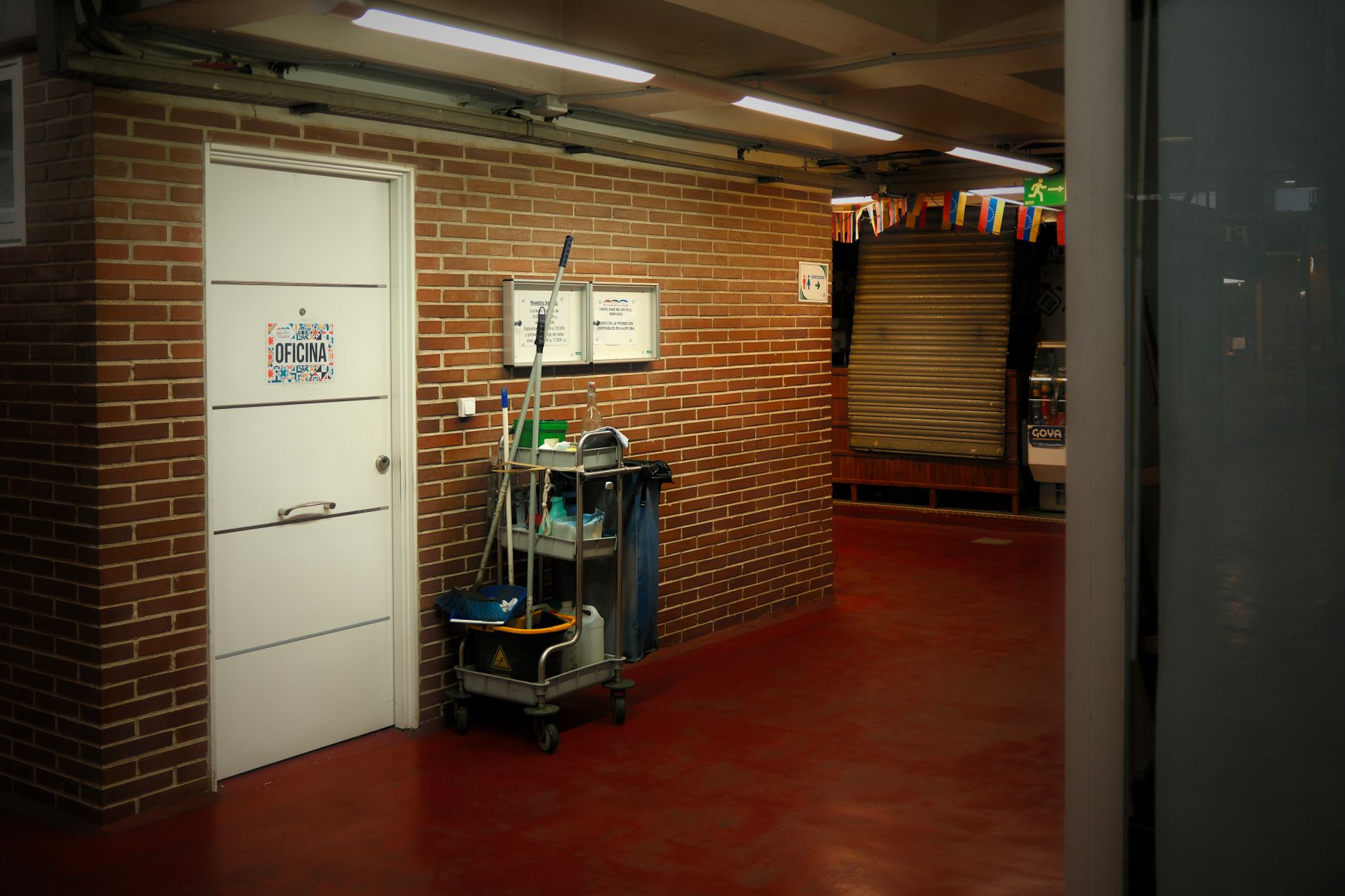
The best robot programs do not start with the robot. They start with the operating envelope around it. During a remodel, a retailer can make one clean decision about power, storage, fill and dump access, route timing, floor transitions, and who owns daily checks. Those decisions are easy to postpone and expensive to relearn later.
For cleaning robots, the big wins usually live in ordinary facility details. Is there a back-room alcove where the unit can live without blocking egress or pallet flow? Is there reliable power where the charger belongs? Can the robot leave its storage point and reach the sales floor without crossing a nightly freight choke point? Does the floor finish, threshold profile, and door hardware support repeatable autonomous runs?
This is also the right moment to decide whether the program is a commercial robot rental, a robot leasing for business arrangement, or a purchase. The commercial question matters, but the operating standard matters more. A weakly prepared site can burn time under any financing model. A well-prepared site can support robot as a service, a floor scrubber monthly lease, or a broader lease rental or sale strategy with far less friction.
- Charging and parking standard for every prototype store and every remodel tier
- Water, drain, and consumables workflow for daily readiness
- Night access and lockup rules for the janitorial team or in-house crew
- Escalation path for blocked routes, spills, and service events
- Site acceptance checklist before go live support begins
Why is this more about capex timing than gadget timing?
Retailers often treat robotics as an isolated technology buy. In practice, fleet adoption succeeds when it rides an existing facility budget and change-management calendar. Remodels already mobilize construction, merchandising resets, sign packages, back-room rearrangement, and store training. Adding robot readiness into that sequence is usually simpler than reopening finished space later to chase power, storage, and workflow fixes.
That is the core capex argument. The remodel budget is already absorbing disruption, contractor coordination, and operating change. A chain that attaches robot readiness to that cycle can spread the work across an approved store-investment program instead of asking each region to build a one-off business case from scratch.
This does not mean every retailer should buy robots out of capital budgets alone. Many will still prefer monthly payment programs, a robot floor cleaner rental, or a commercial cleaning robot rental structure to preserve flexibility. The key is that the physical prerequisites, charging, storage, route fit, service access, and training, are easiest to standardize when capex crews are already touching the box.
Where do cleaning robots fit in the new store operating model?
A remodel is usually trying to improve speed, presentation, consistency, and labor focus. Cleaning robots can fit that agenda when they are assigned the right work. In retail, that is typically large, repeatable floor area with predictable overnight windows: main racetracks, wide aisles, front-end approaches, and other hard-floor zones that need consistent coverage.
This is why the phrase retail floor cleaning robot matters more than flashy autonomy claims. The job is not to automate every janitorial task. It is to automate the most repeatable floor-care block so store teams and cleaning crews can spend more time on detail work, edge work, restrooms, spills, and recovery tasks that still need human judgment.
For some chains, the right entry point is a pilot. For others, the remodel cadence itself argues for a phased deployment no shutdown model, starting with a cluster of refreshed stores that share similar floor plans. Either way, the useful operating questions are plain: how much large facility coverage is available, what nightly window is real, and which store format produces the cleanest repeatable playbook?

What does a full-service integrator add during this window?
This is where Service Robot Co. fits naturally. The company works as an OEM-neutral commercial robot integrator for U.S. businesses, selecting the right machines across manufacturers and then handling finance, deployment, integration, training, and service through a nationwide engineer network. For a retailer in a remodel cycle, that means one partner can align the robot program with the store refresh instead of forcing facilities, operations, procurement, and local service vendors to stitch the effort together themselves.
That model is especially useful when the chain wants flexibility. Some fleets will want robot leasing for business, a month to month robot lease, or a commercial cleaning robot rental structure with maintenance included. Others will want lease purchase terms or a broader fleet strategy across multiple facility types. The real advantage is not simply financing choice. It is having one vendor for site assessment mapping, turnkey robot deployment, go live support, remote triage, and emergency response nationwide.
In a remodel year, timing is everything. If the physical store is already being reset, the robot program should be designed at the same table, with facilities, operations, janitorial leadership, and the integrator working from one standard instead of handing the problem downstream.
How should a retailer decide which stores go first?
Start with stores where the remodel has already clarified traffic flow and back-room discipline. A good first wave usually has broad hard-floor coverage, reliable overnight access, consistent replenishment patterns, and local leadership that will enforce the routine. New-store formats and recently refreshed layouts are often easier than older edge cases full of inherited constraints.
Then rank sites by repeatability, not by executive enthusiasm. If the goal is to standardize, choose stores that can teach the network something reusable about charging, storage, routing, service windows, and staff handoffs. A neat pilot that cannot be copied is just theater.
The broader 2026 investment cycle makes that discipline more urgent. NRF's 2026 forecast and Census sales data show a retail environment where operators still have reason to invest in the physical store. The chains that use this window to make robot readiness part of the remodel standard will be in a far stronger position than those that wait until the paint is dry and the budget has moved on.