Key takeaways
- Robotic imaging fits repeatable runway surveys when cranes can stay limited or idle in short windows.
- Rope access still wins where tactile checks, torque tests, or disassembly are the only compliant path.
- OSHA expects periodic crane inspections on 1 to 12 month cycles, so your access method must match that calendar.
- Fall risk drives rope planning cost; ground-based or rail-mounted robots reduce time at height but not every defect class.
- Inspection robot rental lets you baseline a runway before committing capital to a permanent crawler fleet.
Which method should you use first on an elevated crane runway?
Robot inspection versus rope access is not a brand debate. It is a question of coverage, shutdown length, and whether the defect you fear can be seen from a sensor or must be touched.
Robotic surveys use cameras, laser profiling, and sometimes ultrasonic or eddy-current payloads on rails, drones, or crawlers to document crane runway beams, rail heads, splice plates, bolts, and conductor systems from predictable poses. Rope access sends certified technicians over the side or along the bridge to look, feel, and measure with hands and gauges.
For many plants, the practical answer is hybrid. Run robotic passes on a fixed schedule to catch drift in rail alignment, clip fatigue, and corrosion early. Schedule rope teams when OSHA periodic items demand close visual judgment on hooks, pins, or enclosed gear that cameras cannot legally substitute for.
According to the U.S. Bureau of Labor Statistics, 389 of 1,034 construction fatalities in 2024 were from falls, slips, and trips, and OSHA cites that figure in its fall-prevention campaign. Any runway program that keeps people off the rail for routine documentation has safety value even when robots cannot close every inspection item alone.
What does each approach actually cover on the runway?
Runway robotics excels at geometry and surface condition. Repeat passes log rail gauge variation, vertical and horizontal alignment trends, weld cracks visible at arm length, loose clip plates, and conductor shoe wear with geotagged photos that compare week to week.
Rope access excels at detail inside the bridge structure. Technicians can follow a stiff leg to a pin, open a cover, listen for bearing noise, and apply dye penetrant where a robot arm cannot reach. Conductor systems often need both: a robot documents shoe lines and festoon cables from the aisle while a rigger verifies tension and bolt torque at hangers.
Neither method replaces operational testing. Frequent OSHA inspections still include observing hooks, ropes, and brakes during lifts. Robots narrow the surprise list before those observed runs.
- Robotic strength: rail head wear maps, bolt pattern photos, thermal hot spots on conductors
- Rope strength: tactile checks, borescope ports, torque verification, localized NDT
- Shared need: written deficiency logs tied to crane ID and runway bay
How do shutdown windows compare?
Rope mobilization usually needs a longer hard shutdown. You isolate power, lock out travel, rig anchor points, and keep production clear beneath the bridge for the whole rope shift.
Rail-mounted inspection robots can sometimes run in partial windows if safety permits limited trolley movement or if the crawler travels the runway while the hoist stays parked. Drone surveys outside the fence still need airspace and load rules, but they skip rope rigging time.
The winning metric is productive crane hours lost per inspection cycle, not headline speed of the robot. If robotic passes let you extend rope intervals from quarterly to annual on visual-only zones, the calendar savings show up in maintenance meetings even when rope still happens once a year on critical bays.
How does measurement quality differ?
Robots win repeatability. The same pose at pier column B12 produces the same focal length and lighting when you run at 2 a.m. every Tuesday. That makes crack growth measurable in pixels or millimeters instead of relying on an inspector memory from last spring.
Rope teams win contextual judgment. A stain that looks minor on a photo might feel spongy under a glove, triggering immediate load restriction. Ultrasonic thickness on a built-up beam often still requires human placement of the probe unless you invest in advanced crawlers.
Document both streams in one CMMS record so reliability engineers see robotic trend lines beside rope findings. Mixed evidence beats arguing over which method is perfect.
What safety planning does each path require?
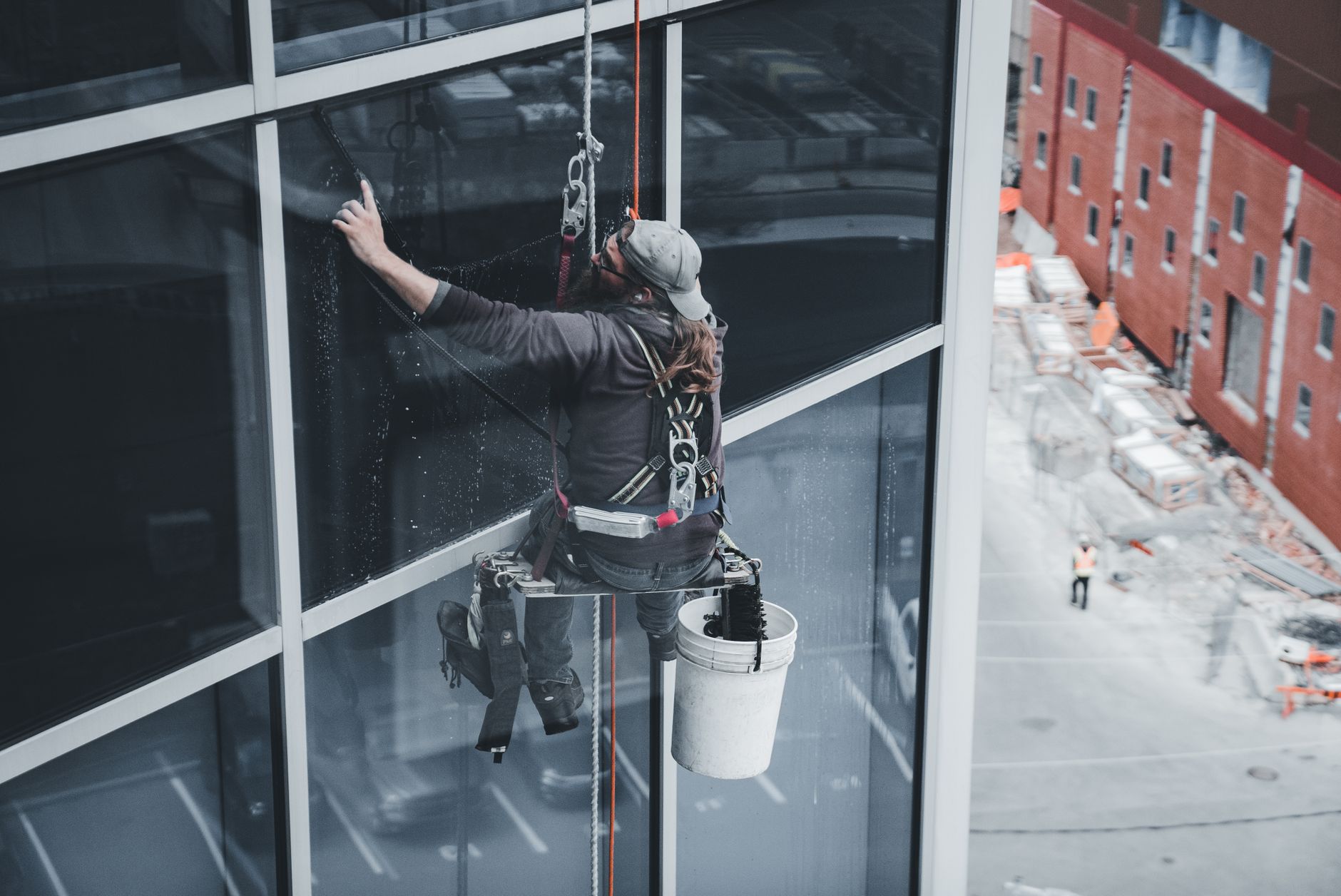
Rope access demands a written rescue plan, competent persons, anchor certification, and often a standby crane or man lift. Weather, wind on open bays, and simultaneous work below the runway drive pre-job brief length.
Ground-based or rail robots shift risk to pinch points, dropped tools from the trolley, and travel interlocks. You still lock out crane motion, but you remove harness exposure for the bulk of the survey.
OSHA fall-protection rules treat workers six feet or more above lower levels as high risk. Runway rope work sits squarely in that bucket. Treat robotic deployment as a hazard control for routine rounds, not as an excuse to skip fall protection when someone must climb.
What documentation do auditors expect?
Under 29 CFR 1910.179, periodic overhead crane inspections run on intervals from one to twelve months depending on activity and severity of service. Your records must show complete inspections that cover structural, mechanical, and electrical items, not just a photo folder.
Robotic output should map to those paragraphs: dated images of deformed members, brake wear, indicator accuracy checks where visible, and conductor condition. Tag each file with runway span, bay, and crane number.
Rope reports should capture hands-on findings robots missed, with sign-off by a qualified person. When OSHA asks whether disassembly was needed, your file should show visual inspection was insufficient for a specific component, not that you skipped rope because a drone flew once.
When is hands-on inspection still mandatory?
Enclosed gear cases, internal hook defects, and hidden pin wear still defeat cameras unless you invest in specialized borescopes with a climber. OSHA interpretation letters state employers must use disassembly or advanced methods when visual inspection alone cannot detect defects.
After a shock load or rail impact, assume tactile and NDT work even if robots show no new crack lines. Dynamic events hide in fasteners and rail clips robots scanned the day before.
Conductor arcing or phase imbalance may require an electrician under permit while a robot only flagged heat. Keep roles split instead of forcing one vendor type to sign everything.
Where does inspection automation fit in the market?
The International Federation of Robotics reported 395 inspection and maintenance service robots sold worldwide in 2023, up 67 percent from 237 units in 2022, in its World Robotics 2024 sample. Overhead industrial assets are still a narrow slice of that count, but steel mills, ports, and heavy fabrication plants are piloting crawlers on crane aisles for exactly the comparison this article covers.
Treat market numbers as context. Your runway pitch still lives or dies on one bridge documented side by side with rope in the same shutdown.
How can Service Robot Co. run a runway comparison pilot?
Service Robot Co. is a vendor-neutral integrator. We match inspection hardware to your runway layout, then handle inspection robot rental or purchase financing, route design, data export, training, and nationwide service.
A fair pilot picks one bay, runs a robotic baseline pass, then schedules rope on the same defects list. Compare time on rope, images captured, and items only the climber could close. Expand only if robots shrink rope hours without missing OSHA periodic items.
Monthly inspection robot rental spreads cost across busy seasons when runways see the most wear, and maintenance included keeps spare crawlers available before a planned outage.
What should maintenance lead with in the first quarter?
Month one: lockout procedures, pose map, and CMMS fields for robotic clips. Month two: side-by-side rope on one critical span. Month three: decide whether to shift visual zones to quarterly robotics and reserve rope for gear and hook work.
Track crane hours lost and rope vendor mobilization cost in the same spreadsheet. Leadership approves budgets on hours, not buzzwords.